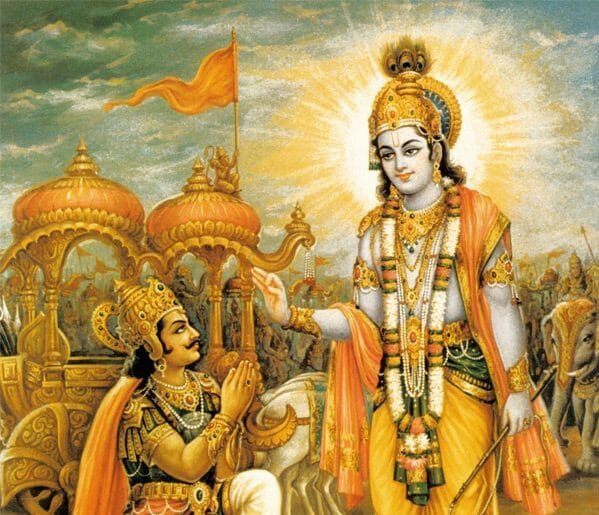
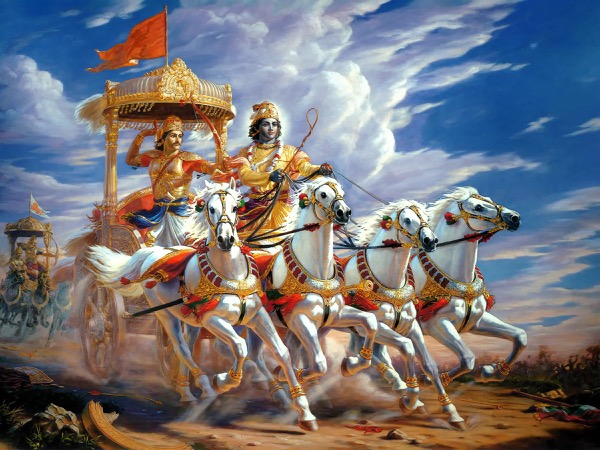
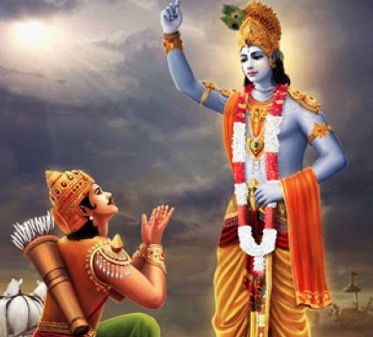
The fifth chapter of the Bhagavad Gita, called 𑌕𑌰𑍍𑌮𑌸𑌂𑌨𑍍𑌯𑌾𑌸𑌯𑍋𑌗𑌃 or 𑌕𑌰𑍍𑌮-Sannyasa 𑌯𑍋𑌗, opens on the battlefield of 𑌕𑍁𑌰𑍁𑌕𑍍𑌷𑍇𑌤𑍍𑌰. Here, in the heart of the 𑌮𑌹𑌾𑌭𑌾𑌰𑌤 epic, two cousins-𑌅𑌰𑍍𑌜𑍁𑌨 of the 𑌪𑌾𑌂𑌡𑌵𑌾𑌃 and 𑌶𑍍𑌰𑍀𑌕𑍃𑌷𑍍𑌣, his charioteer and guide-continue their profound dialogue. The tension of war hangs heavy, but the real battle is within: 𑌅𑌰𑍍𑌜𑍁𑌨 is torn between his duty as a warrior and his longing for inner peace.
In the previous chapter, 𑌶𑍍𑌰𑍀𑌕𑍃𑌷𑍍𑌣 introduced the path of 𑌜𑍍𑌞𑌾𑌨-𑌯𑍋𑌗, the 𑌯𑍋𑌗 of knowledge, and contrasted it with 𑌕𑌰𑍍𑌮-𑌯𑍋𑌗, the 𑌯𑍋𑌗 of selfless action. 𑌅𑌰𑍍𑌜𑍁𑌨 is left wondering: is it better to renounce action entirely, or to act without attachment? The fourth chapter ended with the promise that knowledge and action, when rightly understood, lead to freedom.
As the chapter closes, 𑌶𑍍𑌰𑍀𑌕𑍃𑌷𑍍𑌣 paints a picture of the liberated soul-one who is at peace, seeing the same Self (𑌆𑌤𑍍𑌮𑌾) in all beings, beyond likes and dislikes, beyond pride and possessiveness. This sets the stage for the next chapter, where 𑌶𑍍𑌰𑍀𑌕𑍃𑌷𑍍𑌣 will introduce the path of meditation and inner discipline, showing how the mind can be trained to rest in this deep peace.
𑌓𑌂 𑌶𑍍𑌰𑍀 𑌪𑌰𑌮𑌾𑌤𑍍𑌮𑌨𑍇 𑌨𑌮𑌃
𑌅𑌥 𑌪𑌂𑌚𑌮𑍋𑌽𑌧𑍍𑌯𑌾𑌯𑌃
𑌕𑌰𑍍𑌮𑌸𑌨𑍍𑌨𑍍𑌯𑌾𑌸𑌯𑍋𑌗𑌃
Translation (𑌭𑌾𑌵𑌾𑌰𑍍𑌥):
Salutations to the Supreme Self. Now begins the fifth chapter, titled The Yoga of Renunciation of Action.
𑌅𑌰𑍍𑌜𑍁𑌨 𑌉𑌵𑌾𑌚
𑌸𑌨𑍍𑌨𑍍𑌯𑌾𑌸𑌂 𑌕𑌰𑍍𑌮𑌣𑌾𑌂 𑌕𑍃𑌷𑍍𑌣 𑌪𑍁𑌨𑌰𑍍𑌯𑍋𑌗𑌂 𑌚 𑌶𑌂𑌸𑌸𑌿 ।
𑌯𑌚𑍍𑌛𑍍𑌰𑍇𑌯 𑌏𑌤𑌯𑍋𑌰𑍇𑌕𑌂 𑌤𑌨𑍍𑌮𑍇 𑌬𑍍𑌰𑍂𑌹𑌿 𑌸𑍁𑌨𑌿𑌶𑍍𑌚𑌿𑌤𑌮𑍍 ॥1॥
Translation (𑌭𑌾𑌵𑌾𑌰𑍍𑌥):
Arjuna said: Krishna, you have spoken about both giving up actions and also about the path of action. Please tell me clearly which one of these two is truly better, so I can follow it with confidence.
𑌶𑍍𑌰𑍀 𑌭𑌗𑌵𑌾𑌨𑍁𑌵𑌾𑌚
𑌸𑌨𑍍𑌨𑍍𑌯𑌾𑌸𑌃 𑌕𑌰𑍍𑌮𑌯𑍋𑌗𑌶𑍍𑌚 𑌨𑌿𑌶𑍍𑌶𑍍𑌰𑍇𑌯𑌸𑌕𑌰𑌾𑌵𑍁𑌭𑍌 ।
𑌤𑌯𑍋𑌸𑍍𑌤𑍁 𑌕𑌰𑍍𑌮𑌸𑌨𑍍𑌨𑍍𑌯𑌾𑌸𑌾𑌤𑍍 𑌕𑌰𑍍𑌮𑌯𑍋𑌗𑍋 𑌵𑌿𑌶𑌿𑌷𑍍𑌯𑌤𑍇 ॥2॥
Translation (𑌭𑌾𑌵𑌾𑌰𑍍𑌥):
The Blessed Lord said: Both renunciation of actions and the path of selfless action lead to the highest spiritual fulfillment, but between the two, the yoga of action is considered superior to the mere renunciation of work.
𑌜𑍍𑌞𑍇𑌯𑌃 𑌸 𑌨𑌿𑌤𑍍𑌯𑌸𑌨𑍍𑌨𑍍𑌯𑌾𑌸𑍀 𑌯𑍋 𑌨 𑌦𑍍𑌵𑍇𑌷𑍍𑌟𑌿 𑌨 𑌕𑌾𑌂𑌕𑍍𑌷𑌤𑌿 ।
𑌨𑌿𑌰𑍍𑌦𑍍𑌵𑌂𑌦𑍍𑌵𑍋 𑌹𑌿 𑌮𑌹𑌾𑌬𑌾𑌹𑍋 𑌸𑍁𑌖𑌂 𑌬𑌂𑌧𑌾𑌤𑍍𑌪𑍍𑌰𑌮𑍁𑌚𑍍𑌯𑌤𑍇 ॥3॥
Translation (𑌭𑌾𑌵𑌾𑌰𑍍𑌥):
One who neither hates nor desires, who is free from the pull of opposites, should be understood as a true renouncer. Such a person, O Arjuna, is easily freed from all bondage.
𑌸𑌾𑌂𑌖𑍍𑌯𑌯𑍋𑌗𑍌 𑌪𑍃𑌥𑌗𑍍𑌬𑌾𑌲𑌾𑌃 𑌪𑍍𑌰𑌵𑌦𑌂𑌤𑌿 𑌨 𑌪𑌂𑌡𑌿𑌤𑌾𑌃 ।
𑌏𑌕𑌮𑌪𑍍𑌯𑌾𑌸𑍍𑌥𑌿𑌤𑌃 𑌸𑌮𑍍𑌯𑌕𑍍 𑌉𑌭𑌯𑍋𑌰𑍍𑌵𑌿𑌂𑌦𑌤𑍇 𑌫𑌲𑌮𑍍 ॥4॥
Translation (𑌭𑌾𑌵𑌾𑌰𑍍𑌥):
Those who lack true understanding claim that the path of knowledge and the path of action are separate, but the wise do not see them as different. Whoever is sincerely established in either one of these paths will attain the results of both.
𑌯𑌤𑍍𑌸𑌾𑌂𑌖𑍍𑌯𑍈𑌃 𑌪𑍍𑌰𑌾𑌪𑍍𑌯𑌤𑍇 𑌸𑍍𑌥𑌾𑌨𑌂 𑌤𑌦𑍍𑌯𑍋𑌗𑍈𑌰𑌪𑌿 𑌗𑌮𑍍𑌯𑌤𑍇 ।
𑌏𑌕𑌂 𑌸𑌾𑌂𑌖𑍍𑌯𑌂 𑌚 𑌯𑍋𑌗𑌂 𑌚 𑌯𑌃 𑌪𑌶𑍍𑌯𑌤𑌿 𑌸 𑌪𑌶𑍍𑌯𑌤𑌿 ॥5॥
Translation (𑌭𑌾𑌵𑌾𑌰𑍍𑌥):
The state that is reached by those who follow the path of knowledge is also attained by those who follow the path of selfless action. Whoever understands that knowledge and action, when properly practiced, lead to the same ultimate goal, truly sees things as they are.
𑌸𑌨𑍍𑌨𑍍𑌯𑌾𑌸𑌸𑍍𑌤𑍁 𑌮𑌹𑌾𑌬𑌾𑌹𑍋 𑌦𑍁𑌃𑌖𑌮𑌾𑌪𑍍𑌤𑍁𑌮𑌯𑍋𑌗𑌤𑌃 ।
𑌯𑍋𑌗𑌯𑍁𑌕𑍍𑌤𑍋 𑌮𑍁𑌨𑌿𑌰𑍍𑌬𑍍𑌰𑌹𑍍𑌮 𑌨𑌚𑌿𑌰𑍇𑌣𑌾𑌧𑌿𑌗𑌚𑍍𑌛𑌤𑌿 ॥6॥
Translation (𑌭𑌾𑌵𑌾𑌰𑍍𑌥):
However, O mighty-armed Arjuna, renunciation is difficult to achieve without practicing yoga. The sage who is disciplined in yoga swiftly attains the supreme reality.
𑌯𑍋𑌗𑌯𑍁𑌕𑍍𑌤𑍋 𑌵𑌿𑌶𑍁𑌦𑍍𑌧𑌾𑌤𑍍𑌮𑌾 𑌵𑌿𑌜𑌿𑌤𑌾𑌤𑍍𑌮𑌾 𑌜𑌿𑌤𑍇𑌂𑌦𑍍𑌰𑌿𑌯𑌃 ।
𑌸𑌰𑍍𑌵𑌭𑍂𑌤𑌾𑌤𑍍𑌮𑌭𑍂𑌤𑌾𑌤𑍍𑌮𑌾 𑌕𑍁𑌰𑍍𑌵𑌨𑍍𑌨𑌪𑌿 𑌨 𑌲𑌿𑌪𑍍𑌯𑌤𑍇 ॥॥
Translation (𑌭𑌾𑌵𑌾𑌰𑍍𑌥):
A person who is established in yoga, whose mind is pure, who has mastered himself and his senses, and who sees his own self in all beings, is not affected by actions, even while actively engaged in them.
𑌨𑍈𑌵 𑌕𑌿𑌂𑌚𑌿𑌤𑍍𑌕𑌰𑍋𑌮𑍀𑌤𑌿 𑌯𑍁𑌕𑍍𑌤𑍋 𑌮𑌨𑍍𑌯𑍇𑌤 𑌤𑌤𑍍𑌤𑍍𑌵𑌵𑌿𑌤𑍍 ।
𑌪𑌶𑍍𑌯𑌨𑍍𑌶𑍃𑌣𑍍𑌵𑌨𑍍𑌸𑍍𑌪𑍃𑌶𑌂𑌜𑌿𑌘𑍍𑌰𑌨𑍍 𑌅𑌶𑍍𑌨𑌨𑍍𑌗𑌚𑍍𑌛𑌨𑍍𑌸𑍍𑌵𑌪𑌨𑍍𑌶𑍍𑌵𑌸𑌨𑍍 ॥॥
Translation (𑌭𑌾𑌵𑌾𑌰𑍍𑌥):
The person who is steady in yoga and knows the truth should think, 'I am not doing anything at all,' even while seeing, hearing, touching, smelling, eating, moving, sleeping, or breathing.
𑌪𑍍𑌰𑌲𑌪𑌨𑍍𑌵𑌿𑌸𑍃𑌜𑌨𑍍𑌗𑍃𑌹𑍍𑌣𑌨𑍍 𑌉𑌨𑍍𑌮𑌿𑌷𑌨𑍍𑌨𑌿𑌮𑌿𑌷𑌨𑍍𑌨𑌪𑌿 ।
𑌇𑌂𑌦𑍍𑌰𑌿𑌯𑌾𑌣𑍀𑌂𑌦𑍍𑌰𑌿𑌯𑌾𑌰𑍍𑌥𑍇𑌷𑍁 𑌵𑌰𑍍𑌤𑌂𑌤 𑌇𑌤𑌿 𑌧𑌾𑌰𑌯𑌨𑍍 ॥॥
Translation (𑌭𑌾𑌵𑌾𑌰𑍍𑌥):
Even while speaking, letting go, grasping, opening or closing the eyes, one should recognize that it is simply the senses interacting with their respective objects.
𑌬𑍍𑌰𑌹𑍍𑌮𑌣𑍍𑌯𑌾𑌧𑌾𑌯 𑌕𑌰𑍍𑌮𑌾𑌣𑌿 𑌸𑌂𑌗𑌂 𑌤𑍍𑌯𑌕𑍍𑌤𑍍𑌵𑌾 𑌕𑌰𑍋𑌤𑌿 𑌯𑌃 ।
𑌲𑌿𑌪𑍍𑌯𑌤𑍇 𑌨 𑌸 𑌪𑌾𑌪𑍇𑌨 𑌪𑌦𑍍𑌮𑌪𑌤𑍍𑌰𑌮𑌿𑌵𑌾𑌂𑌭𑌸𑌾 ॥10॥
Translation (𑌭𑌾𑌵𑌾𑌰𑍍𑌥):
One who performs actions by dedicating them to the Absolute and letting go of attachment is not stained by wrongdoing, just as a lotus leaf remains untouched by water.
𑌕𑌾𑌯𑍇𑌨 𑌮𑌨𑌸𑌾 𑌬𑍁𑌦𑍍𑌧𑍍𑌯𑌾 𑌕𑍇𑌵𑌲𑍈𑌰𑌿𑌂𑌦𑍍𑌰𑌿𑌯𑍈𑌰𑌪𑌿 ।
𑌯𑍋𑌗𑌿𑌨𑌃 𑌕𑌰𑍍𑌮 𑌕𑍁𑌰𑍍𑌵𑌂𑌤𑌿 𑌸𑌂𑌗𑌂 𑌤𑍍𑌯𑌕𑍍𑌤𑍍𑌵𑌾𑌤𑍍𑌮𑌶𑍁𑌦𑍍𑌧𑌯𑍇 ॥11॥
Translation (𑌭𑌾𑌵𑌾𑌰𑍍𑌥):
Yogis, having let go of attachment, perform actions using only the body, mind, intellect, and senses, acting simply for their own self-purification.
𑌯𑍁𑌕𑍍𑌤𑌃 𑌕𑌰𑍍𑌮𑌫𑌲𑌂 𑌤𑍍𑌯𑌕𑍍𑌤𑍍𑌵𑌾 𑌶𑌾𑌂𑌤𑌿𑌮𑌾𑌪𑍍𑌨𑍋𑌤𑌿 𑌨𑍈𑌷𑍍𑌠𑌿𑌕𑍀𑌮𑍍 ।
𑌅𑌯𑍁𑌕𑍍𑌤𑌃 𑌕𑌾𑌮𑌕𑌾𑌰𑍇𑌣 𑌫𑌲𑍇 𑌸𑌕𑍍𑌤𑍋 𑌨𑌿𑌬𑌧𑍍𑌯𑌤𑍇 ॥12॥
Translation (𑌭𑌾𑌵𑌾𑌰𑍍𑌥):
A person who is steadfast and has given up attachment to the results of their actions attains a deep and lasting peace. But someone who is not disciplined, acting out of desire and clinging to the outcomes, becomes entangled and bound by their actions.
𑌸𑌰𑍍𑌵𑌕𑌰𑍍𑌮𑌾𑌣𑌿 𑌮𑌨𑌸𑌾 𑌸𑌨𑍍𑌨𑍍𑌯𑌸𑍍𑌯𑌾𑌸𑍍𑌤𑍇 𑌸𑍁𑌖𑌂 𑌵𑌶𑍀 ।
𑌨𑌵𑌦𑍍𑌵𑌾𑌰𑍇 𑌪𑍁𑌰𑍇 𑌦𑍇𑌹𑍀 𑌨𑍈𑌵 𑌕𑍁𑌰𑍍𑌵𑌨𑍍𑌨 𑌕𑌾𑌰𑌯𑌨𑍍 ॥13॥
Translation (𑌭𑌾𑌵𑌾𑌰𑍍𑌥):
The self-controlled person, having mentally given up all actions, lives happily in the body, which is like a city with nine gates, neither acting nor causing actions to be done.
𑌨 𑌕𑌰𑍍𑌤𑍃𑌤𑍍𑌵𑌂 𑌨 𑌕𑌰𑍍𑌮𑌾𑌣𑌿 𑌲𑍋𑌕𑌸𑍍𑌯 𑌸𑍃𑌜𑌤𑌿 𑌪𑍍𑌰𑌭𑍁𑌃 ।
𑌨 𑌕𑌰𑍍𑌮𑌫𑌲𑌸𑌂𑌯𑍋𑌗𑌂 𑌸𑍍𑌵𑌭𑌾𑌵𑌸𑍍𑌤𑍁 𑌪𑍍𑌰𑌵𑌰𑍍𑌤𑌤𑍇 ॥14॥
Translation (𑌭𑌾𑌵𑌾𑌰𑍍𑌥):
The Self does not create the sense of agency, actions, or the connection with the results of actions for anyone in the world. Instead, it is only natural tendencies that operate and bring these about.
𑌨𑌾𑌦𑌤𑍍𑌤𑍇 𑌕𑌸𑍍𑌯𑌚𑌿𑌤𑍍𑌪𑌾𑌪𑌂 𑌨 𑌚𑍈𑌵 𑌸𑍁𑌕𑍃𑌤𑌂 𑌵𑌿𑌭𑍁𑌃 ।
𑌅𑌜𑍍𑌞𑌾𑌨𑍇𑌨𑌾𑌵𑍃𑌤𑌂 𑌜𑍍𑌞𑌾𑌨𑌂 𑌤𑍇𑌨 𑌮𑍁𑌹𑍍𑌯𑌂𑌤𑌿 𑌜𑌂𑌤𑌵𑌃 ॥15॥
Translation (𑌭𑌾𑌵𑌾𑌰𑍍𑌥):
The all-pervading Self does not take on anyone's sins or good deeds. Instead, knowledge is hidden by ignorance, and because of this, living beings become confused.
𑌜𑍍𑌞𑌾𑌨𑍇𑌨 𑌤𑍁 𑌤𑌦𑌜𑍍𑌞𑌾𑌨𑌂 𑌯𑍇𑌷𑌾𑌂 𑌨𑌾𑌶𑌿𑌤𑌮𑌾𑌤𑍍𑌮𑌨𑌃 ।
𑌤𑍇𑌷𑌾𑌮𑌾𑌦𑌿𑌤𑍍𑌯𑌵𑌜𑍍𑌜𑍍𑌞𑌾𑌨𑌂 𑌪𑍍𑌰𑌕𑌾𑌶𑌯𑌤𑌿 𑌤𑌤𑍍𑌪𑌰𑌮𑍍 ॥16॥
Translation (𑌭𑌾𑌵𑌾𑌰𑍍𑌥):
But for those whose ignorance has been removed by knowledge of the Self, their awareness shines like the sun, revealing the highest reality.
𑌤𑌦𑍍𑌬𑍁𑌦𑍍𑌧𑌯𑌸𑍍𑌤𑌦𑌾𑌤𑍍𑌮𑌾𑌨𑌃 𑌤𑌨𑍍𑌨𑌿𑌷𑍍𑌠𑌾𑌸𑍍𑌤𑌤𑍍𑌪𑌰𑌾𑌯𑌣𑌾𑌃 ।
𑌗𑌚𑍍𑌛𑌂𑌤𑍍𑌯𑌪𑍁𑌨𑌰𑌾𑌵𑍃𑌤𑍍𑌤𑌿𑌂 𑌜𑍍𑌞𑌾𑌨𑌨𑌿𑌰𑍍𑌧𑍂𑌤𑌕𑌲𑍍𑌮𑌷𑌾𑌃 ॥1॥
Translation (𑌭𑌾𑌵𑌾𑌰𑍍𑌥):
Those whose understanding is centered in the Supreme, whose very identity is rooted in That, who are unwaveringly dedicated to That, and who hold That as their highest purpose, reach the state from which there is no return. Their faults have been washed away by knowledge.
𑌵𑌿𑌦𑍍𑌯𑌾𑌵𑌿𑌨𑌯𑌸𑌂𑌪𑌨𑍍𑌨𑍇 𑌬𑍍𑌰𑌾𑌹𑍍𑌮𑌣𑍇 𑌗𑌵𑌿 𑌹𑌸𑍍𑌤𑌿𑌨𑌿 ।
𑌶𑍁𑌨𑌿 𑌚𑍈𑌵 𑌶𑍍𑌵𑌪𑌾𑌕𑍇 𑌚 𑌪𑌂𑌡𑌿𑌤𑌾𑌃 𑌸𑌮𑌦𑌰𑍍𑌶𑌿𑌨𑌃 ॥1॥
Translation (𑌭𑌾𑌵𑌾𑌰𑍍𑌥):
The wise, who are endowed with true knowledge and humility, see with equal vision a learned and humble Brahmin, a cow, an elephant, a dog, and even a person considered an outcaste who eats dog meat.
𑌇𑌹𑍈𑌵 𑌤𑍈𑌰𑍍𑌜𑌿𑌤𑌃 𑌸𑌰𑍍𑌗𑌃 𑌯𑍇𑌷𑌾𑌂 𑌸𑌾𑌮𑍍𑌯𑍇 𑌸𑍍𑌥𑌿𑌤𑌂 𑌮𑌨𑌃 ।
𑌨𑌿𑌰𑍍𑌦𑍋𑌷𑌂 𑌹𑌿 𑌸𑌮𑌂 𑌬𑍍𑌰𑌹𑍍𑌮 𑌤𑌸𑍍𑌮𑌾𑌤𑍍 𑌬𑍍𑌰𑌹𑍍𑌮𑌣𑌿 𑌤𑍇 𑌸𑍍𑌥𑌿𑌤𑌾𑌃 ॥1॥
Translation (𑌭𑌾𑌵𑌾𑌰𑍍𑌥):
Those whose minds are firmly set in seeing equality overcome the cycle of birth and death even while living in this world. Because Brahman is flawless and the same in all, such people are truly established in Brahman.
𑌨 𑌪𑍍𑌰𑌹𑍃𑌷𑍍𑌯𑍇𑌤𑍍𑌪𑍍𑌰𑌿𑌯𑌂 𑌪𑍍𑌰𑌾𑌪𑍍𑌯 𑌨𑍋𑌦𑍍𑌵𑌿𑌜𑍇𑌤𑍍𑌪𑍍𑌰𑌾𑌪𑍍𑌯 𑌚𑌾𑌪𑍍𑌰𑌿𑌯𑌮𑍍 ।
𑌸𑍍𑌥𑌿𑌰𑌬𑍁𑌦𑍍𑌧𑌿𑌰𑌸𑌮𑍍𑌮𑍂𑌢𑌃 𑌬𑍍𑌰𑌹𑍍𑌮𑌵𑌿𑌤𑍍 𑌬𑍍𑌰𑌹𑍍𑌮𑌣𑌿 𑌸𑍍𑌥𑌿𑌤𑌃 ॥20॥
Translation (𑌭𑌾𑌵𑌾𑌰𑍍𑌥):
One who knows the absolute reality and is firmly established in it, with a steady and undeluded mind, does not become elated when encountering pleasant things nor disturbed when facing unpleasant experiences.
𑌬𑌾𑌹𑍍𑌯𑌸𑍍𑌪𑌰𑍍𑌶𑍇𑌷𑍍𑌵𑌸𑌕𑍍𑌤𑌾𑌤𑍍𑌮𑌾 𑌵𑌿𑌂𑌦𑌤𑍍𑌯𑌾𑌤𑍍𑌮𑌨𑌿 𑌯𑌤𑍍𑌸𑍁𑌖𑌮𑍍 ।
𑌸 𑌬𑍍𑌰𑌹𑍍𑌮𑌯𑍋𑌗𑌯𑍁𑌕𑍍𑌤𑌾𑌤𑍍𑌮𑌾 𑌸𑍁𑌖𑌮𑌕𑍍𑌷𑌯𑌮𑌶𑍍𑌨𑍁𑌤𑍇 ॥21॥
Translation (𑌭𑌾𑌵𑌾𑌰𑍍𑌥):
One whose mind is not attached to external sense experiences finds true happiness within the self. Such a person, whose consciousness is united with meditation on Brahman, enjoys a happiness that does not fade or end.
𑌯𑍇 𑌹𑌿 𑌸𑌂𑌸𑍍𑌪𑌰𑍍𑌶𑌜𑌾 𑌭𑍋𑌗𑌾𑌃 𑌦𑍁𑌃𑌖𑌯𑍋𑌨𑌯 𑌏𑌵 𑌤𑍇 ।
𑌆𑌦𑍍𑌯𑌂𑌤𑌵𑌂𑌤𑌃 𑌕𑍌𑌂𑌤𑍇𑌯 𑌨 𑌤𑍇𑌷𑍁 𑌰𑌮𑌤𑍇 𑌬𑍁𑌧𑌃 ॥22॥
Translation (𑌭𑌾𑌵𑌾𑌰𑍍𑌥):
Pleasures that arise from contact with external objects are truly sources of suffering, since they have both a beginning and an end. Therefore, Arjuna, a wise person does not seek happiness in them.
𑌶𑌕𑍍𑌨𑍋𑌤𑍀𑌹𑍈𑌵 𑌯𑌃 𑌸𑍋𑌢𑍁𑌂 𑌪𑍍𑌰𑌾𑌕𑍍𑌶𑌰𑍀𑌰𑌵𑌿𑌮𑍋𑌕𑍍𑌷𑌣𑌾𑌤𑍍 ।
𑌕𑌾𑌮𑌕𑍍𑌰𑍋𑌧𑍋𑌦𑍍𑌭𑌵𑌂 𑌵𑍇𑌗𑌂 𑌸 𑌯𑍁𑌕𑍍𑌤𑌃 𑌸 𑌸𑍁𑌖𑍀 𑌨𑌰𑌃 ॥23॥
Translation (𑌭𑌾𑌵𑌾𑌰𑍍𑌥):
Whoever, while still alive, can withstand the powerful urges that arise from desire and anger before leaving the body, that person is truly disciplined and finds real happiness.
𑌯𑍋𑌽𑌂𑌤𑌃𑌸𑍁𑌖𑍋𑌽𑌂𑌤𑌰𑌾𑌰𑌾𑌮𑌃 𑌤𑌥𑌾𑌂𑌤𑌰𑍍𑌜𑍍𑌯𑍋𑌤𑌿𑌰𑍇𑌵 𑌯𑌃 ।
𑌸 𑌯𑍋𑌗𑍀 𑌬𑍍𑌰𑌹𑍍𑌮𑌨𑌿𑌰𑍍𑌵𑌾𑌣𑌂 𑌬𑍍𑌰𑌹𑍍𑌮𑌭𑍂𑌤𑍋𑌽𑌧𑌿𑌗𑌚𑍍𑌛𑌤𑌿 ॥24॥
Translation (𑌭𑌾𑌵𑌾𑌰𑍍𑌥):
The yogi who finds happiness, delight, and illumination entirely within himself, having become one with Brahman, attains the ultimate liberation that is absorption in Brahman.
𑌲𑌭𑌂𑌤𑍇 𑌬𑍍𑌰𑌹𑍍𑌮𑌨𑌿𑌰𑍍𑌵𑌾𑌣𑌮𑍍 𑌋𑌷𑌯𑌃 𑌕𑍍𑌷𑍀𑌣𑌕𑌲𑍍𑌮𑌷𑌾𑌃 ।
𑌛𑌿𑌨𑍍𑌨𑌦𑍍𑌵𑍈𑌧𑌾 𑌯𑌤𑌾𑌤𑍍𑌮𑌾𑌨𑌃 𑌸𑌰𑍍𑌵𑌭𑍂𑌤𑌹𑌿𑌤𑍇 𑌰𑌤𑌾𑌃 ॥25॥
Translation (𑌭𑌾𑌵𑌾𑌰𑍍𑌥):
Those sages whose faults have been worn away, who have overcome all doubts and dualities, who have mastered themselves, and who are dedicated to the well-being of all creatures, attain liberation in the Absolute.
𑌕𑌾𑌮𑌕𑍍𑌰𑍋𑌧𑌵𑌿𑌯𑍁𑌕𑍍𑌤𑌾𑌨𑌾𑌂 𑌯𑌤𑍀𑌨𑌾𑌂 𑌯𑌤𑌚𑍇𑌤𑌸𑌾𑌮𑍍 ।
𑌅𑌭𑌿𑌤𑍋 𑌬𑍍𑌰𑌹𑍍𑌮𑌨𑌿𑌰𑍍𑌵𑌾𑌣𑌂 𑌵𑌰𑍍𑌤𑌤𑍇 𑌵𑌿𑌦𑌿𑌤𑌾𑌤𑍍𑌮𑌨𑌾𑌮𑍍 ॥26॥
Translation (𑌭𑌾𑌵𑌾𑌰𑍍𑌥):
For those who are free from desire and anger, who are self-disciplined and have mastered their minds, and who have realized their true nature, liberation in Brahman is present everywhere.
𑌸𑍍𑌪𑌰𑍍𑌶𑌾𑌨𑍍𑌕𑍃𑌤𑍍𑌵𑌾 𑌬𑌹𑌿𑌰𑍍𑌬𑌾𑌹𑍍𑌯𑌾𑌨𑍍 𑌚𑌕𑍍𑌷𑍁𑌶𑍍𑌚𑍈𑌵𑌾𑌂𑌤𑌰𑍇 𑌭𑍍𑌰𑍁𑌵𑍋𑌃
𑌪𑍍𑌰𑌾𑌣𑌾𑌪𑌾𑌨𑍌 𑌸𑌮𑍌 𑌕𑍃𑌤𑍍𑌵𑌾 𑌨𑌾𑌸𑌾𑌭𑍍𑌯𑌂𑌤𑌰𑌚𑌾𑌰𑌿𑌣𑍌 ॥2॥
Translation (𑌭𑌾𑌵𑌾𑌰𑍍𑌥):
Withdrawing attention from all external sensory contacts, fixing the gaze steadily between the eyebrows, and balancing both the outgoing and incoming breaths moving through the nostrils,
𑌯𑌤𑍇𑌂𑌦𑍍𑌰𑌿𑌯𑌮𑌨𑍋𑌬𑍁𑌦𑍍𑌧𑌿𑌃 𑌮𑍁𑌨𑌿𑌰𑍍𑌮𑍋𑌕𑍍𑌷𑌪𑌰𑌾𑌯𑌣𑌃 ।
𑌵𑌿𑌗𑌤𑍇𑌚𑍍𑌛𑌾𑌭𑌯𑌕𑍍𑌰𑍋𑌧𑌃 𑌯𑌃 𑌸𑌦𑌾 𑌮𑍁𑌕𑍍𑌤 𑌏𑌵 𑌸𑌃 ॥2॥
Translation (𑌭𑌾𑌵𑌾𑌰𑍍𑌥):
The sage who has mastered his senses, mind, and intellect, who is fully dedicated to liberation, and who is free from desire, fear, and anger, is always liberated.
𑌭𑍋𑌕𑍍𑌤𑌾𑌰𑌂 𑌯𑌜𑍍𑌞𑌤𑌪𑌸𑌾𑌂 𑌸𑌰𑍍𑌵𑌲𑍋𑌕𑌮𑌹𑍇𑌶𑍍𑌵𑌰𑌮𑍍 ।
𑌸𑍁𑌹𑍃𑌦𑌂 𑌸𑌰𑍍𑌵𑌭𑍂𑌤𑌾𑌨𑌾𑌂 𑌜𑍍𑌞𑌾𑌤𑍍𑌵𑌾 𑌮𑌾𑌂 𑌶𑌾𑌂𑌤𑌿𑌮𑍃𑌚𑍍𑌛𑌤𑌿 ॥2॥
Translation (𑌭𑌾𑌵𑌾𑌰𑍍𑌥):
One who recognizes Me as the ultimate recipient of all sacrifices and austerities, the supreme Lord of all worlds, and the true friend of every being, attains lasting peace.
॥ 𑌓𑌂 𑌤𑌤𑍍𑌸𑌦𑌿𑌤𑌿 𑌶𑍍𑌰𑍀𑌮𑌦𑍍𑌭𑌗𑌵𑌦𑍍𑌗𑍀𑌤𑌾𑌸𑍁 𑌉𑌪𑌨𑌿𑌷𑌤𑍍𑌸𑍁 𑌬𑍍𑌰𑌹𑍍𑌮𑌵𑌿𑌦𑍍𑌯𑌾𑌯𑌾𑌂
𑌯𑍋𑌗𑌶𑌾𑌸𑍍𑌤𑍍𑌰𑍇 𑌶𑍍𑌰𑍀𑌕𑍃𑌷𑍍𑌣𑌾𑌰𑍍𑌜𑍁𑌨𑌸𑌂𑌵𑌾𑌦𑍇 𑌕𑌰𑍍𑌮𑌸𑌨𑍍𑌨𑍍𑌯𑌾𑌸𑌯𑍋𑌗𑍋 𑌨𑌾𑌮 𑌪𑌂𑌚𑌮𑍋𑌽𑌧𑍍𑌯𑌾𑌯𑌃 ॥
Translation (𑌭𑌾𑌵𑌾𑌰𑍍𑌥):
Thus ends the fifth chapter, called The Yoga of Renunciation of Action, in the dialogue between Sri Krishna and Arjuna, which is found in the glorious Bhagavad Gita, a scripture on yoga and the knowledge of Brahman.
Browse Related Categories: