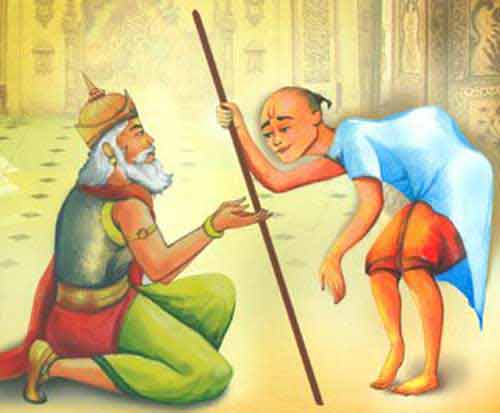
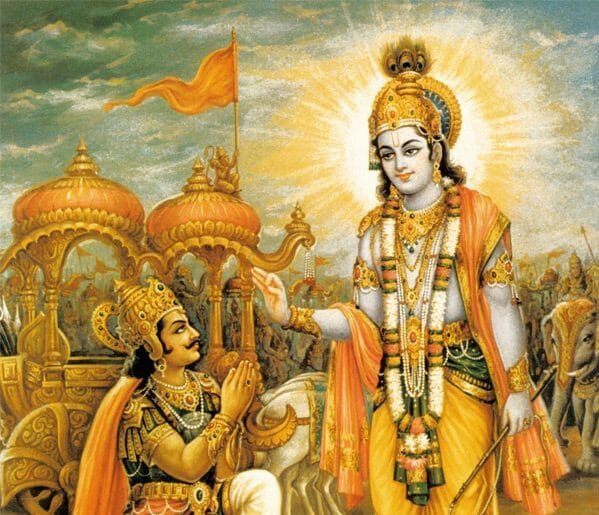
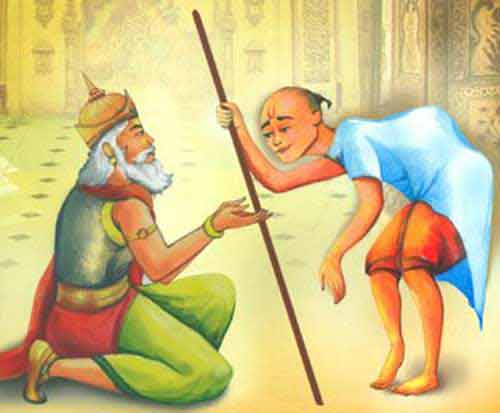
𑌅𑌷𑍍𑌟𑌾𑌵𑌕𑍍𑌰 𑌗𑍀𑌤𑌾 (also known as 𑌅𑌷𑍍𑌟𑌾𑌵𑌕𑍍𑌰 𑌸𑌂𑌹𑌿𑌤𑌾) is a direct, uncompromising dialogue on 𑌅𑌦𑍍𑌵𑍈𑌤 (non-duality), traditionally spoken by the sage 𑌅𑌷𑍍𑌟𑌾𑌵𑌕𑍍𑌰 to King 𑌜𑌨𑌕. In 298 verses across 20 compact chapters, it alternates between the teacher's sharp pointers and the student's dawning recognition, undoing the habit of taking the body, thoughts, and roles to be the whole of "me".
Chapter 1 opens with three practical questions: how does 𑌜𑍍𑌞𑌾𑌨 (clear Self-knowledge) arise, what is 𑌮𑍁𑌕𑍍𑌤𑌿 (liberation), and how does 𑌵𑍈𑌰𑌾𑌗𑍍𑌯 (dispassion) become natural? 𑌅𑌷𑍍𑌟𑌾𑌵𑌕𑍍𑌰 answers by steering attention away from addictive clinging to 𑌵𑌿𑌷𑌯s (objects the mind treats as "this will complete me") and toward the witness standpoint (𑌸𑌾𑌕𑍍𑌷𑍀).
Chapter 1 lays the foundation for the whole work. It begins with 𑌜𑌨𑌕's three questions and 𑌅𑌷𑍍𑌟𑌾𑌵𑌕𑍍𑌰's two-part reply: (1) loosen compulsion by treating 𑌵𑌿𑌷𑌯-attachment as poison and cultivating the "nectar" of inner virtues; (2) turn directly to Self-knowledge by recognizing yourself as the witness (𑌸𑌾𑌕𑍍𑌷𑍀) rather than as elements, roles, or mind-states.
॥ 𑌶𑍍𑌰𑍀 ॥
𑌅𑌥 𑌶𑍍𑌰𑍀𑌮𑌦𑌷𑍍𑌟𑌾𑌵𑌕𑍍𑌰𑌗𑍀𑌤𑌾 𑌪𑍍𑌰𑌾𑌰𑌭𑍍𑌯𑌤𑍇 ॥
Translation (𑌭𑌾𑌵𑌾𑌰𑍍𑌥):
An auspicious invocation. Now begins the revered Ashtavakra Gita.
𑌜𑌨𑌕 𑌉𑌵𑌾𑌚 ॥
𑌕𑌥𑌂 𑌜𑍍𑌞𑌾𑌨𑌮𑌵𑌾𑌪𑍍𑌨𑍋𑌤𑌿 𑌕𑌥𑌂 𑌮𑍁𑌕𑍍𑌤𑌿𑌰𑍍𑌭𑌵𑌿𑌷𑍍𑌯𑌤𑌿 ।
𑌵𑍈𑌰𑌾𑌗𑍍𑌯𑌂 𑌚 𑌕𑌥𑌂 𑌪𑍍𑌰𑌾𑌪𑍍𑌤𑌮𑍇𑌤𑌦𑍍 𑌬𑍍𑌰𑍂𑌹𑌿 𑌮𑌮 𑌪𑍍𑌰𑌭𑍋 ॥ 1-1॥
Translation (𑌭𑌾𑌵𑌾𑌰𑍍𑌥):
Janaka said: How is true knowledge attained? How does liberation happen? And how does dispassion arise? Please tell me this, O master.
𑌅𑌷𑍍𑌟𑌾𑌵𑌕𑍍𑌰 𑌉𑌵𑌾𑌚 ॥
𑌮𑍁𑌕𑍍𑌤𑌿𑌮𑌿𑌚𑍍𑌛𑌸𑌿 𑌚𑍇𑌤𑍍𑌤𑌾𑌤 𑌵𑌿𑌷𑌯𑌾𑌨𑍍 𑌵𑌿𑌷𑌵𑌤𑍍𑌤𑍍𑌯𑌜 ।
𑌕𑍍𑌷𑌮𑌾𑌰𑍍𑌜𑌵𑌦𑌯𑌾𑌤𑍋𑌷𑌸𑌤𑍍𑌯𑌂 𑌪𑍀𑌯𑍂𑌷𑌵𑌦𑍍 𑌭𑌜 ॥ 1-2॥
Translation (𑌭𑌾𑌵𑌾𑌰𑍍𑌥):
Ashtavakra said: If you want liberation, dear one, abandon sense-objects as you would abandon poison. Cultivate forgiveness, sincerity, compassion, contentment, and truthfulness as you would cherish nectar.
𑌨 𑌪𑍃𑌥𑍍𑌵𑍀 𑌨 𑌜𑌲𑌂 𑌨𑌾𑌗𑍍𑌨𑌿𑌰𑍍𑌨 𑌵𑌾𑌯𑍁𑌰𑍍𑌦𑍍𑌯𑍌𑌰𑍍𑌨 𑌵𑌾 𑌭𑌵𑌾𑌨𑍍 ।
𑌏𑌷𑌾𑌂 𑌸𑌾𑌕𑍍𑌷𑌿𑌣𑌮𑌾𑌤𑍍𑌮𑌾𑌨𑌂 𑌚𑌿𑌦𑍍𑌰𑍂𑌪𑌂 𑌵𑌿𑌦𑍍𑌧𑌿 𑌮𑍁𑌕𑍍𑌤𑌯𑍇 ॥ 1-3॥
Translation (𑌭𑌾𑌵𑌾𑌰𑍍𑌥):
You are not earth, water, fire, air, or even the sky. Know yourself as the witness of these, whose nature is pure consciousness, and be free.
𑌯𑌦𑌿 𑌦𑍇𑌹𑌂 𑌪𑍃𑌥𑌕𑍍 𑌕𑍃𑌤𑍍𑌯 𑌚𑌿𑌤𑌿 𑌵𑌿𑌶𑍍𑌰𑌾𑌮𑍍𑌯 𑌤𑌿𑌷𑍍𑌠𑌸𑌿 ।
𑌅𑌧𑍁𑌨𑍈𑌵 𑌸𑍁𑌖𑍀 𑌶𑌾𑌂𑌤𑍋 𑌬𑌂𑌧𑌮𑍁𑌕𑍍𑌤𑍋 𑌭𑌵𑌿𑌷𑍍𑌯𑌸𑌿 ॥ 1-4॥
Translation (𑌭𑌾𑌵𑌾𑌰𑍍𑌥):
If you set the body aside as separate and rest in awareness, you will be happy and peaceful right now; you will be free from bondage.
𑌨 𑌤𑍍𑌵𑌂 𑌵𑌿𑌪𑍍𑌰𑌾𑌦𑌿𑌕𑍋 𑌵𑌰𑍍𑌣𑍋 𑌨𑌾𑌶𑍍𑌰𑌮𑍀 𑌨𑌾𑌕𑍍𑌷𑌗𑍋𑌚𑌰𑌃 ।
𑌅𑌸𑌂𑌗𑍋𑌽𑌸𑌿 𑌨𑌿𑌰𑌾𑌕𑌾𑌰𑍋 𑌵𑌿𑌶𑍍𑌵𑌸𑌾𑌕𑍍𑌷𑍀 𑌸𑍁𑌖𑍀 𑌭𑌵 ॥ 1-5॥
Translation (𑌭𑌾𑌵𑌾𑌰𑍍𑌥):
You are not a caste identity, nor a life-stage identity, nor anything the senses can grasp. You are unattached, formless, the witness of the whole universe. Be free and at ease.
𑌧𑌰𑍍𑌮𑌾𑌧𑌰𑍍𑌮𑍌 𑌸𑍁𑌖𑌂 𑌦𑍁𑌃𑌖𑌂 𑌮𑌾𑌨𑌸𑌾𑌨𑌿 𑌨 𑌤𑍇 𑌵𑌿𑌭𑍋 ।
𑌨 𑌕𑌰𑍍𑌤𑌾𑌸𑌿 𑌨 𑌭𑍋𑌕𑍍𑌤𑌾𑌸𑌿 𑌮𑍁𑌕𑍍𑌤 𑌏𑌵𑌾𑌸𑌿 𑌸𑌰𑍍𑌵𑌦𑌾 ॥ 1-6॥
Translation (𑌭𑌾𑌵𑌾𑌰𑍍𑌥):
Dharma and adharma, pleasure and pain are movements of the mind; they do not belong to you, O luminous one. You are neither the doer nor the experiencer. You are free always.
𑌏𑌕𑍋 𑌦𑍍𑌰𑌷𑍍𑌟𑌾𑌸𑌿 𑌸𑌰𑍍𑌵𑌸𑍍𑌯 𑌮𑍁𑌕𑍍𑌤𑌪𑍍𑌰𑌾𑌯𑍋𑌽𑌸𑌿 𑌸𑌰𑍍𑌵𑌦𑌾 ।
𑌅𑌯𑌮𑍇𑌵 𑌹𑌿 𑌤𑍇 𑌬𑌂𑌧𑍋 𑌦𑍍𑌰𑌷𑍍𑌟𑌾𑌰𑌂 𑌪𑌶𑍍𑌯𑌸𑍀𑌤𑌰𑌮𑍍 ॥ 1-॥
Translation (𑌭𑌾𑌵𑌾𑌰𑍍𑌥):
You alone are the seer of everything, and you are always nearly free. Your only bondage is that you see the seer as "another" - as something other than yourself.
𑌅𑌹𑌂 𑌕𑌰𑍍𑌤𑍇𑌤𑍍𑌯𑌹𑌂𑌮𑌾𑌨𑌮𑌹𑌾𑌕𑍃𑌷𑍍𑌣𑌾𑌹𑌿𑌦𑌂𑌶𑌿𑌤𑌃 ।
𑌨𑌾𑌹𑌂 𑌕𑌰𑍍𑌤𑍇𑌤𑌿 𑌵𑌿𑌶𑍍𑌵𑌾𑌸𑌾𑌮𑍃𑌤𑌂 𑌪𑍀𑌤𑍍𑌵𑌾 𑌸𑍁𑌖𑌂 𑌚𑌰 ॥ 1-॥
Translation (𑌭𑌾𑌵𑌾𑌰𑍍𑌥):
The ego that says "I am the doer" is like being bitten by a great black serpent. Drink the nectar of the conviction "I am not the doer", and live happily.
𑌏𑌕𑍋 𑌵𑌿𑌶𑍁𑌦𑍍𑌧𑌬𑍋𑌧𑍋𑌽𑌹𑌮𑌿𑌤𑌿 𑌨𑌿𑌶𑍍𑌚𑌯𑌵𑌹𑍍𑌨𑌿𑌨𑌾 ।
𑌪𑍍𑌰𑌜𑍍𑌵𑌾𑌲𑍍𑌯𑌾𑌜𑍍𑌞𑌾𑌨𑌗𑌹𑌨𑌂 𑌵𑍀𑌤𑌶𑍋𑌕𑌃 𑌸𑍁𑌖𑍀 𑌭𑌵 ॥ 1-॥
Translation (𑌭𑌾𑌵𑌾𑌰𑍍𑌥):
With the fire of firm certainty, "I am one, pure awareness", burn the dense forest of ignorance. Be happy and free from sorrow.
𑌯𑌤𑍍𑌰 𑌵𑌿𑌶𑍍𑌵𑌮𑌿𑌦𑌂 𑌭𑌾𑌤𑌿 𑌕𑌲𑍍𑌪𑌿𑌤𑌂 𑌰𑌜𑍍𑌜𑍁𑌸𑌰𑍍𑌪𑌵𑌤𑍍 ।
𑌆𑌨𑌂𑌦𑌪𑌰𑌮𑌾𑌨𑌂𑌦𑌃 𑌸 𑌬𑍋𑌧𑌸𑍍𑌤𑍍𑌵𑌂 𑌸𑍁𑌖𑌂 𑌭𑌵 ॥ 1-10॥
Translation (𑌭𑌾𑌵𑌾𑌰𑍍𑌥):
In you, this world appears as an imagination, like a snake imagined on a rope. You are that awareness, whose nature is bliss beyond bliss. Be at ease.
𑌮𑍁𑌕𑍍𑌤𑌾𑌭𑌿𑌮𑌾𑌨𑍀 𑌮𑍁𑌕𑍍𑌤𑍋 𑌹𑌿 𑌬𑌦𑍍𑌧𑍋 𑌬𑌦𑍍𑌧𑌾𑌭𑌿𑌮𑌾𑌨𑍍𑌯𑌪𑌿 ।
𑌕𑌿𑌂𑌵𑌦𑌂𑌤𑍀𑌹 𑌸𑌤𑍍𑌯𑍇𑌯𑌂 𑌯𑌾 𑌮𑌤𑌿𑌃 𑌸𑌾 𑌗𑌤𑌿𑌰𑍍𑌭𑌵𑍇𑌤𑍍 ॥ 1-11॥
Translation (𑌭𑌾𑌵𑌾𑌰𑍍𑌥):
One who holds the conviction "I am free" is free indeed, and one who holds the conviction "I am bound" is bound. What more is there to say? This is the truth: as one's understanding is, so one's state becomes.
𑌆𑌤𑍍𑌮𑌾 𑌸𑌾𑌕𑍍𑌷𑍀 𑌵𑌿𑌭𑍁𑌃 𑌪𑍂𑌰𑍍𑌣 𑌏𑌕𑍋 𑌮𑍁𑌕𑍍𑌤𑌶𑍍𑌚𑌿𑌦𑌕𑍍𑌰𑌿𑌯𑌃 ।
𑌅𑌸𑌂𑌗𑍋 𑌨𑌿𑌃𑌸𑍍𑌪𑍃𑌹𑌃 𑌶𑌾𑌂𑌤𑍋 𑌭𑍍𑌰𑌮𑌾𑌤𑍍𑌸𑌂𑌸𑌾𑌰𑌵𑌾𑌨𑌿𑌵 ॥ 1-12॥
Translation (𑌭𑌾𑌵𑌾𑌰𑍍𑌥):
The Self is the witness - all-pervading, complete, one, free, pure consciousness, and actionless. It is unattached, without craving, and peaceful; yet due to delusion it appears as if it is caught in the cycle of worldly bondage.
𑌕𑍂𑌟𑌸𑍍𑌥𑌂 𑌬𑍋𑌧𑌮𑌦𑍍𑌵𑍈𑌤𑌮𑌾𑌤𑍍𑌮𑌾𑌨𑌂 𑌪𑌰𑌿𑌭𑌾𑌵𑌯 ।
𑌆𑌭𑌾𑌸𑍋𑌽𑌹𑌂 𑌭𑍍𑌰𑌮𑌂 𑌮𑍁𑌕𑍍𑌤𑍍𑌵𑌾 𑌭𑌾𑌵𑌂 𑌬𑌾𑌹𑍍𑌯𑌮𑌥𑌾𑌂𑌤𑌰𑌮𑍍 ॥ 1-13॥
Translation (𑌭𑌾𑌵𑌾𑌰𑍍𑌥):
Contemplate the Self as unchanging awareness, non-dual. Give up the delusion "I am only an appearance", and abandon identification with both outer objects and inner mental states.
𑌦𑍇𑌹𑌾𑌭𑌿𑌮𑌾𑌨𑌪𑌾𑌶𑍇𑌨 𑌚𑌿𑌰𑌂 𑌬𑌦𑍍𑌧𑍋𑌽𑌸𑌿 𑌪𑍁𑌤𑍍𑌰𑌕 ।
𑌬𑍋𑌧𑍋𑌽𑌹𑌂 𑌜𑍍𑌞𑌾𑌨𑌖𑌡𑍍𑌗𑍇𑌨 𑌤𑌨𑍍𑌨𑌿𑌕𑍃𑌤𑍍𑌯 𑌸𑍁𑌖𑍀 𑌭𑌵 ॥ 1-14॥
Translation (𑌭𑌾𑌵𑌾𑌰𑍍𑌥):
You have long been bound by the noose of identifying with the body, dear one. Cut it with the sword of knowledge, "I am awareness", and be free and at ease.
𑌨𑌿𑌃𑌸𑌂𑌗𑍋 𑌨𑌿𑌷𑍍𑌕𑍍𑌰𑌿𑌯𑍋𑌽𑌸𑌿 𑌤𑍍𑌵𑌂 𑌸𑍍𑌵𑌪𑍍𑌰𑌕𑌾𑌶𑍋 𑌨𑌿𑌰𑌂𑌜𑌨𑌃 ।
𑌅𑌯𑌮𑍇𑌵 𑌹𑌿 𑌤𑍇 𑌬𑌂𑌧𑌃 𑌸𑌮𑌾𑌧𑌿𑌮𑌨𑍁𑌤𑌿𑌷𑍍𑌠𑌸𑌿 ॥ 1-15॥
Translation (𑌭𑌾𑌵𑌾𑌰𑍍𑌥):
You are unattached, actionless, self-luminous, and unstained. Your bondage is only this: you keep striving for or clinging to meditative absorption.
𑌤𑍍𑌵𑌯𑌾 𑌵𑍍𑌯𑌾𑌪𑍍𑌤𑌮𑌿𑌦𑌂 𑌵𑌿𑌶𑍍𑌵𑌂 𑌤𑍍𑌵𑌯𑌿 𑌪𑍍𑌰𑍋𑌤𑌂 𑌯𑌥𑌾𑌰𑍍𑌥𑌤𑌃 ।
𑌶𑍁𑌦𑍍𑌧𑌬𑍁𑌦𑍍𑌧𑌸𑍍𑌵𑌰𑍂𑌪𑌸𑍍𑌤𑍍𑌵𑌂 𑌮𑌾 𑌗𑌮𑌃 𑌕𑍍𑌷𑍁𑌦𑍍𑌰𑌚𑌿𑌤𑍍𑌤𑌤𑌾𑌮𑍍 ॥ 1-16॥
Translation (𑌭𑌾𑌵𑌾𑌰𑍍𑌥):
This universe is pervaded by you and truly woven in you. Your nature is pure and awake. Do not fall into small-mindedness.
𑌨𑌿𑌰𑌪𑍇𑌕𑍍𑌷𑍋 𑌨𑌿𑌰𑍍𑌵𑌿𑌕𑌾𑌰𑍋 𑌨𑌿𑌰𑍍𑌭𑌰𑌃 𑌶𑍀𑌤𑌲𑌾𑌶𑌯𑌃 ।
𑌅𑌗𑌾𑌧𑌬𑍁𑌦𑍍𑌧𑌿𑌰𑌕𑍍𑌷𑍁𑌬𑍍𑌧𑍋 𑌭𑌵 𑌚𑌿𑌨𑍍𑌮𑌾𑌤𑍍𑌰𑌵𑌾𑌸𑌨𑌃 ॥ 1-1॥
Translation (𑌭𑌾𑌵𑌾𑌰𑍍𑌥):
Be independent, changeless, complete, and calm within. Let your understanding be deep and unshaken. Live with your mind resting only in pure consciousness.
𑌸𑌾𑌕𑌾𑌰𑌮𑌨𑍃𑌤𑌂 𑌵𑌿𑌦𑍍𑌧𑌿 𑌨𑌿𑌰𑌾𑌕𑌾𑌰𑌂 𑌤𑍁 𑌨𑌿𑌶𑍍𑌚𑌲𑌮𑍍 ।
𑌏𑌤𑌤𑍍𑌤𑌤𑍍𑌤𑍍𑌵𑍋𑌪𑌦𑍇𑌶𑍇𑌨 𑌨 𑌪𑍁𑌨𑌰𑍍𑌭𑌵𑌸𑌂𑌭𑌵𑌃 ॥ 1-1॥
Translation (𑌭𑌾𑌵𑌾𑌰𑍍𑌥):
Know that what has form is not the final reality, while the formless is steady and unmoving. Through this understanding of truth, there is no further rebirth.
𑌯𑌥𑍈𑌵𑌾𑌦𑌰𑍍𑌶𑌮𑌧𑍍𑌯𑌸𑍍𑌥𑍇 𑌰𑍂𑌪𑍇𑌽𑌂𑌤𑌃 𑌪𑌰𑌿𑌤𑌸𑍍𑌤𑍁 𑌸𑌃 ।
𑌤𑌥𑍈𑌵𑌾𑌽𑌸𑍍𑌮𑌿𑌨𑍍 𑌶𑌰𑍀𑌰𑍇𑌽𑌂𑌤𑌃 𑌪𑌰𑌿𑌤𑌃 𑌪𑌰𑌮𑍇𑌶𑍍𑌵𑌰𑌃 ॥ 1-1॥
Translation (𑌭𑌾𑌵𑌾𑌰𑍍𑌥):
Just as a mirror remains within and around the images appearing in it, so the supreme reality is within this body and also all around it.
𑌏𑌕𑌂 𑌸𑌰𑍍𑌵𑌗𑌤𑌂 𑌵𑍍𑌯𑍋𑌮 𑌬𑌹𑌿𑌰𑌂𑌤𑌰𑍍𑌯𑌥𑌾 𑌘𑌟𑍇 ।
𑌨𑌿𑌤𑍍𑌯𑌂 𑌨𑌿𑌰𑌂𑌤𑌰𑌂 𑌬𑍍𑌰𑌹𑍍𑌮 𑌸𑌰𑍍𑌵𑌭𑍂𑌤𑌗𑌣𑍇 𑌤𑌥𑌾 ॥ 1-20॥
Translation (𑌭𑌾𑌵𑌾𑌰𑍍𑌥):
Just as one all-pervading space is inside and outside a pot, so Brahman is always continuous and without gaps in the multitude of all beings.
Browse Related Categories: