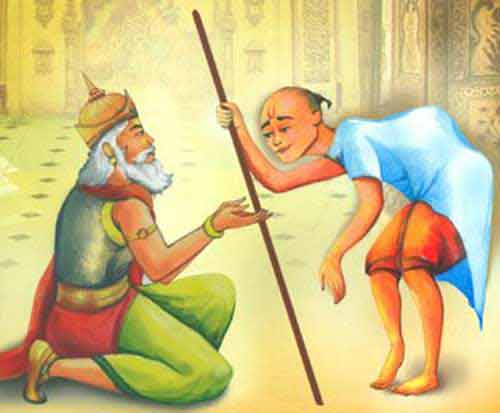
𑌅𑌷𑍍𑌟𑌾𑌵𑌕𑍍𑌰 𑌗𑍀𑌤𑌾 is a 20-chapter dialogue of uncompromising 𑌅𑌦𑍍𑌵𑍈𑌤, where 𑌅𑌷𑍍𑌟𑌾𑌵𑌕𑍍𑌰's terse instructions and 𑌜𑌨𑌕's responses repeatedly circle one liberation: you are the awareness that knows experience, not the body-mind that is experienced. The text is famous for its directness - it often speaks from the standpoint of freedom and then asks you to notice, again and again, how bondage is only the habit of identification.
In the previous chapters, the foundation and the first recognition are laid. Chapter 1 begins with 𑌜𑌨𑌕's questions about 𑌜𑍍𑌞𑌾𑌨, 𑌮𑍁𑌕𑍍𑌤𑌿, and 𑌵𑍈𑌰𑌾𑌗𑍍𑌯, and 𑌅𑌷𑍍𑌟𑌾𑌵𑌕𑍍𑌰 responds by pairing ethical steadiness with direct inquiry into the witness (𑌸𑌾𑌕𑍍𑌷𑍀). Chapter 2 then becomes 𑌜𑌨𑌕's "afterglow" chapter: he declares the non-dual vision through metaphors (wave-water, pot-clay, rope-snake) and loosens ownership and fear by seeing the world as appearance in awareness rather than a second reality.
Seen as a whole, Chapter 3 is a diagnostic chapter meant to convert insight into character. It asks, repeatedly, why the mind still runs as if poor after knowing the imperishable Self; it points to projection and superimposition as the hidden engine of craving; and it insists that freedom includes 𑌵𑌾𑌸𑌨𑌾-weakening, not merely philosophical agreement.
𑌅𑌷𑍍𑌟𑌾𑌵𑌕𑍍𑌰 𑌉𑌵𑌾𑌚 ॥
𑌅𑌵𑌿𑌨𑌾𑌶𑌿𑌨𑌮𑌾𑌤𑍍𑌮𑌾𑌨𑌮𑍇𑌕𑌂 𑌵𑌿𑌜𑍍𑌞𑌾𑌯 𑌤𑌤𑍍𑌤𑍍𑌵𑌤𑌃 ।
𑌤𑌵𑌾𑌤𑍍𑌮𑌜𑍍𑌞𑌾𑌨𑌸𑍍𑌯 𑌧𑍀𑌰𑌸𑍍𑌯 𑌕𑌥𑌮𑌰𑍍𑌥𑌾𑌰𑍍𑌜𑌨𑍇 𑌰𑌤𑌿𑌃 ॥ 3-1॥
Translation (𑌭𑌾𑌵𑌾𑌰𑍍𑌥):
Ashtavakra said: If you have truly known the one, imperishable Self, how can a steady, Self-knowing person still delight in acquiring wealth?
𑌆𑌤𑍍𑌮𑌾𑌜𑍍𑌞𑌾𑌨𑌾𑌦𑌹𑍋 𑌪𑍍𑌰𑍀𑌤𑌿𑌰𑍍𑌵𑌿𑌷𑌯𑌭𑍍𑌰𑌮𑌗𑍋𑌚𑌰𑍇 ।
𑌶𑍁𑌕𑍍𑌤𑍇𑌰𑌜𑍍𑌞𑌾𑌨𑌤𑍋 𑌲𑍋𑌭𑍋 𑌯𑌥𑌾 𑌰𑌜𑌤𑌵𑌿𑌭𑍍𑌰𑌮𑍇 ॥ 3-2॥
Translation (𑌭𑌾𑌵𑌾𑌰𑍍𑌥):
Ah! From ignorance of the Self arises attachment to the world of sense-objects and their illusions - just as greed arises from not knowing nacre and mistaking it for silver.
𑌵𑌿𑌶𑍍𑌵𑌂 𑌸𑍍𑌫𑍁𑌰𑌤𑌿 𑌯𑌤𑍍𑌰𑍇𑌦𑌂 𑌤𑌰𑌂𑌗𑌾 𑌇𑌵 𑌸𑌾𑌗𑌰𑍇 ।
𑌸𑍋𑌽𑌹𑌮𑌸𑍍𑌮𑍀𑌤𑌿 𑌵𑌿𑌜𑍍𑌞𑌾𑌯 𑌕𑌿𑌂 𑌦𑍀𑌨 𑌇𑌵 𑌧𑌾𑌵𑌸𑌿 ॥ 3-3॥
Translation (𑌭𑌾𑌵𑌾𑌰𑍍𑌥):
In you the world appears like waves in the ocean. Knowing "I am That", why do you still run about as if you were helpless and poor?
𑌶𑍍𑌰𑍁𑌤𑍍𑌵𑌾𑌪𑌿 𑌶𑍁𑌦𑍍𑌧𑌚𑍈𑌤𑌨𑍍𑌯 𑌆𑌤𑍍𑌮𑌾𑌨𑌮𑌤𑌿𑌸𑍁𑌂𑌦𑌰𑌮𑍍 ।
𑌉𑌪𑌸𑍍𑌥𑍇𑌽𑌤𑍍𑌯𑌂𑌤𑌸𑌂𑌸𑌕𑍍𑌤𑍋 𑌮𑌾𑌲𑌿𑌨𑍍𑌯𑌮𑌧𑌿𑌗𑌚𑍍𑌛𑌤𑌿 ॥ 3-4॥
Translation (𑌭𑌾𑌵𑌾𑌰𑍍𑌥):
Even after hearing that the Self is pure consciousness and supremely beautiful, one who becomes intensely attached to lust falls into impurity.
𑌸𑌰𑍍𑌵𑌭𑍂𑌤𑍇𑌷𑍁 𑌚𑌾𑌤𑍍𑌮𑌾𑌨𑌂 𑌸𑌰𑍍𑌵𑌭𑍂𑌤𑌾𑌨𑌿 𑌚𑌾𑌤𑍍𑌮𑌨𑌿 ।
𑌮𑍁𑌨𑍇𑌰𑍍𑌜𑌾𑌨𑌤 𑌆𑌶𑍍𑌚𑌰𑍍𑌯𑌂 𑌮𑌮𑌤𑍍𑌵𑌮𑌨𑍁𑌵𑌰𑍍𑌤𑌤𑍇 ॥ 3-5॥
Translation (𑌭𑌾𑌵𑌾𑌰𑍍𑌥):
Even for one who knows the Self in all beings and all beings in the Self, it is strange that possessiveness - the sense of "mine" - can still continue.
𑌆𑌸𑍍𑌥𑌿𑌤𑌃 𑌪𑌰𑌮𑌾𑌦𑍍𑌵𑍈𑌤𑌂 𑌮𑍋𑌕𑍍𑌷𑌾𑌰𑍍𑌥𑍇𑌽𑌪𑌿 𑌵𑍍𑌯𑌵𑌸𑍍𑌥𑌿𑌤𑌃 ।
𑌆𑌶𑍍𑌚𑌰𑍍𑌯𑌂 𑌕𑌾𑌮𑌵𑌶𑌗𑍋 𑌵𑌿𑌕𑌲𑌃 𑌕𑍇𑌲𑌿𑌶𑌿𑌕𑍍𑌷𑌯𑌾 ॥ 3-6॥
Translation (𑌭𑌾𑌵𑌾𑌰𑍍𑌥):
Even one established in the highest non-duality and committed to liberation - it is strange if such a person is still overpowered by desire and weakened by habitual pleasure-seeking.
𑌉𑌦𑍍𑌭𑍂𑌤𑌂 𑌜𑍍𑌞𑌾𑌨𑌦𑍁𑌰𑍍𑌮𑌿𑌤𑍍𑌰𑌮𑌵𑌧𑌾𑌰𑍍𑌯𑌾𑌤𑌿𑌦𑍁𑌰𑍍𑌬𑌲𑌃 ।
𑌆𑌶𑍍𑌚𑌰𑍍𑌯𑌂 𑌕𑌾𑌮𑌮𑌾𑌕𑌾𑌂𑌕𑍍𑌷𑍇𑌤𑍍 𑌕𑌾𑌲𑌮𑌂𑌤𑌮𑌨𑍁𑌶𑍍𑌰𑌿𑌤𑌃 ॥ 3-॥
Translation (𑌭𑌾𑌵𑌾𑌰𑍍𑌥):
Having understood that desire is the enemy of knowledge, it is strange that even one who is extremely weak and near the end of life would still long for desire.
𑌇𑌹𑌾𑌮𑍁𑌤𑍍𑌰 𑌵𑌿𑌰𑌕𑍍𑌤𑌸𑍍𑌯 𑌨𑌿𑌤𑍍𑌯𑌾𑌨𑌿𑌤𑍍𑌯𑌵𑌿𑌵𑍇𑌕𑌿𑌨𑌃 ।
𑌆𑌶𑍍𑌚𑌰𑍍𑌯𑌂 𑌮𑍋𑌕𑍍𑌷𑌕𑌾𑌮𑌸𑍍𑌯 𑌮𑍋𑌕𑍍𑌷𑌾𑌦𑍍 𑌏𑌵 𑌵𑌿𑌭𑍀𑌷𑌿𑌕𑌾 ॥ 3-॥
Translation (𑌭𑌾𑌵𑌾𑌰𑍍𑌥):
For one who is dispassionate here and hereafter, and who discerns the eternal from the non-eternal, it is strange if the very one who seeks liberation still feels fear of liberation.
𑌧𑍀𑌰𑌸𑍍𑌤𑍁 𑌭𑍋𑌜𑍍𑌯𑌮𑌾𑌨𑍋𑌽𑌪𑌿 𑌪𑍀𑌡𑍍𑌯𑌮𑌾𑌨𑍋𑌽𑌪𑌿 𑌸𑌰𑍍𑌵𑌦𑌾 ।
𑌆𑌤𑍍𑌮𑌾𑌨𑌂 𑌕𑍇𑌵𑌲𑌂 𑌪𑌶𑍍𑌯𑌨𑍍 𑌨 𑌤𑍁𑌷𑍍𑌯𑌤𑌿 𑌨 𑌕𑍁𑌪𑍍𑌯𑌤𑌿 ॥ 3-॥
Translation (𑌭𑌾𑌵𑌾𑌰𑍍𑌥):
The wise person, whether treated well or badly, always sees only the Self. Such a person is neither inflated with pleasure nor provoked into anger.
𑌚𑍇𑌷𑍍𑌟𑌮𑌾𑌨𑌂 𑌶𑌰𑍀𑌰𑌂 𑌸𑍍𑌵𑌂 𑌪𑌶𑍍𑌯𑌤𑍍𑌯𑌨𑍍𑌯𑌶𑌰𑍀𑌰𑌵𑌤𑍍 ।
𑌸𑌂𑌸𑍍𑌤𑌵𑍇 𑌚𑌾𑌪𑌿 𑌨𑌿𑌂𑌦𑌾𑌯𑌾𑌂 𑌕𑌥𑌂 𑌕𑍍𑌷𑍁𑌭𑍍𑌯𑍇𑌤𑍍 𑌮𑌹𑌾𑌶𑌯𑌃 ॥ 3-10॥
Translation (𑌭𑌾𑌵𑌾𑌰𑍍𑌥):
Seeing one's own body acting as if it were another's body, how could the great-souled person be disturbed by praise or blame?
𑌮𑌾𑌯𑌾𑌮𑌾𑌤𑍍𑌰𑌮𑌿𑌦𑌂 𑌵𑌿𑌶𑍍𑌵𑌂 𑌪𑌶𑍍𑌯𑌨𑍍 𑌵𑌿𑌗𑌤𑌕𑍌𑌤𑍁𑌕𑌃 ।
𑌅𑌪𑌿 𑌸𑌨𑍍𑌨𑌿𑌹𑌿𑌤𑍇 𑌮𑍃𑌤𑍍𑌯𑍌 𑌕𑌥𑌂 𑌤𑍍𑌰𑌸𑍍𑌯𑌤𑌿 𑌧𑍀𑌰𑌧𑍀𑌃 ॥ 3-11॥
Translation (𑌭𑌾𑌵𑌾𑌰𑍍𑌥):
Seeing this universe as mere appearance and free of fascination, how could the steady-minded person fear even when death is near?
𑌨𑌿𑌃𑌸𑍍𑌪𑍃𑌹𑌂 𑌮𑌾𑌨𑌸𑌂 𑌯𑌸𑍍𑌯 𑌨𑍈𑌰𑌾𑌶𑍍𑌯𑍇𑌽𑌪𑌿 𑌮𑌹𑌾𑌤𑍍𑌮𑌨𑌃 ।
𑌤𑌸𑍍𑌯𑌾𑌤𑍍𑌮𑌜𑍍𑌞𑌾𑌨𑌤𑍃𑌪𑍍𑌤𑌸𑍍𑌯 𑌤𑍁𑌲𑌨𑌾 𑌕𑍇𑌨 𑌜𑌾𑌯𑌤𑍇 ॥ 3-12॥
Translation (𑌭𑌾𑌵𑌾𑌰𑍍𑌥):
For the great-souled one whose mind is free from craving even without hope, and who is satisfied through Self-knowledge, with whom could such a person be compared?
𑌸𑍍𑌵𑌭𑌾𑌵𑌾𑌦𑍍 𑌏𑌵 𑌜𑌾𑌨𑌾𑌨𑍋 𑌦𑍃𑌶𑍍𑌯𑌮𑍇𑌤𑌨𑍍𑌨 𑌕𑌿𑌂𑌚𑌨 ।
𑌇𑌦𑌂 𑌗𑍍𑌰𑌾𑌹𑍍𑌯𑌮𑌿𑌦𑌂 𑌤𑍍𑌯𑌾𑌜𑍍𑌯𑌂 𑌸 𑌕𑌿𑌂 𑌪𑌶𑍍𑌯𑌤𑌿 𑌧𑍀𑌰𑌧𑍀𑌃 ॥ 3-13॥
Translation (𑌭𑌾𑌵𑌾𑌰𑍍𑌥):
Knowing naturally that what is perceived is not ultimate, what does the steady-minded person see as something to grasp or to reject?
𑌅𑌂𑌤𑌸𑍍𑌤𑍍𑌯𑌕𑍍𑌤𑌕𑌷𑌾𑌯𑌸𑍍𑌯 𑌨𑌿𑌰𑍍𑌦𑍍𑌵𑌂𑌦𑍍𑌵𑌸𑍍𑌯 𑌨𑌿𑌰𑌾𑌶𑌿𑌷𑌃 ।
𑌯𑌦𑍃𑌚𑍍𑌛𑌯𑌾𑌗𑌤𑍋 𑌭𑍋𑌗𑍋 𑌨 𑌦𑍁𑌃𑌖𑌾𑌯 𑌨 𑌤𑍁𑌷𑍍𑌟𑌯𑍇 ॥ 3-14॥
Translation (𑌭𑌾𑌵𑌾𑌰𑍍𑌥):
For one who has dropped inner taints, is free from opposites, and has no demands, the enjoyment that comes by chance is neither a cause of sorrow nor a cause of egoic elation.
Browse Related Categories: