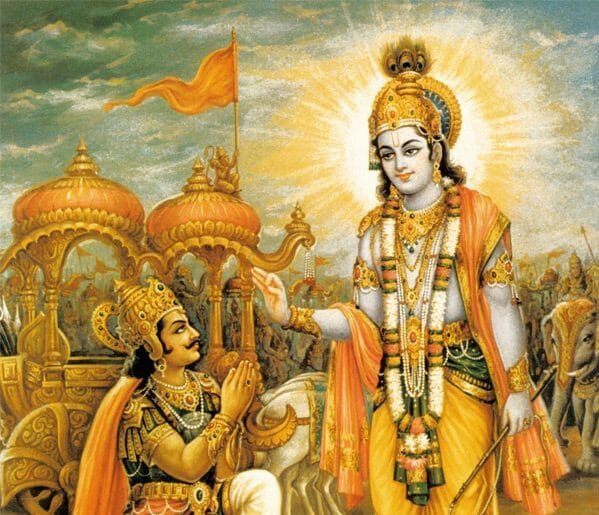
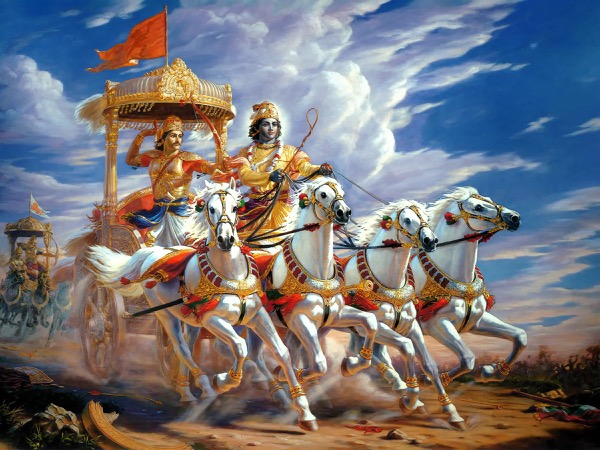
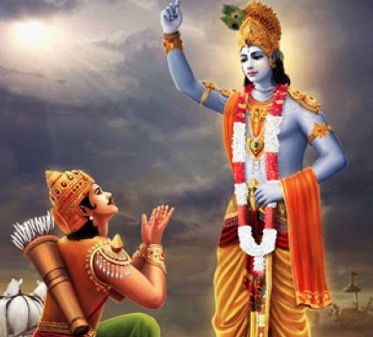
The thirteenth chapter of the Bhagavad Gita, titled 𑌕𑍍𑌷𑍇𑌤𑍍𑌰𑌕𑍍𑌷𑍇𑌤𑍍𑌰𑌜𑍍𑌞𑌵𑌿𑌭𑌾𑌗𑌯𑍋𑌗𑌃 (Kshetra-Kshetrajna Vibhaga 𑌯𑍋𑌗), opens with the echo of war drums on the fields of 𑌕𑍁𑌰𑍁𑌕𑍍𑌷𑍇𑌤𑍍𑌰. Here, in the heart of the 𑌮𑌹𑌾𑌭𑌾𑌰𑌤 epic, 𑌶𑍍𑌰𑍀𑌕𑍃𑌷𑍍𑌣 and 𑌅𑌰𑍍𑌜𑍁𑌨 continue their profound dialogue, surrounded by the armies of the 𑌪𑌾𑌂𑌡𑌵𑌾𑌃 and 𑌕𑍌𑌰𑌵𑌾𑌃.
This chapter's central theme is the distinction between the physical body (𑌕𑍍𑌷𑍇𑌤𑍍𑌰) and the conscious self (𑌕𑍍𑌷𑍇𑌤𑍍𑌰𑌜𑍍𑌞). 𑌶𑍍𑌰𑍀𑌕𑍃𑌷𑍍𑌣 explains that the body, with all its sensations, memories, and desires, is like a field-ever-changing, subject to birth and decay. The true self, the 𑌆𑌤𑍍𑌮𑌾, is the knower of this field: silent, aware, untouched by time.
Looking ahead, the next chapter will dive deeper into the three fundamental qualities-𑌗𑍁𑌣s-that shape human nature and behavior. But before that, 𑌶𑍍𑌰𑍀𑌕𑍃𑌷𑍍𑌣 lays the groundwork here, helping 𑌅𑌰𑍍𑌜𑍁𑌨 (and all of us) understand the difference between what we experience and the one who experiences. It is a call to wake up to our own awareness, to see ourselves not just as actors in the world, but as the silent witness behind it all.
𑌓𑌂 𑌶𑍍𑌰𑍀 𑌪𑌰𑌮𑌾𑌤𑍍𑌮𑌨𑍇 𑌨𑌮𑌃
𑌅𑌥 𑌤𑍍𑌰𑌯𑍋𑌦𑌶𑍋𑌽𑌧𑍍𑌯𑌾𑌯𑌃
𑌕𑍍𑌷𑍇𑌤𑍍𑌰𑌕𑍍𑌷𑍇𑌤𑍍𑌰𑌜𑍍𑌞𑌵𑌿𑌭𑌾𑌗𑌯𑍋𑌗𑌃
Translation (𑌭𑌾𑌵𑌾𑌰𑍍𑌥):
Om. Salutations to the Supreme Self. Now begins the thirteenth chapter, called 'The Yoga of the Distinction between the Field and the Knower of the Field.'
𑌅𑌰𑍍𑌜𑍁𑌨 𑌉𑌵𑌾𑌚
𑌪𑍍𑌰𑌕𑍃𑌤𑌿𑌂 𑌪𑍁𑌰𑍁𑌷𑌂 𑌚𑍈𑌵 𑌕𑍍𑌷𑍇𑌤𑍍𑌰𑌂 𑌕𑍍𑌷𑍇𑌤𑍍𑌰𑌜𑍍𑌞𑌮𑍇𑌵 𑌚 ।
𑌏𑌤𑌤𑍍 𑌵𑍇𑌦𑌿𑌤𑍁𑌮𑌿𑌚𑍍𑌛𑌾𑌮𑌿 𑌜𑍍𑌞𑌾𑌨𑌂 𑌜𑍍𑌞𑍇𑌯𑌂 𑌚 𑌕𑍇𑌶𑌵 ॥0॥
Translation (𑌭𑌾𑌵𑌾𑌰𑍍𑌥):
Arjuna said: O Kesava, I wish to understand what is meant by nature and spirit, the field and its knower, as well as knowledge and what should be known.
𑌶𑍍𑌰𑍀 𑌭𑌗𑌵𑌾𑌨𑍁𑌵𑌾𑌚
𑌇𑌦𑌂 𑌶𑌰𑍀𑌰𑌂 𑌕𑍌𑌂𑌤𑍇𑌯 𑌕𑍍𑌷𑍇𑌤𑍍𑌰𑌮𑌿𑌤𑍍𑌯𑌭𑌿𑌧𑍀𑌯𑌤𑍇 ।
𑌏𑌤𑌦𑍍𑌯𑍋 𑌵𑍇𑌤𑍍𑌤𑌿 𑌤𑌂 𑌪𑍍𑌰𑌾𑌹𑍁𑌃 𑌕𑍍𑌷𑍇𑌤𑍍𑌰𑌜𑍍𑌞 𑌇𑌤𑌿 𑌤𑌦𑍍𑌵𑌿𑌦𑌃 ॥1॥
Translation (𑌭𑌾𑌵𑌾𑌰𑍍𑌥):
The Blessed Lord said: Arjuna, this body is referred to as the field. One who understands this field is called the knower of the field by those who are wise.
𑌕𑍍𑌷𑍇𑌤𑍍𑌰𑌜𑍍𑌞𑌂 𑌚𑌾𑌪𑌿 𑌮𑌾𑌂 𑌵𑌿𑌦𑍍𑌧𑌿 𑌸𑌰𑍍𑌵𑌕𑍍𑌷𑍇𑌤𑍍𑌰𑍇𑌷𑍁 𑌭𑌾𑌰𑌤 ।
𑌕𑍍𑌷𑍇𑌤𑍍𑌰𑌕𑍍𑌷𑍇𑌤𑍍𑌰𑌜𑍍𑌞𑌯𑍋𑌰𑍍𑌜𑍍𑌞𑌾𑌨𑌂 𑌯𑌤𑍍𑌤𑌜𑍍𑌜𑍍𑌞𑌾𑌨𑌂 𑌮𑌤𑌂 𑌮𑌮 ॥2॥
Translation (𑌭𑌾𑌵𑌾𑌰𑍍𑌥):
Know, Arjuna, that I am the knower of the field in all bodies. Understanding the distinction between the field and its knower is what I consider to be true knowledge.
𑌤𑌤𑍍𑌕𑍍𑌷𑍇𑌤𑍍𑌰𑌂 𑌯𑌚𑍍𑌚 𑌯𑌾𑌦𑍃𑌕𑍍𑌚 𑌯𑌦𑍍𑌵𑌿𑌕𑌾𑌰𑌿 𑌯𑌤𑌶𑍍𑌚 𑌯𑌤𑍍 ।
𑌸 𑌚 𑌯𑍋 𑌯𑌤𑍍𑌪𑍍𑌰𑌭𑌾𑌵𑌶𑍍𑌚 𑌤𑌤𑍍𑌸𑌮𑌾𑌸𑍇𑌨 𑌮𑍇 𑌶𑍃𑌣𑍁 ॥3॥
Translation (𑌭𑌾𑌵𑌾𑌰𑍍𑌥):
Now listen as I explain to you, in brief, what the field is, its nature, its changes, its origin, and also who the knower of the field is and what powers they possess.
𑌋𑌷𑌿𑌭𑌿𑌰𑍍𑌬𑌹𑍁𑌧𑌾 𑌗𑍀𑌤𑌂 𑌛𑌂𑌦𑍋𑌭𑌿𑌰𑍍𑌵𑌿𑌵𑌿𑌧𑍈𑌃 𑌪𑍃𑌥𑌕𑍍 ।
𑌬𑍍𑌰𑌹𑍍𑌮𑌸𑍂𑌤𑍍𑌰𑌪𑌦𑍈𑌶𑍍𑌚𑍈𑌵 𑌹𑍇𑌤𑍁𑌮𑌦𑍍𑌭𑌿𑌰𑍍𑌵𑌿𑌨𑌿𑌶𑍍𑌚𑌿𑌤𑍈𑌃 ॥4॥
Translation (𑌭𑌾𑌵𑌾𑌰𑍍𑌥):
The sages have explained this subject in many ways, using diverse Vedic hymns and also through the logical and definitive statements of the Brahma Sutras.
𑌮𑌹𑌾𑌭𑍂𑌤𑌾𑌨𑍍𑌯𑌹𑌂𑌕𑌾𑌰𑌃 𑌬𑍁𑌦𑍍𑌧𑌿𑌰𑌵𑍍𑌯𑌕𑍍𑌤𑌮𑍇𑌵 𑌚 ।
𑌇𑌂𑌦𑍍𑌰𑌿𑌯𑌾𑌣𑌿 𑌦𑌶𑍈𑌕𑌂 𑌚 𑌪𑌂𑌚 𑌚𑍇𑌂𑌦𑍍𑌰𑌿𑌯𑌗𑍋𑌚𑌰𑌾𑌃 ॥5॥
Translation (𑌭𑌾𑌵𑌾𑌰𑍍𑌥):
The five great elements, the sense of ego, the intellect, the unmanifest, the ten senses and the mind, and the five objects of the senses-these together make up the field.
𑌇𑌚𑍍𑌛𑌾 𑌦𑍍𑌵𑍇𑌷𑌃 𑌸𑍁𑌖𑌂 𑌦𑍁𑌃𑌖𑌂 𑌸𑌂𑌘𑌾𑌤𑌶𑍍𑌚𑍇𑌤𑌨𑌾 𑌧𑍃𑌤𑌿𑌃 ।
𑌏𑌤𑌤𑍍𑌕𑍍𑌷𑍇𑌤𑍍𑌰𑌂 𑌸𑌮𑌾𑌸𑍇𑌨 𑌸𑌵𑌿𑌕𑌾𑌰𑌮𑍁𑌦𑌾𑌹𑍃𑌤𑌮𑍍 ॥6॥
Translation (𑌭𑌾𑌵𑌾𑌰𑍍𑌥):
Desire, aversion, pleasure, pain, the physical body as an aggregate, consciousness, and steadfastness-these, along with their various changes, are briefly described as the field.
𑌅𑌮𑌾𑌨𑌿𑌤𑍍𑌵𑌮𑌦𑌂𑌭𑌿𑌤𑍍𑌵𑌮𑍍 𑌅𑌹𑌿𑌂𑌸𑌾 𑌕𑍍𑌷𑌾𑌂𑌤𑌿𑌰𑌾𑌰𑍍𑌜𑌵𑌮𑍍 ।
𑌆𑌚𑌾𑌰𑍍𑌯𑍋𑌪𑌾𑌸𑌨𑌂 𑌶𑍌𑌚𑌂 𑌸𑍍𑌥𑍈𑌰𑍍𑌯𑌮𑌾𑌤𑍍𑌮𑌵𑌿𑌨𑌿𑌗𑍍𑌰𑌹𑌃 ॥॥
Translation (𑌭𑌾𑌵𑌾𑌰𑍍𑌥):
Humility, honesty, non-violence, patience, sincerity, devotion to one's teacher, cleanliness, steadiness, and self-control are qualities that make up the field of experience.
𑌇𑌂𑌦𑍍𑌰𑌿𑌯𑌾𑌰𑍍𑌥𑍇𑌷𑍁 𑌵𑍈𑌰𑌾𑌗𑍍𑌯𑌮𑍍 𑌅𑌨𑌹𑌂𑌕𑌾𑌰 𑌏𑌵 𑌚 ।
𑌜𑌨𑍍𑌮𑌮𑍃𑌤𑍍𑌯𑍁𑌜𑌰𑌾𑌵𑍍𑌯𑌾𑌧𑌿-𑌦𑍁𑌃𑌖𑌦𑍋𑌷𑌾𑌨𑍁𑌦𑌰𑍍𑌶𑌨𑌮𑍍 ॥॥
Translation (𑌭𑌾𑌵𑌾𑌰𑍍𑌥):
Detachment from the pleasures of the senses, freedom from pride, and the steady awareness of the pain and flaws found in birth, death, aging, and illness-these are qualities of knowledge.
𑌅𑌸𑌕𑍍𑌤𑌿𑌰𑌨𑌭𑌿𑌷𑍍𑌵𑌂𑌗𑌃 𑌪𑍁𑌤𑍍𑌰𑌦𑌾𑌰𑌗𑍃𑌹𑌾𑌦𑌿𑌷𑍁 ।
𑌨𑌿𑌤𑍍𑌯𑌂 𑌚 𑌸𑌮𑌚𑌿𑌤𑍍𑌤𑌤𑍍𑌵𑌮𑍍 𑌇𑌷𑍍𑌟𑌾𑌨𑌿𑌷𑍍𑌟𑍋𑌪𑌪𑌤𑍍𑌤𑌿𑌷𑍁 ॥॥
Translation (𑌭𑌾𑌵𑌾𑌰𑍍𑌥):
Freedom from attachment and possessiveness regarding children, spouse, home, and similar things; always maintaining a balanced mind in both favorable and unfavorable situations.
𑌮𑌯𑌿 𑌚𑌾𑌨𑌨𑍍𑌯𑌯𑍋𑌗𑍇𑌨 𑌭𑌕𑍍𑌤𑌿𑌰𑌵𑍍𑌯𑌭𑌿𑌚𑌾𑌰𑌿𑌣𑍀 ।
𑌵𑌿𑌵𑌿𑌕𑍍𑌤𑌦𑍇𑌶𑌸𑍇𑌵𑌿𑌤𑍍𑌵𑌮𑍍 𑌅𑌰𑌤𑌿𑌰𑍍𑌜𑌨𑌸𑌂𑌸𑌦𑌿 ॥10॥
Translation (𑌭𑌾𑌵𑌾𑌰𑍍𑌥):
Unwavering devotion to Me through exclusive yoga, a preference for quiet and solitary places, and a lack of attraction to crowds or social gatherings.
𑌅𑌧𑍍𑌯𑌾𑌤𑍍𑌮𑌜𑍍𑌞𑌾𑌨𑌨𑌿𑌤𑍍𑌯𑌤𑍍𑌵𑌂 𑌤𑌤𑍍𑌤𑍍𑌵𑌜𑍍𑌞𑌾𑌨𑌾𑌰𑍍𑌥𑌦𑌰𑍍𑌶𑌨𑌮𑍍 ।
𑌏𑌤𑌜𑍍𑌜𑍍𑌞𑌾𑌨𑌮𑌿𑌤𑌿 𑌪𑍍𑌰𑍋𑌕𑍍𑌤𑌮𑍍 𑌅𑌜𑍍𑌞𑌾𑌨𑌂 𑌯𑌦𑌤𑍋𑌽𑌨𑍍𑌯𑌥𑌾 ॥11॥
Translation (𑌭𑌾𑌵𑌾𑌰𑍍𑌥):
Steadfastness in the pursuit of self-knowledge, and the understanding of the true purpose behind wisdom-these are declared to be knowledge. Anything contrary to this is considered ignorance.
𑌜𑍍𑌞𑍇𑌯𑌂 𑌯𑌤𑍍𑌤𑌤𑍍𑌪𑍍𑌰𑌵𑌕𑍍𑌷𑍍𑌯𑌾𑌮𑌿 𑌯𑌜𑍍𑌜𑍍𑌞𑌾𑌤𑍍𑌵𑌾𑌽𑌮𑍃𑌤𑌮𑌶𑍍𑌨𑍁𑌤𑍇 ।
𑌅𑌨𑌾𑌦𑌿𑌮𑌤𑍍𑌪𑌰𑌂 𑌬𑍍𑌰𑌹𑍍𑌮 𑌨 𑌸𑌤𑍍𑌤𑌨𑍍𑌨𑌾𑌸𑌦𑍁𑌚𑍍𑌯𑌤𑍇 ॥12॥
Translation (𑌭𑌾𑌵𑌾𑌰𑍍𑌥):
I will now describe that which is to be known, by knowing which one attains immortality. It is the beginningless Supreme Brahman, which is neither called being nor non-being.
𑌸𑌰𑍍𑌵𑌤𑌃 𑌪𑌾𑌣𑌿𑌪𑌾𑌦𑌂 𑌤𑌤𑍍 𑌸𑌰𑍍𑌵𑌤𑍋𑌽𑌕𑍍𑌷𑌿𑌶𑌿𑌰𑍋𑌮𑍁𑌖𑌮𑍍 ।
𑌸𑌰𑍍𑌵𑌤𑌃 𑌶𑍍𑌰𑍁𑌤𑌿𑌮𑌲𑍍𑌲𑍋𑌕𑍇 𑌸𑌰𑍍𑌵𑌮𑌾𑌵𑍃𑌤𑍍𑌯 𑌤𑌿𑌷𑍍𑌠𑌤𑌿 ॥13॥
Translation (𑌭𑌾𑌵𑌾𑌰𑍍𑌥):
That Supreme Reality has hands and feet everywhere, eyes, heads, and mouths in all directions, and ears throughout the world. Pervading everything, it remains present in all.
𑌸𑌰𑍍𑌵𑍇𑌂𑌦𑍍𑌰𑌿𑌯𑌗𑍁𑌣𑌾𑌭𑌾𑌸𑌂 𑌸𑌰𑍍𑌵𑍇𑌂𑌦𑍍𑌰𑌿𑌯𑌵𑌿𑌵𑌰𑍍𑌜𑌿𑌤𑌮𑍍 ।
𑌅𑌸𑌕𑍍𑌤𑌂 𑌸𑌰𑍍𑌵𑌭𑍃𑌚𑍍𑌚𑍈𑌵 𑌨𑌿𑌰𑍍𑌗𑍁𑌣𑌂 𑌗𑍁𑌣𑌭𑍋𑌕𑍍𑌤𑍃 𑌚 ॥14॥
Translation (𑌭𑌾𑌵𑌾𑌰𑍍𑌥):
That which appears as the activity of all senses, yet is itself without any senses, remains unattached, supports everything, is beyond all qualities, and yet experiences the play of qualities.
𑌬𑌹𑌿𑌰𑌂𑌤𑌶𑍍𑌚 𑌭𑍂𑌤𑌾𑌨𑌾𑌮𑍍 𑌅𑌚𑌰𑌂 𑌚𑌰𑌮𑍇𑌵 𑌚 ।
𑌸𑍂𑌕𑍍𑌷𑍍𑌮𑌤𑍍𑌵𑌾𑌤𑍍𑌤𑌦𑌵𑌿𑌜𑍍𑌞𑍇𑌯𑌂 𑌦𑍂𑌰𑌸𑍍𑌥𑌂 𑌚𑌾𑌂𑌤𑌿𑌕𑍇 𑌚 𑌤𑌤𑍍 ॥15॥
Translation (𑌭𑌾𑌵𑌾𑌰𑍍𑌥):
That which exists both outside and inside all beings, which is both unmoving and moving, is so subtle that it cannot be easily known. It is far away yet also very close.
𑌅𑌵𑌿𑌭𑌕𑍍𑌤𑌂 𑌚 𑌭𑍂𑌤𑍇𑌷𑍁 𑌵𑌿𑌭𑌕𑍍𑌤𑌮𑌿𑌵 𑌚 𑌸𑍍𑌥𑌿𑌤𑌮𑍍 ।
𑌭𑍂𑌤𑌭𑌰𑍍𑌤𑍃 𑌚 𑌤𑌜𑍍𑌜𑍍𑌞𑍇𑌯𑌂 𑌗𑍍𑌰𑌸𑌿𑌷𑍍𑌣𑍁 𑌪𑍍𑌰𑌭𑌵𑌿𑌷𑍍𑌣𑍁 𑌚 ॥16॥
Translation (𑌭𑌾𑌵𑌾𑌰𑍍𑌥):
That which is to be known appears undivided in all beings, yet seems divided among them. It is present as the sustainer of all, and is both the absorber and the source of all beings.
𑌜𑍍𑌯𑍋𑌤𑌿𑌷𑌾𑌮𑌪𑌿 𑌤𑌜𑍍𑌜𑍍𑌯𑍋𑌤𑌿𑌃 𑌤𑌮𑌸𑌃 𑌪𑌰𑌮𑍁𑌚𑍍𑌯𑌤𑍇 ।
𑌜𑍍𑌞𑌾𑌨𑌂 𑌜𑍍𑌞𑍇𑌯𑌂 𑌜𑍍𑌞𑌾𑌨𑌗𑌮𑍍𑌯𑌂 𑌹𑍃𑌦𑌿 𑌸𑌰𑍍𑌵𑌸𑍍𑌯 𑌵𑌿𑌷𑍍𑌠𑌿𑌤𑌮𑍍 ॥1॥
Translation (𑌭𑌾𑌵𑌾𑌰𑍍𑌥):
That which is the light of all lights, said to be beyond darkness, is known as knowledge, the object to be known, and attainable through knowledge. It dwells in the heart of every being.
𑌇𑌤𑌿 𑌕𑍍𑌷𑍇𑌤𑍍𑌰𑌂 𑌤𑌥𑌾 𑌜𑍍𑌞𑌾𑌨𑌂 𑌜𑍍𑌞𑍇𑌯𑌂 𑌚𑍋𑌕𑍍𑌤𑌂 𑌸𑌮𑌾𑌸𑌤𑌃 ।
𑌮𑌦𑍍𑌭𑌕𑍍𑌤 𑌏𑌤𑌦𑍍𑌵𑌿𑌜𑍍𑌞𑌾𑌯 𑌮𑌦𑍍𑌭𑌾𑌵𑌾𑌯𑍋𑌪𑌪𑌦𑍍𑌯𑌤𑍇 ॥1॥
Translation (𑌭𑌾𑌵𑌾𑌰𑍍𑌥):
Thus, the field, knowledge, and the knowable have been concisely explained. Whoever, being devoted to me, truly understands this, becomes fit to attain my own state of being.
𑌪𑍍𑌰𑌕𑍃𑌤𑌿𑌂 𑌪𑍁𑌰𑍁𑌷𑌂 𑌚𑍈𑌵 𑌵𑌿𑌦𑍍𑌧𑍍𑌯𑌨𑌾𑌦𑍀 𑌉𑌭𑌾𑌵𑌪𑌿 ।
𑌵𑌿𑌕𑌾𑌰𑌾𑌂𑌶𑍍𑌚 𑌗𑍁𑌣𑌾𑌂𑌶𑍍𑌚𑍈𑌵 𑌵𑌿𑌦𑍍𑌧𑌿 𑌪𑍍𑌰𑌕𑍃𑌤𑌿𑌸𑌂𑌭𑌵𑌾𑌨𑍍 ॥1॥
Translation (𑌭𑌾𑌵𑌾𑌰𑍍𑌥):
Understand that both material nature and the conscious self are without beginning. Also know that all changes and qualities arise from material nature.
𑌕𑌾𑌰𑍍𑌯𑌕𑌰𑌣𑌕𑌰𑍍𑌤𑍃𑌤𑍍𑌵𑍇 𑌹𑍇𑌤𑍁𑌃 𑌪𑍍𑌰𑌕𑍃𑌤𑌿𑌰𑍁𑌚𑍍𑌯𑌤𑍇 ।
𑌪𑍁𑌰𑍁𑌷𑌃 𑌸𑍁𑌖𑌦𑍁𑌃𑌖𑌾𑌨𑌾𑌂 𑌭𑍋𑌕𑍍𑌤𑍃𑌤𑍍𑌵𑍇 𑌹𑍇𑌤𑍁𑌰𑍁𑌚𑍍𑌯𑌤𑍇 ॥20॥
Translation (𑌭𑌾𑌵𑌾𑌰𑍍𑌥):
Nature is described as the source of action, the instruments of action, and the sense of agency. The self is considered the cause of experiencing pleasure and pain.
𑌪𑍁𑌰𑍁𑌷𑌃 𑌪𑍍𑌰𑌕𑍃𑌤𑌿𑌸𑍍𑌥𑍋 𑌹𑌿 𑌭𑍁𑌂𑌕𑍍𑌤𑍇 𑌪𑍍𑌰𑌕𑍃𑌤𑌿𑌜𑌾𑌨𑍍𑌗𑍁𑌣𑌾𑌨𑍍 ।
𑌕𑌾𑌰𑌣𑌂 𑌗𑍁𑌣𑌸𑌂𑌗𑍋𑌽𑌸𑍍𑌯 𑌸𑌦𑌸𑌦𑍍𑌯𑍋𑌨𑌿𑌜𑌨𑍍𑌮𑌸𑍁 ॥21॥
Translation (𑌭𑌾𑌵𑌾𑌰𑍍𑌥):
The individual self, residing in material nature, certainly experiences the qualities that arise from nature. Attachment to these qualities is the cause for its birth in both favorable and unfavorable forms.
𑌉𑌪𑌦𑍍𑌰𑌷𑍍𑌟𑌾𑌽𑌨𑍁𑌮𑌂𑌤𑌾 𑌚 𑌭𑌰𑍍𑌤𑌾 𑌭𑍋𑌕𑍍𑌤𑌾 𑌮𑌹𑍇𑌶𑍍𑌵𑌰𑌃 ।
𑌪𑌰𑌮𑌾𑌤𑍍𑌮𑍇𑌤𑌿 𑌚𑌾𑌪𑍍𑌯𑍁𑌕𑍍𑌤𑌃 𑌦𑍇𑌹𑍇𑌽𑌸𑍍𑌮𑌿𑌨𑍍𑌪𑍁𑌰𑍁𑌷𑌃 𑌪𑌰𑌃 ॥22॥
Translation (𑌭𑌾𑌵𑌾𑌰𑍍𑌥):
Within this body, the supreme person is described as the witness, the one who permits, the supporter, the experiencer, the ultimate lord, and the supreme self. Though present in the body, this higher self remains distinct and beyond material nature.
𑌯 𑌏𑌵𑌂 𑌵𑍇𑌤𑍍𑌤𑌿 𑌪𑍁𑌰𑍁𑌷𑌂 𑌪𑍍𑌰𑌕𑍃𑌤𑌿𑌂 𑌚 𑌗𑍁𑌣𑍈𑌃 𑌸𑌹 ।
𑌸𑌰𑍍𑌵𑌥𑌾 𑌵𑌰𑍍𑌤𑌮𑌾𑌨𑍋𑌽𑌪𑌿 𑌨 𑌸 𑌭𑍂𑌯𑍋𑌽𑌭𑌿𑌜𑌾𑌯𑌤𑍇 ॥23॥
Translation (𑌭𑌾𑌵𑌾𑌰𑍍𑌥):
Whoever truly understands both the conscious Self and material nature, along with its qualities, and recognizes their relationship, such a person, even while living and acting in every possible way, is not born again.
𑌧𑍍𑌯𑌾𑌨𑍇𑌨𑌾𑌤𑍍𑌮𑌨𑌿 𑌪𑌶𑍍𑌯𑌂𑌤𑌿 𑌕𑍇𑌚𑌿𑌦𑌾𑌤𑍍𑌮𑌾𑌨𑌮𑌾𑌤𑍍𑌮𑌨𑌾 ।
𑌅𑌨𑍍𑌯𑍇 𑌸𑌾𑌂𑌖𑍍𑌯𑍇𑌨 𑌯𑍋𑌗𑍇𑌨 𑌕𑌰𑍍𑌮𑌯𑍋𑌗𑍇𑌨 𑌚𑌾𑌪𑌰𑍇 ॥24॥
Translation (𑌭𑌾𑌵𑌾𑌰𑍍𑌥):
Some people realize the self within themselves through meditation. Others come to this understanding by following the path of knowledge, some through disciplined practice, and still others by selfless action.
𑌅𑌨𑍍𑌯𑍇 𑌤𑍍𑌵𑍇𑌵𑌮𑌜𑌾𑌨𑌂𑌤𑌃 𑌶𑍍𑌰𑍁𑌤𑍍𑌵𑌾𑌽𑌨𑍍𑌯𑍇𑌭𑍍𑌯 𑌉𑌪𑌾𑌸𑌤𑍇 ।
𑌤𑍇𑌽𑌪𑌿 𑌚𑌾𑌤𑌿𑌤𑌰𑌂𑌤𑍍𑌯𑍇𑌵 𑌮𑍃𑌤𑍍𑌯𑍁𑌂 𑌶𑍍𑌰𑍁𑌤𑌿𑌪𑌰𑌾𑌯𑌣𑌾𑌃 ॥25॥
Translation (𑌭𑌾𑌵𑌾𑌰𑍍𑌥):
Others, even without direct knowledge, hear from those who know and follow what they have learned with dedication. By sincerely practicing what the scriptures teach, they too cross beyond death and the cycle of rebirth.
𑌯𑌾𑌵𑌤𑍍𑌸𑌂𑌜𑌾𑌯𑌤𑍇 𑌕𑌿𑌂𑌚𑌿𑌤𑍍 𑌸𑌤𑍍𑌤𑍍𑌵𑌂 𑌸𑍍𑌥𑌾𑌵𑌰𑌜𑌂𑌗𑌮𑌮𑍍 ।
𑌕𑍍𑌷𑍇𑌤𑍍𑌰𑌕𑍍𑌷𑍇𑌤𑍍𑌰𑌜𑍍𑌞𑌸𑌂𑌯𑍋𑌗𑌾𑌤𑍍 𑌤𑌦𑍍𑌵𑌿𑌦𑍍𑌧𑌿 𑌭𑌰𑌤𑌰𑍍𑌷𑌭 ॥26॥
Translation (𑌭𑌾𑌵𑌾𑌰𑍍𑌥):
O Arjuna, know that every living or non-living being that comes into existence, no matter how small, is born from the union of the field and the knower of the field.
𑌸𑌮𑌂 𑌸𑌰𑍍𑌵𑍇𑌷𑍁 𑌭𑍂𑌤𑍇𑌷𑍁 𑌤𑌿𑌷𑍍𑌠𑌂𑌤𑌂 𑌪𑌰𑌮𑍇𑌶𑍍𑌵𑌰𑌮𑍍 ।
𑌵𑌿𑌨𑌶𑍍𑌯𑌤𑍍𑌸𑍍𑌵𑌵𑌿𑌨𑌶𑍍𑌯𑌂𑌤𑌂 𑌯𑌃 𑌪𑌶𑍍𑌯𑌤𑌿 𑌸 𑌪𑌶𑍍𑌯𑌤𑌿 ॥2॥
Translation (𑌭𑌾𑌵𑌾𑌰𑍍𑌥):
Whoever perceives the Supreme Lord abiding equally in all beings, remaining unchanged even as they perish, truly sees reality.
𑌸𑌮𑌂 𑌪𑌶𑍍𑌯𑌨𑍍𑌹𑌿 𑌸𑌰𑍍𑌵𑌤𑍍𑌰 𑌸𑌮𑌵𑌸𑍍𑌥𑌿𑌤𑌮𑍀𑌶𑍍𑌵𑌰𑌮𑍍 ।
𑌨 𑌹𑌿𑌨𑌸𑍍𑌤𑍍𑌯𑌾𑌤𑍍𑌮𑌨𑌾𑌽𑌽𑌤𑍍𑌮𑌾𑌨𑌂 𑌤𑌤𑍋 𑌯𑌾𑌤𑌿 𑌪𑌰𑌾𑌂 𑌗𑌤𑌿𑌮𑍍 ॥2॥
Translation (𑌭𑌾𑌵𑌾𑌰𑍍𑌥):
Whoever truly sees that the Supreme Lord is equally present in all beings and remains unchanged even as bodies perish, such a person does not harm themselves by their own actions and ultimately reaches the highest state.
𑌪𑍍𑌰𑌕𑍃𑌤𑍍𑌯𑍈𑌵 𑌚 𑌕𑌰𑍍𑌮𑌾𑌣𑌿 𑌕𑍍𑌰𑌿𑌯𑌮𑌾𑌣𑌾𑌨𑌿 𑌸𑌰𑍍𑌵𑌶𑌃 ।
𑌯𑌃 𑌪𑌶𑍍𑌯𑌤𑌿 𑌤𑌥𑌾𑌽𑌽𑌤𑍍𑌮𑌾𑌨𑌮𑍍 𑌅𑌕𑌰𑍍𑌤𑌾𑌰𑌂 𑌸 𑌪𑌶𑍍𑌯𑌤𑌿 ॥2॥
Translation (𑌭𑌾𑌵𑌾𑌰𑍍𑌥):
Whoever perceives that all actions are carried out entirely by nature, and recognizes the self as not the true agent, truly sees things as they are.
𑌯𑌦𑌾 𑌭𑍂𑌤𑌪𑍃𑌥𑌗𑍍𑌭𑌾𑌵𑌮𑍍 𑌏𑌕𑌸𑍍𑌥𑌮𑌨𑍁𑌪𑌶𑍍𑌯𑌤𑌿 ।
𑌤𑌤 𑌏𑌵 𑌚 𑌵𑌿𑌸𑍍𑌤𑌾𑌰𑌂 𑌬𑍍𑌰𑌹𑍍𑌮 𑌸𑌂𑌪𑌦𑍍𑌯𑌤𑍇 𑌤𑌦𑌾 ॥30॥
Translation (𑌭𑌾𑌵𑌾𑌰𑍍𑌥):
When a person perceives that the separate existences of all beings are rooted in the One and that their expansion comes from that same source, then they truly attain the Absolute.
𑌅𑌨𑌾𑌦𑌿𑌤𑍍𑌵𑌾𑌨𑍍𑌨𑌿𑌰𑍍𑌗𑍁𑌣𑌤𑍍𑌵𑌾𑌤𑍍 𑌪𑌰𑌮𑌾𑌤𑍍𑌮𑌾𑌯𑌮𑌵𑍍𑌯𑌯𑌃 ।
𑌶𑌰𑍀𑌰𑌸𑍍𑌥𑍋𑌽𑌪𑌿 𑌕𑍌𑌂𑌤𑍇𑌯 𑌨 𑌕𑌰𑍋𑌤𑌿 𑌨 𑌲𑌿𑌪𑍍𑌯𑌤𑍇 ॥31॥
Translation (𑌭𑌾𑌵𑌾𑌰𑍍𑌥):
Because the supreme Self is without beginning and beyond material qualities, even though it resides in the body, O Arjuna, it neither acts nor is tainted by actions.
𑌯𑌥𑌾 𑌸𑌰𑍍𑌵𑌗𑌤𑌂 𑌸𑍌𑌕𑍍𑌷𑍍𑌮𑍍𑌯𑌾𑌤𑍍 𑌆𑌕𑌾𑌶𑌂 𑌨𑍋𑌪𑌲𑌿𑌪𑍍𑌯𑌤𑍇 ।
𑌸𑌰𑍍𑌵𑌤𑍍𑌰𑌾𑌵𑌸𑍍𑌥𑌿𑌤𑍋 𑌦𑍇𑌹𑍇 𑌤𑌥𑌾𑌽𑌽𑌤𑍍𑌮𑌾 𑌨𑍋𑌪𑌲𑌿𑌪𑍍𑌯𑌤𑍇 ॥32॥
Translation (𑌭𑌾𑌵𑌾𑌰𑍍𑌥):
Just as space, being extremely subtle and present everywhere, is never tainted by anything it contains, so too the Self, though present in every body, remains untouched and unaffected.
𑌯𑌥𑌾 𑌪𑍍𑌰𑌕𑌾𑌶𑌯𑌤𑍍𑌯𑍇𑌕𑌃 𑌕𑍃𑌤𑍍𑌸𑍍𑌨𑌂 𑌲𑍋𑌕𑌮𑌿𑌮𑌂 𑌰𑌵𑌿𑌃 ।
𑌕𑍍𑌷𑍇𑌤𑍍𑌰𑌂 𑌕𑍍𑌷𑍇𑌤𑍍𑌰𑍀 𑌤𑌥𑌾 𑌕𑍃𑌤𑍍𑌸𑍍𑌨𑌂 𑌪𑍍𑌰𑌕𑌾𑌶𑌯𑌤𑌿 𑌭𑌾𑌰𑌤 ॥33॥
Translation (𑌭𑌾𑌵𑌾𑌰𑍍𑌥):
Just as the single sun lights up the entire world, so too, O Arjuna, the knower of the body illuminates the whole field of the body.
𑌕𑍍𑌷𑍇𑌤𑍍𑌰𑌕𑍍𑌷𑍇𑌤𑍍𑌰𑌜𑍍𑌞𑌯𑍋𑌰𑍇𑌵𑌮𑍍 𑌅𑌂𑌤𑌰𑌂 𑌜𑍍𑌞𑌾𑌨𑌚𑌕𑍍𑌷𑍁𑌷𑌾 ।
𑌭𑍂𑌤𑌪𑍍𑌰𑌕𑍃𑌤𑌿𑌮𑍋𑌕𑍍𑌷𑌂 𑌚 𑌯𑍇 𑌵𑌿𑌦𑍁𑌰𑍍𑌯𑌾𑌂𑌤𑌿 𑌤𑍇 𑌪𑌰𑌮𑍍 ॥34॥
Translation (𑌭𑌾𑌵𑌾𑌰𑍍𑌥):
Those who, through the eye of wisdom, recognize the true distinction between the field and the knower of the field, and also understand how beings are bound and liberated from material nature, they alone reach the highest reality.
॥ 𑌓𑌂 𑌤𑌤𑍍𑌸𑌦𑌿𑌤𑌿 𑌶𑍍𑌰𑍀𑌮𑌦𑍍𑌭𑌗𑌵𑌦𑍍𑌗𑍀𑌤𑌾𑌸𑍁 𑌉𑌪𑌨𑌿𑌷𑌤𑍍𑌸𑍁 𑌬𑍍𑌰𑌹𑍍𑌮𑌵𑌿𑌦𑍍𑌯𑌾𑌯𑌾𑌂
𑌯𑍋𑌗𑌶𑌾𑌸𑍍𑌤𑍍𑌰𑍇 𑌶𑍍𑌰𑍀𑌕𑍃𑌷𑍍𑌣𑌾𑌰𑍍𑌜𑍁𑌨𑌸𑌂𑌵𑌾𑌦𑍇 𑌕𑍍𑌷𑍇𑌤𑍍𑌰𑌕𑍍𑌷𑍇𑌤𑍍𑌰𑌜𑍍𑌞𑌵𑌿𑌭𑌾𑌗𑌯𑍋𑌗𑍋 𑌨𑌾𑌮 𑌤𑍍𑌰𑌯𑍋𑌦𑌶𑍋𑌽𑌧𑍍𑌯𑌾𑌯𑌃 ॥
Translation (𑌭𑌾𑌵𑌾𑌰𑍍𑌥):
Thus ends the thirteenth chapter, called The Yoga of the Distinction between the Field and the Knower of the Field, in the revered Bhagavad Gita, which is a dialogue between Sri Krishna and Arjuna, and is a scripture of yoga and knowledge of the ultimate reality, among the Upanishads.
Browse Related Categories: