𑌅𑌷𑍍𑌟𑌾𑌵𑌕𑍍𑌰 𑌗𑍀𑌤𑌾 is a 20-chapter dialogue of direct 𑌅𑌦𑍍𑌵𑍈𑌤, moving from questions to recognition to the quiet stabilization of freedom. Its repeated teaching is simple: you are the awareness that knows experience, not the body-mind that is experienced. The aim is not to build a new spiritual identity, but to dissolve the old habit of identification that produces fear, craving, and inner struggle.
In the previous chapters, this recognition has been approached from many angles. Chapter 1 points to the witness (𑌸𑌾𑌕𑍍𑌷𑍀) and warns against compulsive attachment to 𑌵𑌿𑌷𑌯s. Chapters 2-4 describe recognition and its lived texture. Chapters 5-9 emphasize 𑌲𑌯 and the dropping of grasping and renouncing, and Chapter 10 presses dispassion further by calling 𑌤𑍃𑌷𑍍𑌣𑌾 the essence of bondage.
Seen as a whole, Chapter 12 is a chapter of "resting as is." It shows the aftermath of clarity: aversion to noisy busyness, fading attraction to sensory distraction, and the dropping of the constant inner project of achieving a special state. The refrain is not laziness; it is the taste of freedom that comes when the mind stops bargaining with reality and stops trying to turn spirituality into another achievement.
𑌜𑌨𑌕 𑌉𑌵𑌾𑌚 ॥
𑌕𑌾𑌯𑌕𑍃𑌤𑍍𑌯𑌾𑌸𑌹𑌃 𑌪𑍂𑌰𑍍𑌵𑌂 𑌤𑌤𑍋 𑌵𑌾𑌗𑍍𑌵𑌿𑌸𑍍𑌤𑌰𑌾𑌸𑌹𑌃 ।
𑌅𑌥 𑌚𑌿𑌂𑌤𑌾𑌸𑌹𑌸𑍍𑌤𑌸𑍍𑌮𑌾𑌦𑍍 𑌏𑌵𑌮𑍇𑌵𑌾𑌹𑌮𑌾𑌸𑍍𑌥𑌿𑌤𑌃 ॥ 12-1॥
Translation (𑌭𑌾𑌵𑌾𑌰𑍍𑌥):
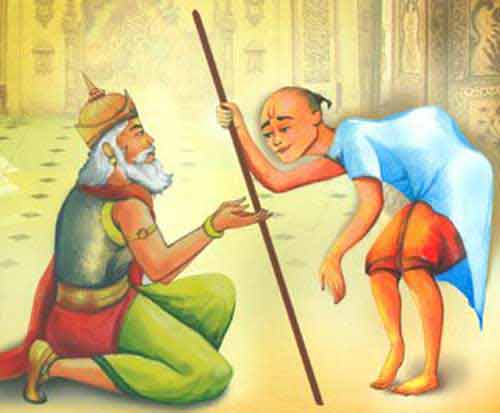
Janaka said: Earlier I grew weary of bodily busyness; then I grew weary of excessive speech; then I grew weary of constant thinking. Therefore, in this way, I abide.
𑌪𑍍𑌰𑍀𑌤𑍍𑌯𑌭𑌾𑌵𑍇𑌨 𑌶𑌬𑍍𑌦𑌾𑌦𑍇𑌰𑌦𑍃𑌶𑍍𑌯𑌤𑍍𑌵𑍇𑌨 𑌚𑌾𑌤𑍍𑌮𑌨𑌃 ।
𑌵𑌿𑌕𑍍𑌷𑍇𑌪𑍈𑌕𑌾𑌗𑍍𑌰𑌹𑍃𑌦𑌯 𑌏𑌵𑌮𑍇𑌵𑌾𑌹𑌮𑌾𑌸𑍍𑌥𑌿𑌤𑌃 ॥ 12-2॥
Translation (𑌭𑌾𑌵𑌾𑌰𑍍𑌥):
Because there is no attraction to sound and other sense-objects, and because the Self is not a visible object, my mind is free from both distraction and forced concentration. Thus I abide.
𑌸𑌮𑌾𑌧𑍍𑌯𑌾𑌸𑌾𑌦𑌿𑌵𑌿𑌕𑍍𑌷𑌿𑌪𑍍𑌤𑍌 𑌵𑍍𑌯𑌵𑌹𑌾𑌰𑌃 𑌸𑌮𑌾𑌧𑌯𑍇 ।
𑌏𑌵𑌂 𑌵𑌿𑌲𑍋𑌕𑍍𑌯 𑌨𑌿𑌯𑌮𑌮𑍇𑌵𑌮𑍇𑌵𑌾𑌹𑌮𑌾𑌸𑍍𑌥𑌿𑌤𑌃 ॥ 12-3॥
Translation (𑌭𑌾𑌵𑌾𑌰𑍍𑌥):
When one becomes distracted even by samAdhi and such pursuits, one turns to worldly activity for the sake of settling. Seeing this pattern, I abide as I am.
𑌹𑍇𑌯𑍋𑌪𑌾𑌦𑍇𑌯𑌵𑌿𑌰𑌹𑌾𑌦𑍍 𑌏𑌵𑌂 𑌹𑌰𑍍𑌷𑌵𑌿𑌷𑌾𑌦𑌯𑍋𑌃 ।
𑌅𑌭𑌾𑌵𑌾𑌦𑌦𑍍𑌯 𑌹𑍇 𑌬𑍍𑌰𑌹𑍍𑌮𑌨𑍍𑌨𑍍 𑌏𑌵𑌮𑍇𑌵𑌾𑌹𑌮𑌾𑌸𑍍𑌥𑌿𑌤𑌃 ॥ 12-4॥
Translation (𑌭𑌾𑌵𑌾𑌰𑍍𑌥):
Because the inner habit of "reject this / accept that" has dropped, and because elation and dejection have faded, O Brahman, today I abide thus.
𑌆𑌶𑍍𑌰𑌮𑌾𑌨𑌾𑌶𑍍𑌰𑌮𑌂 𑌧𑍍𑌯𑌾𑌨𑌂 𑌚𑌿𑌤𑍍𑌤𑌸𑍍𑌵𑍀𑌕𑍃𑌤𑌵𑌰𑍍𑌜𑌨𑌮𑍍 ।
𑌵𑌿𑌕𑌲𑍍𑌪𑌂 𑌮𑌮 𑌵𑍀𑌕𑍍𑌷𑍍𑌯𑍈𑌤𑍈𑌰𑍇𑌵𑌮𑍇𑌵𑌾𑌹𑌮𑌾𑌸𑍍𑌥𑌿𑌤𑌃 ॥ 12-5॥
Translation (𑌭𑌾𑌵𑌾𑌰𑍍𑌥):
Seeing as imagination the alternatives of ashrama or no ashrama, meditation, and taking or rejecting mental discipline, I abide thus.
𑌕𑌰𑍍𑌮𑌾𑌨𑍁𑌷𑍍𑌠𑌾𑌨𑌮𑌜𑍍𑌞𑌾𑌨𑌾𑌦𑍍 𑌯𑌥𑍈𑌵𑍋𑌪𑌰𑌮𑌸𑍍𑌤𑌥𑌾 ।
𑌬𑍁𑌧𑍍𑌵𑌾 𑌸𑌮𑍍𑌯𑌗𑌿𑌦𑌂 𑌤𑌤𑍍𑌤𑍍𑌵𑌮𑍇𑌵𑌮𑍇𑌵𑌾𑌹𑌮𑌾𑌸𑍍𑌥𑌿𑌤𑌃 ॥ 12-6॥
Translation (𑌭𑌾𑌵𑌾𑌰𑍍𑌥):
Seeing that compulsive action arises from ignorance and that it naturally ceases when ignorance is understood, and understanding this truth rightly, I abide thus.
𑌅𑌚𑌿𑌂𑌤𑍍𑌯𑌂 𑌚𑌿𑌂𑌤𑍍𑌯𑌮𑌾𑌨𑍋𑌽𑌪𑌿 𑌚𑌿𑌂𑌤𑌾𑌰𑍂𑌪𑌂 𑌭𑌜𑌤𑍍𑌯𑌸𑍌 ।
𑌤𑍍𑌯𑌕𑍍𑌤𑍍𑌵𑌾 𑌤𑌦𑍍𑌭𑌾𑌵𑌨𑌂 𑌤𑌸𑍍𑌮𑌾𑌦𑍍 𑌏𑌵𑌮𑍇𑌵𑌾𑌹𑌮𑌾𑌸𑍍𑌥𑌿𑌤𑌃 ॥ 12-॥
Translation (𑌭𑌾𑌵𑌾𑌰𑍍𑌥):
Even the unthinkable, when it is thought about, becomes only a thought-form. Therefore, giving up that kind of contemplation, I abide thus.
𑌏𑌵𑌮𑍇𑌵 𑌕𑍃𑌤𑌂 𑌯𑍇𑌨 𑌸 𑌕𑍃𑌤𑌾𑌰𑍍𑌥𑍋 𑌭𑌵𑍇𑌦𑌸𑍌 ।
𑌏𑌵𑌮𑍇𑌵 𑌸𑍍𑌵𑌭𑌾𑌵𑍋 𑌯𑌃 𑌸 𑌕𑍃𑌤𑌾𑌰𑍍𑌥𑍋 𑌭𑌵𑍇𑌦𑌸𑍌 ॥ 12-॥
Translation (𑌭𑌾𑌵𑌾𑌰𑍍𑌥):
The one by whom this is done is fulfilled; and the one whose natural state is like this is fulfilled.
Browse Related Categories: