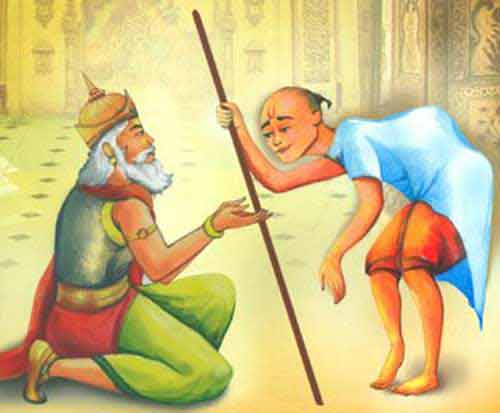
𑌅𑌷𑍍𑌟𑌾𑌵𑌕𑍍𑌰 𑌗𑍀𑌤𑌾 is a 20-chapter dialogue of direct 𑌅𑌦𑍍𑌵𑍈𑌤 that repeatedly turns attention from changing experiences to the changeless witness. Its verses are short, but they aim at something practical: ending the inner compulsion to grasp, resist, and constantly defend an identity. When that compulsion drops, life is still lived - but lived with far less fear, comparison, and self-made suffering.
In the previous chapters, the dialogue has steadily refined what freedom means. Chapters 1-4 establish the witness standpoint (𑌸𑌾𑌕𑍍𑌷𑍀) and show that dispassion is not dryness but freedom from addiction to 𑌵𑌿𑌷𑌯s. Chapters 5-15 keep dissolving doership and mental fixation: the teacher warns against craving and status, and then points to a growing ease where effort, inner argument, and even spiritual ambition fall away.
Seen as a whole, Chapter 17 is a portrait of the "ordinary miracle" of freedom: a mind that is not pushed around by pleasure and fear, praise and blame, gain and loss. It does not say the wise become inactive; it says their actions are no longer fueled by craving, and their reactions no longer build a self-story.
𑌅𑌷𑍍𑌟𑌾𑌵𑌕𑍍𑌰 𑌉𑌵𑌾𑌚 ॥
𑌤𑍇𑌨 𑌜𑍍𑌞𑌾𑌨𑌫𑌲𑌂 𑌪𑍍𑌰𑌾𑌪𑍍𑌤𑌂 𑌯𑍋𑌗𑌾𑌭𑍍𑌯𑌾𑌸𑌫𑌲𑌂 𑌤𑌥𑌾 ।
𑌤𑍃𑌪𑍍𑌤𑌃 𑌸𑍍𑌵𑌚𑍍𑌛𑍇𑌂𑌦𑍍𑌰𑌿𑌯𑍋 𑌨𑌿𑌤𑍍𑌯𑌮𑍇𑌕𑌾𑌕𑍀 𑌰𑌮𑌤𑍇 𑌤𑍁 𑌯𑌃 ॥ 1-1॥
Translation (𑌭𑌾𑌵𑌾𑌰𑍍𑌥):
The one who is content, with clear senses and an inward solitude, naturally delights. For such a one, the true fruits of knowledge and practice are already attained.
𑌨 𑌕𑌦𑌾𑌚𑌿𑌜𑍍𑌜𑌗𑌤𑍍𑌯𑌸𑍍𑌮𑌿𑌨𑍍 𑌤𑌤𑍍𑌤𑍍𑌵𑌜𑍍𑌞𑍋 𑌹𑌂𑌤 𑌖𑌿𑌦𑍍𑌯𑌤𑌿 ।
𑌯𑌤 𑌏𑌕𑍇𑌨 𑌤𑍇𑌨𑍇𑌦𑌂 𑌪𑍂𑌰𑍍𑌣𑌂 𑌬𑍍𑌰𑌹𑍍𑌮𑌾𑌂𑌡𑌮𑌂𑌡𑌲𑌮𑍍 ॥ 1-2॥
Translation (𑌭𑌾𑌵𑌾𑌰𑍍𑌥):
The knower of truth is never inwardly distressed in this world, because they see the entire universe as pervaded and completed by the One reality.
𑌨 𑌜𑌾𑌤𑍁 𑌵𑌿𑌷𑌯𑌾𑌃 𑌕𑍇𑌽𑌪𑌿 𑌸𑍍𑌵𑌾𑌰𑌾𑌮𑌂 𑌹𑌰𑍍𑌷𑌯𑌂𑌤𑍍𑌯𑌮𑍀 ।
𑌸𑌲𑍍𑌲𑌕𑍀𑌪𑌲𑍍𑌲𑌵𑌪𑍍𑌰𑍀𑌤𑌮𑌿𑌵𑍇𑌭𑌂 𑌨𑌿𑌂𑌬𑌪𑌲𑍍𑌲𑌵𑌾𑌃 ॥ 1-3॥
Translation (𑌭𑌾𑌵𑌾𑌰𑍍𑌥):
Sense-objects can never truly delight the one who delights in the Self. It is like offering neem leaves to an elephant that enjoys more tender shoots.
𑌯𑌸𑍍𑌤𑍁 𑌭𑍋𑌗𑍇𑌷𑍁 𑌭𑍁𑌕𑍍𑌤𑍇𑌷𑍁 𑌨 𑌭𑌵𑌤𑍍𑌯𑌧𑌿𑌵𑌾𑌸𑌿𑌤𑌃 ।
𑌅𑌭𑍁𑌕𑍍𑌤𑍇𑌷𑍁 𑌨𑌿𑌰𑌾𑌕𑌾𑌂𑌕𑍍𑌷𑍀 𑌤𑌾𑌦𑍃𑌶𑍋 𑌭𑌵𑌦𑍁𑌰𑍍𑌲𑌭𑌃 ॥ 1-4॥
Translation (𑌭𑌾𑌵𑌾𑌰𑍍𑌥):
Rare is the person who is not inwardly "stained" by pleasures after enjoying them, and who does not crave the pleasures not yet enjoyed.
𑌬𑍁𑌭𑍁𑌕𑍍𑌷𑍁𑌰𑌿𑌹 𑌸𑌂𑌸𑌾𑌰𑍇 𑌮𑍁𑌮𑍁𑌕𑍍𑌷𑍁𑌰𑌪𑌿 𑌦𑍃𑌶𑍍𑌯𑌤𑍇 ।
𑌭𑍋𑌗𑌮𑍋𑌕𑍍𑌷𑌨𑌿𑌰𑌾𑌕𑌾𑌂𑌕𑍍𑌷𑍀 𑌵𑌿𑌰𑌲𑍋 𑌹𑌿 𑌮𑌹𑌾𑌶𑌯𑌃 ॥ 1-5॥
Translation (𑌭𑌾𑌵𑌾𑌰𑍍𑌥):
In this world we can see seekers of pleasure and seekers of liberation. But rare indeed is the great-souled one who craves neither enjoyment nor liberation.
𑌧𑌰𑍍𑌮𑌾𑌰𑍍𑌥𑌕𑌾𑌮𑌮𑍋𑌕𑍍𑌷𑍇𑌷𑍁 𑌜𑍀𑌵𑌿𑌤𑍇 𑌮𑌰𑌣𑍇 𑌤𑌥𑌾 ।
𑌕𑌸𑍍𑌯𑌾𑌪𑍍𑌯𑍁𑌦𑌾𑌰𑌚𑌿𑌤𑍍𑌤𑌸𑍍𑌯 𑌹𑍇𑌯𑍋𑌪𑌾𑌦𑍇𑌯𑌤𑌾 𑌨 𑌹𑌿 ॥ 1-6॥
Translation (𑌭𑌾𑌵𑌾𑌰𑍍𑌥):
For the noble-minded one, there is no compulsive "accept this / reject that" even regarding duty, gain, pleasure, liberation, life, or death.
𑌵𑌾𑌂𑌛𑌾 𑌨 𑌵𑌿𑌶𑍍𑌵𑌵𑌿𑌲𑌯𑍇 𑌨 𑌦𑍍𑌵𑍇𑌷𑌸𑍍𑌤𑌸𑍍𑌯 𑌚 𑌸𑍍𑌥𑌿𑌤𑍌 ।
𑌯𑌥𑌾 𑌜𑍀𑌵𑌿𑌕𑌯𑌾 𑌤𑌸𑍍𑌮𑌾𑌦𑍍 𑌧𑌨𑍍𑌯 𑌆𑌸𑍍𑌤𑍇 𑌯𑌥𑌾 𑌸𑍁𑌖𑌮𑍍 ॥ 1-॥
Translation (𑌭𑌾𑌵𑌾𑌰𑍍𑌥):
He does not long for the world to disappear, nor does he hate it for continuing. Therefore the blessed one lives at ease, sustaining life in whatever simple way.
𑌕𑍃𑌤𑌾𑌰𑍍𑌥𑍋𑌽𑌨𑍇𑌨 𑌜𑍍𑌞𑌾𑌨𑍇𑌨𑍇𑌤𑍍𑌯𑍇𑌵𑌂 𑌗𑌲𑌿𑌤𑌧𑍀𑌃 𑌕𑍃𑌤𑍀 ।
𑌪𑌶𑍍𑌯𑌨𑍍 𑌶𑍃𑌣𑍍𑌵𑌨𑍍 𑌸𑍍𑌪𑍃𑌶𑌨𑍍 𑌜𑌿𑌘𑍍𑌰𑌨𑍍𑌨𑍍
𑌅𑌶𑍍𑌨𑌨𑍍𑌨𑌾𑌸𑍍𑌤𑍇 𑌯𑌥𑌾 𑌸𑍁𑌖𑌮𑍍 ॥ 1-॥
Translation (𑌭𑌾𑌵𑌾𑌰𑍍𑌥):
Fulfilled by this knowledge and with the intellect's rigidity dissolved, the accomplished one lives at ease - seeing, hearing, touching, smelling, eating - simply as life happens.
𑌶𑍂𑌨𑍍𑌯𑌾 𑌦𑍃𑌷𑍍𑌟𑌿𑌰𑍍𑌵𑍃𑌥𑌾 𑌚𑍇𑌷𑍍𑌟𑌾 𑌵𑌿𑌕𑌲𑌾𑌨𑍀𑌂𑌦𑍍𑌰𑌿𑌯𑌾𑌣𑌿 𑌚 ।
𑌨 𑌸𑍍𑌪𑍃𑌹𑌾 𑌨 𑌵𑌿𑌰𑌕𑍍𑌤𑌿𑌰𑍍𑌵𑌾 𑌕𑍍𑌷𑍀𑌣𑌸𑌂𑌸𑌾𑌰𑌸𑌾𑌗𑌰𑍇 ॥ 1-॥
Translation (𑌭𑌾𑌵𑌾𑌰𑍍𑌥):
For one whose ocean of bondage has dried up, the gaze becomes empty of seeking, activity loses personal agenda, the senses become quiet, and there is neither craving nor even a need to cultivate dispassion.
𑌨 𑌜𑌾𑌗𑌰𑍍𑌤𑌿 𑌨 𑌨𑌿𑌦𑍍𑌰𑌾𑌤𑌿 𑌨𑍋𑌨𑍍𑌮𑍀𑌲𑌤𑌿 𑌨 𑌮𑍀𑌲𑌤𑌿 ।
𑌅𑌹𑍋 𑌪𑌰𑌦𑌶𑌾 𑌕𑍍𑌵𑌾𑌪𑌿 𑌵𑌰𑍍𑌤𑌤𑍇 𑌮𑍁𑌕𑍍𑌤𑌚𑍇𑌤𑌸𑌃 ॥ 1-10॥
Translation (𑌭𑌾𑌵𑌾𑌰𑍍𑌥):
He is neither awake nor asleep, neither opening nor closing. What an extraordinary state this is of the liberated mind!
𑌸𑌰𑍍𑌵𑌤𑍍𑌰 𑌦𑍃𑌶𑍍𑌯𑌤𑍇 𑌸𑍍𑌵𑌸𑍍𑌥𑌃 𑌸𑌰𑍍𑌵𑌤𑍍𑌰 𑌵𑌿𑌮𑌲𑌾𑌶𑌯𑌃 ।
𑌸𑌮𑌸𑍍𑌤𑌵𑌾𑌸𑌨𑌾 𑌮𑍁𑌕𑍍𑌤𑍋 𑌮𑍁𑌕𑍍𑌤𑌃 𑌸𑌰𑍍𑌵𑌤𑍍𑌰 𑌰𑌾𑌜𑌤𑍇 ॥ 1-11॥
Translation (𑌭𑌾𑌵𑌾𑌰𑍍𑌥):
Wherever he is, he is seen as steady and clear. Freed from all latent cravings and conditioning, the liberated one shines everywhere.
𑌪𑌶𑍍𑌯𑌨𑍍 𑌶𑍃𑌣𑍍𑌵𑌨𑍍 𑌸𑍍𑌪𑍃𑌶𑌨𑍍 𑌜𑌿𑌘𑍍𑌰𑌨𑍍𑌨𑍍 𑌅𑌶𑍍𑌨𑌨𑍍
𑌗𑍃𑌹𑍍𑌣𑌨𑍍 𑌵𑌦𑌨𑍍 𑌵𑍍𑌰𑌜𑌨𑍍 ।
𑌈𑌹𑌿𑌤𑌾𑌨𑍀𑌹𑌿𑌤𑍈𑌰𑍍𑌮𑍁𑌕𑍍𑌤𑍋 𑌮𑍁𑌕𑍍𑌤 𑌏𑌵 𑌮𑌹𑌾𑌶𑌯𑌃 ॥ 1-12॥
Translation (𑌭𑌾𑌵𑌾𑌰𑍍𑌥):
Even while seeing, hearing, touching, smelling, eating, receiving, speaking, and moving, the great-souled one remains free of the psychological knot of "I did this" and "I did not do that" - truly free.
𑌨 𑌨𑌿𑌂𑌦𑌤𑌿 𑌨 𑌚 𑌸𑍍𑌤𑍌𑌤𑌿 𑌨 𑌹𑍃𑌷𑍍𑌯𑌤𑌿 𑌨 𑌕𑍁𑌪𑍍𑌯𑌤𑌿 ।
𑌨 𑌦𑌦𑌾𑌤𑌿 𑌨 𑌗𑍃𑌹𑍍𑌣𑌾𑌤𑌿 𑌮𑍁𑌕𑍍𑌤𑌃 𑌸𑌰𑍍𑌵𑌤𑍍𑌰 𑌨𑍀𑌰𑌸𑌃 ॥ 1-13॥
Translation (𑌭𑌾𑌵𑌾𑌰𑍍𑌥):
He does not condemn or flatter, does not exult or rage. He is not trapped in the ego-stories of giving and taking. Liberated, he moves everywhere without personal agenda.
𑌸𑌾𑌨𑍁𑌰𑌾𑌗𑌾𑌂 𑌸𑍍𑌤𑍍𑌰𑌿𑌯𑌂 𑌦𑍃𑌷𑍍𑌟𑍍𑌵𑌾 𑌮𑍃𑌤𑍍𑌯𑍁𑌂 𑌵𑌾 𑌸𑌮𑍁𑌪𑌸𑍍𑌥𑌿𑌤𑌮𑍍 ।
𑌅𑌵𑌿𑌹𑍍𑌵𑌲𑌮𑌨𑌾𑌃 𑌸𑍍𑌵𑌸𑍍𑌥𑍋 𑌮𑍁𑌕𑍍𑌤 𑌏𑌵 𑌮𑌹𑌾𑌶𑌯𑌃 ॥ 1-14॥
Translation (𑌭𑌾𑌵𑌾𑌰𑍍𑌥):
Whether seeing strong attraction or seeing death close at hand, the great-souled one remains unshaken and steady - truly free.
𑌸𑍁𑌖𑍇 𑌦𑍁𑌃𑌖𑍇 𑌨𑌰𑍇 𑌨𑌾𑌰𑍍𑌯𑌾𑌂 𑌸𑌂𑌪𑌤𑍍𑌸𑍁 𑌚 𑌵𑌿𑌪𑌤𑍍𑌸𑍁 𑌚 ।
𑌵𑌿𑌶𑍇𑌷𑍋 𑌨𑍈𑌵 𑌧𑍀𑌰𑌸𑍍𑌯 𑌸𑌰𑍍𑌵𑌤𑍍𑌰 𑌸𑌮𑌦𑌰𑍍𑌶𑌿𑌨𑌃 ॥ 1-15॥
Translation (𑌭𑌾𑌵𑌾𑌰𑍍𑌥):
For the steady one with equal vision, there is no inner partiality based on pleasure and pain, man and woman, success and setback.
𑌨 𑌹𑌿𑌂𑌸𑌾 𑌨𑍈𑌵 𑌕𑌾𑌰𑍁𑌣𑍍𑌯𑌂 𑌨𑍌𑌦𑍍𑌧𑌤𑍍𑌯𑌂 𑌨 𑌚 𑌦𑍀𑌨𑌤𑌾 ।
𑌨𑌾𑌶𑍍𑌚𑌰𑍍𑌯𑌂 𑌨𑍈𑌵 𑌚 𑌕𑍍𑌷𑍋𑌭𑌃 𑌕𑍍𑌷𑍀𑌣𑌸𑌂𑌸𑌰𑌣𑍇 𑌨𑌰𑍇 ॥ 1-16॥
Translation (𑌭𑌾𑌵𑌾𑌰𑍍𑌥):
In the person whose bondage has worn out, there is neither cruelty nor sentimental pity, neither arrogance nor self-pity, neither amazement nor agitation.
𑌨 𑌮𑍁𑌕𑍍𑌤𑍋 𑌵𑌿𑌷𑌯𑌦𑍍𑌵𑍇𑌷𑍍𑌟𑌾 𑌨 𑌵𑌾 𑌵𑌿𑌷𑌯𑌲𑍋𑌲𑍁𑌪𑌃 ।
𑌅𑌸𑌂𑌸𑌕𑍍𑌤𑌮𑌨𑌾 𑌨𑌿𑌤𑍍𑌯𑌂 𑌪𑍍𑌰𑌾𑌪𑍍𑌤𑌾𑌪𑍍𑌰𑌾𑌪𑍍𑌤𑌮𑍁𑌪𑌾𑌶𑍍𑌨𑍁𑌤𑍇 ॥ 1-1॥
Translation (𑌭𑌾𑌵𑌾𑌰𑍍𑌥):
Liberation is not hatred of objects and not greedy chasing of them. With an unattached mind, one simply meets what comes - and does not suffer over what does not.
𑌸𑌮𑌾𑌧𑌾𑌨𑌾𑌸𑌮𑌾𑌧𑌾𑌨𑌹𑌿𑌤𑌾𑌹𑌿𑌤𑌵𑌿𑌕𑌲𑍍𑌪𑌨𑌾𑌃 ।
𑌶𑍂𑌨𑍍𑌯𑌚𑌿𑌤𑍍𑌤𑍋 𑌨 𑌜𑌾𑌨𑌾𑌤𑌿 𑌕𑍈𑌵𑌲𑍍𑌯𑌮𑌿𑌵 𑌸𑌂𑌸𑍍𑌥𑌿𑌤𑌃 ॥ 1-1॥
Translation (𑌭𑌾𑌵𑌾𑌰𑍍𑌥):
With the mind empty of conceptual dividing, he does not live by categories like composure and disturbance, good and bad. He abides as though in complete freedom.
𑌨𑌿𑌰𑍍𑌮𑌮𑍋 𑌨𑌿𑌰𑌹𑌂𑌕𑌾𑌰𑍋 𑌨 𑌕𑌿𑌂𑌚𑌿𑌦𑌿𑌤𑌿 𑌨𑌿𑌶𑍍𑌚𑌿𑌤𑌃 ।
𑌅𑌂𑌤𑌰𑍍𑌗𑌲𑌿𑌤𑌸𑌰𑍍𑌵𑌾𑌶𑌃 𑌕𑍁𑌰𑍍𑌵𑌨𑍍𑌨𑌪𑌿 𑌕𑌰𑍋𑌤𑌿 𑌨 ॥ 1-1॥
Translation (𑌭𑌾𑌵𑌾𑌰𑍍𑌥):
Free of possessiveness and ego, established in the certainty of "nothing belongs to me", with all expectation dissolved within, he may act - yet inwardly he does not feel "I am doing."
𑌮𑌨𑌃𑌪𑍍𑌰𑌕𑌾𑌶𑌸𑌂𑌮𑍋𑌹𑌸𑍍𑌵𑌪𑍍𑌨𑌜𑌾𑌡𑍍𑌯𑌵𑌿𑌵𑌰𑍍𑌜𑌿𑌤𑌃 ।
𑌦𑌶𑌾𑌂 𑌕𑌾𑌮𑌪𑌿 𑌸𑌂𑌪𑍍𑌰𑌾𑌪𑍍𑌤𑍋 𑌭𑌵𑍇𑌦𑍍 𑌗𑌲𑌿𑌤𑌮𑌾𑌨𑌸𑌃 ॥ 1-20॥
Translation (𑌭𑌾𑌵𑌾𑌰𑍍𑌥):
Free from the mind's games of "brightness" and confusion, from dreaminess and dullness, the one whose mind has dissolved can be in any state without bondage.
Browse Related Categories: