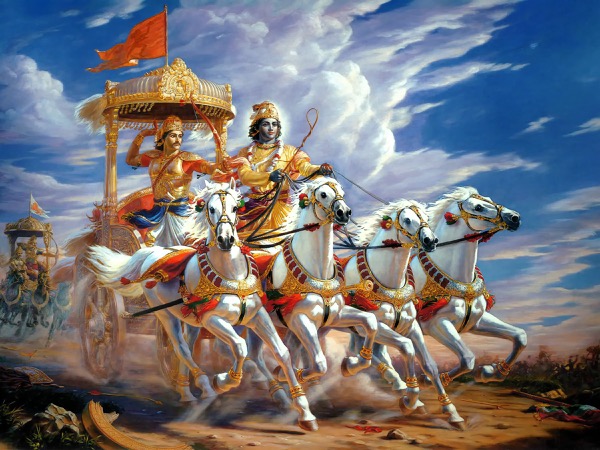
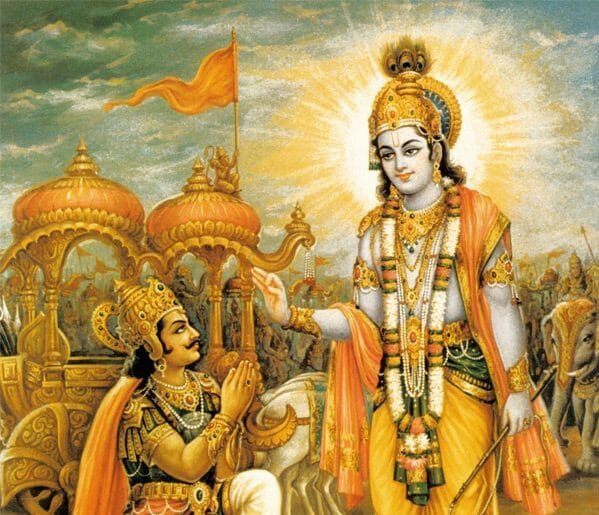
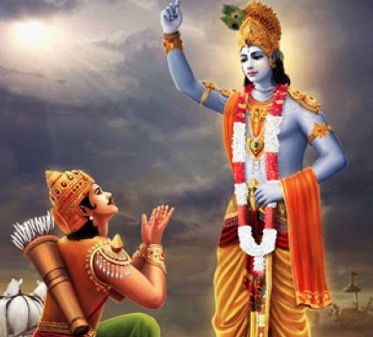
The eighteenth chapter of the Bhagavad Gita, called mōkṣasannyāsayōgaḥ or the yōga of Liberation and Renunciation, brings us to the powerful conclusion of the dialogue between śrīkṛṣṇa and arjuna. The setting remains the tense and sacred battlefield of kurukṣētra, where the armies of the pāṇḍavāḥ and the kauravāḥ stand ready for war.
Throughout the previous chapters, śrīkṛṣṇa has guided arjuna through the paths of action (karma-yōga), knowledge (jñāna-yōga), and devotion (bhakti-yōga). Chapter 17 explored the nature of faith and the subtle differences between actions performed with different intentions. Now, in Chapter 18, all these teachings are woven together.
With this chapter, the Gita's teachings reach their climax and closure. The verses ahead gather the whole message into a final synthesis: how to act without bondage, how to renounce without escaping, and how surrender to the Lord completes both jñāna and karma. The Gita ends not with abstraction, but with a call to choose dharma with courage and to live from inner freedom in the very middle of life.
ōṃ śrī paramātmanē namaḥ
atha aṣṭādaśō'dhyāyaḥ ।
mōkṣasannyāsayōgaḥ
Translation (bhāvārtha):
Om. Salutations to the Supreme Self. Now begins the eighteenth chapter, called the Yoga of Liberation through Renunciation.
arjuna uvācha
sannyāsasya mahābāhō tattvamichChāmi vēditum ।
tyāgasya cha hṛṣīkēśa pṛthakkēśiniṣūdana ॥ 1 ॥
Translation (bhāvārtha):
Arjuna said: O Krishna, mighty-armed and master of the senses, I want to understand the true nature of renunciation and abandonment, and how they differ from each other, O destroyer of Kesi.
śrībhagavānuvācha
kāmyānāṃ karmaṇāṃ nyāsaṃ sannyāsaṃ kavayō viduḥ ।
sarvakarmaphalatyāgaṃ prāhustyāgaṃ vichakṣaṇāḥ ॥ 2 ॥
Translation (bhāvārtha):
The Blessed Lord said: The wise understand sannyasa as giving up actions that are performed with personal desires, while the insightful describe tyaga as the abandonment of the results of all actions.
tyājyaṃ dōṣavadityēkē karma prāhurmanīṣiṇaḥ ।
yajñadānatapaḥkarma na tyājyamiti chāparē ॥ 3 ॥
Translation (bhāvārtha):
Some wise people say that all actions should be given up because they are flawed, while others argue that acts like sacrifice, charity, and austerity should never be abandoned.
niśchayaṃ śṛṇu mē tatra tyāgē bharatasattama ।
tyāgō hi puruṣavyāghra trividhaḥ samprakīrtitaḥ ॥ 4 ॥
Translation (bhāvārtha):
Listen to My clear and final decision about renunciation, Arjuna. Renunciation, truly, is described as being of three distinct types.
yajñadānatapaḥkarma na tyājyaṃ kāryamēva tat ।
yajñō dānaṃ tapaśchaiva pāvanāni manīṣiṇām ॥ 5 ॥
Translation (bhāvārtha):
Acts of sacrifice, charity, and self-discipline should not be given up; they must be performed. These practices are indeed purifying for those who are thoughtful and wise.
ētānyapi tu karmāṇi saṅgaṃ tyaktvā phalāni cha ।
kartavyānīti mē pārtha niśchitaṃ matamuttamam ॥ 6 ॥
Translation (bhāvārtha):
But even these actions, Arjuna, must be performed by giving up attachment and desire for their outcomes. This is my clear and highest conclusion.
niyatasya tu sannyāsaḥ karmaṇō nōpapadyatē ।
mōhāttasya parityāgastāmasaḥ parikīrtitaḥ ॥ 7 ॥
Translation (bhāvārtha):
Giving up actions that are your regular and obligatory duties is not appropriate. If someone abandons these duties out of confusion or misunderstanding, that kind of renunciation is considered to be rooted in ignorance.
duḥkhamityēva yatkarma kāyaklēśabhayāttyajēt ।
sa kṛtvā rājasaṃ tyāgaṃ naiva tyāgaphalaṃ labhēt ॥ 8 ॥
Translation (bhāvārtha):
If someone gives up an action just because it feels painful or out of fear of physical hardship, that person is acting out of restless passion. Such a renunciation does not bring the true benefits that come from genuine renunciation.
kāryamityēva yatkarma niyataṃ kriyatē'rjuna ।
saṅgaṃ tyaktvā phalaṃ chaiva sa tyāgaḥ sāttvikō mataḥ ॥ 9 ॥
Translation (bhāvārtha):
O Arjuna, when someone performs their obligatory duty simply because it is the right thing to do, letting go of both personal attachment and any desire for the outcome, that kind of renunciation is understood to be pure and rooted in clarity.
na dvēṣṭyakuśalaṃ karma kuśalē nānuṣajjatē ।
tyāgī sattvasamāviṣṭō mēdhāvī Chinnasaṃśayaḥ ॥ 10 ॥
Translation (bhāvārtha):
A person who has truly renounced, whose mind is clear and pure, who is wise and free from doubts, does not dislike unpleasant duties nor becomes attached to pleasant ones.
na hi dēhabhṛtā śakyaṃ tyaktuṃ karmāṇyaśēṣataḥ ।
yastu karmaphalatyāgī sa tyāgītyabhidhīyatē ॥ 11 ॥
Translation (bhāvārtha):
It is not possible for someone living in a body to completely give up all actions. However, the person who gives up attachment to the results of their actions is truly called a renouncer.
aniṣṭamiṣṭaṃ miśraṃ cha trividhaṃ karmaṇaḥ phalam ।
bhavatyatyāgināṃ prētya na tu sannyāsināṃ kvachit ॥ 12 ॥
Translation (bhāvārtha):
The results of actions are threefold: undesirable, desirable, and mixed. These outcomes come to those who do not renounce, after their death. But for those who have truly renounced, such results never arise.
pañchaitāni mahābāhō kāraṇāni nibōdha mē ।
sāṅkhyē kṛtāntē prōktāni siddhayē sarvakarmaṇām ॥ 13 ॥
Translation (bhāvārtha):
O mighty-armed Arjuna, learn from me about these five factors that are said to be necessary for the completion of all actions, as explained in the philosophical teachings where actions ultimately culminate.
adhiṣṭhānaṃ tathā kartā karaṇaṃ cha pṛthagvidham ।
vividhāścha pṛthakchēṣṭā daivaṃ chaivātra pañchamam ॥ 14 ॥
Translation (bhāvārtha):
The foundation of action, the individual agent, the various instruments, the distinct activities, and the divine influence-these five are the essential factors involved in any action.
śarīravāṅmanōbhiryatkarma prārabhatē naraḥ ।
nyāyyaṃ vā viparītaṃ vā pañchaitē tasya hētavaḥ ॥ 15 ॥
Translation (bhāvārtha):
Whatever action a person initiates through the body, speech, or mind, whether it is right or wrong, all such actions have these five causes behind them.
tatraivaṃ sati kartāramātmānaṃ kēvalaṃ tu yaḥ ।
paśyatyakṛtabuddhitvānna sa paśyati durmatiḥ ॥ 16 ॥
Translation (bhāvārtha):
In this situation, anyone who, because of an undeveloped understanding, sees the isolated self as the sole agent of action does not truly perceive reality; such a person is misguided.
yasya nāhaṅkṛtō bhāvō buddhiryasya na lipyatē ।
hatvā'pi sa imāँllōkānna hanti na nibadhyatē ॥ 17 ॥
Translation (bhāvārtha):
One who has no sense of ego and whose mind remains unaffected does not truly kill or become bound, even if he destroys these beings.
jñānaṃ jñēyaṃ parijñātā trividhā karmachōdanā ।
karaṇaṃ karma kartēti trividhaḥ karmasaṅgrahaḥ ॥ 18 ॥
Translation (bhāvārtha):
Knowledge, the object of knowledge, and the knower together form the threefold motivation for action. Similarly, the instrument, the action itself, and the agent are the threefold basis by which all actions are understood.
jñānaṃ karma cha kartā cha tridhaiva guṇabhēdataḥ ।
prōchyatē guṇasaṅkhyānē yathāvachChṛṇu tānyapi ॥ 19 ॥
Translation (bhāvārtha):
Knowledge, action, and the doer are each described as having three distinct types, based on the differences in the qualities of nature. Listen as I explain these divisions as they truly are.
sarvabhūtēṣu yēnaikaṃ bhāvamavyayamīkṣatē ।
avibhaktaṃ vibhaktēṣu tajjñānaṃ viddhi sāttvikam ॥ 20 ॥
Translation (bhāvārtha):
Understand that knowledge to be pure and luminous, by which a person perceives a single, unchanging reality present in all beings, seeing the undivided essence even among the diversity of forms.
pṛthaktvēna tu yajjñānaṃ nānābhāvānpṛthagvidhān ।
vētti sarvēṣu bhūtēṣu tajjñānaṃ viddhi rājasam ॥ 21 ॥
Translation (bhāvārtha):
But know that knowledge to be of the passionate type which sees all beings as fundamentally separate, perceiving many distinct forms and natures in them.
yattu kṛtsnavadēkasminkāryē saktamahaitukam ।
atattvārthavadalpaṃ cha tattāmasamudāhṛtam ॥ 22 ॥
Translation (bhāvārtha):
But that knowledge which is fixated on a single thing as if it were the whole, irrational, not grounded in truth, and insignificant, is said to be of the nature of tamas.
niyataṃ saṅgarahitamarāgadvēṣataḥ kṛtam ।
aphalaprēpsunā karma yattatsāttvikamuchyatē ॥ 23 ॥
Translation (bhāvārtha):
That action which is prescribed, performed without attachment, without desire or hatred, and by someone who does not seek any reward, is called sattvic action.
yattu kāmēpsunā karma sāhaṅkārēṇa vā punaḥ ।
kriyatē bahulāyāsaṃ tadrājasamudāhṛtam ॥ 24 ॥
Translation (bhāvārtha):
But that action which is performed by someone who seeks personal gain, or acts out of ego, and which involves great strain and effort, is said to be of the passionate (rajas) type.
anubandhaṃ kṣayaṃ hiṃsāmanapēkṣya cha pauruṣam ।
mōhādārabhyatē karma yattattāmasamuchyatē ॥ 25 ॥
Translation (bhāvārtha):
An action that is begun out of delusion, without considering its consequences, potential losses, harm to others, or one's own ability to complete it, is described as tamasic.
muktasaṅgō'nahaṃvādī dhṛtyutsāhasamanvitaḥ ।
siddhyasiddhyōrnirvikāraḥ kartā sāttvika uchyatē ॥ 26 ॥
Translation (bhāvārtha):
The person who acts without attachment, does not claim personal credit, is steady and enthusiastic, and remains unchanged in both success and failure is considered a sattvic agent.
rāgī karmaphalaprēpsurlubdhō hiṃsātmakō'śuchiḥ ।
harṣaśōkānvitaḥ kartā rājasaḥ parikīrtitaḥ ॥ 27 ॥
Translation (bhāvārtha):
The person who acts with attachment, seeks rewards, is greedy, causes harm, is impure, and is swayed by both happiness and sadness is described as a doer influenced by rajas.
ayuktaḥ prākṛtaḥ stabdhaḥ śaṭhō naiṣkṛtikō'lasaḥ ।
viṣādī dīrghasūtrī cha kartā tāmasa uchyatē ॥ 28 ॥
Translation (bhāvārtha):
The person who acts without steadiness, is naive, stubborn, deceitful, malicious, lazy, gloomy, and always postpones tasks is called a doer dominated by tamas.
buddhērbhēdaṃ dhṛtēśchaiva guṇatastrividhaṃ śṛṇu ।
prōchyamānamaśēṣēṇa pṛthaktvēna dhanañjaya ॥ 29 ॥
Translation (bhāvārtha):
O Arjuna, listen as I explain in detail and without omission the threefold classification of both intellect and determination, according to the qualities of nature, describing each distinctly.
pravṛttiṃ cha nivṛttiṃ cha kāryākāryē bhayābhayē ।
bandhaṃ mōkṣaṃ cha yā vētti buddhiḥ sā pārtha sāttvikī ॥ 30 ॥
Translation (bhāvārtha):
O Arjuna, that intellect is considered pure and clear which can distinguish between action and renunciation, what is right and wrong, what leads to fear or fearlessness, and what causes bondage or liberation.
yayā dharmamadharmaṃ cha kāryaṃ chākāryamēva cha ।
ayathāvatprajānāti buddhiḥ sā pārtha rājasī ॥ 31 ॥
Translation (bhāvārtha):
O Arjuna, that intellect which perceives righteousness and unrighteousness, as well as what should and should not be done, in a distorted or mistaken way, is considered to be influenced by rajas.
adharmaṃ dharmamiti yā manyatē tamasāvṛtā ।
sarvārthānviparītāṃścha buddhiḥ sā pārtha tāmasī ॥ 32 ॥
Translation (bhāvārtha):
O Arjuna, that intellect which is shrouded in darkness mistakes wrong for right and sees everything in a distorted, reversed way-such an understanding is born of tamas.
dhṛtyā yayā dhārayatē manaḥprāṇēndriyakriyāḥ ।
yōgēnāvyabhichāriṇyā dhṛtiḥ sā pārtha sāttvikī ॥ 33 ॥
Translation (bhāvārtha):
O Arjuna, the unwavering resolve by which a person, through disciplined practice, holds steady the activities of the mind, the life energies, and the senses-such firmness, rooted in clarity and goodness, is considered sattvic.
yayā tu dharmakāmārthāndhṛtyā dhārayatē'rjuna ।
prasaṅgēna phalākāṅkṣī dhṛtiḥ sā pārtha rājasī ॥ 34 ॥
Translation (bhāvārtha):
But Arjuna, the determination by which a person clings to duty, pleasure, and wealth, driven by attachment and a desire for their results, is considered to be of the passionate (rajasic) type.
yayā svapnaṃ bhayaṃ śōkaṃ viṣādaṃ madamēva cha ।
na vimuñchati durmēdhā dhṛtiḥ sā pārtha tāmasī ॥ 35 ॥
Translation (bhāvārtha):
O Arjuna, that resolve by which a person with a confused mind stubbornly refuses to let go of sleep, fear, sorrow, depression, and indulgence, is said to be of tamasic quality.
sukhaṃ tvidānīṃ trividhaṃ śṛṇu mē bharatarṣabha ।
abhyāsādramatē yatra duḥkhāntaṃ cha nigachChati ॥ 36 ॥
Translation (bhāvārtha):
Now, O Arjuna, listen as I explain the three types of happiness. That happiness in which a person finds delight through repeated practice, and by which one ultimately reaches the end of suffering.
yattadagrē viṣamiva pariṇāmē'mṛtōpamam ।
tatsukhaṃ sāttvikaṃ prōktamātmabuddhiprasādajam ॥ 37 ॥
Translation (bhāvārtha):
That happiness which feels like poison at first but turns into nectar in the end, arising from the clarity and calmness of one's own mind, is said to be sattvic joy.
viṣayēndriyasaṃyōgādyattadagrē'mṛtōpamam ।
pariṇāmē viṣamiva tatsukhaṃ rājasaṃ smṛtam ॥ 38 ॥
Translation (bhāvārtha):
That happiness which comes from the meeting of the senses and their objects, which feels like nectar at first but turns into poison in the end, is known as rajasic happiness.
yadagrē chānubandhē cha sukhaṃ mōhanamātmanaḥ ।
nidrālasyapramādōtthaṃ tattāmasamudāhṛtam ॥ 39 ॥
Translation (bhāvārtha):
That happiness which, both at the start and in its outcome, confuses the mind and arises from sleep, laziness, or carelessness is considered to be of the nature of tamas.
na tadasti pṛthivyāṃ vā divi dēvēṣu vā punaḥ ।
sattvaṃ prakṛtijairmuktaṃ yadēbhiḥ syāttribhirguṇaiḥ ॥ 40 ॥
Translation (bhāvārtha):
There is no being anywhere, whether on earth or among the gods in heaven, that is entirely free from the three qualities born of nature.
brāhmaṇakṣatriyaviśāṃ śūdrāṇāṃ cha parantapa ।
karmāṇi pravibhaktāni svabhāvaprabhavairguṇaiḥ ॥ 41 ॥
Translation (bhāvārtha):
O Arjuna, the responsibilities of Brahmanas, Kshatriyas, Vaishyas, and Shudras have been clearly assigned, each according to the qualities that arise from their own inherent nature.
śamō damastapaḥ śauchaṃ kṣāntirārjavamēva cha ।
jñānaṃ vijñānamāstikyaṃ brahmakarma svabhāvajam ॥ 42 ॥
Translation (bhāvārtha):
The natural duties of a Brahmana are calmness of mind, control over the senses, disciplined living, purity, patience, honesty, knowledge, wisdom, and faith in higher realities. These qualities arise from their inherent nature.
śauryaṃ tējō dhṛtirdākṣyaṃ yuddhē chāpyapalāyanam ।
dānamīśvarabhāvaścha kṣātraṃ karma svabhāvajam ॥ 43 ॥
Translation (bhāvārtha):
The natural duties of a warrior are courage, energy, perseverance, skill, not retreating in battle, generosity, and a sense of leadership. These actions arise from the inherent nature of the kshatriya.
kṛṣigaurakṣyavāṇijyaṃ vaiśyakarma svabhāvajam ।
paricharyātmakaṃ karma śūdrasyāpi svabhāvajam ॥ 44 ॥
Translation (bhāvārtha):
The natural duties of the merchant class are agriculture, cattle-rearing, and trade. For the laborer class, their natural duty is service-oriented work.
svē svē karmaṇyabhirataḥ saṃsiddhiṃ labhatē naraḥ ।
svakarmanirataḥ siddhiṃ yathā vindati tachChṛṇu ॥ 45 ॥
Translation (bhāvārtha):
A person who is dedicated to their own duties attains fulfillment. Now listen as I explain how someone, by focusing on their own work, achieves success.
yataḥ pravṛttirbhūtānāṃ yēna sarvamidaṃ tatam ।
svakarmaṇā tamabhyarchya siddhiṃ vindati mānavaḥ ॥ 46 ॥
Translation (bhāvārtha):
A person attains true fulfillment by worshipping, through their own prescribed duties, the One from whom all beings arise and by whom the entire universe is pervaded.
śrēyānsvadharmō viguṇaḥ paradharmōtsvanuṣṭhitāt ।
svabhāvaniyataṃ karma kurvannāpnōti kilbiṣam ॥ 47 ॥
Translation (bhāvārtha):
It is better to perform your own duty, even if it is done imperfectly, than to carry out another's duty flawlessly. By acting according to your own nature and responsibilities, you do not incur wrongdoing.
sahajaṃ karma kauntēya sadōṣamapi na tyajēt ।
sarvārambhā hi dōṣēṇa dhūmēnāgnirivāvṛtāḥ ॥ 48 ॥
Translation (bhāvārtha):
O Arjuna, even if your natural duty seems flawed, you should not abandon it. Every action is surrounded by some imperfection, just as fire is always accompanied by smoke.
asaktabuddhiḥ sarvatra jitātmā vigataspṛhaḥ ।
naiṣkarmyasiddhiṃ paramāṃ sannyāsēnādhigachChati ॥ 49 ॥
Translation (bhāvārtha):
A person whose mind remains unattached in all circumstances, who has mastered oneself and is free from desires, attains the highest perfection of freedom from action through renunciation.
siddhiṃ prāptō yathā brahma tathāpnōti nibōdha mē ।
samāsēnaiva kauntēya niṣṭhā jñānasya yā parā ॥ 50 ॥
Translation (bhāvārtha):
O Arjuna, listen as I explain to you, in brief, the way in which a person who has reached perfection ultimately attains Brahman, the supreme goal and fulfillment of knowledge.
buddhyā viśuddhayā yuktō dhṛtyātmānaṃ niyamya cha ।
śabdādīnviṣayāṃstyaktvā rāgadvēṣau vyudasya cha ॥ 51 ॥
Translation (bhāvārtha):
With a mind made clear by pure understanding, steady in self-control, having restrained oneself with determination, and letting go of sense objects like sound and the rest, one also abandons both attachment and aversion.
viviktasēvī laghvāśī yatavākkāyamānasaḥ ।
dhyānayōgaparō nityaṃ vairāgyaṃ samupāśritaḥ ॥ 52 ॥
Translation (bhāvārtha):
One who seeks out solitude, eats with moderation, keeps speech, actions, and thoughts under control, is constantly dedicated to meditation, and is firmly rooted in detachment.
ahaṅkāraṃ balaṃ darpaṃ kāmaṃ krōdhaṃ parigraham ।
vimuchya nirmamaḥ śāntō brahmabhūyāya kalpatē ॥ 53 ॥
Translation (bhāvārtha):
One who has let go of ego, the urge to dominate, pride, desire, anger, and possessiveness, who is free from the sense of 'mine' and remains peaceful, becomes qualified to realize the state of Brahman.
brahmabhūtaḥ prasannātmā na śōchati na kāṅkṣati ।
samaḥ sarvēṣu bhūtēṣu madbhaktiṃ labhatē parām ॥ 54 ॥
Translation (bhāvārtha):
One who has realized oneness with Brahman and whose mind is calm does not grieve or desire. Seeing all beings with equal regard, such a person attains supreme devotion to Me.
bhaktyā māmabhijānāti yāvānyaśchāsmi tattvataḥ ।
tatō māṃ tattvatō jñātvā viśatē tadanantaram ॥ 55 ॥
Translation (bhāvārtha):
Through devotion, a person comes to truly know who I am and what My nature is. Having realized Me in this way, that person immediately attains unity with Me.
sarvakarmāṇyapi sadā kurvāṇō madvyapāśrayaḥ ।
matprasādādavāpnōti śāśvataṃ padamavyayam ॥ 56 ॥
Translation (bhāvārtha):
Even while performing every kind of action at all times, one who relies completely on Me as their refuge attains, through My grace, the eternal and unchanging state.
chētasā sarvakarmāṇi mayi sannyasya matparaḥ ।
buddhiyōgamupāśritya machchittaḥ satataṃ bhava ॥ 57 ॥
Translation (bhāvārtha):
Surrender all your actions to Me with your mind, making Me your highest aim. Rely on the discipline of discernment, and keep your thoughts always focused on Me.
machchittaḥ sarvadurgāṇi matprasādāttariṣyasi ।
atha chēttvamahaṅkārānna śrōṣyasi vinaṅkṣyasi ॥ 58 ॥
Translation (bhāvārtha):
If you keep your mind focused on Me, you will overcome every difficulty by My grace. But if, driven by ego, you refuse to listen to Me, you will be lost.
yadahaṅkāramāśritya na yōtsya iti manyasē ।
mithyaiṣa vyavasāyastē prakṛtistvāṃ niyōkṣyati ॥ 59 ॥
Translation (bhāvārtha):
If, driven by ego, you decide not to fight, thinking you can avoid your duty, this resolve is pointless. Your own nature will eventually force you to act.
svabhāvajēna kauntēya nibaddhaḥ svēna karmaṇā ।
kartuṃ nēchChasi yanmōhātkariṣyasyavaśō'pi tat ॥ 60 ॥
Translation (bhāvārtha):
O Arjuna, even if you do not wish to act because of confusion, you will still be compelled to do your own duty, shaped by your nature. Bound by your own tendencies and actions, you will act helplessly, even against your current desires.
īśvaraḥ sarvabhūtānāṃ hṛddēśē'rjuna tiṣṭhati ।
bhrāmayansarvabhūtāni yantrārūḍhāni māyayā ॥ 61 ॥
Translation (bhāvārtha):
O Arjuna, the Supreme Lord dwells in the hearts of all living beings, and by His power of illusion, He causes them to move as if they were mounted on a machine.
tamēva śaraṇaṃ gachCha sarvabhāvēna bhārata ।
tatprasādātparāṃ śāntiṃ sthānaṃ prāpsyasi śāśvatam ॥ 62 ॥
Translation (bhāvārtha):
Seek refuge in Him alone with all your heart, O Arjuna. By His grace, you will attain the highest peace and reach the everlasting state.
iti tē jñānamākhyātaṃ guhyādguhyataraṃ mayā ।
vimṛśyaitadaśēṣēṇa yathēchChasi tathā kuru ॥ 63 ॥
Translation (bhāvārtha):
Thus, I have explained to you this wisdom, which is more confidential than any secret. After reflecting thoroughly on all that I have taught, act as you see fit.
sarvaguhyatamaṃ bhūyaḥ śṛṇu mē paramaṃ vachaḥ ।
iṣṭō'si mē dṛḍhamiti tatō vakṣyāmi tē hitam ॥ 64 ॥
Translation (bhāvārtha):
Listen once more as I share with you My highest teaching, the deepest secret of all. Because you are truly dear to Me, I will tell you what is for your greatest good.
manmanā bhava madbhaktō madyājī māṃ namaskuru ।
māmēvaiṣyasi satyaṃ tē pratijānē priyō'si mē ॥ 65 ॥
Translation (bhāvārtha):
Keep your mind focused on Me, become devoted to Me, worship Me, and bow down to Me. By doing so, you will surely reach Me. I promise you this truthfully, because you are dear to Me.
sarvadharmānparityajya māmēkaṃ śaraṇaṃ vraja ।
ahaṃ tvā sarvapāpēbhyō mōkṣayiṣyāmi mā śuchaḥ ॥ 66 ॥
Translation (bhāvārtha):
Abandon every form of duty and path, and seek refuge in Me alone. I will free you from all your sins and mistakes, so do not be troubled or afraid.
idaṃ tē nātapaskāya nābhaktāya kadāchana ।
na chāśuśrūṣavē vāchyaṃ na cha māṃ yō'bhyasūyati ॥ 67 ॥
Translation (bhāvārtha):
You should never share this teaching with anyone who lacks self-discipline, who is not devoted, who does not wish to listen or serve, or who finds fault with Me.
ya imaṃ paramaṃ guhyaṃ madbhaktēṣvabhidhāsyati ।
bhaktiṃ mayi parāṃ kṛtvā māmēvaiṣyatyasaṃśayaḥ ॥ 68 ॥
Translation (bhāvārtha):
Whoever explains this highest secret to My devotees, with deep devotion to Me, will surely come to Me without any doubt.
na cha tasmānmanuṣyēṣu kaśchinmē priyakṛttamaḥ ।
bhavitā na cha mē tasmādanyaḥ priyatarō bhuvi ॥ 69 ॥
Translation (bhāvārtha):
There is no one among humans who does anything dearer to Me than this person, nor will there ever be anyone on earth who is more beloved to Me than him.
adhyēṣyatē cha ya imaṃ dharmyaṃ saṃvādamāvayōḥ ।
jñānayajñēna tēnāhamiṣṭaḥ syāmiti mē matiḥ ॥ 70 ॥
Translation (bhāvārtha):
Whoever studies this sacred and righteous conversation between us, I consider that person to have worshipped Me through the sacrifice of knowledge. This is My firm conviction.
śraddhāvānanasūyaścha śṛṇuyādapi yō naraḥ ।
sō'pi muktaḥ śubhāఁllōkānprāpnuyātpuṇyakarmaṇām ॥ 71 ॥
Translation (bhāvārtha):
Even a person who simply listens to this teaching with sincere faith and without criticism becomes liberated and attains the blessed realms reached by those who perform virtuous actions.
kachchidētachChrutaṃ pārtha tvayaikāgrēṇa chētasā ।
kachchidajñānasammōhaḥ pranaṣṭastē dhanañjaya ॥ 72 ॥
Translation (bhāvārtha):
O Arjuna, have you listened to all this with a focused mind? Has your confusion, which arose from ignorance, now been removed, O Dhananjaya?
arjuna uvācha
naṣṭō mōhaḥ smṛtirlabdhā tvatprasādānmayāchyuta ।
sthitō'smi gatasandēhaḥ kariṣyē vachanaṃ tava ॥ 73 ॥
Translation (bhāvārtha):
Arjuna said: My confusion is gone and my understanding is restored by your kindness, O Krishna. I am now steady and free from doubt. I will act according to your guidance.
sañjaya uvācha
ityahaṃ vāsudēvasya pārthasya cha mahātmanaḥ ।
saṃvādamimamaśrauṣamadbhutaṃ rōmaharṣaṇam ॥ 74 ॥
Translation (bhāvārtha):
Sanjaya said: In this way, I have listened to this remarkable and awe-inspiring conversation between Vasudeva and the noble-hearted Arjuna, a dialogue so wondrous that it sent shivers down my spine.
vyāsaprasādāchChrutavānētadguhyamahaṃ param ।
yōgaṃ yōgēśvarātkṛṣṇātsākṣātkathayataḥ svayam ॥ 75 ॥
Translation (bhāvārtha):
By Vyasa's grace, I have directly heard this supreme and secret teaching about yoga from Krishna, the Lord of Yoga, as he himself spoke it.
rājansaṃsmṛtya saṃsmṛtya saṃvādamimamadbhutam ।
kēśavārjunayōḥ puṇyaṃ hṛṣyāmi cha muhurmuhuḥ ॥ 76 ॥
Translation (bhāvārtha):
O King, as I keep recalling this marvelous and sacred conversation between Krishna and Arjuna, I feel joy again and again.
tachcha saṃsmṛtya saṃsmṛtya rūpamatyadbhutaṃ harēḥ ।
vismayō mē mahānrājanhṛṣyāmi cha punaḥ punaḥ ॥ 77 ॥
Translation (bhāvārtha):
O King, as I recall again and again that astonishing and marvelous form of Hari, I am filled with immense wonder and feel joy rising in me over and over.
yatra yōgēśvaraḥ kṛṣṇō yatra pārthō dhanurdharaḥ ।
tatra śrīrvijayō bhūtirdhruvā nītirmatirmama ॥ 78 ॥
Translation (bhāvārtha):
Wherever Krishna, the master of yoga, stands together with Arjuna, the skilled archer, there will always be fortune, victory, prosperity, and unwavering righteousness. This is my firm belief.
ōṃ tatsaditi śrīmadbhagavadgītāsūpaniṣatsu brahmavidyāyāṃ yōgaśāstrē
śrīkṛṣṇārjunasaṃvādē mōkṣasannyāsayōgō nāmāṣṭādaśō'dhyāyaḥ ॥ 18 ॥
Translation (bhāvārtha):
Thus ends the eighteenth chapter, called the Yoga of Liberation through Renunciation, in the revered Bhagavad Gita, which is a scripture of yoga and the knowledge of Brahman, presented as a dialogue between Sri Krishna and Arjuna, and found among the Upanishads. OM tat sat.
Browse Related Categories: