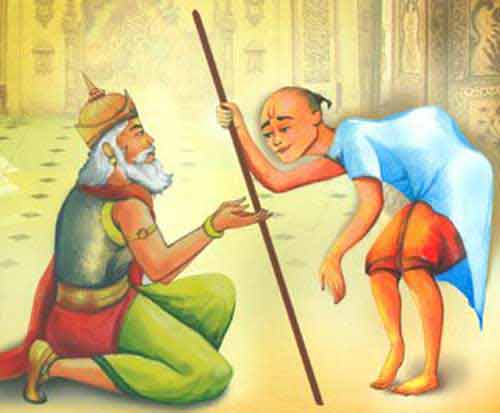
aṣṭāvakra gītā is a 20-chapter dialogue of radical advaita, alternating between aṣṭāvakra's uncompromising pointers and janaka's growing recognition. The teaching keeps returning to one core correction: you are the awareness that knows experience, not the body-mind that is experienced. Because it speaks from the standpoint of freedom, it can feel like it skips steps; yet its aim is simple - to dissolve the habit of identification, so life is lived with responsibility but without inner bondage.
In the previous chapter (Chapter 1), janaka asks three practical questions - how jñāna, mukti, and vairāgya arise - and aṣṭāvakra answers by combining ethical stabilizers with direct inquiry. He warns that attachment to viṣayas (and even to special experiences) keeps the seeker-identity alive, and he points repeatedly to the witness (sākṣī) as the doorway to freedom.
Seen as a whole, Chapter 2 is the "afterglow" chapter: janaka repeatedly rests as nirañjana bōdha beyond prakṛti, and the world is re-read as appearance in awareness rather than a second reality. The paradox "all is mine - or nothing is mine" dissolves egoic ownership, and the rope-snake motif echoes ādi śaṅkarāchārya's analysis of adhyāsa: fear is born from misreading what is present.
janaka uvācha ॥
ahō nirañjanaḥ śāntō bōdhō'haṃ prakṛtēḥ paraḥ ।
ētāvantamahaṃ kālaṃ mōhēnaiva viḍambitaḥ ॥ 2-1॥
Translation (bhāvārtha):
Janaka said: Ah! I am the spotless, peaceful awareness, beyond nature. For so long I was indeed fooled by delusion.
yathā prakāśayāmyēkō dēhamēnaṃ tathā jagat ।
atō mama jagatsarvamathavā na cha kiñchana ॥ 2-2॥
Translation (bhāvārtha):
Just as I alone illumine this body, so I illumine the world. Therefore the whole world is mine - or else, nothing is mine at all.
sa śarīramahō viśvaṃ parityajya mayādhunā ।
kutaśchit kauśalād ēva paramātmā vilōkyatē ॥ 2-3॥
Translation (bhāvārtha):
Having set aside this entire world along with the body, now, somehow - by a subtle skill - the supreme Self is recognized.
yathā na tōyatō bhinnāstaraṅgāḥ phēnabudbudāḥ ।
ātmanō na tathā bhinnaṃ viśvamātmavinirgatam ॥ 2-4॥
Translation (bhāvārtha):
Just as waves, foam, and bubbles are not different from water, so this universe, arising from the Self, is not different from the Self.
tantumātrō bhavēd ēva paṭō yadvad vichāritaḥ ।
ātmatanmātramēvēdaṃ tadvad viśvaṃ vichāritam ॥ 2-5॥
Translation (bhāvārtha):
When cloth is examined, it is found to be nothing but thread. In the same way, when examined, this universe is found to be nothing but the Self.
yathaivēkṣurasē klṛptā tēna vyāptaiva śarkarā ।
tathā viśvaṃ mayi klṛptaṃ mayā vyāptaṃ nirantaram ॥ 2-6॥
Translation (bhāvārtha):
Just as sugar is formed from sugarcane juice and is pervaded by it, so this universe is formed in me and is continuously pervaded by me.
ātmājñānājjagadbhāti ātmajñānānna bhāsatē ।
rajjvajñānādahirbhāti tajjñānād bhāsatē na hi ॥ 2-7॥
Translation (bhāvārtha):
Because of ignorance of the Self, the world appears. Because of knowledge of the Self, it does not appear as it did. Just as a snake appears when a rope is not known, and does not appear when the rope is known.
prakāśō mē nijaṃ rūpaṃ nātiriktō'smyahaṃ tataḥ ।
yadā prakāśatē viśvaṃ tadāhaṃ bhāsa ēva hi ॥ 2-8॥
Translation (bhāvārtha):
Illumination is my own nature; I am not separate from it. Therefore, when the universe appears, it is only I - as illumination - that appears.
ahō vikalpitaṃ viśvamajñānānmayi bhāsatē ।
rūpyaṃ śuktau phaṇī rajjau vāri sūryakarē yathā ॥ 2-9॥
Translation (bhāvārtha):
Ah! This universe, imagined due to ignorance, appears in me - like silver in nacre, a snake in a rope, or water seen in the sun's rays.
mattō vinirgataṃ viśvaṃ mayyēva layamēṣyati ।
mṛdi kumbhō jalē vīchiḥ kanakē kaṭakaṃ yathā ॥ 2-10॥
Translation (bhāvārtha):
From me the universe arises, and into me it dissolves - just as a pot arises in clay, a wave in water, and a bracelet in gold.
ahō ahaṃ namō mahyaṃ vināśō yasya nāsti mē ।
brahmādistambaparyantaṃ jagannāśō'pi tiṣṭhataḥ ॥ 2-11॥
Translation (bhāvārtha):
Ah! Salutations to myself, for whom there is no destruction. Even if the world from Brahma down to a blade of grass perishes, I remain.
ahō ahaṃ namō mahyamēkō'haṃ dēhavānapi ।
kvachinna gantā nāgantā vyāpya viśvamavasthitaḥ ॥ 2-12॥
Translation (bhāvārtha):
Ah! Salutations to myself. Though I have a body, I am one and unmoving: I go nowhere and come nowhere, yet I pervade the universe.
ahō ahaṃ namō mahyaṃ dakṣō nāstīha matsamaḥ ।
asaṃspṛśya śarīrēṇa yēna viśvaṃ chiraṃ dhṛtam ॥ 2-13॥
Translation (bhāvārtha):
Ah! Salutations to myself. No one here is as capable as I: without touching the body, I have sustained this universe for so long.
ahō ahaṃ namō mahyaṃ yasya mē nāsti kiñchana ।
athavā yasya mē sarvaṃ yad vāṅmanasagōcharam ॥ 2-14॥
Translation (bhāvārtha):
Ah! Salutations to myself. For me there is nothing at all to possess - and yet, for me everything is present, even what speech and mind can point to.
jñānaṃ jñēyaṃ tathā jñātā tritayaṃ nāsti vāstavam ।
ajñānād bhāti yatrēdaṃ sō'hamasmi nirañjanaḥ ॥ 2-15॥
Translation (bhāvārtha):
The triad of knower, knowledge, and known is not ultimately real as a separation. It appears only due to ignorance. I am that spotless reality in which it appears.
dvaitamūlamahō duḥkhaṃ nānyattasyā'sti bhēṣajam ।
dṛśyamētan mṛṣā sarvamēkō'haṃ chidrasōmalaḥ ॥ 2-16॥
Translation (bhāvārtha):
Suffering is rooted in duality, and there is no other cure for it. All that is perceived is false as an ultimate separation. I am one - pure consciousness, full of its own quiet bliss.
bōdhamātrō'hamajñānād upādhiḥ kalpitō mayā ।
ēvaṃ vimṛśatō nityaṃ nirvikalpē sthitirmama ॥ 2-17॥
Translation (bhāvārtha):
I am nothing but awareness. Due to ignorance I imagined limiting conditions. For one who reflects in this way, there is an abiding in the non-conceptual, always.
na mē bandhō'sti mōkṣō vā bhrāntiḥ śāntā nirāśrayā ।
ahō mayi sthitaṃ viśvaṃ vastutō na mayi sthitam ॥ 2-18॥
Translation (bhāvārtha):
For me there is no bondage or liberation; delusion has ended and has no support. Ah! The universe seems to be in me, yet in truth it is not contained in me.
saśarīramidaṃ viśvaṃ na kiñchiditi niśchitam ।
śuddhachinmātra ātmā cha tatkasmin kalpanādhunā ॥ 2-19॥
Translation (bhāvārtha):
It is certain that this entire universe, along with the body, is nothing as a separate reality. The Self is pure consciousness. Then what is there to imagine now, and about what?
śarīraṃ svarganarakau bandhamōkṣau bhayaṃ tathā ।
kalpanāmātramēvaitat kiṃ mē kāryaṃ chidātmanaḥ ॥ 2-20॥
Translation (bhāvārtha):
Body, heaven and hell, bondage and liberation, and fear - all this is mere imagination. What duty do I have, as the consciousness-Self?
ahō janasamūhē'pi na dvaitaṃ paśyatō mama ।
araṇyamiva saṃvṛttaṃ kva ratiṃ karavāṇyaham ॥ 2-21॥
Translation (bhāvārtha):
Even in a crowd, I see no separation. It has become like a forest. Where shall I place my delight or attachment?
nāhaṃ dēhō na mē dēhō jīvō nāhamahaṃ hi chit ।
ayamēva hi mē bandha āsīdyā jīvitē spṛhā ॥ 2-22॥
Translation (bhāvārtha):
I am not the body, the body is not mine; I am not the individual self. I am consciousness. This alone was my bondage: craving for life as a personal continuation.
ahō bhuvanakallōlairvichitrairdrāk samutthitam ।
mayyanantamahāmbhōdhau chittavātē samudyatē ॥ 2-23॥
Translation (bhāvārtha):
Ah! In me, the infinite ocean, when the wind of mind rises, the many-colored waves of the world suddenly arise.
mayyanantamahāmbhōdhau chittavātē praśāmyati ।
abhāgyājjīvavaṇijō jagatpōtō vinaśvaraḥ ॥ 2-24॥
Translation (bhāvārtha):
When the wind of mind becomes calm in me, the infinite ocean, the merchant called the individual self and the boat called the world perish - as if by misfortune.
mayyanantamahāmbhōdhāvāścharyaṃ jīvavīchayaḥ ।
udyanti ghnanti khēlanti praviśanti svabhāvataḥ ॥ 2-25॥
Translation (bhāvārtha):
In me, the infinite ocean, it is a wonder: the waves called individual beings arise, collide, play, and dissolve - all by their own nature.
Browse Related Categories: