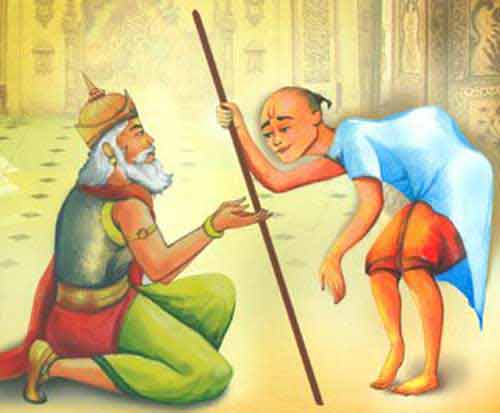
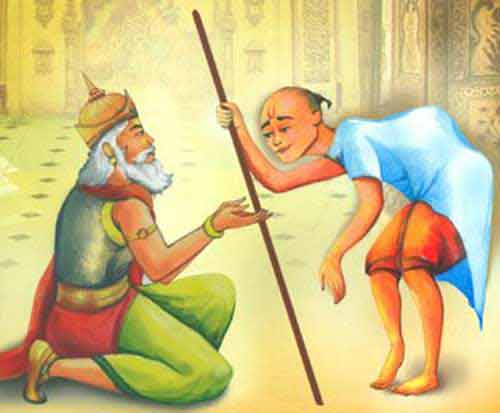
aṣṭāvakra gītā is a 20-chapter dialogue of direct advaita, alternating between aṣṭāvakra's uncompromising instruction and janaka's ripening recognition. Again and again it points to the same liberation: you are the awareness in which experience appears, not the body-mind that appears. As the chapters unfold, the teaching moves from questions to recognition to purification of residual knots, until freedom is described not as an idea but as a way of being.
The previous chapters set up the arc that Chapter 4 now completes. In Chapter 1, janaka asks about jñāna, mukti, and vairāgya, and aṣṭāvakra points him to the witness (sākṣī) while warning against compulsive attachment to viṣayas and even to special experiences. In Chapter 2, janaka speaks the "afterglow" of recognition through metaphors (wave-water, rope-snake, pot-clay), loosening fear and ownership by seeing the world as appearance in awareness.
Seen as a whole, Chapter 4 is a portrait of jīvanmukti in everyday texture. It clarifies that freedom is not the outward appearance of renunciation, but the inward absence of compulsion; not the possession of a spiritual badge, but the quiet humility in which harṣa and despair lose their grip.
janaka uvācha ॥
hantātmajñānasya dhīrasya khēlatō bhōgalīlayā ।
na hi saṃsāravāhīkairmūḍhaiḥ saha samānatā ॥ 4-1॥
Translation (bhāvārtha):
Janaka said: Ah! Even if the wise person who knows the Self seems to "play" in enjoyments, such a one is not comparable to deluded people who are dragged by worldly life.
yat padaṃ prēpsavō dīnāḥ śakrādyāḥ sarvadēvatāḥ ।
ahō tatra sthitō yōgī na harṣamupagachChati ॥ 4-2॥
Translation (bhāvārtha):
The state which even the gods long to attain - ah! the yogi established there does not become elated.
tajjñasya puṇyapāpābhyāṃ sparśō hyantarna jāyatē ।
na hyākāśasya dhūmēna dṛśyamānāpi saṅgatiḥ ॥ 4-3॥
Translation (bhāvārtha):
For the knower of truth, inner taint does not arise through merit or demerit. Even though smoke is seen in the sky, it does not truly touch the sky.
ātmaivēdaṃ jagatsarvaṃ jñātaṃ yēna mahātmanā ।
yadṛchChayā vartamānaṃ taṃ niṣēddhuṃ kṣamēta kaḥ ॥ 4-4॥
Translation (bhāvārtha):
For the great-souled one who has realized that the Self alone is this entire world, and who lives naturally as things come - who could restrain such a one?
ābrahmastambaparyantē bhūtagrāmē chaturvidhē ।
vijñasyaiva hi sāmarthyamichChānichChāvivarjanē ॥ 4-5॥
Translation (bhāvārtha):
Among beings of every kind, from Brahma down to a blade of grass, only the knower has the true capacity to abandon desire and aversion.
ātmānamadvayaṃ kaśchijjānāti jagadīśvaram ।
yad vētti tatsa kurutē na bhayaṃ tasya kutrachit ॥ 4-6॥
Translation (bhāvārtha):
Rare indeed is one who knows the non-dual Self - the true ground of the universe. Such a person acts according to that understanding, and fear does not arise for them anywhere.
Browse Related Categories: