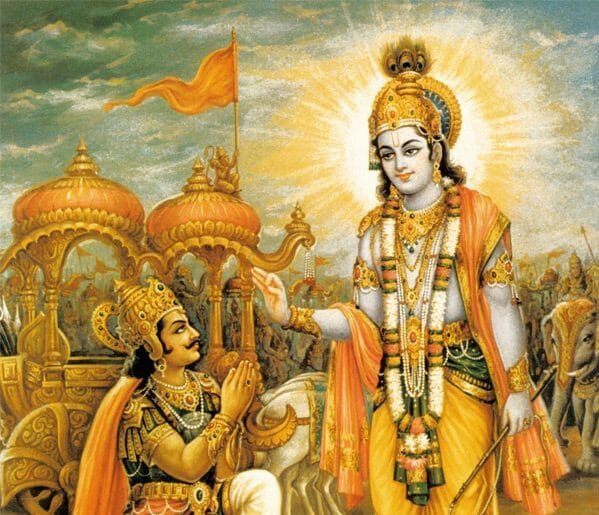
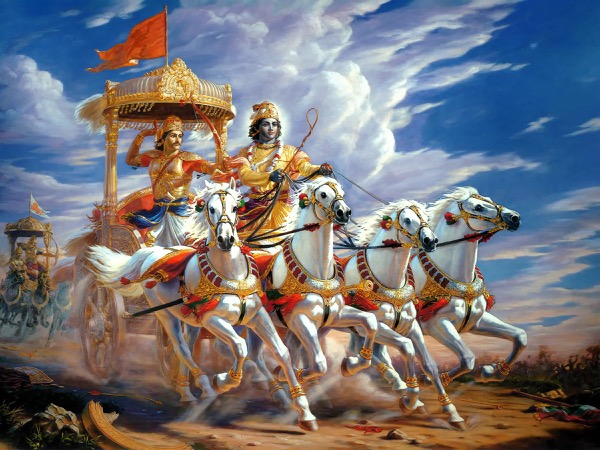
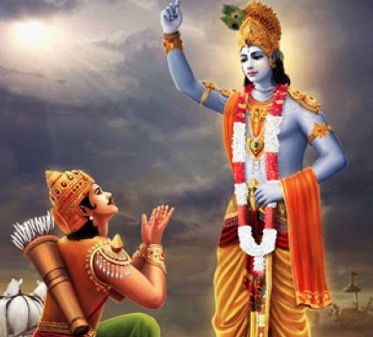
The Bhagavad Gita unfolds on the battlefield of kurukṣētra, where the armies of the pāṇḍavāḥ and kauravāḥ stand ready for war. In this charged moment, arjuna is torn by doubt and despair, and it is here that śrīkṛṣṇa begins his timeless dialogue. Chapter 6, called ātmasaṃyamayōgaḥ or Atma-Samyama yōga, dives deep into the art of meditation and the discipline of self-mastery.
In the previous chapters, śrīkṛṣṇa has guided arjuna through the paths of karma-yōga (selfless action) and jñāna-yōga (the way of knowledge). He has taught that true freedom comes not from running away from duty, but from acting with detachment and wisdom. Now, in Chapter 6, the conversation shifts to the inner landscape: how can a person bring their restless mind under control and discover the quiet strength of the ātmā within?
As this chapter closes, it sets the stage for the next great theme of the Gita: bhakti-yōga, the path of loving devotion. While Chapter 6 focuses on self-mastery and meditation, it also hints that the highest peace comes when self-discipline is joined with heartfelt devotion.
ōṃ śrī paramātmanē namaḥ
atha ṣaṣṭhō'dhyāyaḥ
ātmasaṃyamayōgaḥ
Translation (bhāvārtha):
Om. Salutations to the Supreme Self. Now begins the sixth chapter, called the Yoga of Self-Control.
śrī bhagavānuvācha
anāśritaḥ karmaphalaṃ kāryaṃ karma karōti yaḥ ।
sa sannyāsī cha yōgī cha na niragnirna chākriyaḥ ॥1॥
Translation (bhāvārtha):
The Blessed Lord said: Whoever performs their required duties without depending on the outcomes of those actions is truly a renunciant and a yogi. It is not simply by giving up ritual fire or by ceasing to act that one becomes a true renunciant or yogi.
yaṃ sannyāsamiti prāhuḥ yōgaṃ taṃ viddhi pāṇḍava ।
na hyasannyastasaṅkalpaḥ yōgī bhavati kaśchana ॥2॥
Translation (bhāvārtha):
O Arjuna, what people call renunciation, understand that to be the same as yoga. No one who has not given up personal expectations or intentions can truly become a yogi.
ārurukṣōrmunēryōgaṃ karma kāraṇamuchyatē ।
yōgārūḍhasya tasyaiva śamaḥ kāraṇamuchyatē ॥3॥
Translation (bhāvārtha):
For the sage who seeks to rise to the state of yoga, disciplined action is considered the means. But for the same person, once established in yoga, tranquility and withdrawal from action alone are regarded as the means.
yadā hi nēndriyārthēṣu na karmasvanuṣajjatē ।
sarvasaṅkalpasannyāsī yōgārūḍhastadōchyatē ॥4॥
Translation (bhāvārtha):
When a person no longer clings to sense pleasures or to actions, having let go of all personal intentions, that person is said to be firmly established in Yoga.
uddharēdātmanā''tmānaṃ nātmānamavasādayēt ।
ātmaiva hyātmanō bandhuḥ ātmaiva ripurātmanaḥ ॥5॥
Translation (bhāvārtha):
One should elevate oneself through one's own efforts and not let oneself fall. For the mind can be one's greatest friend, but it can also become one's worst enemy.
bandhurātmātmanastasya yēnātmaivātmanā jitaḥ ।
anātmanastu śatrutvē vartētātmaiva śatruvat ॥6॥
Translation (bhāvārtha):
For the person who has mastered their own mind, the mind becomes their ally. But for one who has not gained self-mastery, that same mind acts as an adversary, working against them.
jitātmanaḥ praśāntasya paramātmā samāhitaḥ ।
śītōṣṇasukhaduḥkhēṣu tathā mānāpamānayōḥ ॥7॥
Translation (bhāvārtha):
For the person who has gained mastery over their own mind and remains peaceful, their higher self is steady and secure. Such a person stays balanced in situations of cold and heat, pleasure and pain, as well as in times of honor and dishonor.
jñānavijñānatṛptātmā kūṭasthō vijitēndriyaḥ ।
yukta ityuchyatē yōgī samalōṣṭāśmakāñchanaḥ ॥8॥
Translation (bhāvārtha):
A yogi whose mind is fulfilled by both knowledge and direct realization, who remains steady and has mastered the senses, is considered truly united. Such a person sees no difference between a lump of earth, a stone, or gold, regarding them all with equal vision.
suhṛnmitrāryudāsīna madhyasthadvēṣyabandhuṣu ।
sādhuṣvapi cha pāpēṣu samabuddhirviśiṣyatē ॥9॥
Translation (bhāvārtha):
One who maintains an even mind toward benefactors, friends, enemies, those who are neutral or impartial, the hateful, relatives, the virtuous, and even the sinful-such a person stands out as truly accomplished.
yōgī yuñjīta satatam ātmānaṃ rahasi sthitaḥ ।
ēkākī yatachittātmā nirāśīraparigrahaḥ ॥10॥
Translation (bhāvārtha):
A yogi should always focus the mind on spiritual practice, staying in a quiet and secluded place, alone, with self-discipline over mind and body, free from desires and not attached to possessions.
śuchau dēśē pratiṣṭhāpya sthiramāsanamātmanaḥ ।
nātyuchChritaṃ nātinīchaṃ chailājinakuśōttaram ॥11॥
Translation (bhāvārtha):
Let a person set up a steady seat for themselves in a clean place, making sure it is neither too high nor too low. The seat should be layered with kusa grass, animal skin, and cloth, one on top of the other.
tatraikāgraṃ manaḥ kṛtvā yatachittēndriyakriyaḥ ।
upaviśyāsanē yuñjyāt yōgamātmaviśuddhayē ॥12॥
Translation (bhāvārtha):
There, having seated oneself on the chosen spot, one should make the mind steady and focused, keeping both thoughts and senses under control. In this state, one should practice yoga for the purpose of inner purification.
samaṃ kāyaśirōgrīvaṃ dhārayannachalaṃ sthiraḥ ।
samprēkṣya nāsikāgraṃ svaṃ diśaśchānavalōkayan ॥13॥
Translation (bhāvārtha):
Keeping the body, head, and neck upright and still, remaining steady, let one gaze at the tip of their own nose without glancing in any other direction.
praśāntātmā vigata bhīḥ brahmachārivratē sthitaḥ ।
manaḥ saṃyamya machchittaḥ yukta āsīta matparaḥ ॥14॥
Translation (bhāvārtha):
With a calm and fearless mind, firmly committed to celibacy, having mastered the mind and focused it on Me, the yogi should sit in meditation, seeing Me as the ultimate purpose.
yuñjannēvaṃ sadā''tmānaṃ yōgī niyatamānasaḥ ।
śāntiṃ nirvāṇaparamāṃ matsaṃsthāmadhigachChati ॥15॥
Translation (bhāvārtha):
By always focusing the mind in this way, the yogi with a disciplined mind attains a peace that is rooted in Me and leads to the highest liberation.
nātyaśnatastu yōgō'sti na chaikāntamanaśnataḥ ।
na chāti svapnaśīlasya jāgratō naiva chārjuna ॥16॥
Translation (bhāvārtha):
O Arjuna, yoga is not possible for someone who eats too much or for someone who does not eat at all. It is also not suitable for those who sleep excessively or for those who constantly stay awake.
yuktāhāravihārasya yuktachēṣṭasya karmasu ।
yuktasvapnāvabōdhasya yōgō bhavati duḥkhahā ॥17॥
Translation (bhāvārtha):
For one who is moderate in eating and recreation, balanced in actions, and disciplined in both sleep and wakefulness, the practice of yoga becomes a path that removes sorrow.
yadā viniyataṃ chittam ātmanyēvāvatiṣṭhatē ।
nisspṛhaḥ sarvakāmēbhyaḥ yukta ityuchyatē tadā ॥18॥
Translation (bhāvārtha):
When the mind, having been thoroughly restrained, settles solely in the Self and the person is free from all cravings for objects of desire, then that person is said to be truly established in yoga.
yathā dīpō nivātasthaḥ nēṅgatē sōpamā smṛtā ।
yōginō yatachittasya yuñjatō yōgamātmanaḥ ॥19॥
Translation (bhāvārtha):
Just as a lamp in a windless place does not waver, so is the mind of a yogi who has gained mastery over his thoughts and is absorbed in meditation on the Self.
yatrōparamatē chittaṃ niruddhaṃ yōgasēvayā ।
yatra chaivātmanātmānaṃ paśyannātmani tuṣyati ॥20॥
Translation (bhāvārtha):
When, through dedicated yoga practice, the mind becomes completely still and withdrawn, and at that moment, perceiving the Self by one's own awareness, a person finds deep contentment within the Self alone.
sukhamātyantikaṃ yattat buddhigrāhyamatīndriyam ।
vētti yatra na chaivāyaṃ sthitaśchalati tattvataḥ ॥21॥
Translation (bhāvārtha):
When a person experiences that supreme happiness which is understood by the intellect and lies beyond the reach of the senses, and being firmly established in that state, does not move away from the truth of reality.
yaṃ labdhvā chāparaṃ lābhaṃ manyatē nādhikaṃ tataḥ ।
yasmin sthitō na duḥkhēna guruṇāpi vichālyatē ॥22॥
Translation (bhāvārtha):
Having attained that state, a person does not consider any other achievement to be greater. Firmly established in it, one is not shaken even by the deepest sorrow.
taṃ vidyāt duḥkhasaṃyōga viyōgaṃ yōgasañjñitam ।
sa niśchayēna yōktavyaḥ yōgō'nirviṇṇachētasā ॥23॥
Translation (bhāvārtha):
Understand that yoga is the process of disconnecting from sorrow. This yoga should be practiced with steady determination and a mind that does not lose heart.
saṅkalpaprabhavānkāmān tyaktvā sarvānaśēṣataḥ ।
manasaivēndriyagrāmaṃ viniyamya samantataḥ ॥24॥
Translation (bhāvārtha):
Giving up completely all desires that arise from imagination or mental constructs, and using the mind alone to fully restrain the entire group of senses from every direction.
śanaiḥ śanairuparamēt buddhyā dhṛtigṛhītayā ।
ātmasaṃsthaṃ manaḥ kṛtvā na kiñchidapi chintayēt ॥25॥
Translation (bhāvārtha):
Step by step, using a steady and resolute intellect, one should withdraw the mind and settle it in the Self. Once the mind is established in this way, one should avoid thinking about anything else.
yatō yatō niścharati manaśchañchalamasthiram ।
tatastatō niyamyaitat ātmanyēva vaśaṃ nayēt ॥26॥
Translation (bhāvārtha):
Whenever the restless and unsteady mind wanders off, no matter the reason, the yogi should gently bring it back and place it under the guidance of the Self alone.
praśāntamanasaṃ hyēnaṃ yōginaṃ sukhamuttamam ।
upaiti śāntarajasaṃ brahmabhūtamakalmaṣam ॥27॥
Translation (bhāvārtha):
The yogi whose mind is fully calm, whose restless energy has been stilled, who is pure and has realized oneness with Brahman, alone attains the highest bliss.
yuñjannēvaṃ sadā''tmānaṃ yōgī vigatakalmaṣaḥ ।
sukhēna brahmasaṃsparśam atyantaṃ sukhamaśnutē ॥28॥
Translation (bhāvārtha):
The yogi who constantly engages the mind in this way, having removed all impurities, effortlessly experiences the supreme happiness that comes from contact with the Absolute.
sarvabhūtasthamātmānaṃ sarvabhūtāni chātmani ।
īkṣatē yōgayuktātmā sarvatra samadarśanaḥ ॥29॥
Translation (bhāvārtha):
A person whose mind is harmonized through Yoga, who sees with equal vision, perceives the Self present in all beings and all beings existing within the Self, seeing unity everywhere.
yō māṃ paśyati sarvatra sarvaṃ cha mayi paśyati ।
tasyāhaṃ na praṇaśyāmi sa cha mē na praṇaśyati ॥30॥
Translation (bhāvārtha):
Whoever perceives Me present in all things and sees all things within Me, I am never out of their sight, nor are they ever out of Mine.
sarvabhūtasthitaṃ yō māṃ bhajatyēkatvamāsthitaḥ ।
sarvathā vartamānō'pi sa yōgī mayi vartatē ॥31॥
Translation (bhāvārtha):
The yogi who sees Me present in all living beings and remains steadfast in unity, worshipping Me everywhere, truly lives in Me, no matter how or where he lives.
ātmaupamyēna sarvatra samaṃ paśyati yō'rjuna ।
sukhaṃ vā yadi vā duḥkhaṃ sa yōgī paramō mataḥ ॥32॥
Translation (bhāvārtha):
That yogi is regarded as the highest, O Arjuna, who sees the happiness and suffering of all beings as equal to his own, using himself as the measure in every situation.
arjuna uvācha
yō'yaṃ yōgastvayā prōktaḥ sāmyēna madhusūdana ।
ētasyāhaṃ na paśyāmi chañchalatvātsthitiṃ sthirām ॥33॥
Translation (bhāvārtha):
Arjuna said: O Krishna, this yoga of equanimity that you have described, I do not see how it can remain steady, because the mind is so restless.
chañchalaṃ hi manaḥ kṛṣṇa pramāthi balavaddṛḍham ।
tasyāhaṃ nigrahaṃ manyē vāyōriva suduṣkaram ॥34॥
Translation (bhāvārtha):
O Krishna, the mind is truly restless, turbulent, forceful, and stubborn. I believe that controlling it is as difficult as trying to restrain the wind.
śrī bhagavānuvācha
asaṃśayaṃ mahābāhō manō durnigrahaṃ chalam ।
abhyāsēna tu kauntēya vairāgyēṇa cha gṛhyatē ॥35॥
Translation (bhāvārtha):
The Blessed Lord said: O mighty-armed Arjuna, there is no doubt that the mind is hard to control and constantly moving. Yet, O son of Kunti, it can be brought under control through steady practice and by cultivating detachment.
asaṃyatātmanā yōgaḥ duṣprāpa iti mē matiḥ ।
vaśyātmanā tu yatatā śakyō'vāptumupāyataḥ ॥36॥
Translation (bhāvārtha):
In my view, yoga is very hard to achieve for someone whose mind is not disciplined. But for a person who puts in effort and has mastered their mind, it is possible to attain yoga by following the right methods.
arjuna uvācha
ayatiḥ śraddhayōpētaḥ yōgāchchalitamānasaḥ ।
aprāpya yōgasaṃsiddhiṃ kāṃ gatiṃ kṛṣṇa gachChati ॥37॥
Translation (bhāvārtha):
Arjuna said: O Krishna, what becomes of someone who has faith but lacks perseverance, whose mind strays from Yoga and fails to reach perfection in it? What path does such a person take?
kachchinnōbhayavibhraṣṭaḥ Chinnābhramiva naśyati ।
apratiṣṭhō mahābāhō vimūḍhō brahmaṇaḥ pathi ॥38॥
Translation (bhāvārtha):
O mighty-armed Krishna, does the person who has fallen away from both paths, lacking any support and confused on the way to spiritual realization, not perish like a cloud torn apart and scattered?
ētanmē saṃśayaṃ kṛṣṇa Chēttumarhasyaśēṣataḥ ।
tvadanyaḥ saṃśayasyāsya Chēttā na hyupapadyatē ॥39॥
Translation (bhāvārtha):
O Krishna, please remove this doubt of mine completely, for there is truly no one but you who can resolve it.
śrī bhagavānuvācha
pārtha naivēha nāmutra vināśastasya vidyatē ।
na hi kalyāṇakṛtkaśchit durgatiṃ tāta gachChati ॥40॥
Translation (bhāvārtha):
The Blessed Lord said: O Arjuna, there is absolutely no loss for such a person, neither in this world nor in the next. No one who sincerely strives for good ever meets with a tragic end, my dear friend.
prāpya puṇyakṛtāṃ lōkān uṣitvā śāśvatīḥ samāḥ ।
śuchīnāṃ śrīmatāṃ gēhē yōgabhraṣṭō'bhijāyatē ॥41॥
Translation (bhāvārtha):
After enjoying the realms earned by good deeds for a long time, the person who strayed from yoga is reborn into a family that is both pure and prosperous.
athavā yōgināmēva kulē bhavati dhīmatām ।
ētaddhi durlabhataraṃ lōkē janma yadīdṛśam ॥42॥
Translation (bhāvārtha):
Or, such a person may be born into the family of wise yogis. Truly, a birth like this is extremely rare to attain in this world.
tatra taṃ buddhisaṃyōgaṃ labhatē paurvadēhikam ।
yatatē cha tatō bhūyaḥ saṃsiddhau kurunandana ॥43॥
Translation (bhāvārtha):
There, he regains the wisdom and understanding acquired in his previous life, and with renewed effort, he strives even more than before to achieve spiritual perfection, O Arjuna.
pūrvābhyāsēna tēnaiva hriyatē hyavaśō'pi saḥ ।
jijñāsurapi yōgasya śabdabrahmātivartatē ॥44॥
Translation (bhāvārtha):
By the strength of his previous practice, he is drawn forward even against his own will. Even someone who simply wishes to understand Yoga rises above the results of ritualistic Vedic actions.
prayatnādyatamānastu yōgī saṃśuddhakilbiṣaḥ ।
anēkajanmasaṃsiddhaḥ tatō yāti parāṃ gatim ॥45॥
Translation (bhāvārtha):
However, the yogi who continues to strive with dedication, becoming purified from faults and gradually perfected over many lifetimes, ultimately reaches the highest state.
tapasvibhyō'dhikō yōgī jñānibhyō'pi matō'dhikaḥ ।
karmibhyaśchādhikō yōgī tasmādyōgī bhavārjuna ॥46॥
Translation (bhāvārtha):
The yogi is regarded as greater than those who practice austerity, greater even than those who possess knowledge, and greater than those who perform actions. Therefore, Arjuna, strive to become a yogi.
yōgināmapi sarvēṣāṃ madgatēnāntarātmanā ।
śraddhāvānbhajatē yō māṃ sa mē yuktatamō mataḥ ॥47॥
Translation (bhāvārtha):
Of all yogis, the one who, with unwavering faith and a mind deeply absorbed in Me, worships and serves Me with his innermost self, is regarded by Me as the most accomplished yogi.
॥ ōṃ tatsaditi śrīmadbhagavadgītāsu upaniṣatsu brahmavidyāyāṃ
yōgaśāstrē śrīkṛṣṇārjunasaṃvādē ātmasaṃyamayōgō nāma ṣaṣṭhō'dhyāyaḥ 09
Translation (bhāvārtha):
Thus ends the sixth chapter, called the Yoga of Self-Control, from the revered Bhagavad Gita, which is both an Upanishad and a scripture on yoga, presented as a dialogue between Sri Krishna and Arjuna, and a teaching on the knowledge of the Absolute.
Browse Related Categories: