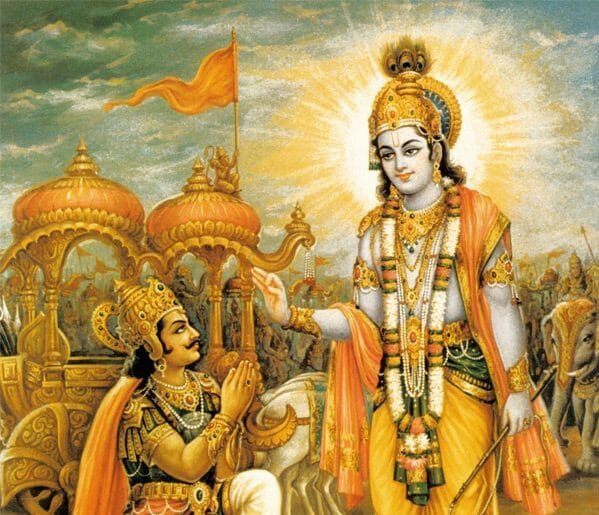
śrīmadbhagavadgītā is a jewel embedded in the mahābhārata: a dialogue between śrīkṛṣṇa and arjuna on the battlefield of kurukṣētra. It speaks in the language of real life - duty and doubt, anger and empathy, ambition and fear - and then shows how to meet those forces with steadiness.
Chapter 1, arjunaviṣādayōgaḥ, is therefore not "only introduction." It shows the battlefield outside and the battlefield within: Duryodhana's insecurity, the roar of conches, and finally Arjuna's trembling body and wavering mind. By naming these states openly - viṣāda (despondency), kṛpā (compassion), and the fear of wrongdoing - the text prepares you for Krishna's medicine in the chapters ahead.
Read this chapter as the doorway into a long inner apprenticeship. The "previous" story is the Mahabharata build-up itself: years of injustice, failed diplomacy, and the moment when avoidance is no longer possible. From this crisis, the Gita unfolds in three broad movements. Chapters 1-6 emphasize karma-yōga and the foundations of right action, while repeatedly returning to the imperishable ātmā so that doing your duty does not become an ego-war.
ōṃ śrī paramātmanē namaḥ
atha prathamō'dhyāyaḥ
arjunaviṣādayōgaḥ
Translation (bhāvārtha):
Om. Salutations to the Supreme Self. Now begins the first chapter, called "Arjuna's Despondency Yoga".
dhṛtarāṣṭra uvācha
dharmakṣētrē kurukṣētrē samavētā yuyutsavaḥ ।
māmakāḥ pāṇḍavāśchaiva kimakurvata sañjaya ॥1॥
Translation (bhāvārtha):
Dhritarashtra said: O Sanjaya, when my side and the Pandavas assembled at Kurukshetra, the sacred field of dharma, eager to fight, what did they do?
sañjaya uvācha
dṛṣṭvā tu pāṇḍavānīkaṃ vyūḍhaṃ duryōdhanastadā ।
āchāryamupasaṅgamya rājā vachanamabravīt ॥2॥
Translation (bhāvārtha):
Sanjaya said: Seeing the Pandava army arranged in formation, Duryodhana then approached his teacher and spoke.
paśyaitāṃ pāṇḍuputrāṇām āchārya mahatīṃ chamūm ।
vyūḍhāṃ drupadaputrēṇa tava śiṣyēṇa dhīmatā ॥3॥
Translation (bhāvārtha):
O teacher, look at this great army of the Pandavas, arranged skillfully by Drupada's son - your capable disciple.
atra śūrā mahēṣvāsāḥ bhīmārjunasamā yudhi ।
yuyudhānō virāṭaścha drupadaścha mahārathaḥ ॥4॥
Translation (bhāvārtha):
Here are heroic, mighty bowmen, equal to Bhima and Arjuna in battle - Yuyudhana, Virata, and the great chariot-warrior Drupada.
dhṛṣṭakētuśchēkitānaḥ kāśirājaścha vīryavān ।
purujitkuntibhōjaścha śaibyaścha narapuṅgavaḥ ॥5॥
Translation (bhāvārtha):
Also here are valiant heroes: Dhrishtaketu, Cekitana, the king of Kashi, Purujit, Kuntibhoja, and Saibya - outstanding among men.
yudhāmanyuścha vikrāntaḥ uttamaujāścha vīryavān ।
saubhadrō draupadēyāścha sarva ēva mahārathāḥ ॥6॥
Translation (bhāvārtha):
There are also mighty warriors - Yudhamanyu and the valiant Uttamauja, and also Saubhadra (Abhimanyu) and the sons of Draupadi; all of them are great chariot-fighters.
asmākaṃ tu viśiṣṭā yē tānnibōdha dvijōttama ।
nāyakā mama sainyasya sañjñārthaṃ tān bravīmi tē ॥7॥
Translation (bhāvārtha):
And now, O best among the twice-born, note the distinguished leaders on our side. For your awareness I will tell you the commanders of my army.
bhavān bhīṣmaścha karṇaścha kṛpaścha samitiñjayaḥ ।
aśvatthāmā vikarṇaścha saumadattistathaiva cha ॥8॥
Translation (bhāvārtha):
You, Bhishma, Karna, Kripa the battle-conqueror, Ashvatthama, Vikarna, and also the son of Somadatta - these are the leading champions on our side.
anyē cha bahavaḥ śūrāḥ madarthē tyaktajīvitāḥ ।
nānāśastrapraharaṇāḥ sarvē yuddhaviśāradāḥ ॥9॥
Translation (bhāvārtha):
And there are many other heroes too, ready to risk their lives for my sake, equipped with many weapons and skilled in war.
aparyāptaṃ tadasmākaṃ balaṃ bhīṣmābhirakṣitam ।
paryāptaṃ tvidamētēṣāṃ balaṃ bhīmābhirakṣitam ॥10॥
Translation (bhāvārtha):
Our army, guarded by Bhishma, is vast; but their army, guarded by Bhima, is well-contained and sufficient.
ayanēṣu cha sarvēṣu yathābhāgamavasthitāḥ ।
bhīṣmamēvābhirakṣantu bhavantaḥ sarva ēva hi ॥11॥
Translation (bhāvārtha):
Therefore, stationed in all strategic positions according to your roles, all of you must support Bhishma.
tasya sañjanayan harṣaṃ kuruvṛddhaḥ pitāmahaḥ ।
siṃhanādaṃ vinadyōchchaiḥ śaṅkhaṃ dadhmau pratāpavān ॥12॥
Translation (bhāvārtha):
To raise his spirits, the grandsire Bhishma - elder of the Kurus - roared like a lion and loudly blew his conch.
tataḥ śaṅkhāścha bhēryaścha paṇavānakagōmukhāḥ ।
sahasaivābhyahanyanta sa śabdastumulō'bhavat ॥13॥
Translation (bhāvārtha):
Then conches, kettledrums, drums, and horns were sounded all at once, and the sound became a tremendous uproar.
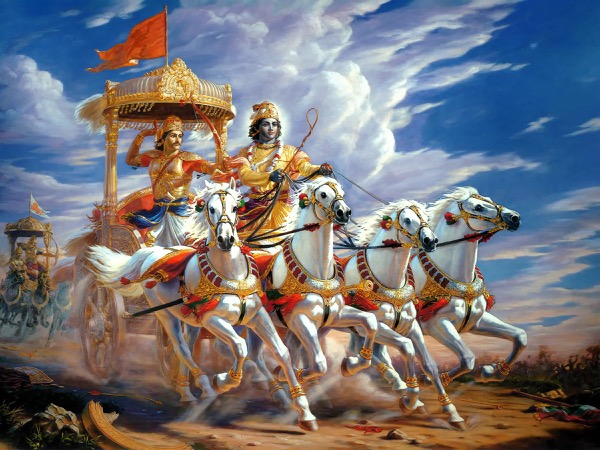
tataḥ śvētairhayairyuktē mahati syandanē sthitau ।
mādhavaḥ pāṇḍavaśchaiva divyau śaṅkhau pradadhmatuḥ ॥14॥
Translation (bhāvārtha):
Then Madhava and the Pandava, stationed in their great chariot yoked to white horses, blew their divine conches.
pāñchajanyaṃ hṛṣīkēśaḥ dēvadattaṃ dhanañjayaḥ ।
pauṇḍraṃ dadhmau mahāśaṅkhaṃ bhīmakarmā vṛkōdaraḥ ॥15॥
Translation (bhāvārtha):
Hrishikesha blew Panchajanya; Dhananjaya blew Devadatta; and Bhima - Vrukodara of mighty deeds - blew the great conch Paundra.
anantavijayaṃ rājā kuntīputrō yudhiṣṭhiraḥ ।
nakulaḥ sahadēvaścha sughōṣamaṇipuṣpakau ॥16॥
Translation (bhāvārtha):
King Yudhishthira, son of Kunti, blew Anantavijaya; and Nakula and Sahadeva blew Sughosha and Manipushpaka.
kāśyaścha paramēṣvāsaḥ śikhaṇḍī cha mahārathaḥ ।
dhṛṣṭadyumnō virāṭaścha sātyakiśchāparājitaḥ ॥17॥
Translation (bhāvārtha):
The king of Kashi, the great archer; Shikhandi, the great chariot-warrior; Dhrishtadyumna, Virata, and the undefeated Satyaki were among those who sounded their conches.
drupadō draupadēyāścha sarvaśaḥ pṛthivīpatē ।
saubhadraścha mahābāhuḥ śaṅkhān-dadhmuḥ pṛthak pṛthak ॥18॥
Translation (bhāvārtha):
O king, Drupada, all the sons of Draupadi, and the mighty-armed Saubhadra blew their conches - each one separately.
sa ghōṣō dhārtarāṣṭrāṇāṃ hṛdayāni vyadārayat ।
nabhaścha pṛthivīṃ chaiva tumulō vyanunādayan ॥19॥
Translation (bhāvārtha):
That tumultuous sound tore the hearts of Dhritarashtra's sons and echoed through the sky and the earth.
atha vyavasthitān-dṛṣṭvā dhārtarāṣṭrān kapidhvajaḥ ।
pravṛttē śastrasampātē dhanurudyamya pāṇḍavaḥ ॥20॥
Translation (bhāvārtha):
Then, seeing the sons of Dhritarashtra drawn up for battle, and as the clash of weapons was about to begin, Arjuna - the Pandava with the monkey-banner - raised his bow.
hṛṣīkēśaṃ tadā vākyam idamāha mahīpatē ।
arjuna uvācha
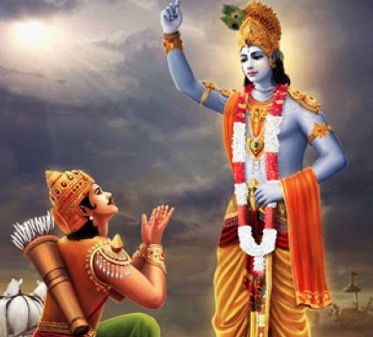
sēnayōrubhayōrmadhyē rathaṃ sthāpaya mē'chyuta ॥21॥
Translation (bhāvārtha):
Arjuna said to Hrishikesha: O Achyuta, place my chariot between the two armies.
yāvadētānnirīkṣē'haṃ yōddhukāmānavasthitān ।
kairmayā saha yōddhavyaṃ asmin raṇasamudyamē ॥22॥
Translation (bhāvārtha):
Let me look at those who are standing here eager to fight, with whom I must engage in this battle.
yōtsyamānānavēkṣē'haṃ ya ētē'tra samāgatāḥ ।
dhārtarāṣṭrasya durbuddhēḥ yuddhē priyachikīrṣavaḥ ॥23॥
Translation (bhāvārtha):
I want to see those who have gathered here ready to fight, seeking to please the evil-minded son of Dhritarashtra in this war.
sañjaya uvācha
ēvamuktō hṛṣīkēśaḥ guḍākēśēna bhārata ।
sēnayōrubhayōrmadhyē sthāpayitvā rathōttamam ॥24॥
Translation (bhāvārtha):
Sanjaya said: Thus addressed by Gudakesha, O Bharata, Hrishikesha placed the best of chariots between the two armies.
bhīṣmadrōṇapramukhataḥ sarvēṣāṃ cha mahīkṣitām ।
uvācha pārtha paśyaitān samavētānkurūniti ॥25॥
Translation (bhāvārtha):
With Bhishma and Drona in the forefront, and in the presence of all the kings, Krishna said: O Partha, behold these Kurus assembled here.
tatrāpaśyatsthitān pārthaḥ pitṝnatha pitāmahān ।
āchāryān-mātulān-bhrātṝn putrān-pautrān-sakhīṃstathā ॥26॥
Translation (bhāvārtha):
There Partha saw standing fathers and grandfathers, teachers and uncles, brothers, sons, grandsons, and friends.
śvaśurān-suhṛdaśchaiva sēnayōrubhayōrapi ।
tānsamīkṣya sa kauntēyaḥ sarvānbandhūnavasthitān ॥27॥
Translation (bhāvārtha):
He also saw fathers-in-law and well-wishers in both armies; seeing all those relatives standing there, the son of Kunti (Arjuna)...
kṛpayā parayā''viṣṭaḥ viṣīdannidamabravīt ।
arjuna uvācha
dṛṣṭvēmaṃ svajanaṃ kṛṣṇa yuyutsuṃ samupasthitam ॥28॥
Translation (bhāvārtha):
Overwhelmed by deep compassion and grief, Arjuna said: O Krishna, seeing my own people standing here eager to fight...
sīdanti mama gātrāṇi mukhaṃ cha pariśuṣyati ।
vēpathuścha śarīrē mē rōmaharṣaścha jāyatē ॥29॥
Translation (bhāvārtha):
My limbs grow weak, my mouth dries up, my body trembles, and my hair stands on end.
gāṇḍīvaṃ sraṃsatē hastāt tva kchaiva paridahyatē ।
na cha śaknōmyavasthātuṃ bhramatīva cha mē manaḥ ॥30॥
Translation (bhāvārtha):
My Gandiva slips from my hand, my skin burns, I cannot stand steady, and my mind seems to reel.
nimittāni cha paśyāmi viparītāni kēśava ।
na cha śrēyō'nupaśyāmi hatvā svajanamāhavē ॥31॥
Translation (bhāvārtha):
I see adverse signs, O Keshava, and I do not foresee any good in killing my own people in battle.
na kāṅkṣē vijayaṃ kṛṣṇa na cha rājyaṃ sukhāni cha ।
kiṃ nō rājyēna gōvinda kiṃ bhōgairjīvitēna vā ॥32॥
Translation (bhāvārtha):
O Krishna, I do not want victory, kingdom, or pleasures. What use are kingdom, enjoyments, or even life to us, O Govinda?
yēṣāmarthē kāṅkṣitaṃ naḥ rājyaṃ bhōgāḥ sukhāni cha ।
ta imē'vasthitā yuddhē prāṇāṃstyakttvā dhanāni cha ॥33॥
Translation (bhāvārtha):
Those for whose sake we wanted kingdom, pleasures, and comforts are standing here in battle, ready to give up their lives and wealth.
āchāryāḥ pitaraḥ putrāḥ tathaiva cha pitāmahāḥ ।
mātulāḥ śvaśurāḥ pautrāḥ śyālāḥ sambandhinastathā ॥34॥
Translation (bhāvārtha):
Teachers, fathers, sons, grandfathers, uncles, fathers-in-law, grandsons, brothers-in-law, and other relatives are all here.
ētānna hantumichChāmi ghnatō'pi madhusūdana ।
api trailōkyarājyasya hētōḥ kiṃ nu mahīkṛtē ॥35॥
Translation (bhāvārtha):
O Madhusudana, I do not wish to kill these people even if they kill me - not even for sovereignty over the three worlds, much less for the sake of this earth.
nihatya dhārtarāṣṭrānnaḥ kā prītiḥ syājjanārdana ।
pāpamēvāśrayēdasmān hatvaitānātatāyinaḥ ॥36॥
Translation (bhāvārtha):
O Janardana, what joy would be ours if we kill the sons of Dhritarashtra? Sin would cling to us by killing these aggressors.
tasmānnārhā vayaṃ hantuṃ dhārtarāṣṭrānsvabāndhavān ।
svajanaṃ hi kathaṃ hatvā sukhinaḥ syāma mādhava ॥37॥
Translation (bhāvārtha):
Therefore we are not fit to kill the sons of Dhritarashtra, our own kinsmen. O Madhava, how could we be happy after killing our own people?
yadyapyētē na paśyanti lōbhōpahatachētasaḥ ।
kulakṣayakṛtaṃ dōṣaṃ mitradrōhē cha pātakam ॥38॥
Translation (bhāvārtha):
Even though these people, their minds ruined by greed, do not see the evil in destroying the family or the sin in betraying friends...
kathaṃ na jñēyamasmābhiḥ pāpādasmānnivartitum ।
kulakṣayakṛtaṃ dōṣaṃ prapaśyadbhirjanārdana ॥39॥
Translation (bhāvārtha):
O Janardana, how can we - who see clearly the fault in destroying the family - not know to turn away from this sin?
kulakṣayē praṇaśyanti kuladharmāḥ sanātanāḥ ।
dharmē naṣṭē kulaṃ kṛtsnam adharmō'bhibhavatyuta ॥40॥
Translation (bhāvārtha):
When a family is destroyed, its ancient duties and traditions perish; when dharma is lost, adharma overwhelms the entire family.
adharmābhibhavātkṛṣṇa praduṣyanti kulastriyaḥ ।
strīṣu duṣṭāsu vārṣṇēya jāyatē varṇasaṅkaraḥ ॥41॥
Translation (bhāvārtha):
O Krishna, when adharma prevails, the women of the family are corrupted; and when women are corrupted, O Varshneya, social confusion (varṇasaṅkaraḥ) arises.
saṅkarō narakāyaiva kulaghnānāṃ kulasya cha ।
patanti pitarō hyēṣāṃ luptapiṇḍōdakakriyāḥ ॥42॥
Translation (bhāvārtha):
Such disorder leads to downfall for the family-destroyers and the family; their ancestors fall, deprived of the rites of offerings of piṇḍa and udaka.
dōṣairētaiḥ kulaghnānāṃ varṇasaṅkarakārakaiḥ ।
utsādyantē jātidharmāḥ kuladharmāścha śāśvatāḥ ॥43॥
Translation (bhāvārtha):
By these faults of family-destroyers who create social confusion, the long-standing duties of community and family are uprooted.
utsannakuladharmāṇāṃ manuṣyāṇāṃ janārdana ।
narakē'niyataṃ vāsaḥ bhavatītyanuśuśruma ॥44॥
Translation (bhāvārtha):
O Janardana, we have heard that people whose family dharmas are destroyed dwell in downfall (naraka) inevitably.
ahō bata mahatpāpaṃ kartuṃ vyavasitā vayam ।
yadrājyasukhalōbhēna hantuṃ svajanamudyatāḥ ॥45॥
Translation (bhāvārtha):
Alas, we are resolved to commit a great wrong - driven by greed for kingdom and pleasures, we are ready to kill our own people.
yadi māmapratīkāram aśastraṃ śastrapāṇayaḥ ।
dhārtarāṣṭrā raṇē hanyuḥ tanmē kṣēmataraṃ bhavēt ॥46॥
Translation (bhāvārtha):
If the sons of Dhritarashtra, weapons in hand, were to kill me in battle while I stand unarmed and unresisting, that would be better for me.
sañjaya uvācha
ēvamuktvā'rjunaḥ saṅkhyē rathōpastha upāviśat ।
visṛjya saśaraṃ chāpaṃ śōkasaṃvignamānasaḥ ॥47॥
Translation (bhāvārtha):
Sanjaya said: Having spoken thus on the battlefield, Arjuna sat down on the seat of the chariot, casting aside his bow and arrows, his mind overwhelmed with grief.
॥ ōṃ tatsaditi śrīmadbhagavadgītāsu upaniṣatsu brahmavidyāyāṃ
yōgaśāstrē śrīkṛṣṇārjunasaṃvādē arjunaviṣādayōgō nāma prathamō'dhyāyaḥ ॥
Translation (bhāvārtha):
Om Tat Sat. Thus ends the first chapter, called "Arjuna Vishada Yoga", in the revered Bhagavad Gita - an Upanishad teaching Brahma-vidya and Yoga, in the dialogue between Sri Krishna and Arjuna.
Browse Related Categories: