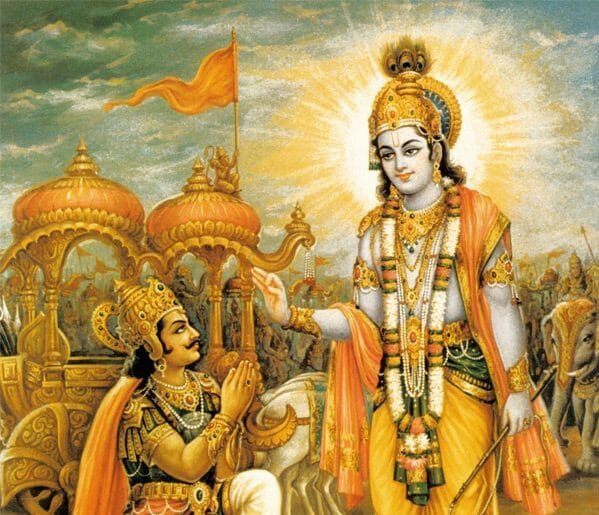
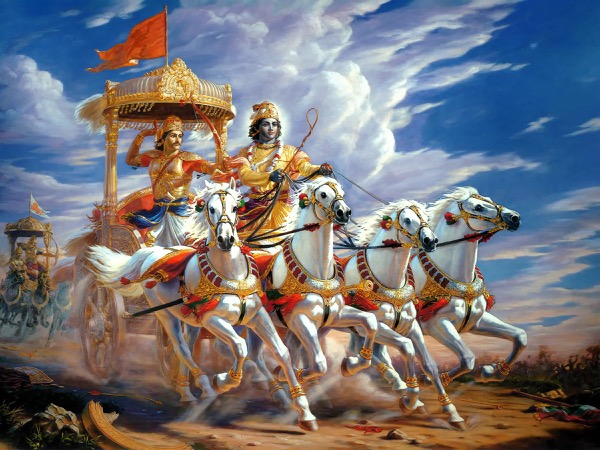
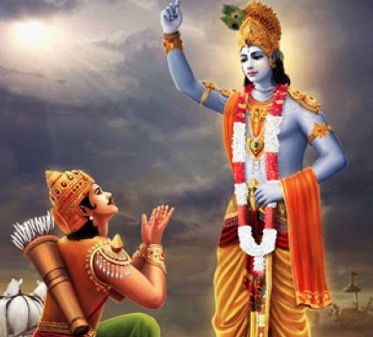
The twelfth chapter of the Bhagavad Gita, called bhaktiyōgaḥ or the yōga of Devotion, unfolds on the battlefield of kurukṣētra, in the thick of the mahābhārata war. Here, arjuna, the skilled archer and hero of the pāṇḍavāḥ, faces his deepest doubts and fears. Across from him stand the kauravāḥ, his own relatives and former friends.
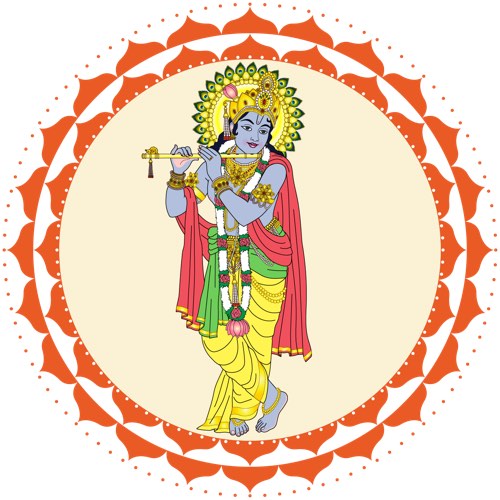
In the previous chapter, śrīkṛṣṇa revealed his cosmic form to arjuna, showing the vast, all-encompassing reality behind the universe. That vision was overwhelming-both awe-inspiring and terrifying. arjuna saw the endless power and majesty of the divine, but he was left with a pressing question: how should a person actually relate to such an infinite being?
Looking ahead, the next chapter will explore the difference between knowledge and ignorance, diving deeper into the qualities that lead a person toward liberation. But here, in bhaktiyōgaḥ, the focus is on the heart-on the power of devotion to bring peace, courage, and a sense of connection with the divine, even in the midst of chaos.
ōṃ śrī paramātmanē namaḥ
atha dvādaśō'dhyāyaḥ
bhaktiyōgaḥ
Translation (bhāvārtha):
Om. Salutations to the Supreme Self. Now begins the twelfth chapter, called the Path of Devotion.
arjuna uvācha
ēvaṃ satatayuktā yē bhaktāstvāṃ paryupāsatē ।
yē chāpyakṣaramavyaktaṃ tēṣāṃ kē yōgavittamāḥ ॥1॥
Translation (bhāvārtha):
Arjuna asked: Of those devotees who are always steadfast and worship you in the way you have described, and those who meditate on the imperishable, unmanifest reality, which group is more accomplished in yoga?
śrī bhagavānuvācha
mayyāvēśya manō yē māṃ nityayuktā upāsatē ।
śraddhayā parayōpētāḥ tē mē yuktatamā matāḥ ॥2॥
Translation (bhāvārtha):
The Blessed Lord said: Those who dedicate their minds to Me, always steadfast and worship Me with the highest faith, I consider them to be the most accomplished in yoga.
yē tvakṣaramanirdēśyam avyaktaṃ paryupāsatē ।
sarvatragamachintyaṃ cha kūṭasthamachalaṃ dhruvam ॥3॥
Translation (bhāvārtha):
But those who meditate with devotion on the imperishable, the indefinable, the unmanifest, which is present everywhere, beyond thought, unchanging, unmoving, and everlasting-
sanniyamyēndriyagrāmaṃ sarvatra samabuddhayaḥ ।
tē prāpnuvanti māmēva sarvabhūtahitē ratāḥ ॥4॥
Translation (bhāvārtha):
Those who have mastered their senses, maintain a steady and balanced mind in all circumstances, and are dedicated to the well-being of every living being, they too ultimately reach Me alone.
klēśō'dhikatarastēṣām avyaktāsaktachētasām ।
avyaktā hi gatirduḥkhaṃ dēhavadbhiravāpyatē ॥5॥
Translation (bhāvārtha):
For those whose minds are fixed on the unmanifest, the path is much harder. The unmanifest goal is very difficult for people living in physical bodies to reach.
yē tu sarvāṇi karmāṇi mayi sannyasya matparāḥ ।
ananyēnaiva yōgēna māṃ dhyāyanta upāsatē ॥6॥
Translation (bhāvārtha):
However, those who dedicate all their actions to Me, accept Me as their highest purpose, and worship Me by meditating on Me with undivided focus and devotion-
tēṣāmahaṃ samuddhartā mṛtyusaṃsārasāgarāt ।
bhavāmi nachirātpārtha mayyāvēśitachētasām ॥7॥
Translation (bhāvārtha):
O Arjuna, for those whose minds are fully absorbed in Me, I quickly become their rescuer from the ocean of mortal existence and suffering.
mayyēva mana ādhatsva mayi buddhiṃ nivēśaya ।
nivasiṣyasi mayyēva ata ūrdhvaṃ na saṃśayaḥ ॥8॥
Translation (bhāvārtha):
Focus your mind entirely on Me and let your understanding rest in Me. If you do this, you will certainly live in Me from this moment onward, without any doubt.
atha chittaṃ samādhātuṃ na śaknōṣi mayi sthiram ।
abhyāsayōgēna tataḥ māmichChāptuṃ dhanañjaya ॥9॥
Translation (bhāvārtha):
If you are unable to keep your mind steadily focused on Me, Arjuna, then seek to reach Me through the discipline of repeated practice.
abhyāsē'pyasamarthō'si matkarmaparamō bhava ।
madarthamapi karmāṇi kurvansiddhimavāpsyasi ॥10॥
Translation (bhāvārtha):
If you are unable to maintain steady spiritual practice, then dedicate yourself to actions done for Me. By performing work with Me as your purpose, you will also achieve spiritual perfection.
athaitadapyaśaktō'si kartuṃ madyōgamāśritaḥ ।
sarvakarmaphalatyāgaṃ tataḥ kuru yatātmavān ॥11॥
Translation (bhāvārtha):
If you are unable to do even this, then, taking shelter in devotion to Me, simply give up attachment to the results of all your actions, acting with self-discipline.
śrēyō hi jñānamabhyāsāt jñānāddhyānaṃ viśiṣyatē ।
dhyānātkarmaphalatyāgaḥ tyāgāchChāntiranantaram ॥12॥
Translation (bhāvārtha):
Knowledge is certainly better than mere practice, and meditation is better than knowledge. Renouncing the results of actions is even higher than meditation, and from such renunciation, peace follows right away.
advēṣṭā sarvabhūtānāṃ maitraḥ karuṇa ēva cha ।
nirmamō nirahaṅkāraḥ samaduḥkhasukhaḥ kṣamī ॥13॥
Translation (bhāvārtha):
One who holds no hatred for any living being, who is kind and friendly, who is free from possessiveness and ego, who remains balanced in both happiness and sorrow, and who is forgiving-such a person is described here.
santuṣṭaḥ satataṃ yōgī yatātmā dṛḍhaniśchayaḥ ।
mayyarpitamanōbuddhiḥ yō madbhaktaḥ sa mē priyaḥ ॥14॥
Translation (bhāvārtha):
That devotee who is always content, disciplined, self-controlled, unwavering in resolve, and who has dedicated both mind and intellect to Me-such a person is truly dear to Me.
yasmānnōdvijatē lōkaḥ lōkānnōdvijatē cha yaḥ ।
harṣāmarṣabhayōdvēgaiḥ muktō yaḥ sa cha mē priyaḥ ॥15॥
Translation (bhāvārtha):
That person is dear to Me who does not disturb the world and is not disturbed by it, and who is free from joy, impatience, fear, and anxiety.
anapēkṣaḥ śuchirdakṣaḥ udāsīnō gatavyathaḥ ।
sarvārambhaparityāgī yō madbhaktaḥ sa mē priyaḥ ॥16॥
Translation (bhāvārtha):
That devotee of Mine is dear to Me who has no personal desires, is pure in mind and body, acts skillfully, remains impartial and unaffected, is free from inner pain, and has renounced all self-motivated actions.
yō na hṛṣyati na dvēṣṭi na śōchati na kāṅkṣati ।
śubhāśubhaparityāgī bhaktimānyaḥ sa mē priyaḥ ॥17॥
Translation (bhāvārtha):
One who neither delights in pleasure nor hates anything, who does not grieve over losses nor crave for gains, who has given up attachment to both good and bad outcomes, and who is deeply devoted to Me-such a person is dear to Me.
samaḥ śatrau cha mitrē cha tathā mānāpamānayōḥ ।
śītōṣṇasukhaduḥkhēṣu samaḥ saṅgavivarjitaḥ ॥18॥
Translation (bhāvārtha):
One who remains even-minded toward both friend and enemy, who is steady in situations of honor and dishonor, who is unaffected by cold, heat, pleasure, or pain, and who is free from attachment-such a person is truly balanced.
tulyanindāstutirmaunī santuṣṭō yēna kēnachit ।
anikētaḥ sthiramatiḥ bhaktimānmē priyō naraḥ ॥19॥
Translation (bhāvārtha):
One who treats both criticism and praise the same, who remains silent, is satisfied with whatever comes, has no attachment to any home, is steady in mind, and is full of devotion-such a person is dear to Me.
yē tu dharmyāmṛtamidaṃ yathōktaṃ paryupāsatē ।
śraddadhānā matparamāḥ bhaktāstē'tīva mē priyāḥ ॥20॥
Translation (bhāvārtha):
But those devotees who, with unwavering faith, follow this path of righteous living as described above, considering Me as their ultimate goal, are truly and especially dear to Me.
॥ ōṃ tatsaditi śrīmadbhagavadgītāsu upaniṣatsu brahmavidyāyāṃ yōgaśāstrē
śrīkṛṣṇārjunasaṃvādē bhaktiyōgō nāma dvādaśō'dhyāyaḥ ।38
Translation (bhāvārtha):
Thus ends the twelfth chapter, called the Path of Devotion, from the revered Bhagavad Gita, which is a dialogue between Sri Krishna and Arjuna, and is found within the Upanishads as the teaching of Brahman and the science of yoga.
Browse Related Categories: