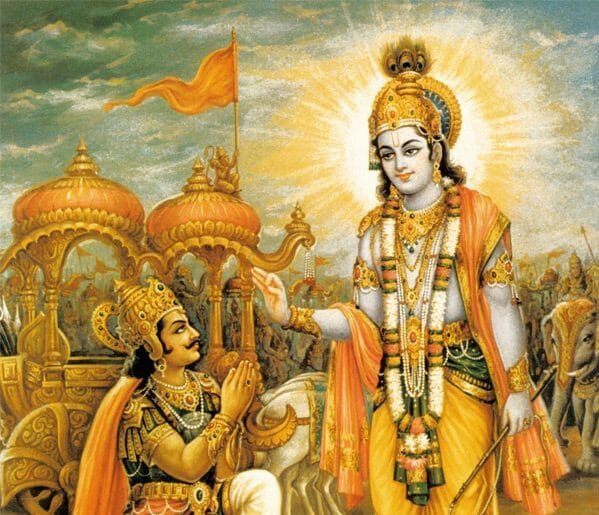
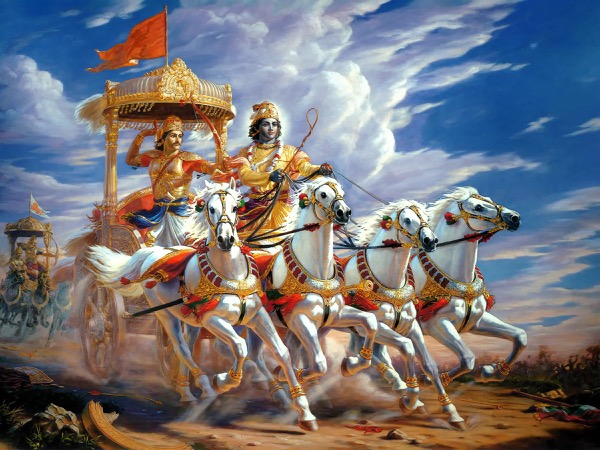
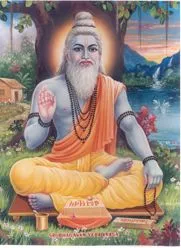
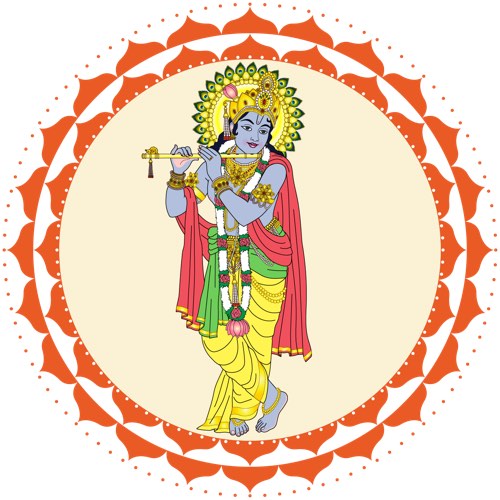
The Bhagavad Gita unfolds on the battlefield of kurukṣētra, a moment suspended between war and wisdom. Here, amidst the clash of the pāṇḍavāḥ and kauravāḥ, śrīkṛṣṇa and arjuna engage in a dialogue that transcends the immediate chaos. Chapter 14, titled guṇatrayavibhāgayōgaḥ - the yōga of the Division of the Three Gunas, invites us to look beneath the surface of action and emotion, into the very fabric of human nature.
In the previous chapters, śrīkṛṣṇa has guided arjuna through the paths of karma-yōga (selfless action), jñāna-yōga (knowledge), and bhakti-yōga (devotion). Chapter 13 explored the distinction between the field (kśetra) and the knower of the field (kśetrajñna), helping arjuna see the difference between the body and the true Self, or ātmā.
Looking ahead, the next chapter turns to puruṣōttamayōgaḥ, using the image of the upside-down Ashvattha tree to reveal the perishable world, the imperishable Self, and the Supreme Person beyond both. But first, Chapter 14 asks us to become explorers of our own inner landscape, to recognize the subtle forces at play, and to discover the freedom that comes from knowing who we truly are.
ōṃ śrī paramātmanē namaḥ
atha chaturdaśō'dhyāyaḥ
guṇatrayavibhāgayōgaḥ
Translation (bhāvārtha):
Salutations to the Supreme Self. Now begins the fourteenth chapter, called 'The Yoga of the Division of the Three Qualities.'
śrī bhagavānuvācha
paraṃ bhūyaḥ pravakṣyāmi jñānānāṃ jñānamuttamam ।
yajjñātvā munayaḥ sarvē parāṃ siddhimitō gatāḥ ॥1॥
Translation (bhāvārtha):
The Blessed Lord said: I will once more explain the supreme knowledge, the highest among all forms of wisdom. By understanding this, all contemplative sages have reached the ultimate perfection beyond this world.
idaṃ jñānamupāśritya mama sādharmyamāgatāḥ ।
sargē'pi nōpajāyantē pralayē na vyathanti cha ॥2॥
Translation (bhāvārtha):
Those who take refuge in this knowledge and reach a state of unity with Me are not born again during creation, nor do they experience distress during the dissolution of the universe.
mama yōnirmahadbrahma tasmingarbhaṃ dadhāmyaham ।
sambhavaḥ sarvabhūtānāṃ tatō bhavati bhārata ॥3॥
Translation (bhāvārtha):
My womb is the vast cosmic substance, and into it I place the seed of all life. From this union, Arjuna, comes the birth of every living being.
sarvayōniṣu kauntēya mūrtayaḥ sambhavanti yāḥ ।
tāsāṃ brahma mahadyōniḥ ahaṃ bījapradaḥ pitā ॥4॥
Translation (bhāvārtha):
O son of Kunti, whatever forms come into existence in any womb, the great source or womb for all of them is primordial nature, and I am the father who provides the seed.
sattvaṃ rajastama iti guṇāḥ prakṛtisambhavāḥ ।
nibadhnanti mahābāhō dēhē dēhinamavyayam ॥5॥
Translation (bhāvārtha):
O mighty-armed Arjuna, the qualities of clarity, activity, and inertia-known as sattva, rajas, and tamas-arise from nature and bind the unchanging self to the body.
tatra sattvaṃ nirmalatvāt prakāśakamanāmayam ।
sukhasaṅgēna badhnāti jñānasaṅgēna chānagha ॥6॥
Translation (bhāvārtha):
Of these qualities, sattva, because it is pure, is illuminating and free from harm. Yet, O sinless one, it binds by creating attachment to happiness and to knowledge.
rajō rāgātmakaṃ viddhi tṛṣṇāsaṅgasamudbhavam ।
tannibadhnāti kauntēya karmasaṅgēna dēhinam ॥7॥
Translation (bhāvārtha):
Understand that rajas is the quality of passion, which is rooted in craving and attachment. This force, Arjuna, binds the soul by creating a strong attachment to action and its results.
tamastvajñānajaṃ viddhi mōhanaṃ sarvadēhinām ।
pramādālasyanidrābhiḥ tannibadhnāti bhārata ॥8॥
Translation (bhāvārtha):
But know that tamas, the quality of darkness and inertia, is born from ignorance. It confuses all living beings, Arjuna, and binds them through negligence, laziness, and sleep.
sattvaṃ sukhē sañjayati rajaḥ karmaṇi bhārata ।
jñānamāvṛtya tu tamaḥ pramādē sañjayatyuta ॥9॥
Translation (bhāvārtha):
O Arjuna, the quality of clarity (sattva) binds one to happiness, the quality of passion (rajas) binds one to action, while the quality of inertia (tamas), by covering knowledge, binds one to carelessness and neglect.
rajastamaśchābhibhūya sattvaṃ bhavati bhārata ।
rajaḥ sattvaṃ tamaśchaiva tamaḥ sattvaṃ rajastathā ॥10॥
Translation (bhāvārtha):
O Arjuna, sometimes the quality of clarity (sattva) becomes dominant by subduing passion (rajas) and inertia (tamas); at other times, passion prevails by overpowering clarity and inertia; and likewise, inertia takes over by suppressing clarity and passion.
sarvadvārēṣu dēhē'smin prakāśa upajāyatē ।
jñānaṃ yadā tadā vidyāt vivṛddhaṃ sattvamityuta ॥11॥
Translation (bhāvārtha):
When the light of understanding shines clearly through all the senses in this body, know for certain that the quality of clarity and harmony, sattva, has become dominant.
lōbhaḥ pravṛttirārambhaḥ karmaṇāmaśamaḥ spṛhā ।
rajasyētāni jāyantē vivṛddhē bharatarṣabha ॥12॥
Translation (bhāvārtha):
O Arjuna, when the quality of rajas becomes dominant, greed, constant activity, the urge to begin new undertakings, restlessness, and intense longing all arise.
aprakāśō'pravṛttiścha pramādō mōha ēva cha ।
tamasyētāni jāyantē vivṛddhē kurunandana ॥13॥
Translation (bhāvārtha):
O Arjuna, when tamas becomes dominant, these arise: lack of clarity, inactivity, negligence, and delusion.
yadā sattvē pravṛddhē tu pralayaṃ yāti dēhabhṛt ।
tadōttamavidāṃ lōkān amalānpratipadyatē ॥14॥
Translation (bhāvārtha):
When a person dies while the quality of purity is dominant, they reach the flawless realms inhabited by those who have realized the highest truth.
rajasi pralayaṃ gatvā karmasaṅgiṣu jāyatē ।
tathā pralīnastamasi mūḍhayōniṣu jāyatē ॥15॥
Translation (bhāvārtha):
If someone dies while the quality of rajas is dominant, they are reborn among people who are attached to action and activity. In the same way, if someone dies when tamas is prevailing, they are born into families or species lacking in intelligence or awareness.
karmaṇaḥ sukṛtasyāhuḥ sāttvikaṃ nirmalaṃ phalam ।
rajasastu phalaṃ duḥkham ajñānaṃ tamasaḥ phalam ॥16॥
Translation (bhāvārtha):
The wise say that the outcome of good actions is pure and comes from the quality of clarity and harmony. The result of actions driven by passion is suffering, while the result of actions rooted in ignorance is further ignorance.
sattvātsañjāyatē jñānaṃ rajasō lōbha ēva cha ।
pramādamōhau tamasaḥ bhavatō'jñānamēva cha ॥17॥
Translation (bhāvārtha):
From purity and clarity comes knowledge; from passion and restlessness arises greed. From inertia and darkness emerge negligence, confusion, and also ignorance.
ūrdhvaṃ gachChanti sattvasthāḥ madhyē tiṣṭhanti rājasāḥ ।
jaghanyaguṇavṛttisthāḥ adhō gachChanti tāmasāḥ ॥18॥
Translation (bhāvārtha):
Those who are established in the quality of sattva rise to higher states, those who are influenced by rajas remain in the middle, and those whose actions are shaped by the lowest quality, tamas, descend to lower states.
nānyaṃ guṇēbhyaḥ kartāraṃ yadā draṣṭā'nupaśyati ।
guṇēbhyaścha paraṃ vētti madbhāvaṃ sō'dhigachChati ॥19॥
Translation (bhāvārtha):
When a person recognizes that the qualities of nature alone are responsible for all actions, and understands what is beyond these qualities, that person attains a state like Mine.
guṇānētānatītya trīn dēhī dēhasamudbhavān ।
janmamṛtyujarāduḥkhaiḥ vimuktō'mṛtamaśnutē ॥20॥
Translation (bhāvārtha):
When the embodied soul rises above these three qualities that originate in the body, it becomes free from birth, death, aging, and suffering, and attains a state of immortality.
arjuna uvācha
kairliṅgaistrīnguṇānētān atītō bhavati prabhō ।
kimāchāraḥ kathaṃ chaitān trīnguṇānativartatē ॥21॥
Translation (bhāvārtha):
Arjuna said: O Lord, by what signs can someone who has gone beyond these three qualities be recognized? What is their way of living, and how do they actually rise above these three qualities?
śrī bhagavānuvācha
prakāśaṃ cha pravṛttiṃ cha mōhamēva cha pāṇḍava ।
na dvēṣṭi sampravṛttāni na nivṛttāni kāṅkṣati ॥22॥
Translation (bhāvārtha):
The Blessed Lord said: O Arjuna, when illumination, activity, or delusion arise, the one who has transcended the modes does not dislike them; nor does he crave for them when they fade away.
udāsīnavadāsīnaḥ guṇairyō na vichālyatē ।
guṇā vartanta ityēva yō'vatiṣṭhati nēṅgatē ॥23॥
Translation (bhāvārtha):
One who sits as if detached, unaffected by the movements of the qualities of nature, and who understands that these qualities alone are active, remains steady and does not get swept away by them.
samaduḥkhasukhaḥ svasthaḥ samalōṣṭāśmakāñchanaḥ ।
tulyapriyāpriyō dhīraḥ tulyanindātmasaṃstutiḥ ॥24॥
Translation (bhāvārtha):
One who remains balanced in both pain and pleasure, who is anchored in their own true self, who sees no difference between a clod of earth, a stone, or gold, who is impartial toward what is pleasant or unpleasant, who is steady in wisdom, and who treats criticism and praise of themselves with equal regard.
mānāpamānayōstulyaḥ tulyō mitrāripakṣayōḥ ।
sarvārambhaparityāgī guṇātītaḥ sa uchyatē ॥25॥
Translation (bhāvārtha):
One who remains steady in both honor and dishonor, who treats friend and enemy alike, and who has given up all personal initiatives or undertakings, is recognized as someone who has transcended the influence of the material qualities.
māṃ cha yō'vyabhichārēṇa bhaktiyōgēna sēvatē ।
sa guṇānsamatītyaitān brahmabhūyāya kalpatē ॥26॥
Translation (bhāvārtha):
Whoever serves Me with unwavering devotion, practicing the yoga of single-minded love, transcends these qualities of nature and becomes eligible for the state of Brahman.
brahmaṇō hi pratiṣṭhā'ham amṛtasyāvyayasya cha ।
śāśvatasya cha dharmasya sukhasyaikāntikasya cha ॥27॥
Translation (bhāvārtha):
For I am the very foundation of Brahman, the immortal, the unchanging, the eternal law, and the supreme, undivided bliss.
॥ ōṃ tatsaditi śrīmadbhagavadgītāsu upaniṣatsu brahmavidyāyāṃ
yōgaśāstrē śrīkṛṣṇārjunasaṃvādē guṇatrayavibhāgayōgō chaturdaśō'dhyāyaḥ ॥
Translation (bhāvārtha):
Thus ends the fourteenth chapter, titled 'The Yoga of the Division of the Three Qualities', from the dialogue between Sri Krishna and Arjuna, found within the Upanishad-like scripture of the Bhagavad Gita, which teaches the knowledge of Brahman and the science of yoga.
Browse Related Categories: