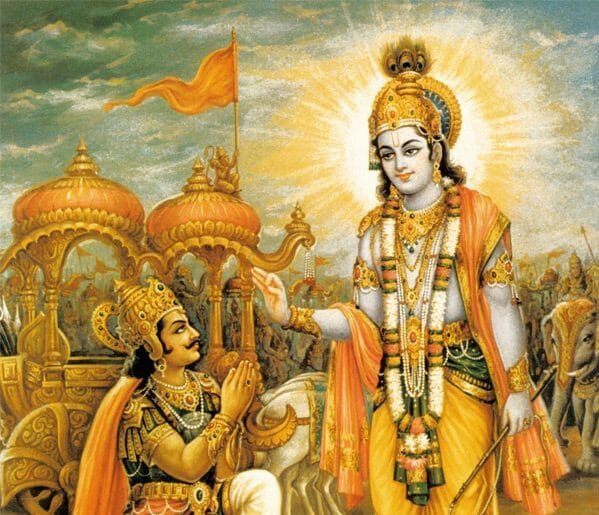
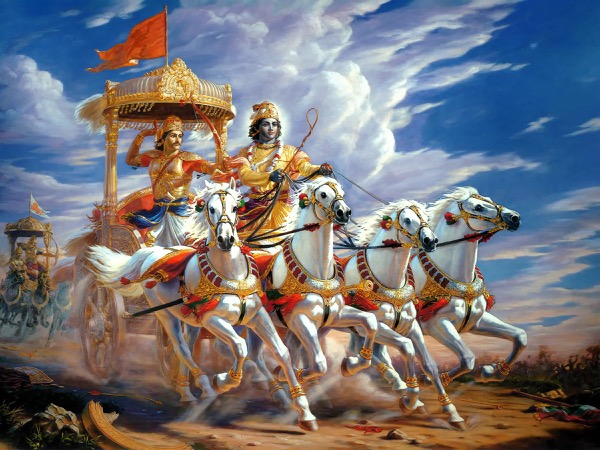
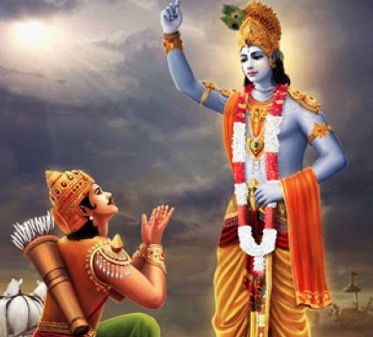
The thirteenth chapter of the Bhagavad Gita, titled kṣētrakṣētrajñavibhāgayōgaḥ (Kshetra-Kshetrajna Vibhaga yōga), opens with the echo of war drums on the fields of kurukṣētra. Here, in the heart of the mahābhārata epic, śrīkṛṣṇa and arjuna continue their profound dialogue, surrounded by the armies of the pāṇḍavāḥ and kauravāḥ.
This chapter's central theme is the distinction between the physical body (kṣētra) and the conscious self (kṣētrajña). śrīkṛṣṇa explains that the body, with all its sensations, memories, and desires, is like a field-ever-changing, subject to birth and decay. The true self, the ātmā, is the knower of this field: silent, aware, untouched by time.
Looking ahead, the next chapter will dive deeper into the three fundamental qualities-guṇas-that shape human nature and behavior. But before that, śrīkṛṣṇa lays the groundwork here, helping arjuna (and all of us) understand the difference between what we experience and the one who experiences. It is a call to wake up to our own awareness, to see ourselves not just as actors in the world, but as the silent witness behind it all.
ōṃ śrī paramātmanē namaḥ
atha trayōdaśō'dhyāyaḥ
kṣētrakṣētrajñavibhāgayōgaḥ
Translation (bhāvārtha):
Om. Salutations to the Supreme Self. Now begins the thirteenth chapter, called 'The Yoga of the Distinction between the Field and the Knower of the Field.'
arjuna uvācha
prakṛtiṃ puruṣaṃ chaiva kṣētraṃ kṣētrajñamēva cha ।
ētat vēditumichChāmi jñānaṃ jñēyaṃ cha kēśava ॥0॥
Translation (bhāvārtha):
Arjuna said: O Kesava, I wish to understand what is meant by nature and spirit, the field and its knower, as well as knowledge and what should be known.
śrī bhagavānuvācha
idaṃ śarīraṃ kauntēya kṣētramityabhidhīyatē ।
ētadyō vētti taṃ prāhuḥ kṣētrajña iti tadvidaḥ ॥1॥
Translation (bhāvārtha):
The Blessed Lord said: Arjuna, this body is referred to as the field. One who understands this field is called the knower of the field by those who are wise.
kṣētrajñaṃ chāpi māṃ viddhi sarvakṣētrēṣu bhārata ।
kṣētrakṣētrajñayōrjñānaṃ yattajjñānaṃ mataṃ mama ॥2॥
Translation (bhāvārtha):
Know, Arjuna, that I am the knower of the field in all bodies. Understanding the distinction between the field and its knower is what I consider to be true knowledge.
tatkṣētraṃ yachcha yādṛkcha yadvikāri yataścha yat ।
sa cha yō yatprabhāvaścha tatsamāsēna mē śṛṇu ॥3॥
Translation (bhāvārtha):
Now listen as I explain to you, in brief, what the field is, its nature, its changes, its origin, and also who the knower of the field is and what powers they possess.
ṛṣibhirbahudhā gītaṃ Chandōbhirvividhaiḥ pṛthak ।
brahmasūtrapadaiśchaiva hētumadbhirviniśchitaiḥ ॥4॥
Translation (bhāvārtha):
The sages have explained this subject in many ways, using diverse Vedic hymns and also through the logical and definitive statements of the Brahma Sutras.
mahābhūtānyahaṅkāraḥ buddhiravyaktamēva cha ।
indriyāṇi daśaikaṃ cha pañcha chēndriyagōcharāḥ ॥5॥
Translation (bhāvārtha):
The five great elements, the sense of ego, the intellect, the unmanifest, the ten senses and the mind, and the five objects of the senses-these together make up the field.
ichChā dvēṣaḥ sukhaṃ duḥkhaṃ saṅghātaśchētanā dhṛtiḥ ।
ētatkṣētraṃ samāsēna savikāramudāhṛtam ॥6॥
Translation (bhāvārtha):
Desire, aversion, pleasure, pain, the physical body as an aggregate, consciousness, and steadfastness-these, along with their various changes, are briefly described as the field.
amānitvamadambhitvam ahiṃsā kṣāntirārjavam ।
āchāryōpāsanaṃ śauchaṃ sthairyamātmavinigrahaḥ ॥7॥
Translation (bhāvārtha):
Humility, honesty, non-violence, patience, sincerity, devotion to one's teacher, cleanliness, steadiness, and self-control are qualities that make up the field of experience.
indriyārthēṣu vairāgyam anahaṅkāra ēva cha ।
janmamṛtyujarāvyādhi-duḥkhadōṣānudarśanam ॥8॥
Translation (bhāvārtha):
Detachment from the pleasures of the senses, freedom from pride, and the steady awareness of the pain and flaws found in birth, death, aging, and illness-these are qualities of knowledge.
asaktiranabhiṣvaṅgaḥ putradāragṛhādiṣu ।
nityaṃ cha samachittatvam iṣṭāniṣṭōpapattiṣu ॥9॥
Translation (bhāvārtha):
Freedom from attachment and possessiveness regarding children, spouse, home, and similar things; always maintaining a balanced mind in both favorable and unfavorable situations.
mayi chānanyayōgēna bhaktiravyabhichāriṇī ।
viviktadēśasēvitvam aratirjanasaṃsadi ॥10॥
Translation (bhāvārtha):
Unwavering devotion to Me through exclusive yoga, a preference for quiet and solitary places, and a lack of attraction to crowds or social gatherings.
adhyātmajñānanityatvaṃ tattvajñānārthadarśanam ।
ētajjñānamiti prōktam ajñānaṃ yadatō'nyathā ॥11॥
Translation (bhāvārtha):
Steadfastness in the pursuit of self-knowledge, and the understanding of the true purpose behind wisdom-these are declared to be knowledge. Anything contrary to this is considered ignorance.
jñēyaṃ yattatpravakṣyāmi yajjñātvā'mṛtamaśnutē ।
anādimatparaṃ brahma na sattannāsaduchyatē ॥12॥
Translation (bhāvārtha):
I will now describe that which is to be known, by knowing which one attains immortality. It is the beginningless Supreme Brahman, which is neither called being nor non-being.
sarvataḥ pāṇipādaṃ tat sarvatō'kṣiśirōmukham ।
sarvataḥ śrutimallōkē sarvamāvṛtya tiṣṭhati ॥13॥
Translation (bhāvārtha):
That Supreme Reality has hands and feet everywhere, eyes, heads, and mouths in all directions, and ears throughout the world. Pervading everything, it remains present in all.
sarvēndriyaguṇābhāsaṃ sarvēndriyavivarjitam ।
asaktaṃ sarvabhṛchchaiva nirguṇaṃ guṇabhōktṛ cha ॥14॥
Translation (bhāvārtha):
That which appears as the activity of all senses, yet is itself without any senses, remains unattached, supports everything, is beyond all qualities, and yet experiences the play of qualities.
bahirantaścha bhūtānām acharaṃ charamēva cha ।
sūkṣmatvāttadavijñēyaṃ dūrasthaṃ chāntikē cha tat ॥15॥
Translation (bhāvārtha):
That which exists both outside and inside all beings, which is both unmoving and moving, is so subtle that it cannot be easily known. It is far away yet also very close.
avibhaktaṃ cha bhūtēṣu vibhaktamiva cha sthitam ।
bhūtabhartṛ cha tajjñēyaṃ grasiṣṇu prabhaviṣṇu cha ॥16॥
Translation (bhāvārtha):
That which is to be known appears undivided in all beings, yet seems divided among them. It is present as the sustainer of all, and is both the absorber and the source of all beings.
jyōtiṣāmapi tajjyōtiḥ tamasaḥ paramuchyatē ।
jñānaṃ jñēyaṃ jñānagamyaṃ hṛdi sarvasya viṣṭhitam ॥17॥
Translation (bhāvārtha):
That which is the light of all lights, said to be beyond darkness, is known as knowledge, the object to be known, and attainable through knowledge. It dwells in the heart of every being.
iti kṣētraṃ tathā jñānaṃ jñēyaṃ chōktaṃ samāsataḥ ।
madbhakta ētadvijñāya madbhāvāyōpapadyatē ॥18॥
Translation (bhāvārtha):
Thus, the field, knowledge, and the knowable have been concisely explained. Whoever, being devoted to me, truly understands this, becomes fit to attain my own state of being.
prakṛtiṃ puruṣaṃ chaiva viddhyanādī ubhāvapi ।
vikārāṃścha guṇāṃśchaiva viddhi prakṛtisambhavān ॥19॥
Translation (bhāvārtha):
Understand that both material nature and the conscious self are without beginning. Also know that all changes and qualities arise from material nature.
kāryakaraṇakartṛtvē hētuḥ prakṛtiruchyatē ।
puruṣaḥ sukhaduḥkhānāṃ bhōktṛtvē hēturuchyatē ॥20॥
Translation (bhāvārtha):
Nature is described as the source of action, the instruments of action, and the sense of agency. The self is considered the cause of experiencing pleasure and pain.
puruṣaḥ prakṛtisthō hi bhuṅktē prakṛtijānguṇān ।
kāraṇaṃ guṇasaṅgō'sya sadasadyōnijanmasu ॥21॥
Translation (bhāvārtha):
The individual self, residing in material nature, certainly experiences the qualities that arise from nature. Attachment to these qualities is the cause for its birth in both favorable and unfavorable forms.
upadraṣṭā'numantā cha bhartā bhōktā mahēśvaraḥ ।
paramātmēti chāpyuktaḥ dēhē'sminpuruṣaḥ paraḥ ॥22॥
Translation (bhāvārtha):
Within this body, the supreme person is described as the witness, the one who permits, the supporter, the experiencer, the ultimate lord, and the supreme self. Though present in the body, this higher self remains distinct and beyond material nature.
ya ēvaṃ vētti puruṣaṃ prakṛtiṃ cha guṇaiḥ saha ।
sarvathā vartamānō'pi na sa bhūyō'bhijāyatē ॥23॥
Translation (bhāvārtha):
Whoever truly understands both the conscious Self and material nature, along with its qualities, and recognizes their relationship, such a person, even while living and acting in every possible way, is not born again.
dhyānēnātmani paśyanti kēchidātmānamātmanā ।
anyē sāṅkhyēna yōgēna karmayōgēna chāparē ॥24॥
Translation (bhāvārtha):
Some people realize the self within themselves through meditation. Others come to this understanding by following the path of knowledge, some through disciplined practice, and still others by selfless action.
anyē tvēvamajānantaḥ śrutvā'nyēbhya upāsatē ।
tē'pi chātitarantyēva mṛtyuṃ śrutiparāyaṇāḥ ॥25॥
Translation (bhāvārtha):
Others, even without direct knowledge, hear from those who know and follow what they have learned with dedication. By sincerely practicing what the scriptures teach, they too cross beyond death and the cycle of rebirth.
yāvatsañjāyatē kiñchit sattvaṃ sthāvarajaṅgamam ।
kṣētrakṣētrajñasaṃyōgāt tadviddhi bharatarṣabha ॥26॥
Translation (bhāvārtha):
O Arjuna, know that every living or non-living being that comes into existence, no matter how small, is born from the union of the field and the knower of the field.
samaṃ sarvēṣu bhūtēṣu tiṣṭhantaṃ paramēśvaram ।
vinaśyatsvavinaśyantaṃ yaḥ paśyati sa paśyati ॥27॥
Translation (bhāvārtha):
Whoever perceives the Supreme Lord abiding equally in all beings, remaining unchanged even as they perish, truly sees reality.
samaṃ paśyanhi sarvatra samavasthitamīśvaram ।
na hinastyātmanā''tmānaṃ tatō yāti parāṃ gatim ॥28॥
Translation (bhāvārtha):
Whoever truly sees that the Supreme Lord is equally present in all beings and remains unchanged even as bodies perish, such a person does not harm themselves by their own actions and ultimately reaches the highest state.
prakṛtyaiva cha karmāṇi kriyamāṇāni sarvaśaḥ ।
yaḥ paśyati tathā''tmānam akartāraṃ sa paśyati ॥29॥
Translation (bhāvārtha):
Whoever perceives that all actions are carried out entirely by nature, and recognizes the self as not the true agent, truly sees things as they are.
yadā bhūtapṛthagbhāvam ēkasthamanupaśyati ।
tata ēva cha vistāraṃ brahma sampadyatē tadā ॥30॥
Translation (bhāvārtha):
When a person perceives that the separate existences of all beings are rooted in the One and that their expansion comes from that same source, then they truly attain the Absolute.
anāditvānnirguṇatvāt paramātmāyamavyayaḥ ।
śarīrasthō'pi kauntēya na karōti na lipyatē ॥31॥
Translation (bhāvārtha):
Because the supreme Self is without beginning and beyond material qualities, even though it resides in the body, O Arjuna, it neither acts nor is tainted by actions.
yathā sarvagataṃ saukṣmyāt ākāśaṃ nōpalipyatē ।
sarvatrāvasthitō dēhē tathā''tmā nōpalipyatē ॥32॥
Translation (bhāvārtha):
Just as space, being extremely subtle and present everywhere, is never tainted by anything it contains, so too the Self, though present in every body, remains untouched and unaffected.
yathā prakāśayatyēkaḥ kṛtsnaṃ lōkamimaṃ raviḥ ।
kṣētraṃ kṣētrī tathā kṛtsnaṃ prakāśayati bhārata ॥33॥
Translation (bhāvārtha):
Just as the single sun lights up the entire world, so too, O Arjuna, the knower of the body illuminates the whole field of the body.
kṣētrakṣētrajñayōrēvam antaraṃ jñānachakṣuṣā ।
bhūtaprakṛtimōkṣaṃ cha yē viduryānti tē param ॥34॥
Translation (bhāvārtha):
Those who, through the eye of wisdom, recognize the true distinction between the field and the knower of the field, and also understand how beings are bound and liberated from material nature, they alone reach the highest reality.
॥ ōṃ tatsaditi śrīmadbhagavadgītāsu upaniṣatsu brahmavidyāyāṃ
yōgaśāstrē śrīkṛṣṇārjunasaṃvādē kṣētrakṣētrajñavibhāgayōgō nāma trayōdaśō'dhyāyaḥ ॥
Translation (bhāvārtha):
Thus ends the thirteenth chapter, called The Yoga of the Distinction between the Field and the Knower of the Field, in the revered Bhagavad Gita, which is a dialogue between Sri Krishna and Arjuna, and is a scripture of yoga and knowledge of the ultimate reality, among the Upanishads.
Browse Related Categories: