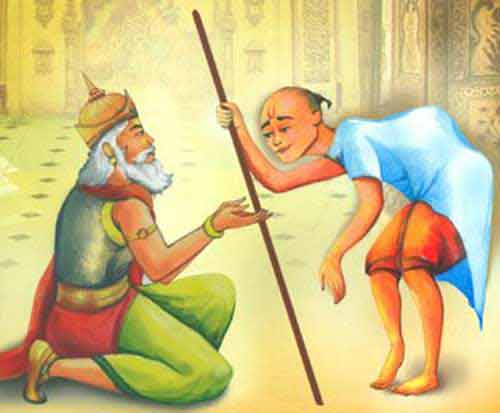
aṣṭāvakra gītā is a 20-chapter dialogue of direct advaita, moving from inquiry to recognition to effortless stabilization. Again and again it points to the same correction: you are the awareness that knows experience, not the body-mind bundle that is experienced. When this is seen clearly, the inner compulsion to seek completion through objects, roles, and achievements begins to dissolve.
In the previous chapter (Chapter 12), janaka repeatedly says ēvamēva ahamāsthitaḥ - "thus I abide" - describing a mind that has grown weary of needless busyness and has stopped turning states and practices into identity. That chapter shows the settling that follows conviction: distraction and forced concentration both lose their grip, the constant "accept/reject" reflex fades, and even the urge to grasp the ungraspable Self through thought is abandoned.
Seen as a whole, Chapter 13 is a chapter of ordinary-looking freedom. It shows how realization expresses itself as simplicity: less mental bargaining, less self-punishment, less obsession with achievement, and more natural ease. The refrain yathāsukham is not indulgence; it is the absence of inner resistance.
janaka uvācha ॥
akiñchanabhavaṃ svāsthyaṃ kaupīnatvē'pi durlabham ।
tyāgādānē vihāyāsmādahamāsē yathāsukham ॥ 13-1॥
Translation (bhāvārtha):
Janaka said: The well-being of non-possessiveness is rare, even for one living in utter simplicity. Abandoning the inner habit of taking and rejecting, I remain at ease.
kutrāpi khēdaḥ kāyasya jihvā kutrāpi khidyatē ।
manaḥ kutrāpi tattyaktvā puruṣārthē sthitaḥ sukham ॥ 13-2॥
Translation (bhāvārtha):
The body may be weary somewhere, the tongue may be tired somewhere, and the mind may wander somewhere. Leaving that as it is, established in the true human purpose, I remain at ease.
kṛtaṃ kimapi naiva syād iti sañchintya tattvataḥ ।
yadā yatkartumāyāti tat kṛtvāsē yathāsukham ॥ 13-3॥
Translation (bhāvārtha):
Reflecting truly that nothing is really "done" (by the Self), whatever arises to be done, I do it, and then I remain at ease.
karmanaiṣkarmyanirbandhabhāvā dēhasthayōginaḥ ।
saṃyōgāyōgavirahādahamāsē yathāsukham ॥ 13-4॥
Translation (bhāvārtha):
For the embodied yogi, rigid insistence on "action" or "non-action" falls away. Free of the notions of union and non-union, I abide at ease.
arthānarthau na mē sthityā gatyā na śayanēna vā ।
tiṣṭhan gachChan svapan tasmādahamāsē yathāsukham ॥ 13-5॥
Translation (bhāvārtha):
For me, gain and loss do not depend on standing, moving, or sleeping. Therefore, whether standing, going, or sleeping, I abide at ease.
svapatō nāsti mē hāniḥ siddhiryatnavatō na vā ।
nāśōllāsau vihāyāsmādahamāsē yathāsukham ॥ 13-6॥
Translation (bhāvārtha):
For me there is no loss in sleeping, and success does not necessarily come from effort. Abandoning both despair and excitement, I remain at ease.
sukhādirūpā niyamaṃ bhāvēṣvālōkya bhūriśaḥ ।
śubhāśubhē vihāyāsmādahamāsē yathāsukham ॥ 13-7॥
Translation (bhāvārtha):
Having repeatedly observed the regular pattern of pleasure and the rest in experiences, and leaving aside the obsession with good and bad, I remain at ease.
Browse Related Categories: