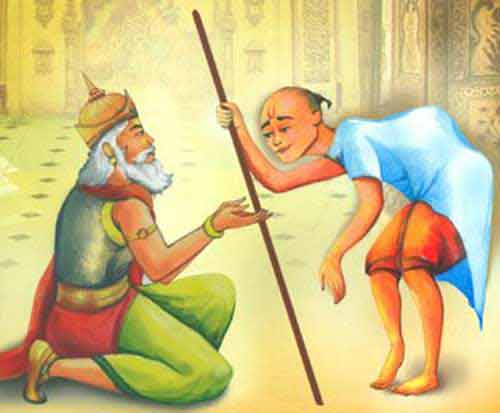
aṣṭāvakra gītā is a 20-chapter dialogue of direct advaita, alternating between aṣṭāvakra's sharp pointers and janaka's deepening recognition. Its method is not to decorate life with beliefs, but to correct the central mistake that produces bondage: taking the body-mind to be the Self. Again and again it points to the witness (sākṣī) - awareness itself - as what you are, and shows how freedom becomes natural when identification loosens.
The previous chapters have already established the core vision. Chapter 1 combines ethical stabilizers with direct inquiry into the witness. Chapter 2 speaks the afterglow of recognition through metaphors like wave-water and rope-snake, loosening fear and ownership. Chapter 3 exposes the subtle ways desire and ego can survive after insight, and Chapter 4 describes the lived texture of freedom where compulsion drops.
Seen as a whole, Chapter 7 is a chapter of unshakable inner balance. It says: let the world-boat drift; let the world-wave rise and fall; none of this adds to or subtracts from awareness. The result is not coldness but spaciousness: janaka remains śānta (peaceful), asakta (unattached), and aspṛha (without hungry craving).
janaka uvācha ॥
mayyanantamahāmbhōdhau viśvapōta itastataḥ ।
bhramati svāntavātēna na mamāstyasahiṣṇutā ॥ 7-1॥
Translation (bhāvārtha):
Janaka said: In me, the infinite great ocean, the boat of the world drifts here and there by the wind of its own nature. For me there is no impatience.
mayyanantamahāmbhōdhau jagadvīchiḥ svabhāvataḥ ।
udētu vāstamāyātu na mē vṛddhirna cha kṣatiḥ ॥ 7-2॥
Translation (bhāvārtha):
In me, the infinite great ocean, the wave of the world rises and sets naturally. For me there is no gain and no loss.
mayyanantamahāmbhōdhau viśvaṃ nāma vikalpanā ।
atiśāntō nirākāra ētadēvāhamāsthitaḥ ॥ 7-3॥
Translation (bhāvārtha):
In me, the infinite great ocean, the world is only a conceptual construction. I am exceedingly peaceful and formless; I abide as this alone.
nātmā bhāvēṣu nō bhāvastatrānantē nirañjanē ।
ityasaktō'spṛhaḥ śānta ētadēvāhamāsthitaḥ ॥ 7-4॥
Translation (bhāvārtha):
The Self is not in objects, nor are objects in the Self there in the infinite, spotless reality. Knowing thus, unattached and without craving, I abide in peace as this alone.
ahō chinmātramēvāhamindrajālōpamaṃ jagat ।
iti mama kathaṃ kutra hēyōpādēyakalpanā ॥ 7-5॥
Translation (bhāvārtha):
Ah! I am pure consciousness alone, and the world is like a magic show. Then how and where, for me, can there be the imagining of "reject this" and "accept that"?
Browse Related Categories: