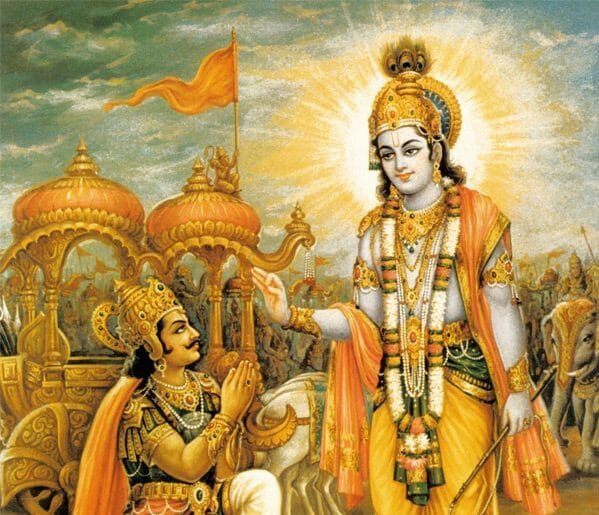
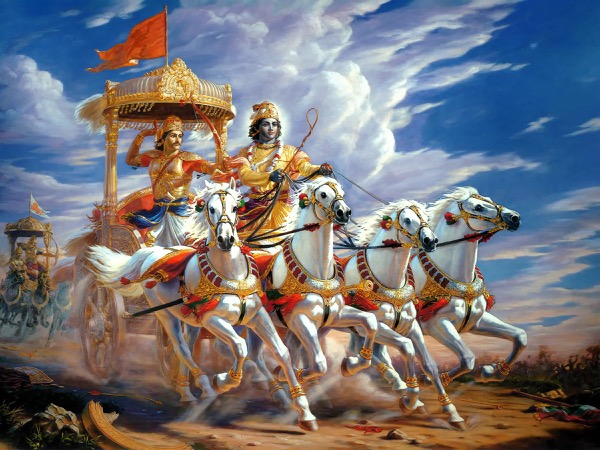
The seventeenth chapter of the Bhagavad Gita, called śraddhātrayavibhāgayōgaḥ or the yōga of the Threefold Faith, unfolds on the battlefield of kurukṣētra, in the heart of the mahābhārata epic. Here, amidst the tension between the pāṇḍavāḥ and the kauravāḥ, arjuna continues his profound conversation with śrīkṛṣṇa.
In the previous chapter, śrīkṛṣṇa described the contrast between divine and demonic qualities, warning how arrogance, anger, and disregard for scripture lead away from freedom. Yet, arjuna is left wondering: what about those who act with faith but do not know the scriptures?
As the Gita nears its conclusion, this chapter sets the stage for the final teachings. The next and last chapter will bring together all the threads-action, knowledge, and devotion (karma-yōga, jñāna-yōga, bhakti-yōga)-offering a grand synthesis and ultimate guidance for a life of meaning and freedom.
ōṃ śrī paramātmanē namaḥ
atha saptadaśō'dhyāyaḥ
śraddhātrayavibhāgayōgaḥ
Translation (bhāvārtha):
Om. Salutations to the Supreme Self. Now begins the seventeenth chapter, called The Yoga of the Threefold Division of Faith.
arjuna uvācha
yē śāstravidhimutsṛjya yajantē śraddhayānvitāḥ ।
tēṣāṃ niṣṭhā tu kā kṛṣṇa sattvamāhō rajastamaḥ ॥1॥
Translation (bhāvārtha):
Arjuna said: O Krishna, what is the condition of those who, setting aside the rules of scripture, worship with sincere faith? Is their foundation in clarity (sattva), passion (rajas), or ignorance (tamas)?
śrī bhagavānuvācha
trividhā bhavati śraddhā dēhināṃ sā svabhāvajā ।
sāttvikī rājasī chaiva tāmasī chēti tāṃ śṛṇu ॥2॥
Translation (bhāvārtha):
The Blessed Lord said: Faith in people arises from their own nature and is of three types: shaped by clarity, passion, or inertia. Listen as I explain this further.
sattvānurūpā sarvasya śraddhā bhavati bhārata ।
śraddhāmayō'yaṃ puruṣaḥ yō yachChraddhaḥ sa ēva saḥ ॥3॥
Translation (bhāvārtha):
O Arjuna, the faith of every person matches their inner nature. A person is shaped by their faith; whatever their faith is, that is what they become.
yajantē sāttvikā dēvān yakṣarakṣāṃsi rājasāḥ ।
prētānbhūtagaṇāṃśchānyē yajantē tāmasā janāḥ ॥4॥
Translation (bhāvārtha):
Those with a predominance of clarity and harmony worship the gods. Those driven by passion and restlessness turn to nature spirits and powerful beings. Others, whose minds are clouded by ignorance, direct their worship toward ghosts and various lower spirits.
aśāstravihitaṃ ghōraṃ tapyantē yē tapō janāḥ ।
dambhāhaṅkārasaṃyuktāḥ kāmarāgabalānvitāḥ ॥5॥
Translation (bhāvārtha):
Those people who, driven by hypocrisy and pride, and fueled by desire, attachment, and the force of passion, undertake harsh austerities that are not authorized by scripture-such individuals engage in practices that are not truly spiritual.
karśayantaḥ śarīrasthaṃ bhūtagrāmamachētasaḥ ।
māṃ chaivāntaḥ śarīrasthaṃ tānviddhyāsuraniśchayān ॥6॥
Translation (bhāvārtha):
Those who, lacking understanding, torment the elements of their own bodies and even Me who dwell within, know them to be driven by demonic resolve.
āhārastvapi sarvasya trividhō bhavati priyaḥ ।
yajñastapastathā dānaṃ tēṣāṃ bhēdamimaṃ śṛṇu ॥7॥
Translation (bhāvārtha):
Food, which everyone values, can be divided into three types. The same is true for sacrifice, austerity, and charity. Now, listen as I explain the differences among them.
āyuḥsattvabalārōgya-sukhaprītivivardhanāḥ ।
rasyāḥ snigdhāḥ sthirā hṛdyāḥ āhārāḥ sāttvikapriyāḥ ॥8॥
Translation (bhāvārtha):
Foods that nourish life, mental clarity, strength, health, happiness, and contentment, and which are juicy, mildly oily, substantial, and pleasing to the senses, are favored by those with a pure and balanced disposition.
kaṭvamlalavaṇātyuṣṇa-tīkṣṇarūkṣavidāhinaḥ ।
āhārā rājasasyēṣṭāḥ duḥkhaśōkāmayapradāḥ ॥9॥
Translation (bhāvārtha):
Foods that are extremely bitter, sour, salty, overly hot, intensely pungent, dry, or that cause a burning feeling are favored by those with a passionate temperament. Such foods tend to bring about pain, distress, and illness.
yātayāmaṃ gatarasaṃ pūti paryuṣitaṃ cha yat ।
uchChiṣṭamapi chāmēdhyaṃ bhōjanaṃ tāmasapriyam ॥10॥
Translation (bhāvārtha):
Food that is stale, tasteless, foul-smelling, left over from previous days, remnants from others, or impure and unfit for ritual use is preferred by those with a tamasic disposition.
aphalākāṅkṣibhiryajñaḥ vidhidṛṣṭō ya ijyatē ।
yaṣṭavyamēvēti manaḥ samādhāya sa sāttvikaḥ ॥11॥
Translation (bhāvārtha):
A sacrifice that is performed as prescribed in the scriptures, by people who have no expectation of personal gain, and with a steady conviction that it should be done simply because it is a duty-such a sacrifice is considered to be pure and guided by clarity.
abhisandhāya tu phalaṃ dambhārthamapi chaiva yat ।
ijyatē bharataśrēṣṭha taṃ yajñaṃ viddhi rājasam ॥12॥
Translation (bhāvārtha):
But that sacrifice which is performed with the aim of gaining some result, or for the sake of showing off, know that sacrifice to be driven by passion, Arjuna.
vidhihīnamasṛṣṭānnaṃ mantrahīnamadakṣiṇam ।
śraddhāvirahitaṃ yajñaṃ tāmasaṃ parichakṣatē ॥13॥
Translation (bhāvārtha):
A sacrifice is called tamasic when it disregards scriptural guidelines, does not share food, omits the chanting of mantras, neglects to offer gifts to priests, and is performed without genuine faith.
dēvadvijaguruprājña-pūjanaṃ śauchamārjavam ।
brahmacharyamahiṃsā cha śārīraṃ tapa uchyatē ॥14॥
Translation (bhāvārtha):
Revering the divine, the learned, teachers, and the wise; maintaining cleanliness, honesty, self-control in conduct, and not harming others-these are considered bodily forms of discipline.
anudvēgakaraṃ vākyaṃ satyaṃ priyahitaṃ cha yat ।
svādhyāyābhyasanaṃ chaiva vāṅmayaṃ tapa uchyatē ॥15॥
Translation (bhāvārtha):
Speech that does not disturb or hurt others, that is truthful, pleasant, and helpful, along with the regular study and recitation of sacred texts, is considered the discipline of speech.
manaḥ prasādaḥ saumyatvaṃ maunamātmavinigrahaḥ ।
bhāvasaṃśuddhirityētat tapō mānasamuchyatē ॥16॥
Translation (bhāvārtha):
Calmness of mind, kindness, thoughtful silence, self-mastery, and sincerity of heart are considered the disciplines of mental austerity.
śraddhayā parayā taptaṃ tapastattrividhaṃ naraiḥ ।
aphalākāṅkṣibhiryuktaiḥ sāttvikaṃ parichakṣatē ॥17॥
Translation (bhāvārtha):
When people practice this threefold discipline with deep faith, without seeking any personal gain, and with self-mastery, it is recognized as an austerity rooted in purity.
satkāramānapūjārthaṃ tapō dambhēna chaiva yat ।
kriyatē tadiha prōktaṃ rājasaṃ chalamadhruvam ॥18॥
Translation (bhāvārtha):
Austerity performed for the sake of gaining honor, respect, or worship, and carried out with show or hypocrisy, is described as rajasic. Such discipline is unstable and its results are fleeting, lasting only in this world.
mūḍhagrāhēṇātmanō yat pīḍayā kriyatē tapaḥ ।
parasyōtsādanārthaṃ vā tattāmasamudāhṛtam ॥19॥
Translation (bhāvārtha):
Austerity performed with a misguided mindset, causing pain to oneself or intended to harm others, is considered to be of the nature of darkness and ignorance.
dātavyamiti yaddānaṃ dīyatē'nupakāriṇē ।
dēśē kālē cha pātrē cha taddānaṃ sāttvikaṃ smṛtam ॥20॥
Translation (bhāvārtha):
A gift is considered sattvic when it is given simply because it should be given, to someone who cannot repay, at the right place and time, and to a deserving person.
yattu pratyupakārārthaṃ phalamuddiśya vā punaḥ ।
dīyatē cha parikliṣṭaṃ taddānaṃ rājasaṃ smṛtam ॥21॥
Translation (bhāvārtha):
But that gift which is given with the expectation of getting something in return, or with the hope of some personal benefit, or is offered unwillingly, is understood to be a gift influenced by passion.
adēśakālē yaddānam apātrēbhyaścha dīyatē ।
asatkṛtamavajñātaṃ tattāmasamudāhṛtam ॥22॥
Translation (bhāvārtha):
A gift that is given at the wrong place or time, to people who are not worthy, without proper respect or with contempt, is considered to be of tamasic nature.
ōṃ tatsaditi nirdēśaḥ brahmaṇastrividhaḥ smṛtaḥ ।
brāhmaṇāstēna vēdāścha yajñāścha vihitāḥ purā ॥23॥
Translation (bhāvārtha):
The words OM, Tat, and Sat are said to be the threefold designation of Brahman. By these, in ancient times, the Brahmanas, the Vedas, and the sacrifices were prescribed and set forth.
tasmādōmityudāhṛtya yajñadānatapaḥkriyāḥ ।
pravartantē vidhānōktāḥ satataṃ brahmavādinām ॥24॥
Translation (bhāvārtha):
Therefore, those who follow the scriptural path and speak of the Vedas always begin acts of sacrifice, charity, and austerity, as prescribed, by first uttering the sacred syllable Om.
tadityanabhisandhāya phalaṃ yajñatapaḥkriyāḥ ।
dānakriyāścha vividhāḥ kriyantē mōkṣakāṅkṣibhiḥ ॥25॥
Translation (bhāvārtha):
By uttering the word 'Tat', seekers of liberation perform sacrifices, austerities, and various acts of charity without any desire for personal reward.
sadbhāvē sādhubhāvē cha sadityētatprayujyatē ।
praśastē karmaṇi tathā sachChabdaḥ pārtha yujyatē ॥26॥
Translation (bhāvārtha):
The word 'sat' is used to indicate existence or reality, and also to signify goodness. In the same way, Arjuna, 'sat' is applied to any auspicious or commendable action.
yajñē tapasi dānē cha sthitiḥ saditi chōchyatē ।
karma chaiva tadarthīyaṃ sadityēvābhidhīyatē ॥27॥
Translation (bhāvārtha):
Steadfastness in sacrifice, austerity, and charity is described as 'sat'-meaning true or good. Any action performed for the sake of these practices is also regarded as 'sat' or auspicious.
aśraddhayā hutaṃ dattaṃ tapastaptaṃ kṛtaṃ cha yat ।
asadityuchyatē pārtha na cha tatprētya nō iha ॥28॥
Translation (bhāvārtha):
O Arjuna, whatever is offered in sacrifice, given in charity, performed as austerity, or done as an action without faith is considered ineffective and meaningless. Such acts are called 'asat'-they bear no fruit either in this life or after death.
॥ ōṃ tatsaditi śrīmadbhagavadgītāsu upaniṣatsu brahmavidyāyāṃ
yōgaśāstrē śrīkṛṣṇārjunasaṃvādē śraddhātrayavibhāgayōgō nāma saptadaśō'dhyāyaḥ ॥
Translation (bhāvārtha):
Thus ends the seventeenth chapter, called the Yoga of the Division of the Threefold Faith, in the Upanishads of the Bhagavad Gita, which is the scripture of yoga and the teaching of knowledge of Brahman, presented as a dialogue between Sri Krishna and Arjuna.
Browse Related Categories: