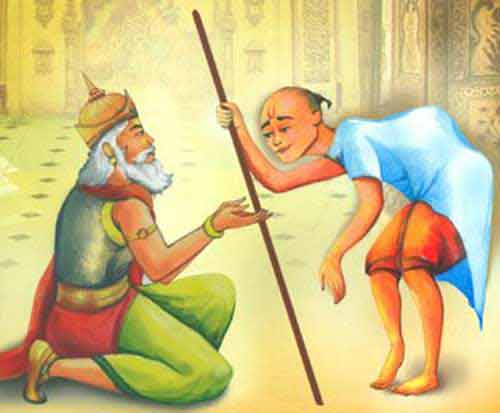
aṣṭāvakra gītā is a 20-chapter dialogue of radical advaita, alternating between aṣṭāvakra's precise instruction and janaka's ripening recognition. Again and again it points to one correction that changes everything: you are the awareness that knows experience, not the body-mind that appears in experience. The work does not aim to create a new spiritual personality; it aims to dissolve the old habit of identification, so life can be lived with responsibility but without inner bondage.
Up to this point, the dialogue has moved through a clear arc. Chapter 1 answers janaka's questions about jñāna, mukti, and vairāgya, warning against compulsive attachment to viṣayas while pointing to the witness (sākṣī). Chapter 2 expresses the "afterglow" of recognition through metaphors like wave-water and rope-snake, loosening fear and ownership.
Seen as a whole, Chapter 5 is the "laya chapter": it points to freedom as a collapse of false identification, not as a project of self-improvement.
aṣṭāvakra uvācha ॥
na tē saṅgō'sti kēnāpi kiṃ śuddhastyaktumichChasi ।
saṅghātavilayaṃ kurvannēvamēva layaṃ vraja ॥ 5-1॥
Translation (bhāvārtha):
Ashtavakra said: You have no real attachment to anyone. Why do you, being pure, wish to renounce? Dissolve identification with the aggregate, and in this way enter dissolution.
udēti bhavatō viśvaṃ vāridhēriva budbudaḥ ।
iti jñātvaikamātmānamēvamēva layaṃ vraja ॥ 5-2॥
Translation (bhāvārtha):
The world arises from you like a bubble from the ocean. Knowing yourself as the one Self, in this very way enter dissolution.
pratyakṣamapyavastutvād viśvaṃ nāstyamalē tvayi ।
rajjusarpa iva vyaktamēvamēva layaṃ vraja ॥ 5-3॥
Translation (bhāvārtha):
Even though it is directly seen, the world has no independent substance in you, O stainless one; it is like the snake imagined on a rope. In this very way enter dissolution.
samaduḥkhasukhaḥ pūrṇa āśānairāśyayōḥ samaḥ ।
samajīvitamṛtyuḥ sannēvamēva layaṃ vraja ॥ 5-4॥
Translation (bhāvārtha):
Be even in pleasure and pain, full and complete; be even in hope and hopelessness, even in life and death. In this very way enter dissolution.
Browse Related Categories: