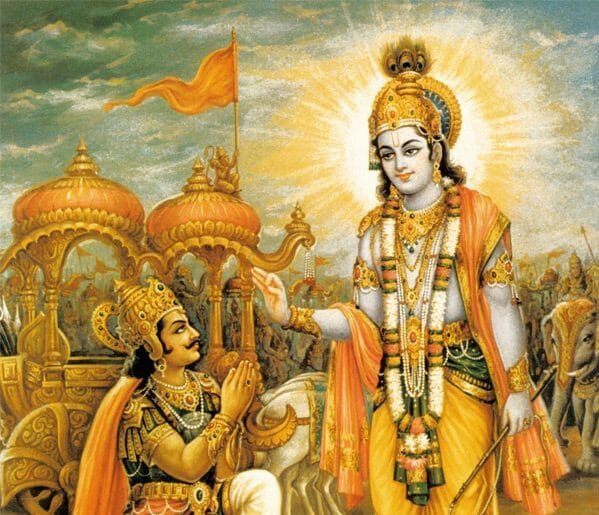
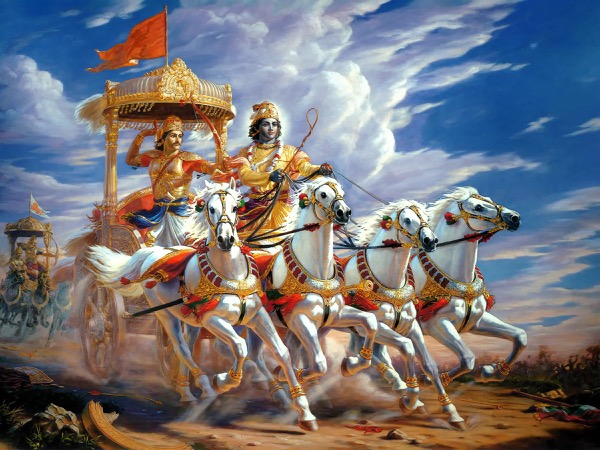
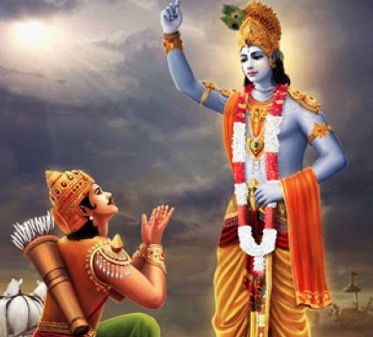
Chapter 4 of the Bhagavad Gita, called ଜ୍ଞାନକର୍ମସଂନ୍ୟାସୟୋଗଃ (ଜ୍ଞାନ-କର୍ମ-Sannyasa ୟୋଗ), unfolds on the battlefield of କୁରୁକ୍ଷେତ୍ର, where the fate of the ପାଂଡଵାଃ and କୌରଵାଃ hangs in the balance. Here, amid the tension and roar of war, ଶ୍ରୀକୃଷ୍ଣ continues his profound dialogue with ଅର୍ଜୁନ, who stands torn between duty and doubt.
The previous chapter, focused on କର୍ମ-ୟୋଗ, taught ଅର୍ଜୁନ the art of selfless action-acting without attachment to results. ଶ୍ରୀକୃଷ୍ଣ explained that true freedom comes from dedicating every action to a higher purpose, rather than being trapped by desire or fear. Yet, for ଅର୍ଜୁନ, questions linger: How can one act without being bound by action?
As the chapter closes, ଅର୍ଜୁନ is encouraged to let go of doubt and rise with clarity. The teachings here bridge the practical and the philosophical, showing that wisdom and action, when united, lead to true freedom. This sets the stage for the next chapter, where ଶ୍ରୀକୃଷ୍ଣ clarifies the relationship between renunciation and selfless action in କର୍ମସଂନ୍ୟାସୟୋଗଃ.
ଓଂ ଶ୍ରୀ ପରମାତ୍ମନେ ନମଃ
ଅଥ ଚତୁର୍ଥୋଽଧ୍ୟାୟଃ
ଜ୍ଞାନୟୋଗଃ
Translation (ଭାଵାର୍ଥ):
Salutations to the Supreme Self. Now begins the fourth chapter, called the Path of Knowledge.
ଶ୍ରୀ ଭଗଵାନୁଵାଚ
ଇମଂ ଵିଵସ୍ଵତେ ୟୋଗଂ ପ୍ରୋକ୍ତଵାନହମଵ୍ୟୟମ୍ ।
ଵିଵସ୍ଵାନ୍ମନଵେ ପ୍ରାହ ମନୁରିକ୍ଷ୍ଵାକଵେଽବ୍ରଵୀତ୍ ॥1॥
Translation (ଭାଵାର୍ଥ):
The Blessed Lord said: I first taught this imperishable Yoga to Vivasvan, the Sun god. Vivasvan passed it on to Manu, and Manu shared it with Ikshvaku.
ଏଵଂ ପରଂପରାପ୍ରାପ୍ତମ୍ ଇମଂ ରାଜର୍ଷୟୋ ଵିଦୁଃ ।
ସ କାଲେନେହ ମହତା ୟୋଗୋ ନଷ୍ଟଃ ପରଂତପ ॥2॥
Translation (ଭାଵାର୍ଥ):
In this way, the royal sages understood this yoga as it was passed down through generations. But, Arjuna, over a long period, this yoga has been lost here in the world.
ସ ଏଵାୟଂ ମୟା ତେଽଦ୍ୟ ୟୋଗଃ ପ୍ରୋକ୍ତଃ ପୁରାତନଃ ।
ଭକ୍ତୋଽସି ମେ ସଖା ଚେତି ରହସ୍ୟଂ ହ୍ୟେତଦୁତ୍ତମମ୍ ॥3॥
Translation (ଭାଵାର୍ଥ):
That same ancient Yoga, which is the timeless path of spiritual realization, has been taught to you by Me today, because you are both My devoted follower and My friend. This teaching is truly the highest secret.
ଅର୍ଜୁନ ଉଵାଚ
ଅପରଂ ଭଵତୋ ଜନ୍ମ ପରଂ ଜନ୍ମ ଵିଵସ୍ଵତଃ ।
କଥମେତଦ୍ଵିଜାନୀୟାଂ ତ୍ଵମାଦୌ ପ୍ରୋକ୍ତଵାନିତି ॥4॥
Translation (ଭାଵାର୍ଥ):
Arjuna said: Your birth happened much later, while the birth of Vivasvan was long ago. How am I supposed to understand that you taught this knowledge to him at the very beginning?
ଶ୍ରୀ ଭଗଵାନୁଵାଚ
ବହୂନି ମେ ଵ୍ୟତୀତାନି ଜନ୍ମାନି ତଵ ଚାର୍ଜୁନ ।
ତାନ୍ୟହଂ ଵେଦ ସର୍ଵାଣି ନ ତ୍ଵଂ ଵେତ୍ଥ ପରଂତପ ॥5॥
Translation (ଭାଵାର୍ଥ):
The Blessed Lord said: Arjuna, you and I have both lived through many births. I remember all of them, but you do not, O conqueror of enemies.
ଅଜୋଽପି ସନ୍ନଵ୍ୟୟାତ୍ମା ଭୂତାନାମୀଶ୍ଵରୋଽପି ସନ୍ ।
ପ୍ରକୃତିଂ ସ୍ଵାମଧିଷ୍ଠାୟ ସଂଭଵାମ୍ୟାତ୍ମମାୟୟା ॥6॥
Translation (ଭାଵାର୍ଥ):
Although I am unborn, unchanging, and the Lord of all beings, I manifest Myself by taking control of My own nature, appearing in the world through My unique creative power.
ୟଦା ୟଦା ହି ଧର୍ମସ୍ୟ ଗ୍ଲାନିର୍ଭଵତି ଭାରତ ।
ଅଭ୍ୟୁତ୍ଥାନମଧର୍ମସ୍ୟ ତଦାଽଽତ୍ମାନଂ ସୃଜାମ୍ୟହମ୍ ॥7॥
Translation (ଭାଵାର୍ଥ):
Whenever righteousness declines and unrighteousness rises, O Arjuna, at those times I manifest Myself in the world.
ପରିତ୍ରାଣାୟ ସାଧୂନାଂ ଵିନାଶାୟ ଚ ଦୁଷ୍କୃତାମ୍ ।
ଧର୍ମସଂସ୍ଥାପନାର୍ଥାୟ ସଂଭଵାମି ୟୁଗେ ୟୁଗେ ॥8॥
Translation (ଭାଵାର୍ଥ):
To protect the virtuous, to eliminate the wicked, and to restore righteousness, I manifest myself in the world, age after age.
ଜନ୍ମ କର୍ମ ଚ ମେ ଦିଵ୍ୟମ୍ ଏଵଂ ୟୋ ଵେତ୍ତି ତତ୍ତ୍ଵତଃ ।
ତ୍ୟକ୍ତ୍ଵା ଦେହଂ ପୁନର୍ଜନ୍ମ ନୈତି ମାମେତି ସୋଽର୍ଜୁନ ॥9॥
Translation (ଭାଵାର୍ଥ):
Whoever truly understands the divine nature of My birth and actions, after leaving this body, is not born again but comes directly to Me, Arjuna.
ଵୀତରାଗଭୟକ୍ରୋଧାଃ ମନ୍ମୟା ମାମୁପାଶ୍ରିତାଃ ।
ବହଵୋ ଜ୍ଞାନତପସା ପୂତା ମଦ୍ଭାଵମାଗତାଃ ॥10॥
Translation (ଭାଵାର୍ଥ):
Many people, having let go of attachment, fear, and anger, and becoming fully absorbed in Me and taking shelter in Me, have purified themselves through the discipline of knowledge and reached My state.
ୟେ ୟଥା ମାଂ ପ୍ରପଦ୍ୟଂତେ ତାଂସ୍ତଥୈଵ ଭଜାମ୍ୟହମ୍ ।
ମମ ଵର୍ତ୍ମାନୁଵର୍ତଂତେ ମନୁଷ୍ୟାଃ ପାର୍ଥ ସର୍ଵଶଃ ॥11॥
Translation (ଭାଵାର୍ଥ):
However people approach Me, I respond to them in that same way. Everyone, in all possible ways, follows My path, Arjuna.
କାଂକ୍ଷଂତଃ କର୍ମଣାଂ ସିଦ୍ଧିଂ ୟଜଂତ ଇହ ଦେଵତାଃ ।
କ୍ଷିପ୍ରଂ ହି ମାନୁଷେ ଲୋକେ ସିଦ୍ଧିର୍ଭଵତି କର୍ମଜା ॥12॥
Translation (ଭାଵାର୍ଥ):
Those who seek the results of their actions worship the gods in this world, because success from actions comes quickly for people in the human realm.
ଚାତୁର୍ଵର୍ଣ୍ୟଂ ମୟା ସୃଷ୍ଟଂ ଗୁଣକର୍ମଵିଭାଗଶଃ ।
ତସ୍ୟ କର୍ତାରମପି ମାଂ ଵିଦ୍ଧ୍ୟକର୍ତାରମଵ୍ୟୟମ୍ ॥13॥
Translation (ଭାଵାର୍ଥ):
I established the fourfold social order based on the division of qualities and actions. Even though I am the originator of this system, understand that I am not bound by action and remain unchanged.
ନ ମାଂ କର୍ମାଣି ଲିଂପଂତି ନ ମେ କର୍ମଫଲେ ସ୍ପୃହା ।
ଇତି ମାଂ ୟୋଽଭିଜାନାତି କର୍ମଭିର୍ନ ସ ବଧ୍ୟତେ ॥14॥
Translation (ଭାଵାର୍ଥ):
Actions do not affect Me, nor do I have any desire for the results of actions. Whoever truly understands this about Me is not bound by actions either.
ଏଵଂ ଜ୍ଞାତ୍ଵା କୃତଂ କର୍ମ ପୂର୍ଵୈରପି ମୁମୁକ୍ଷୁଭିଃ ।
କୁରୁ କର୍ମୈଵ ତସ୍ମାତ୍ତ୍ଵଂ ପୂର୍ଵୈଃ ପୂର୍ଵତରଂ କୃତମ୍ ॥15॥
Translation (ଭାଵାର୍ଥ):
In this way, understanding the true nature of action, even the ancient seekers of liberation performed their duties. Therefore, you too should act, following the example set by those who came before you.
କିଂ କର୍ମ କିମକର୍ମେତି କଵୟୋଽପ୍ୟତ୍ର ମୋହିତାଃ ।
ତତ୍ତେ କର୍ମ ପ୍ରଵକ୍ଷ୍ୟାମି ୟଜ୍ଜ୍ଞାତ୍ଵା ମୋକ୍ଷ୍ୟସେଽଶୁଭାତ୍ ॥16॥
Translation (ଭାଵାର୍ଥ):
Even thoughtful people are often puzzled about what truly counts as action and what is inaction. I will explain to you the nature of action, and by understanding it, you will be freed from the negative consequences of ignorance.
କର୍ମଣୋ ହ୍ୟପି ବୋଦ୍ଧଵ୍ୟଂ ବୋଦ୍ଧଵ୍ୟଂ ଚ ଵିକର୍ମଣଃ ।
ଅକର୍ମଣଶ୍ଚ ବୋଦ୍ଧଵ୍ୟଂ ଗହନା କର୍ମଣୋ ଗତିଃ ॥17॥
Translation (ଭାଵାର୍ଥ):
One must understand what is meant by action, by forbidden action, and by inaction. The real nature and consequences of action are truly deep and hard to unravel.
କର୍ମଣ୍ୟକର୍ମ ୟଃ ପଶ୍ୟେତ୍ ଅକର୍ମଣି ଚ କର୍ମ ୟଃ ।
ସ ବୁଦ୍ଧିମାନ୍ମନୁଷ୍ୟେଷୁ ସ ୟୁକ୍ତଃ କୃତ୍ସ୍ନକର୍ମକୃତ୍ ॥18॥
Translation (ଭାଵାର୍ଥ):
One who can recognize the presence of stillness within activity, and the subtle workings of action even in apparent stillness, is truly wise among people. Such a person is deeply integrated and has accomplished all that needs to be done.
ୟସ୍ୟ ସର୍ଵେ ସମାରଂଭାଃ କାମସଂକଲ୍ପଵର୍ଜିତାଃ ।
ଜ୍ଞାନାଗ୍ନିଦଗ୍ଧକର୍ମାଣଂ ତମାହୁଃ ପଂଡିତଂ ବୁଧାଃ ॥19॥
Translation (ଭାଵାର୍ଥ):
Those whose every action is free from desire and selfish intention, and whose deeds have been consumed by the fire of wisdom, are recognized by the wise as truly learned.
ତ୍ୟକ୍ତ୍ଵା କର୍ମଫଲାସଂଗଂ ନିତ୍ୟତୃପ୍ତୋ ନିରାଶ୍ରୟଃ ।
କର୍ମଣ୍ୟଭିପ୍ରଵୃତ୍ତୋଽପି ନୈଵ କିଂଚିତ୍କରୋତି ସଃ ॥20॥
Translation (ଭାଵାର୍ଥ):
One who has let go of attachment to the outcomes of actions, who is always satisfied and depends on nothing external, truly does nothing at all, even while actively engaged in work.
ନିରାଶୀର୍ୟତଚିତ୍ତାତ୍ମା ତ୍ୟକ୍ତସର୍ଵ ପରିଗ୍ରହଃ ।
ଶାରୀରଂ କେଵଲଂ କର୍ମ କୁର୍ଵନ୍ନାପ୍ନୋତି କିଲ୍ବିଷମ୍ ॥21॥
Translation (ଭାଵାର୍ଥ):
A person who acts without expectation, whose mind and self are controlled, and who has renounced all possessions, performing only the actions necessary for bodily maintenance, does not become tainted by wrongdoing.
ୟଦୃଚ୍ଛାଲାଭସଂତୁଷ୍ଟଃ ଦ୍ଵଂଦ୍ଵାତୀତୋ ଵିମତ୍ସରଃ ।
ସମଃ ସିଦ୍ଧାଵସିଦ୍ଧୌ ଚ କୃତ୍ଵାପି ନ ନିବଧ୍ୟତେ ॥22॥
Translation (ଭାଵାର୍ଥ):
One who is content with whatever comes by chance, who has risen above the pull of opposites, who is free from envy, and who remains steady in both success and failure, is not bound by actions even while acting.
ଗତସଂଗସ୍ୟ ମୁକ୍ତସ୍ୟ ଜ୍ଞାନାଵସ୍ଥିତଚେତସଃ ।
ୟଜ୍ଞାୟାଚରତଃ କର୍ମ ସମଗ୍ରଂ ପ୍ରଵିଲୀୟତେ ॥23॥
Translation (ଭାଵାର୍ଥ):
For the person who is free from attachment, liberated, and whose mind is firmly rooted in knowledge, all actions performed as an offering or sacrifice are completely dissolved.
ବ୍ରହ୍ମାର୍ପଣଂ ବ୍ରହ୍ମ ହଵିଃ ବ୍ରହ୍ମାଗ୍ନୌ ବ୍ରହ୍ମଣା ହୁତମ୍ ।
ବ୍ରହ୍ମୈଵ ତେନ ଗଂତଵ୍ୟଂ ବ୍ରହ୍ମକର୍ମସମାଧିନା ॥24॥
Translation (ଭାଵାର୍ଥ):
For one who is absorbed in seeing everything as the Supreme, the ladle is the Supreme, the offering is the Supreme, the fire is the Supreme, and the act of offering is performed by the Supreme. Such a person, who is fully focused on this unity, attains the Supreme alone.
ଦୈଵମେଵାପରେ ୟଜ୍ଞଂ ୟୋଗିନଃ ପର୍ୟୁପାସତେ ।
ବ୍ରହ୍ମାଗ୍ନାଵପରେ ୟଜ୍ଞଂ ୟଜ୍ଞେନୈଵୋପଜୁହ୍ଵତି ॥25॥
Translation (ଭାଵାର୍ଥ):
Some yogis perform sacrifices directed only to the gods, while others, with deeper understanding, offer their very self as a sacrifice into the fire of Brahman, using the self itself as the means of offering.
ଶ୍ରୋତ୍ରାଦୀନୀଂଦ୍ରିୟାଣ୍ୟନ୍ୟେ ସଂୟମାଗ୍ନିଷୁ ଜୁହ୍ଵତି ।
ଶବ୍ଦାଦୀନ୍ଵିଷୟାନନ୍ୟେ ଇଂଦ୍ରିୟାଗ୍ନିଷୁ ଜୁହ୍ଵତି ॥26॥
Translation (ଭାଵାର୍ଥ):
Some people dedicate their senses, such as hearing and others, into the fire of self-control, treating restraint as a sacred act. Others offer the objects of the senses, like sound and so on, into the fires of the senses themselves, engaging with them with mindful discipline.
ସର୍ଵାଣୀଂଦ୍ରିୟକର୍ମାଣି ପ୍ରାଣକର୍ମାଣି ଚାପରେ ।
ଆତ୍ମସଂୟମୟୋଗାଗ୍ନୌ ଜୁହ୍ଵତି ଜ୍ଞାନଦୀପିତେ ॥27॥
Translation (ଭାଵାର୍ଥ):
Some people dedicate all the activities of their senses and the functions of their life-force into the fire of self-discipline, a fire fueled and illuminated by knowledge.
ଦ୍ରଵ୍ୟୟଜ୍ଞାସ୍ତପୋୟଜ୍ଞାଃ ୟୋଗୟଜ୍ଞାସ୍ତଥାଽପରେ ।
ସ୍ଵାଧ୍ୟାୟଜ୍ଞାନୟଜ୍ଞାଶ୍ଚ ୟତୟଃ ସଂଶିତଵ୍ରତାଃ ॥28॥
Translation (ଭାଵାର୍ଥ):
Similarly, some offer material possessions as sacrifice, others dedicate themselves through austerity or yogic discipline, while yet others, being self-controlled and steadfast in their vows, offer the study of sacred texts and pursuit of knowledge as their sacrifice.
ଅପାନେ ଜୁହ୍ଵତି ପ୍ରାଣଂ ପ୍ରାଣେଽପାନଂ ତଥାପରେ ।
ପ୍ରାଣାପାନଗତୀ ରୁଦ୍ଧ୍ଵା ପ୍ରାଣାୟାମପରାୟଣାଃ ॥29॥
Translation (ଭାଵାର୍ଥ):
Some people, deeply dedicated to breath control, offer the outgoing breath into the incoming, and others offer the incoming breath into the outgoing. There are also those who, having restrained the movement of both, focus entirely on mastering the process of breath regulation.
ଅପରେ ନିୟତାହାରାଃ ପ୍ରାଣାନ୍ପ୍ରାଣେଷୁ ଜୁହ୍ଵତି ।
ସର୍ଵେଽପ୍ୟେତେ ୟଜ୍ଞଵିଦଃ ୟଜ୍ଞକ୍ଷପିତକଲ୍ମଷାଃ ॥30॥
Translation (ଭାଵାର୍ଥ):
Others, who regulate their diet, offer the energies of life into each other. All of these are knowledgeable about sacrifice, and by such acts, their faults are removed through sacrifice.
ୟଜ୍ଞଶିଷ୍ଟାମୃତଭୁଜଃ ୟାଂତି ବ୍ରହ୍ମ ସନାତନମ୍ ।
ନାୟଂ ଲୋକୋଽସ୍ତ୍ୟୟଜ୍ଞସ୍ୟ କୁତୋଽନ୍ୟଃ କୁରୁସତ୍ତମ ॥31॥
Translation (ଭାଵାର୍ଥ):
Those who partake of the nectar-like remnants left after sacrifice attain the eternal Brahman. For someone who does not perform sacrifice, even this world is unattainable-how much more so the next, O Arjuna.
ଏଵଂ ବହୁଵିଧା ୟଜ୍ଞାଃ ଵିତତା ବ୍ରହ୍ମଣୋ ମୁଖେ ।
କର୍ମଜାନ୍ଵିଦ୍ଧି ତାନ୍ସର୍ଵାନ୍ ଏଵଂ ଜ୍ଞାତ୍ଵା ଵିମୋକ୍ଷ୍ୟସେ ॥32॥
Translation (ଭାଵାର୍ଥ):
In this way, various kinds of sacrifices are set forth at the gateway of the Vedas. Understand that all of them arise from action. By realizing this, you will become free.
ଶ୍ରେୟାନ୍ଦ୍ରଵ୍ୟମୟାଦ୍ୟଜ୍ଞାତ୍ ଜ୍ଞାନୟଜ୍ଞଃ ପରଂତପ ।
ସର୍ଵଂ କର୍ମାଖିଲଂ ପାର୍ଥ ଜ୍ଞାନେ ପରିସମାପ୍ୟତେ ॥33॥
Translation (ଭାଵାର୍ଥ):
O Arjuna, the offering of knowledge is greater than sacrifices made with material things. All actions, without exception, ultimately find their completion in knowledge.
ତଦ୍ଵିଦ୍ଧି ପ୍ରଣିପାତେନ ପରିପ୍ରଶ୍ନେନ ସେଵୟା ।
ଉପଦେକ୍ଷ୍ୟଂତି ତେ ଜ୍ଞାନଂ ଜ୍ଞାନିନସ୍ତତ୍ତ୍ଵଦର୍ଶିନଃ ॥34॥
Translation (ଭାଵାର୍ଥ):
Learn this wisdom by approaching realized teachers with humility, asking sincere questions, and serving them. Those who truly know and have seen the truth will share this knowledge with you.
ୟଜ୍ଜ୍ଞାତ୍ଵା ନ ପୁନର୍ମୋହମ୍ ଏଵଂ ୟାସ୍ୟସି ପାଂଡଵ ।
ୟେନ ଭୂତାନ୍ୟଶେଷେଣ ଦ୍ରକ୍ଷ୍ୟସ୍ୟାତ୍ମନ୍ୟଥୋ ମୟି ॥35॥
Translation (ଭାଵାର୍ଥ):
Once you truly understand this knowledge, Arjuna, you will not fall into confusion like before. Through it, you will perceive all living beings, without exception, as rooted in your own Self and ultimately in Me.
ଅପି ଚେଦସି ପାପେଭ୍ୟଃ ସର୍ଵେଭ୍ୟଃ ପାପକୃତ୍ତମଃ ।
ସର୍ଵଂ ଜ୍ଞାନପ୍ଲଵେନୈଵ ଵୃଜିନଂ ସଂତରିଷ୍ୟସି ॥36॥
Translation (ଭାଵାର୍ଥ):
Even if you are the most sinful among all people, you will still cross over every wrong and misdeed by relying solely on the raft of knowledge.
ୟଥୈଧାଂସି ସମିଦ୍ଧୋଽଗ୍ନିଃ ଭସ୍ମସାତ୍କୁରୁତେଽର୍ଜୁନ ।
ଜ୍ଞାନାଗ୍ନିଃ ସର୍ଵକର୍ମାଣି ଭସ୍ମସାତ୍କୁରୁତେ ତଥା ॥37॥
Translation (ଭାଵାର୍ଥ):
Just as a blazing fire turns wood into ashes, Arjuna, so too the fire of knowledge burns up all actions, leaving nothing behind.
ନ ହି ଜ୍ଞାନେନ ସଦୃଶଂ ପଵିତ୍ରମିହ ଵିଦ୍ୟତେ ।
ତତ୍ସ୍ଵୟଂ ୟୋଗସଂସିଦ୍ଧଃ କାଲେନାତ୍ମନି ଵିଂଦତି ॥38॥
Translation (ଭାଵାର୍ଥ):
There is nothing in this world that purifies like knowledge. Over time, one who is perfected through yoga discovers this knowledge within their own self.
ଶ୍ରଦ୍ଧାଵାନ୍ ଲଭତେ ଜ୍ଞାନଂ ତତ୍ପରଃ ସଂୟତେଂଦ୍ରିୟଃ ।
ଜ୍ଞାନଂ ଲବ୍ଧ୍ଵା ପରାଂ ଶାଂତିମ୍ ଅଚିରେଣାଧିଗଚ୍ଛତି ॥39॥
Translation (ଭାଵାର୍ଥ):
A person who has faith, is dedicated, and has mastered their senses gains knowledge. Once they have gained this knowledge, they soon reach the highest peace.
ଅଜ୍ଞଶ୍ଚାଶ୍ରଦ୍ଦଧାନଶ୍ଚ ସଂଶୟାତ୍ମା ଵିନଶ୍ୟତି ।
ନାୟଂ ଲୋକୋଽସ୍ତି ନ ପରଃ ନ ସୁଖଂ ସଂଶୟାତ୍ମନଃ ॥40॥
Translation (ଭାଵାର୍ଥ):
Those who are ignorant, lack faith, and are plagued by doubt are ruined. For someone whose mind is full of doubt, neither this world nor the next, nor any real happiness, is attainable.
ୟୋଗସନ୍ନ୍ୟସ୍ତକର୍ମାଣଂ ଜ୍ଞାନସଂଛିନ୍ନସଂଶୟମ୍ ।
ଆତ୍ମଵଂତଂ ନ କର୍ମାଣି ନିବଧ୍ନଂତି ଧନଂଜୟ ॥41॥
Translation (ଭାଵାର୍ଥ):
O Arjuna, actions do not bind the person who has renounced actions through disciplined yoga, whose doubts have been completely destroyed by knowledge, and who is firmly self-controlled.
ତସ୍ମାଦଜ୍ଞାନସଂଭୂତଂ ହୃତ୍ସ୍ଥଂ ଜ୍ଞାନାସିନାତ୍ମନଃ ।
ଛିତ୍ତ୍ଵୈନଂ ସଂଶୟଂ ୟୋଗମ୍ ଆତିଷ୍ଠୋତ୍ତିଷ୍ଠ ଭାରତ ॥42॥
Translation (ଭାଵାର୍ଥ):
Therefore, using the sword of knowledge, cut away the doubt in your heart that has grown from ignorance about your true self. Stand firm in yoga, and rise up, O Arjuna.
॥ ଓଂ ତତ୍ସଦିତି ଶ୍ରୀମଦ୍ଭଗଵଦ୍ଗୀତାସୁ ଉପନିଷତ୍ସୁ ବ୍ରହ୍ମଵିଦ୍ୟାୟାଂ
ୟୋଗଶାସ୍ତ୍ରେ ଶ୍ରୀକୃଷ୍ଣାର୍ଜୁନସଂଵାଦେ ଜ୍ଞାନୟୋଗୋ ନାମ ଚତୁର୍ଥୋଽଧ୍ୟାୟଃ ॥
Translation (ଭାଵାର୍ଥ):
Thus ends the fourth chapter, called the Yoga of Knowledge and Renunciation of Action, in the sacred dialogue between Krishna and Arjuna, which forms part of the revered Bhagavad Gita Upanishad, a scripture of spiritual wisdom and yoga.
Browse Related Categories: