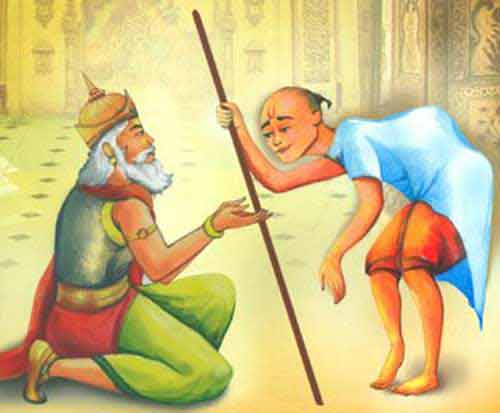
ଅଷ୍ଟାଵକ୍ର ଗୀତା is a 20-chapter dialogue of direct ଅଦ୍ଵୈତ that keeps cutting through the same illusion: taking the body-mind to be the Self. It does not try to decorate life with new beliefs; it tries to remove the deeper misunderstanding that makes life feel like a constant struggle for security.
So far the dialogue has moved through a clear arc. Chapter 1 answers ଜନକ's questions about ଜ୍ଞାନ, ମୁକ୍ତି, and ଵୈରାଗ୍ୟ by warning against compulsive attachment to ଵିଷୟs while pointing to the witness. Chapters 2-4 express recognition and then mature it into lived freedom.
Seen as a whole, Chapter 10 is a chapter of "enough." It repeats a single medicine: recognize what has never truly satisfied, stop fueling it, and let the mind rest. ତୃଷ୍ଣା (craving-thirst) is named as the essence of bondage, and the chapter says that rest comes not by rearranging the world again, but by ending the compulsion that keeps you rearranging.
ଅଷ୍ଟାଵକ୍ର ଉଵାଚ ॥
ଵିହାୟ ଵୈରିଣଂ କାମମର୍ଥଂ ଚାନର୍ଥସଂକୁଲମ୍ ।
ଧର୍ମମପ୍ୟେତୟୋର୍ହେତୁଂ ସର୍ଵତ୍ରାନାଦରଂ କୁରୁ ॥ 10-1॥
Translation (ଭାଵାର୍ଥ):
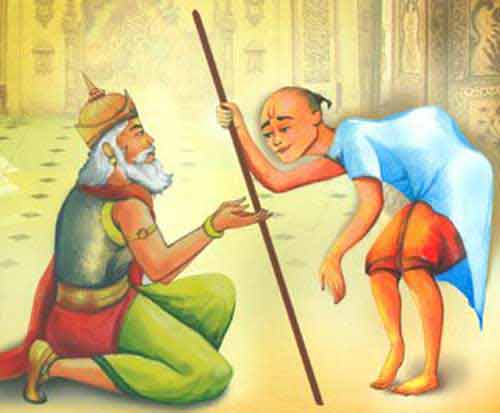
Ashtavakra said: Abandon craving, the enemy, and abandon wealth that is entangled with harm. Even ଧର୍ମ, when treated as a means for craving and wealth, do not treat as your ultimate. Practice non-importance toward these everywhere.
ସ୍ଵପ୍ନେଂଦ୍ରଜାଲଵତ୍ ପଶ୍ୟ ଦିନାନି ତ୍ରୀଣି ପଂଚ ଵା ।
ମିତ୍ରକ୍ଷେତ୍ରଧନାଗାରଦାରଦାୟାଦିସଂପଦଃ ॥ 10-2॥
Translation (ଭାଵାର୍ଥ):
See possessions and supports as dreamlike or like a magic show - lasting only a few days (three, five, or so). Friends, land, wealth, houses, spouses, heirs, and related prosperities are not lasting refuges.
ୟତ୍ର ୟତ୍ର ଭଵେତ୍ତୃଷ୍ଣା ସଂସାରଂ ଵିଦ୍ଧି ତତ୍ର ଵୈ ।
ପ୍ରୌଢଵୈରାଗ୍ୟମାଶ୍ରିତ୍ୟ ଵୀତତୃଷ୍ଣଃ ସୁଖୀ ଭଵ ॥ 10-3॥
Translation (ଭାଵାର୍ଥ):
Wherever craving arises, know that bondage is there. Taking refuge in mature dispassion, be free of craving and be at ease.
ତୃଷ୍ଣାମାତ୍ରାତ୍ମକୋ ବଂଧସ୍ତନ୍ନାଶୋ ମୋକ୍ଷ ଉଚ୍ୟତେ ।
ଭଵାସଂସକ୍ତିମାତ୍ରେଣ ପ୍ରାପ୍ତିତୁଷ୍ଟିର୍ମୁହୁର୍ମୁହୁଃ ॥ 10-4॥
Translation (ଭାଵାର୍ଥ):
Bondage is nothing but craving; the ending of that craving is called liberation. Merely by non-attachment to worldly becoming, contentment with what comes arises again and again.
ତ୍ଵମେକଶ୍ଚେତନଃ ଶୁଦ୍ଧୋ ଜଡଂ ଵିଶ୍ଵମସତ୍ତଥା ।
ଅଵିଦ୍ୟାପି ନ କିଂଚିତ୍ସା କା ବୁଭୁତ୍ସା ତଥାପି ତେ ॥ 10-5॥
Translation (ଭାଵାର୍ଥ):
You alone are pure consciousness; the world is inert and has no independent reality. Even ignorance is nothing - then what is there to know? Yet even so, you still have the urge to know.
ରାଜ୍ୟଂ ସୁତାଃ କଲତ୍ରାଣି ଶରୀରାଣି ସୁଖାନି ଚ ।
ସଂସକ୍ତସ୍ୟାପି ନଷ୍ଟାନି ତଵ ଜନ୍ମନି ଜନ୍ମନି ॥ 10-6॥
Translation (ଭାଵାର୍ଥ):
Kingdoms, children, spouses, bodies, and pleasures - even when you were attached to them - have been lost by you, birth after birth.
ଅଲମର୍ଥେନ କାମେନ ସୁକୃତେନାପି କର୍ମଣା ।
ଏଭ୍ୟଃ ସଂସାରକାଂତାରେ ନ ଵିଶ୍ରାଂତମଭୂନ୍ ମନଃ ॥ 10-7॥
Translation (ଭାଵାର୍ଥ):
Enough of wealth and pleasure, and even of merit-making action. In this wilderness of saMsAra, the mind has found no rest from these.
କୃତଂ ନ କତି ଜନ୍ମାନି କାୟେନ ମନସା ଗିରା ।
ଦୁଃଖମାୟାସଦଂ କର୍ମ ତଦଦ୍ୟାପ୍ୟୁପରମ୍ୟତାମ୍ ॥ 10-8॥
Translation (ଭାଵାର୍ଥ):
In how many lifetimes have you not done exhausting, pain-giving actions by body, mind, and speech? Let that compulsive labor stop, even now.
Browse Related Categories: