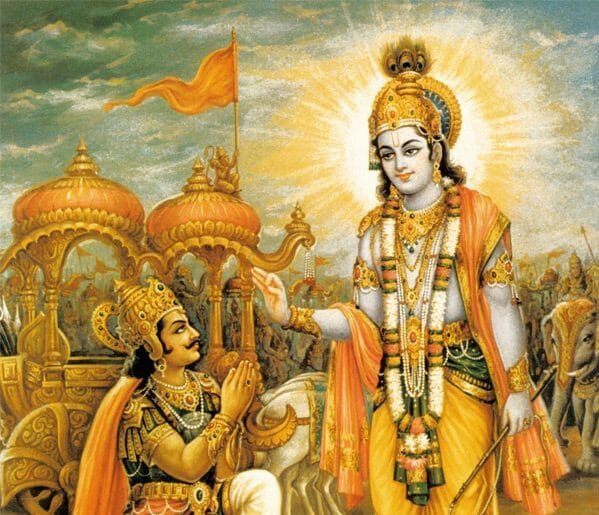
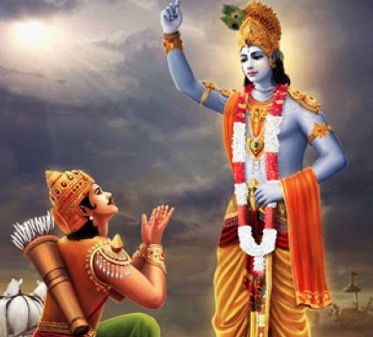
ଶ୍ରୀମଦ୍ଭଗଵଦ୍ଗୀତା is a jewel embedded in the ମହାଭାରତ: a dialogue between ଶ୍ରୀକୃଷ୍ଣ and ଅର୍ଜୁନ on the battlefield of କୁରୁକ୍ଷେତ୍ର. It speaks in the language of real life - duty and doubt, anger and empathy, ambition and fear - and then shows how to meet those forces with steadiness.
Chapter 1, ଅର୍ଜୁନଵିଷାଦୟୋଗଃ, is therefore not "only introduction." It shows the battlefield outside and the battlefield within: Duryodhana's insecurity, the roar of conches, and finally Arjuna's trembling body and wavering mind. By naming these states openly - ଵିଷାଦ (despondency), କୃପା (compassion), and the fear of wrongdoing - the text prepares you for Krishna's medicine in the chapters ahead.
Read this chapter as the doorway into a long inner apprenticeship. The "previous" story is the Mahabharata build-up itself: years of injustice, failed diplomacy, and the moment when avoidance is no longer possible. From this crisis, the Gita unfolds in three broad movements. Chapters 1-6 emphasize କର୍ମ-ୟୋଗ and the foundations of right action, while repeatedly returning to the imperishable ଆତ୍ମା so that doing your duty does not become an ego-war.
ଓଂ ଶ୍ରୀ ପରମାତ୍ମନେ ନମଃ
ଅଥ ପ୍ରଥମୋଽଧ୍ୟାୟଃ
ଅର୍ଜୁନଵିଷାଦୟୋଗଃ
Translation (ଭାଵାର୍ଥ):
Om. Salutations to the Supreme Self. Now begins the first chapter, called "Arjuna's Despondency Yoga".
ଧୃତରାଷ୍ଟ୍ର ଉଵାଚ
ଧର୍ମକ୍ଷେତ୍ରେ କୁରୁକ୍ଷେତ୍ରେ ସମଵେତା ୟୁୟୁତ୍ସଵଃ ।
ମାମକାଃ ପାଂଡଵାଶ୍ଚୈଵ କିମକୁର୍ଵତ ସଂଜୟ ॥1॥
Translation (ଭାଵାର୍ଥ):
Dhritarashtra said: O Sanjaya, when my side and the Pandavas assembled at Kurukshetra, the sacred field of dharma, eager to fight, what did they do?
ସଂଜୟ ଉଵାଚ
ଦୃଷ୍ଟ୍ଵା ତୁ ପାଂଡଵାନୀକଂ ଵ୍ୟୂଢଂ ଦୁର୍ୟୋଧନସ୍ତଦା ।
ଆଚାର୍ୟମୁପସଂଗମ୍ୟ ରାଜା ଵଚନମବ୍ରଵୀତ୍ ॥2॥
Translation (ଭାଵାର୍ଥ):
Sanjaya said: Seeing the Pandava army arranged in formation, Duryodhana then approached his teacher and spoke.
ପଶ୍ୟୈତାଂ ପାଂଡୁପୁତ୍ରାଣାମ୍ ଆଚାର୍ୟ ମହତୀଂ ଚମୂମ୍ ।
ଵ୍ୟୂଢାଂ ଦ୍ରୁପଦପୁତ୍ରେଣ ତଵ ଶିଷ୍ୟେଣ ଧୀମତା ॥3॥
Translation (ଭାଵାର୍ଥ):
O teacher, look at this great army of the Pandavas, arranged skillfully by Drupada's son - your capable disciple.
ଅତ୍ର ଶୂରା ମହେଷ୍ଵାସାଃ ଭୀମାର୍ଜୁନସମା ୟୁଧି ।
ୟୁୟୁଧାନୋ ଵିରାଟଶ୍ଚ ଦ୍ରୁପଦଶ୍ଚ ମହାରଥଃ ॥4॥
Translation (ଭାଵାର୍ଥ):
Here are heroic, mighty bowmen, equal to Bhima and Arjuna in battle - Yuyudhana, Virata, and the great chariot-warrior Drupada.
ଧୃଷ୍ଟକେତୁଶ୍ଚେକିତାନଃ କାଶିରାଜଶ୍ଚ ଵୀର୍ୟଵାନ୍ ।
ପୁରୁଜିତ୍କୁଂତିଭୋଜଶ୍ଚ ଶୈବ୍ୟଶ୍ଚ ନରପୁଂଗଵଃ ॥5॥
Translation (ଭାଵାର୍ଥ):
Also here are valiant heroes: Dhrishtaketu, Cekitana, the king of Kashi, Purujit, Kuntibhoja, and Saibya - outstanding among men.
ୟୁଧାମନ୍ୟୁଶ୍ଚ ଵିକ୍ରାଂତଃ ଉତ୍ତମୌଜାଶ୍ଚ ଵୀର୍ୟଵାନ୍ ।
ସୌଭଦ୍ରୋ ଦ୍ରୌପଦେୟାଶ୍ଚ ସର୍ଵ ଏଵ ମହାରଥାଃ ॥6॥
Translation (ଭାଵାର୍ଥ):
There are also mighty warriors - Yudhamanyu and the valiant Uttamauja, and also Saubhadra (Abhimanyu) and the sons of Draupadi; all of them are great chariot-fighters.
ଅସ୍ମାକଂ ତୁ ଵିଶିଷ୍ଟା ୟେ ତାନ୍ନିବୋଧ ଦ୍ଵିଜୋତ୍ତମ ।
ନାୟକା ମମ ସୈନ୍ୟସ୍ୟ ସଂଜ୍ଞାର୍ଥଂ ତାନ୍ ବ୍ରଵୀମି ତେ ॥7॥
Translation (ଭାଵାର୍ଥ):
And now, O best among the twice-born, note the distinguished leaders on our side. For your awareness I will tell you the commanders of my army.
ଭଵାନ୍ ଭୀଷ୍ମଶ୍ଚ କର୍ଣଶ୍ଚ କୃପଶ୍ଚ ସମିତିଂଜୟଃ ।
ଅଶ୍ଵତ୍ଥାମା ଵିକର୍ଣଶ୍ଚ ସୌମଦତ୍ତିସ୍ତଥୈଵ ଚ ॥8॥
Translation (ଭାଵାର୍ଥ):
You, Bhishma, Karna, Kripa the battle-conqueror, Ashvatthama, Vikarna, and also the son of Somadatta - these are the leading champions on our side.
ଅନ୍ୟେ ଚ ବହଵଃ ଶୂରାଃ ମଦର୍ଥେ ତ୍ୟକ୍ତଜୀଵିତାଃ ।
ନାନାଶସ୍ତ୍ରପ୍ରହରଣାଃ ସର୍ଵେ ୟୁଦ୍ଧଵିଶାରଦାଃ ॥9॥
Translation (ଭାଵାର୍ଥ):
And there are many other heroes too, ready to risk their lives for my sake, equipped with many weapons and skilled in war.
ଅପର୍ୟାପ୍ତଂ ତଦସ୍ମାକଂ ବଲଂ ଭୀଷ୍ମାଭିରକ୍ଷିତମ୍ ।
ପର୍ୟାପ୍ତଂ ତ୍ଵିଦମେତେଷାଂ ବଲଂ ଭୀମାଭିରକ୍ଷିତମ୍ ॥10॥
Translation (ଭାଵାର୍ଥ):
Our army, guarded by Bhishma, is vast; but their army, guarded by Bhima, is well-contained and sufficient.
ଅୟନେଷୁ ଚ ସର୍ଵେଷୁ ୟଥାଭାଗମଵସ୍ଥିତାଃ ।
ଭୀଷ୍ମମେଵାଭିରକ୍ଷଂତୁ ଭଵଂତଃ ସର୍ଵ ଏଵ ହି ॥11॥
Translation (ଭାଵାର୍ଥ):
Therefore, stationed in all strategic positions according to your roles, all of you must support Bhishma.
ତସ୍ୟ ସଂଜନୟନ୍ ହର୍ଷଂ କୁରୁଵୃଦ୍ଧଃ ପିତାମହଃ ।
ସିଂହନାଦଂ ଵିନଦ୍ୟୋଚ୍ଚୈଃ ଶଂଖଂ ଦଧ୍ମୌ ପ୍ରତାପଵାନ୍ ॥12॥
Translation (ଭାଵାର୍ଥ):
To raise his spirits, the grandsire Bhishma - elder of the Kurus - roared like a lion and loudly blew his conch.
ତତଃ ଶଂଖାଶ୍ଚ ଭେର୍ୟଶ୍ଚ ପଣଵାନକଗୋମୁଖାଃ ।
ସହସୈଵାଭ୍ୟହନ୍ୟଂତ ସ ଶବ୍ଦସ୍ତୁମୁଲୋଽଭଵତ୍ ॥13॥
Translation (ଭାଵାର୍ଥ):
Then conches, kettledrums, drums, and horns were sounded all at once, and the sound became a tremendous uproar.
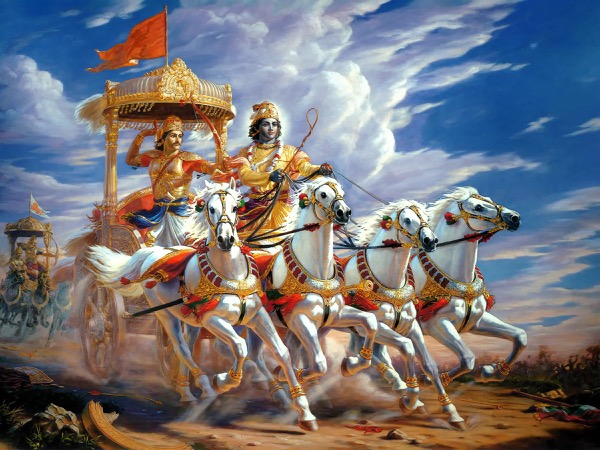
ତତଃ ଶ୍ଵେତୈର୍ହୟୈର୍ୟୁକ୍ତେ ମହତି ସ୍ୟଂଦନେ ସ୍ଥିତୌ ।
ମାଧଵଃ ପାଂଡଵଶ୍ଚୈଵ ଦିଵ୍ୟୌ ଶଂଖୌ ପ୍ରଦଧ୍ମତୁଃ ॥14॥
Translation (ଭାଵାର୍ଥ):
Then Madhava and the Pandava, stationed in their great chariot yoked to white horses, blew their divine conches.
ପାଂଚଜନ୍ୟଂ ହୃଷୀକେଶଃ ଦେଵଦତ୍ତଂ ଧନଂଜୟଃ ।
ପୌଂଡ୍ରଂ ଦଧ୍ମୌ ମହାଶଂଖଂ ଭୀମକର୍ମା ଵୃକୋଦରଃ ॥15॥
Translation (ଭାଵାର୍ଥ):
Hrishikesha blew Panchajanya; Dhananjaya blew Devadatta; and Bhima - Vrukodara of mighty deeds - blew the great conch Paundra.
ଅନଂତଵିଜୟଂ ରାଜା କୁଂତୀପୁତ୍ରୋ ୟୁଧିଷ୍ଠିରଃ ।
ନକୁଲଃ ସହଦେଵଶ୍ଚ ସୁଘୋଷମଣିପୁଷ୍ପକୌ ॥16॥
Translation (ଭାଵାର୍ଥ):
King Yudhishthira, son of Kunti, blew Anantavijaya; and Nakula and Sahadeva blew Sughosha and Manipushpaka.
କାଶ୍ୟଶ୍ଚ ପରମେଷ୍ଵାସଃ ଶିଖଂଡୀ ଚ ମହାରଥଃ ।
ଧୃଷ୍ଟଦ୍ୟୁମ୍ନୋ ଵିରାଟଶ୍ଚ ସାତ୍ୟକିଶ୍ଚାପରାଜିତଃ ॥17॥
Translation (ଭାଵାର୍ଥ):
The king of Kashi, the great archer; Shikhandi, the great chariot-warrior; Dhrishtadyumna, Virata, and the undefeated Satyaki were among those who sounded their conches.
ଦ୍ରୁପଦୋ ଦ୍ରୌପଦେୟାଶ୍ଚ ସର୍ଵଶଃ ପୃଥିଵୀପତେ ।
ସୌଭଦ୍ରଶ୍ଚ ମହାବାହୁଃ ଶଂଖାନ୍-ଦଧ୍ମୁଃ ପୃଥକ୍ ପୃଥକ୍ ॥18॥
Translation (ଭାଵାର୍ଥ):
O king, Drupada, all the sons of Draupadi, and the mighty-armed Saubhadra blew their conches - each one separately.
ସ ଘୋଷୋ ଧାର୍ତରାଷ୍ଟ୍ରାଣାଂ ହୃଦୟାନି ଵ୍ୟଦାରୟତ୍ ।
ନଭଶ୍ଚ ପୃଥିଵୀଂ ଚୈଵ ତୁମୁଲୋ ଵ୍ୟନୁନାଦୟନ୍ ॥19॥
Translation (ଭାଵାର୍ଥ):
That tumultuous sound tore the hearts of Dhritarashtra's sons and echoed through the sky and the earth.
ଅଥ ଵ୍ୟଵସ୍ଥିତାନ୍-ଦୃଷ୍ଟ୍ଵା ଧାର୍ତରାଷ୍ଟ୍ରାନ୍ କପିଧ୍ଵଜଃ ।
ପ୍ରଵୃତ୍ତେ ଶସ୍ତ୍ରସଂପାତେ ଧନୁରୁଦ୍ୟମ୍ୟ ପାଂଡଵଃ ॥20॥
Translation (ଭାଵାର୍ଥ):
Then, seeing the sons of Dhritarashtra drawn up for battle, and as the clash of weapons was about to begin, Arjuna - the Pandava with the monkey-banner - raised his bow.
ହୃଷୀକେଶଂ ତଦା ଵାକ୍ୟମ୍ ଇଦମାହ ମହୀପତେ ।
ଅର୍ଜୁନ ଉଵାଚ
ସେନୟୋରୁଭୟୋର୍ମଧ୍ୟେ ରଥଂ ସ୍ଥାପୟ ମେଽଚ୍ୟୁତ ॥21॥
Translation (ଭାଵାର୍ଥ):
Arjuna said to Hrishikesha: O Achyuta, place my chariot between the two armies.
ୟାଵଦେତାନ୍ନିରୀକ୍ଷେଽହଂ ୟୋଦ୍ଧୁକାମାନଵସ୍ଥିତାନ୍ ।
କୈର୍ମୟା ସହ ୟୋଦ୍ଧଵ୍ୟଂ ଅସ୍ମିନ୍ ରଣସମୁଦ୍ୟମେ ॥22॥
Translation (ଭାଵାର୍ଥ):
Let me look at those who are standing here eager to fight, with whom I must engage in this battle.
ୟୋତ୍ସ୍ୟମାନାନଵେକ୍ଷେଽହଂ ୟ ଏତେଽତ୍ର ସମାଗତାଃ ।
ଧାର୍ତରାଷ୍ଟ୍ରସ୍ୟ ଦୁର୍ବୁଦ୍ଧେଃ ୟୁଦ୍ଧେ ପ୍ରିୟଚିକୀର୍ଷଵଃ ॥23॥
Translation (ଭାଵାର୍ଥ):
I want to see those who have gathered here ready to fight, seeking to please the evil-minded son of Dhritarashtra in this war.
ସଂଜୟ ଉଵାଚ
ଏଵମୁକ୍ତୋ ହୃଷୀକେଶଃ ଗୁଡାକେଶେନ ଭାରତ ।
ସେନୟୋରୁଭୟୋର୍ମଧ୍ୟେ ସ୍ଥାପୟିତ୍ଵା ରଥୋତ୍ତମମ୍ ॥24॥
Translation (ଭାଵାର୍ଥ):
Sanjaya said: Thus addressed by Gudakesha, O Bharata, Hrishikesha placed the best of chariots between the two armies.
ଭୀଷ୍ମଦ୍ରୋଣପ୍ରମୁଖତଃ ସର୍ଵେଷାଂ ଚ ମହୀକ୍ଷିତାମ୍ ।
ଉଵାଚ ପାର୍ଥ ପଶ୍ୟୈତାନ୍ ସମଵେତାନ୍କୁରୂନିତି ॥25॥
Translation (ଭାଵାର୍ଥ):
With Bhishma and Drona in the forefront, and in the presence of all the kings, Krishna said: O Partha, behold these Kurus assembled here.
ତତ୍ରାପଶ୍ୟତ୍ସ୍ଥିତାନ୍ ପାର୍ଥଃ ପିତୄନଥ ପିତାମହାନ୍ ।
ଆଚାର୍ୟାନ୍-ମାତୁଲାନ୍-ଭ୍ରାତୄନ୍ ପୁତ୍ରାନ୍-ପୌତ୍ରାନ୍-ସଖୀଂସ୍ତଥା ॥26॥
Translation (ଭାଵାର୍ଥ):
There Partha saw standing fathers and grandfathers, teachers and uncles, brothers, sons, grandsons, and friends.
ଶ୍ଵଶୁରାନ୍-ସୁହୃଦଶ୍ଚୈଵ ସେନୟୋରୁଭୟୋରପି ।
ତାନ୍ସମୀକ୍ଷ୍ୟ ସ କୌଂତେୟଃ ସର୍ଵାନ୍ବଂଧୂନଵସ୍ଥିତାନ୍ ॥27॥
Translation (ଭାଵାର୍ଥ):
He also saw fathers-in-law and well-wishers in both armies; seeing all those relatives standing there, the son of Kunti (Arjuna)...
କୃପୟା ପରୟାଽଽଵିଷ୍ଟଃ ଵିଷୀଦନ୍ନିଦମବ୍ରଵୀତ୍ ।
ଅର୍ଜୁନ ଉଵାଚ
ଦୃଷ୍ଟ୍ଵେମଂ ସ୍ଵଜନଂ କୃଷ୍ଣ ୟୁୟୁତ୍ସୁଂ ସମୁପସ୍ଥିତମ୍ ॥28॥
Translation (ଭାଵାର୍ଥ):
Overwhelmed by deep compassion and grief, Arjuna said: O Krishna, seeing my own people standing here eager to fight...
ସୀଦଂତି ମମ ଗାତ୍ରାଣି ମୁଖଂ ଚ ପରିଶୁଷ୍ୟତି ।
ଵେପଥୁଶ୍ଚ ଶରୀରେ ମେ ରୋମହର୍ଷଶ୍ଚ ଜାୟତେ ॥29॥
Translation (ଭାଵାର୍ଥ):
My limbs grow weak, my mouth dries up, my body trembles, and my hair stands on end.
ଗାଂଡୀଵଂ ସ୍ରଂସତେ ହସ୍ତାତ୍ ତ୍ଵ କ୍ଚୈଵ ପରିଦହ୍ୟତେ ।
ନ ଚ ଶକ୍ନୋମ୍ୟଵସ୍ଥାତୁଂ ଭ୍ରମତୀଵ ଚ ମେ ମନଃ ॥30॥
Translation (ଭାଵାର୍ଥ):
My Gandiva slips from my hand, my skin burns, I cannot stand steady, and my mind seems to reel.
ନିମିତ୍ତାନି ଚ ପଶ୍ୟାମି ଵିପରୀତାନି କେଶଵ ।
ନ ଚ ଶ୍ରେୟୋଽନୁପଶ୍ୟାମି ହତ୍ଵା ସ୍ଵଜନମାହଵେ ॥31॥
Translation (ଭାଵାର୍ଥ):
I see adverse signs, O Keshava, and I do not foresee any good in killing my own people in battle.
ନ କାଂକ୍ଷେ ଵିଜୟଂ କୃଷ୍ଣ ନ ଚ ରାଜ୍ୟଂ ସୁଖାନି ଚ ।
କିଂ ନୋ ରାଜ୍ୟେନ ଗୋଵିଂଦ କିଂ ଭୋଗୈର୍ଜୀଵିତେନ ଵା ॥32॥
Translation (ଭାଵାର୍ଥ):
O Krishna, I do not want victory, kingdom, or pleasures. What use are kingdom, enjoyments, or even life to us, O Govinda?
ୟେଷାମର୍ଥେ କାଂକ୍ଷିତଂ ନଃ ରାଜ୍ୟଂ ଭୋଗାଃ ସୁଖାନି ଚ ।
ତ ଇମେଽଵସ୍ଥିତା ୟୁଦ୍ଧେ ପ୍ରାଣାଂସ୍ତ୍ୟକ୍ତ୍ତ୍ଵା ଧନାନି ଚ ॥33॥
Translation (ଭାଵାର୍ଥ):
Those for whose sake we wanted kingdom, pleasures, and comforts are standing here in battle, ready to give up their lives and wealth.
ଆଚାର୍ୟାଃ ପିତରଃ ପୁତ୍ରାଃ ତଥୈଵ ଚ ପିତାମହାଃ ।
ମାତୁଲାଃ ଶ୍ଵଶୁରାଃ ପୌତ୍ରାଃ ଶ୍ୟାଲାଃ ସଂବଂଧିନସ୍ତଥା ॥34॥
Translation (ଭାଵାର୍ଥ):
Teachers, fathers, sons, grandfathers, uncles, fathers-in-law, grandsons, brothers-in-law, and other relatives are all here.
ଏତାନ୍ନ ହଂତୁମିଚ୍ଛାମି ଘ୍ନତୋଽପି ମଧୁସୂଦନ ।
ଅପି ତ୍ରୈଲୋକ୍ୟରାଜ୍ୟସ୍ୟ ହେତୋଃ କିଂ ନୁ ମହୀକୃତେ ॥35॥
Translation (ଭାଵାର୍ଥ):
O Madhusudana, I do not wish to kill these people even if they kill me - not even for sovereignty over the three worlds, much less for the sake of this earth.
ନିହତ୍ୟ ଧାର୍ତରାଷ୍ଟ୍ରାନ୍ନଃ କା ପ୍ରୀତିଃ ସ୍ୟାଜ୍ଜନାର୍ଦନ ।
ପାପମେଵାଶ୍ରୟେଦସ୍ମାନ୍ ହତ୍ଵୈତାନାତତାୟିନଃ ॥36॥
Translation (ଭାଵାର୍ଥ):
O Janardana, what joy would be ours if we kill the sons of Dhritarashtra? Sin would cling to us by killing these aggressors.
ତସ୍ମାନ୍ନାର୍ହା ଵୟଂ ହଂତୁଂ ଧାର୍ତରାଷ୍ଟ୍ରାନ୍ସ୍ଵବାଂଧଵାନ୍ ।
ସ୍ଵଜନଂ ହି କଥଂ ହତ୍ଵା ସୁଖିନଃ ସ୍ୟାମ ମାଧଵ ॥37॥
Translation (ଭାଵାର୍ଥ):
Therefore we are not fit to kill the sons of Dhritarashtra, our own kinsmen. O Madhava, how could we be happy after killing our own people?
ୟଦ୍ୟପ୍ୟେତେ ନ ପଶ୍ୟଂତି ଲୋଭୋପହତଚେତସଃ ।
କୁଲକ୍ଷୟକୃତଂ ଦୋଷଂ ମିତ୍ରଦ୍ରୋହେ ଚ ପାତକମ୍ ॥38॥
Translation (ଭାଵାର୍ଥ):
Even though these people, their minds ruined by greed, do not see the evil in destroying the family or the sin in betraying friends...
କଥଂ ନ ଜ୍ଞେୟମସ୍ମାଭିଃ ପାପାଦସ୍ମାନ୍ନିଵର୍ତିତୁମ୍ ।
କୁଲକ୍ଷୟକୃତଂ ଦୋଷଂ ପ୍ରପଶ୍ୟଦ୍ଭିର୍ଜନାର୍ଦନ ॥39॥
Translation (ଭାଵାର୍ଥ):
O Janardana, how can we - who see clearly the fault in destroying the family - not know to turn away from this sin?
କୁଲକ୍ଷୟେ ପ୍ରଣଶ୍ୟଂତି କୁଲଧର୍ମାଃ ସନାତନାଃ ।
ଧର୍ମେ ନଷ୍ଟେ କୁଲଂ କୃତ୍ସ୍ନମ୍ ଅଧର୍ମୋଽଭିଭଵତ୍ୟୁତ ॥40॥
Translation (ଭାଵାର୍ଥ):
When a family is destroyed, its ancient duties and traditions perish; when dharma is lost, adharma overwhelms the entire family.
ଅଧର୍ମାଭିଭଵାତ୍କୃଷ୍ଣ ପ୍ରଦୁଷ୍ୟଂତି କୁଲସ୍ତ୍ରିୟଃ ।
ସ୍ତ୍ରୀଷୁ ଦୁଷ୍ଟାସୁ ଵାର୍ଷ୍ଣେୟ ଜାୟତେ ଵର୍ଣସଂକରଃ ॥41॥
Translation (ଭାଵାର୍ଥ):
O Krishna, when adharma prevails, the women of the family are corrupted; and when women are corrupted, O Varshneya, social confusion (ଵର୍ଣସଂକରଃ) arises.
ସଂକରୋ ନରକାୟୈଵ କୁଲଘ୍ନାନାଂ କୁଲସ୍ୟ ଚ ।
ପତଂତି ପିତରୋ ହ୍ୟେଷାଂ ଲୁପ୍ତପିଂଡୋଦକକ୍ରିୟାଃ ॥42॥
Translation (ଭାଵାର୍ଥ):
Such disorder leads to downfall for the family-destroyers and the family; their ancestors fall, deprived of the rites of offerings of ପିଂଡ and ଉଦକ.
ଦୋଷୈରେତୈଃ କୁଲଘ୍ନାନାଂ ଵର୍ଣସଂକରକାରକୈଃ ।
ଉତ୍ସାଦ୍ୟଂତେ ଜାତିଧର୍ମାଃ କୁଲଧର୍ମାଶ୍ଚ ଶାଶ୍ଵତାଃ ॥43॥
Translation (ଭାଵାର୍ଥ):
By these faults of family-destroyers who create social confusion, the long-standing duties of community and family are uprooted.
ଉତ୍ସନ୍ନକୁଲଧର୍ମାଣାଂ ମନୁଷ୍ୟାଣାଂ ଜନାର୍ଦନ ।
ନରକେଽନିୟତଂ ଵାସଃ ଭଵତୀତ୍ୟନୁଶୁଶ୍ରୁମ ॥44॥
Translation (ଭାଵାର୍ଥ):
O Janardana, we have heard that people whose family dharmas are destroyed dwell in downfall (naraka) inevitably.
ଅହୋ ବତ ମହତ୍ପାପଂ କର୍ତୁଂ ଵ୍ୟଵସିତା ଵୟମ୍ ।
ୟଦ୍ରାଜ୍ୟସୁଖଲୋଭେନ ହଂତୁଂ ସ୍ଵଜନମୁଦ୍ୟତାଃ ॥45॥
Translation (ଭାଵାର୍ଥ):
Alas, we are resolved to commit a great wrong - driven by greed for kingdom and pleasures, we are ready to kill our own people.
ୟଦି ମାମପ୍ରତୀକାରମ୍ ଅଶସ୍ତ୍ରଂ ଶସ୍ତ୍ରପାଣୟଃ ।
ଧାର୍ତରାଷ୍ଟ୍ରା ରଣେ ହନ୍ୟୁଃ ତନ୍ମେ କ୍ଷେମତରଂ ଭଵେତ୍ ॥46॥
Translation (ଭାଵାର୍ଥ):
If the sons of Dhritarashtra, weapons in hand, were to kill me in battle while I stand unarmed and unresisting, that would be better for me.
ସଂଜୟ ଉଵାଚ
ଏଵମୁକ୍ତ୍ଵାଽର୍ଜୁନଃ ସଂଖ୍ୟେ ରଥୋପସ୍ଥ ଉପାଵିଶତ୍ ।
ଵିସୃଜ୍ୟ ସଶରଂ ଚାପଂ ଶୋକସଂଵିଗ୍ନମାନସଃ ॥47॥
Translation (ଭାଵାର୍ଥ):
Sanjaya said: Having spoken thus on the battlefield, Arjuna sat down on the seat of the chariot, casting aside his bow and arrows, his mind overwhelmed with grief.
॥ ଓଂ ତତ୍ସଦିତି ଶ୍ରୀମଦ୍ଭଗଵଦ୍ଗୀତାସୁ ଉପନିଷତ୍ସୁ ବ୍ରହ୍ମଵିଦ୍ୟାୟାଂ
ୟୋଗଶାସ୍ତ୍ରେ ଶ୍ରୀକୃଷ୍ଣାର୍ଜୁନସଂଵାଦେ ଅର୍ଜୁନଵିଷାଦୟୋଗୋ ନାମ ପ୍ରଥମୋଽଧ୍ୟାୟଃ ॥
Translation (ଭାଵାର୍ଥ):
Om Tat Sat. Thus ends the first chapter, called "Arjuna Vishada Yoga", in the revered Bhagavad Gita - an Upanishad teaching Brahma-vidya and Yoga, in the dialogue between Sri Krishna and Arjuna.
Browse Related Categories: