The first section of the third Mundaka is one of the most direct realization-oriented passages in the Upanishads. The earlier chapters established knowledge hierarchy, karma's limits, cosmic dependence, and contemplative method; this section now speaks from the threshold of realization itself. Its language is therefore simultaneously symbolic, diagnostic, and liberating.
This section is famous for the two-birds imagery, the declaration satyamēva jayatē, and explicit statements about the conditions of Self-realization. It moves from bondage-description to seeing, from seeing to purification, from purification to sameness with Brahman, and from contemplative maturity to existential freedom.
॥ tṛtīya muṇḍakē prathamaḥ khaṇḍaḥ ॥
Translation (bhāvārtha):
This is the first section of the third Mundaka, where the Upanishad turns explicitly toward direct realization and its marks.
dvā suparṇā sayujā sakhāyā samānaṃ vṛkṣaṃ pariṣasvajātē ।
tayōranyaḥ pippalaṃ svādvattyanaśnannanyō abhichākaśīti ॥ 1॥
Translation (bhāvārtha):
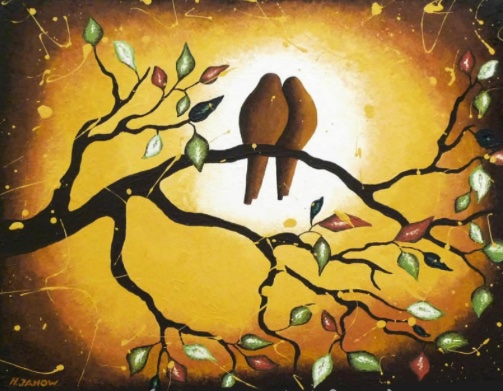
Two companion birds sit on the same tree: one eats the sweet fruit, while the other does not eat and simply watches.
samānē vṛkṣē puruṣō nimagnō'niśayā śōchati muhyamānaḥ ।
juṣṭaṃ yadā paśyatyanyamīśamasya
mahimānamiti vītaśōkaḥ ॥ 2॥
Translation (bhāvārtha):
On that same tree, the embodied person, sunk in confusion, grieves in helplessness. But when he sees the other - the Lord and His glory - he becomes free from sorrow.
yadā paśyaḥ paśyatē rukmavarṇaṃ
kartāramīśaṃ puruṣaṃ brahmayōnim ।
tadā vidvān puṇyapāpē vidhūya
nirañjanaḥ paramaṃ sāmyamupaiti ॥ 3॥
Translation (bhāvārtha):
When the seeker truly beholds the radiant Lord, the source-ground, then becoming wise, he casts off bondage to virtue and vice, becomes stainless, and attains supreme sameness.
praṇō hyēṣa yaḥ sarvabhūtairvibhāti
vijānan vidvān bhavatē nātivādī ।
ātmakrīḍa ātmaratiḥ kriyāvā-
nēṣa brahmavidāṃ variṣṭhaḥ ॥ 4॥
Translation (bhāvārtha):
That one life-principle shines through all beings. Knowing this, the wise does not indulge in empty over-speech; delighting in the Self and established in right action, he becomes foremost among knowers of Brahman.
satyēna labhyastapasā hyēṣa ātmā
samyagjñānēna brahmacharyēṇa nityam ।
antaḥśarīrē jyōtirmayō hi śubhrō
yaṃ paśyanti yatayaḥ kṣīṇadōṣāḥ ॥ 5॥
Translation (bhāvārtha):
This Self is realized through truth, austerity, right knowledge, and sustained sacred discipline; the pure luminous reality within is seen by disciplined seekers whose defects are worn down.
satyamēva jayatē nānṛtaṃ
satyēna panthā vitatō dēvayānaḥ ।
yēnā''kramantyṛṣayō hyāptakāmā
yatra tat satyasya paramaṃ nidhānam ॥ 6॥
Translation (bhāvārtha):
Truth alone prevails, not falsehood. By truth the path of the gods is spread out; fulfilled sages traverse it to the supreme treasure of Truth.
bṛhachcha tad divyamachintyarūpaṃ
sūkṣmāchcha tat sūkṣmataraṃ vibhāti ।
dūrāt sudūrē tadihāntikē cha
paśyantvihaiva nihitaṃ guhāyām ॥ 7॥
Translation (bhāvārtha):
That reality is vast, luminous, and beyond conceptual form; subtler than the subtle, farther than the farthest yet here very near - established in the heart-cave itself.
na chakṣuṣā gṛhyatē nāpi vāchā
nānyairdēvaistapasā karmaṇa vā ।
jñānaprasādēna viśuddhasattva-
statastu taṃ paśyatē niṣkalaṃ
dhyāyamānaḥ ॥ 8॥
Translation (bhāvārtha):
It is not grasped by eye, speech, senses, austerity, or ritual alone; but through knowledge-born clarity and purified mind, the meditating seeker beholds that partless reality.
ēṣō'ṇurātmā chētasā vēditavyō
yasmin prāṇaḥ pañchadhā saṃvivēśa ।
prāṇaiśchittaṃ sarvamōtaṃ prajānāṃ
yasmin viśuddhē vibhavatyēṣa ātmā ॥ 9॥
Translation (bhāvārtha):
This subtle Self is to be known by refined awareness; in that field the fivefold vital force operates, and the minds of beings are woven with vital energies. When this inner instrument is purified, the Self shines forth.
yaṃ yaṃ lōkaṃ manasā saṃvibhāti
viśuddhasattvaḥ kāmayatē yāṃścha kāmān ।
taṃ taṃ lōkaṃ jayatē tāṃścha kāmāṃ-
stasmādātmajñaṃ hyarchayēt bhūtikāmaḥ ॥ 10॥
Translation (bhāvārtha):
Whatever realm and aims a purified-minded seeker truly envisions, those are attained; therefore one who seeks genuine well-being should honor the knower of the Self.
॥ iti muṇḍakōpaniṣadi tṛtīyamuṇḍakē prathamaḥ khaṇḍaḥ ॥
Translation (bhāvārtha):
Thus ends the first section of the third Mundaka in the Mundaka Upanishad.
Browse Related Categories:
 Vedic Chants (111)
- Ganapati Prarthana Ghanapatham
- Gayatri Mantram Ghanapatham
- Sri Rudram Laghunyasam
- Sri Rudram Namakam
- Sri Rudram Chamakam
- Purusha Suktam
- Sri Suktam
- Durga Suktam
- Narayana Suktam
- Mantra Pushpam
- Shanti Mantram (Dasha Shanti Mantram)
- Nitya Sandhya Vandanam (Krishna Yajurvediya)
- Ganapati Atharva Sheersham
- Eesavasyopanishad (Ishopanishad)
- Nakshatra Suktam (Nakshatreshti)
- Manyu Suktam
- Medha Suktam
- Vishnu Suktam
- Shiva Panchamruta Snanam
- Yagnopavita Dharana
- Sarva Devata Gayatri Mantras
- Taittiriya Upanishad - Shiksha Valli
- Taittiriya Upanishad - Ananda Valli
- Taittiriya Upanishad - Bhrugu Valli
- Bhu Suktam
- Navagraha Suktam
- Maha Narayana Upanishad
- Aruna Prasna
- Mahanyasam (Complete)
- Saraswati Suktam (Rigveda)
- Bhagya Suktam
- Pavamana Suktam
- Nasadiya Suktam
- Navagraha Suktam (Navagraha Namaskaram)
- Pitru Suktam
- Ratri Suktam
- Sarpa Suktam
- Hiranya Garbha Suktam
- Sanusvara Prasna (Sunnala Pannam)
- Go Suktam
- Trisuparnam
- Chitti Pannam
- Aghamarshana Suktam
- Kena Upanishad - Part 1
- Kena Upanishad - Part 2
- Kena Upanishad - Part 3
- Kena Upanishad - Part 4
- Mundaka Upanishad - Mundaka 1, Section 1
- Mundaka Upanishad - Mundaka 1, Section 2
- Mundaka Upanishad - Mundaka 2, Section 1
- Mundaka Upanishad - Mundaka 2, Section 2
- Mundaka Upanishad - Mundaka 3, Section 1
- Mundaka Upanishad - Mundaka 3, Section 2
- Narayana Upanishad
- Vishwakarma Suktam
- Sri Devi Atharva Sheersham
- Durva Suktam (Mahanarayana Upanishad)
- Mrittika Suktam (Mahanarayana Upanishad)
- Sri Durga Atharvasheersham
- Agni Suktam (Rugveda)
- Krimi Samharaka Suktam (Yajurveda)
- Neela Suktam
- Veda Asheervachanam
- Veda Svasti Vachanam
- Aikamatya Suktam
- Ayushya Suktam
- Shraddha Suktam
- Sri Ganesha (Ganapati) Suktam
- Shiva Upasana Mantra
- Shanti Panchakam
- Shukla Yajurveda Sandhya Vandanam
- Mandukya Upanishad
- Rigveda Sandhya Vandanam
- Ekatmata Stotram
- Bhavanopanishad
- Kathopanishad - Chapter 1, Valli 1
- Kathopanishad - Chapter 1, Valli 2
- Kathopanishad - Chapter 1, Valli 3
- Kathopanishad - Chapter 2, Valli 1
- Kathopanishad - Chapter 2, Valli 2
- Kathopanishad - Chapter 2, Valli 3
- Prashnopanishad - Question 1
- Prashnopanishad - Question 2
- Prashnopanishad - Question 3
- Prashnopanishad - Question 4
- Prashnopanishad - Question 5
- Prashnopanishad - Question 6
- Anna Suktam
- Rigvediya Pancha Rudram
- Mahanyasam - 0. Kalasa Pratishtapana Mantras
- Mahanyasam - 1. Panchanga Rudranyasa
- Mahanyasam - 2. Panchamukha Dhyanam
- Mahanyasam - 3. Anganyasa
- Mahanyasam - 4. Dashanga Nyasa
- Mahanyasam - 5. Panchanga Nyasa
- Mahanyasam - 5.1. Hamsa Gayatri
- Mahanyasam - 5.2. Dik Samputanyasa (Samputikarana)
- Mahanyasam - 5.3. Dashanga Raudrikaranam
- Mahanyasam - 5.4. Shodashanga Raudrikaranam
- Mahanyasam - 6.1. Mano Jyotih
- Mahanyasam - 6.2. Atmaraksha
- Mahanyasam - 7.1. Shiva Sankalpam
- Mahanyasam - 7.2. Purusha Suktam
- Mahanyasam - 7.3. Uttara Narayanam
- Mahanyasam - 7.4. Apratiratham
- Mahanyasam - 7.5. Prati Purusham
- Mahanyasam - 7.6. Sata Rudriyam (Tvamagne Rudro'nuvakah)
- Mahanyasam - 7.7. Panchanga Japa
- Mahanyasam - 7.8. Ashtanga Pranamam
- Saraswati Suktam (Yajurvediya)
- Udaka Shanti (Punyaha Vachanam)
 Upanishads (34)
- Eesavasyopanishad (Ishopanishad)
- Shiva Sankalpa Upanishad (Shiva Sankalpamastu)
- Taittiriya Upanishad - Shiksha Valli
- Taittiriya Upanishad - Ananda Valli
- Taittiriya Upanishad - Bhrugu Valli
- Maha Narayana Upanishad
- Kena Upanishad - Part 1
- Kena Upanishad - Part 2
- Kena Upanishad - Part 3
- Kena Upanishad - Part 4
- Mundaka Upanishad - Mundaka 1, Section 1
- Mundaka Upanishad - Mundaka 1, Section 2
- Mundaka Upanishad - Mundaka 2, Section 1
- Mundaka Upanishad - Mundaka 2, Section 2
- Mundaka Upanishad - Mundaka 3, Section 1
- Mundaka Upanishad - Mundaka 3, Section 2
- Narayana Upanishad
- Chakshushopanishad (Chakshushmati Vidya)
- Aparadha Kshamapana Stotram (Devi)
- Sri Surya Upanishad
- Mandukya Upanishad
- Bhavanopanishad
- Kathopanishad - Chapter 1, Valli 1
- Kathopanishad - Chapter 1, Valli 2
- Kathopanishad - Chapter 1, Valli 3
- Kathopanishad - Chapter 2, Valli 1
- Kathopanishad - Chapter 2, Valli 2
- Kathopanishad - Chapter 2, Valli 3
- Prashnopanishad - Question 1
- Prashnopanishad - Question 2
- Prashnopanishad - Question 3
- Prashnopanishad - Question 4
- Prashnopanishad - Question 5
- Prashnopanishad - Question 6
 Mundaka Upanishad (6)