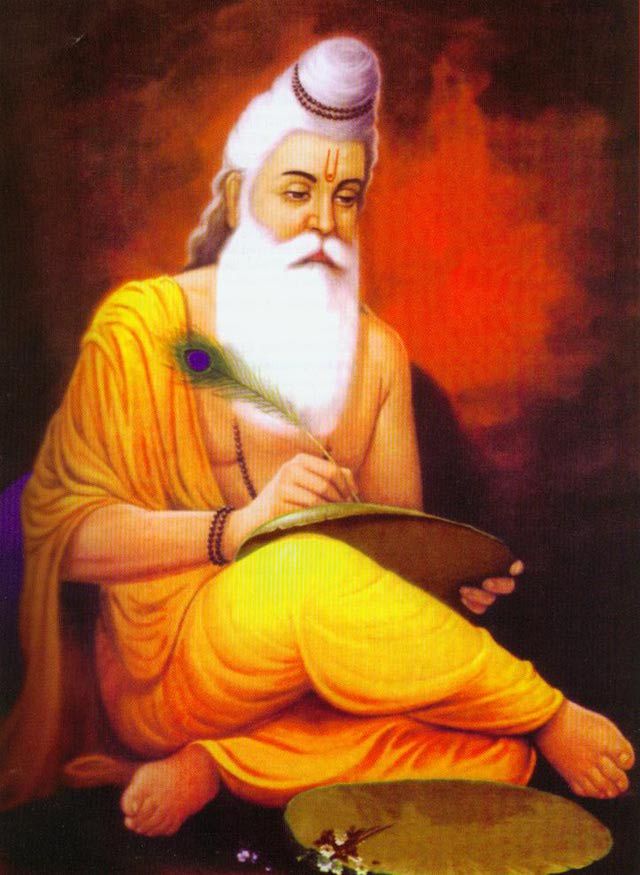
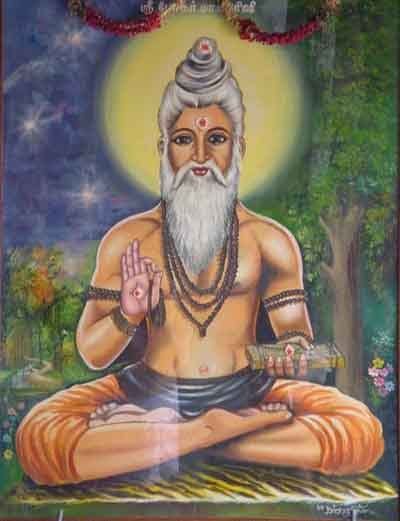
𑌪𑌾𑌤𑌂𑌜𑌲𑌿 𑌯𑍋𑌗 𑌸𑍂𑌤𑍍𑌰𑌾𑌣𑌿 are concise aphorisms that describe how a restless mind can become steady, clear, and inwardly free. The sutras are intentionally compact: each line is a "pointer" that opens up through study, reflection, and sustained practice. Traditional study reads them with a teacher (𑌗𑍁𑌰𑍁) and a commentary; this meaning file is a structured aid for that kind of slow, repeatable contemplation.
The full work is arranged into four chapters (𑌪𑌾𑌦𑌾𑌃). 𑌸𑌮𑌾𑌧𑌿 𑌪𑌾𑌦 defines what 𑌯𑍋𑌗 is, explains how the mind wanders, and outlines the core tools for steady focus. 𑌸𑌾𑌧𑌨 𑌪𑌾𑌦 turns that vision into daily discipline: it explains the causes of suffering, introduces 𑌕𑍍𑌰𑌿𑌯𑌾-𑌯𑍋𑌗, and lays the groundwork for the eight-limbed path.
𑌅𑌥 𑌸𑌮𑌾𑌧𑌿𑌪𑌾𑌦𑌃 ।
Translation (𑌭𑌾𑌵𑌾𑌰𑍍𑌥):
Now begins the chapter on deep meditation - the section that explains steady focus and inner stillness.
𑌅𑌥 𑌯𑍋𑌗𑌾𑌨𑍁𑌶𑌾𑌸𑌨𑌮𑍍 ॥ 1 ॥
Translation (𑌭𑌾𑌵𑌾𑌰𑍍𑌥):
Now begins the disciplined teaching of yoga.
𑌯𑍋𑌗𑌶𑍍𑌚𑌿𑌤𑍍𑌤𑌵𑍃𑌤𑍍𑌤𑌿 𑌨𑌿𑌰𑍋𑌧𑌃 ॥ 2 ॥
Translation (𑌭𑌾𑌵𑌾𑌰𑍍𑌥):
Yoga is the stilling of the mind's fluctuations.
𑌤𑌦𑌾 𑌦𑍍𑌰𑌷𑍍𑌟𑍁𑌃 𑌸𑍍𑌵𑌰𑍂𑌪𑍇𑌽𑌵𑌸𑍍𑌥𑌾𑌨𑌮𑍍 ॥ 3 ॥
Translation (𑌭𑌾𑌵𑌾𑌰𑍍𑌥):
Then the seer rests established in its own true nature.
𑌵𑍃𑌤𑍍𑌤𑌿 𑌸𑌾𑌰𑍂𑌪𑍍𑌯𑌮𑌿𑌤𑌰𑌤𑍍𑌰 ॥ 4 ॥
Translation (𑌭𑌾𑌵𑌾𑌰𑍍𑌥):
At other times, the seer identifies with the mind's modifications.
𑌵𑍃𑌤𑍍𑌤𑌯𑌃 𑌪𑌂𑌚𑌤𑌯𑍍𑌯𑌃 𑌕𑍍𑌲𑌿𑌷𑍍𑌟𑌾𑌽𑌕𑍍𑌲𑌿𑌷𑍍𑌟𑌾𑌃 ॥ 5 ॥
Translation (𑌭𑌾𑌵𑌾𑌰𑍍𑌥):
The mind's modifications are fivefold, and they can be either afflicted or unafflicted.
𑌪𑍍𑌰𑌮𑌾𑌣 𑌵𑌿𑌪𑌰𑍍𑌯𑌯 𑌵𑌿𑌕𑌲𑍍𑌪 𑌨𑌿𑌦𑍍𑌰𑌾 𑌸𑍍𑌮𑍃𑌤𑌯𑌃 ॥ 6 ॥
Translation (𑌭𑌾𑌵𑌾𑌰𑍍𑌥):
The five kinds of mental modifications are right knowledge, misconception, imagination, sleep, and memory.
𑌪𑍍𑌰𑌤𑍍𑌯𑌕𑍍𑌷𑌾𑌨𑍁𑌮𑌾𑌨𑌾𑌗𑌮𑌾𑌃 𑌪𑍍𑌰𑌮𑌾𑌣𑌾𑌨𑌿 ॥ ॥
Translation (𑌭𑌾𑌵𑌾𑌰𑍍𑌥):
Right knowledge comes from direct perception, inference, and reliable testimony.
𑌵𑌿𑌪𑌰𑍍𑌯𑌯𑍋 𑌮𑌿𑌥𑍍𑌯𑌾𑌜𑍍𑌞𑌾𑌨𑌮𑌤𑌦𑍍𑌰𑍂𑌪 𑌪𑍍𑌰𑌤𑌿𑌷𑍍𑌠𑌮𑍍 ॥ ॥
Translation (𑌭𑌾𑌵𑌾𑌰𑍍𑌥):
Misconception is false knowledge grounded in something other than the thing's true nature.
𑌶𑌬𑍍𑌦𑌜𑍍𑌞𑌾𑌨𑌾𑌨𑍁𑌪𑌾𑌤𑍀 𑌵𑌸𑍍𑌤𑍁𑌶𑍂𑌨𑍍𑌯𑍋 𑌵𑌿𑌕𑌲𑍍𑌪𑌃 ॥ ॥
Translation (𑌭𑌾𑌵𑌾𑌰𑍍𑌥):
Imagination is a mental construct that follows words but lacks a corresponding reality.
𑌅𑌭𑌾𑌵 𑌪𑍍𑌰𑌤𑍍𑌯𑌯𑌾𑌲𑌂𑌬𑌨𑌾 𑌵𑍃𑌤𑍍𑌤𑌿𑌰𑍍𑌨𑌿𑌦𑍍𑌰𑌾 ॥ 10 ॥
Translation (𑌭𑌾𑌵𑌾𑌰𑍍𑌥):
Sleep is a mental modification supported by the cognition of absence.
𑌅𑌨𑍁𑌭𑍂𑌤 𑌵𑌿𑌷𑌯𑌾𑌸𑌂𑌪𑍍𑌰𑌮𑍋𑌷𑌃 𑌸𑍍𑌮𑍃𑌤𑌿𑌃 ॥ 11 ॥
Translation (𑌭𑌾𑌵𑌾𑌰𑍍𑌥):
Memory is the retention of what has been experienced, without losing it.
𑌅𑌭𑍍𑌯𑌾𑌸 𑌵𑍈𑌰𑌾𑌗𑍍𑌯𑌾𑌭𑍍𑌯𑌾𑌂 𑌤𑌨𑍍𑌨𑌿𑌰𑍋𑌧𑌃 ॥ 12 ॥
Translation (𑌭𑌾𑌵𑌾𑌰𑍍𑌥):
Their stilling is accomplished through practice and dispassion.
𑌤𑌤𑍍𑌰 𑌸𑍍𑌥𑌿𑌤𑍌 𑌯𑌤𑍍𑌨𑍋𑌽𑌭𑍍𑌯𑌾𑌸𑌃 ॥ 13 ॥
Translation (𑌭𑌾𑌵𑌾𑌰𑍍𑌥):
Practice is the effort to remain established in that steadiness.
𑌸 𑌤𑍁 𑌦𑍀𑌰𑍍𑌘𑌕𑌾𑌲 𑌨𑍈𑌰𑌂𑌤𑌰𑍍𑌯 𑌸𑌤𑍍𑌕𑌾𑌰𑌾𑌸𑍇𑌵𑌿𑌤𑍋 𑌦𑍃𑌢𑌭𑍂𑌮𑌿𑌃 ॥ 14 ॥
Translation (𑌭𑌾𑌵𑌾𑌰𑍍𑌥):
Practice becomes firmly grounded when it is sustained for a long time, done without interruption, and pursued with sincere care and reverence.
𑌦𑍃𑌷𑍍𑌟𑌾𑌨𑍁𑌶𑍍𑌰𑌵𑌿𑌕 𑌵𑌿𑌷𑌯 𑌵𑌿𑌤𑍃𑌷𑍍𑌣𑌸𑍍𑌯 𑌵𑌶𑍀𑌕𑌾𑌰𑌸𑌂𑌜𑍍𑌞𑌾 𑌵𑍈𑌰𑌾𑌗𑍍𑌯𑌮𑍍 ॥ 15 ॥
Translation (𑌭𑌾𑌵𑌾𑌰𑍍𑌥):
Dispassion is the mastery that arises when craving for objects seen or heard about no longer dominates.
𑌤𑌤𑍍𑌪𑌰𑌂 𑌪𑍁𑌰𑍁𑌷𑌖𑍍𑌯𑌾𑌤𑍇-𑌰𑍍𑌗𑍁𑌣𑌵𑍈𑌤𑍃𑌷𑍍𑌣𑍍𑌯𑌮𑍍 ॥ 16 ॥
Translation (𑌭𑌾𑌵𑌾𑌰𑍍𑌥):
The higher dispassion is freedom from craving even for the qualities of nature, born of clear discernment of the seer.
𑌵𑌿𑌤𑌰𑍍𑌕 𑌵𑌿𑌚𑌾𑌰𑌾𑌨𑌂𑌦𑌾𑌸𑍍𑌮𑌿𑌤𑌾𑌰𑍂𑌪𑌾𑌨𑍁𑌗𑌮𑌾𑌤𑍍 𑌸𑌂𑌪𑍍𑌰𑌜𑍍𑌞𑌾𑌤𑌃 ॥ 1 ॥
Translation (𑌭𑌾𑌵𑌾𑌰𑍍𑌥):
Absorption with cognitive support is accompanied by inquiry, subtle reflection, joy, and a subtle sense of individuality.
𑌵𑌿𑌰𑌾𑌮𑌪𑍍𑌰𑌤𑍍𑌯𑌯𑌾𑌭𑍍𑌯𑌾𑌸𑌪𑍂𑌰𑍍𑌵𑌃 𑌸𑌂𑌸𑍍𑌕𑌾𑌰𑌶𑍇𑌷𑍋𑌽𑌨𑍍𑌯𑌃 ॥ 1 ॥
Translation (𑌭𑌾𑌵𑌾𑌰𑍍𑌥):
The other absorption is preceded by repeated practice of cessation, leaving only latent impressions.
𑌭𑌵𑌪𑍍𑌰𑌤𑍍𑌯𑌯𑍋 𑌵𑌿𑌦𑍇𑌹𑌪𑍍𑌰𑌕𑍃𑌤𑌿𑌲𑌯𑌾𑌨𑌾𑌮𑍍 ॥ 1 ॥
Translation (𑌭𑌾𑌵𑌾𑌰𑍍𑌥):
For the disembodied and those absorbed into nature, this state is caused by their condition of existence (their birth-state).
𑌶𑍍𑌰𑌦𑍍𑌧𑌾 𑌵𑍀𑌰𑍍𑌯 𑌸𑍍𑌮𑍃𑌤𑌿 𑌸𑌮𑌾𑌧𑌿𑌪𑍍𑌰𑌜𑍍𑌞𑌾 𑌪𑍂𑌰𑍍𑌵𑌕 𑌇𑌤𑌰𑍇𑌷𑌾𑌮𑍍 ॥ 20 ॥
Translation (𑌭𑌾𑌵𑌾𑌰𑍍𑌥):
For other practitioners, it is preceded by trust, energy, mindfulness, steady focus, and insight.
𑌤𑍀𑌵𑍍𑌰𑌸𑌂𑌵𑍇𑌗𑌾𑌨𑌾𑌮𑌾𑌸𑌨𑍍𑌨𑌃 ॥ 21 ॥
Translation (𑌭𑌾𑌵𑌾𑌰𑍍𑌥):
For those with intense ardor and urgency, realization is near.
𑌮𑍃𑌦𑍁𑌮𑌧𑍍𑌯𑌾𑌧𑌿𑌮𑌾𑌤𑍍𑌰𑌤𑍍𑌵𑌾𑌤𑍍𑌤𑌤𑍋𑌽𑌪𑌿 𑌵𑌿𑌶𑍇𑌷𑌃 ॥ 22 ॥
Translation (𑌭𑌾𑌵𑌾𑌰𑍍𑌥):
Even among seekers, there are distinctions based on whether the intensity is mild, moderate, or intense.
𑌈𑌶𑍍𑌵𑌰𑌪𑍍𑌰𑌣𑌿𑌧𑌾𑌨𑌾𑌦𑍍𑌵𑌾 ॥ 23 ॥
Translation (𑌭𑌾𑌵𑌾𑌰𑍍𑌥):
Alternatively, it can be attained through devoted surrender to the Lord.
𑌕𑍍𑌲𑍇𑌶 𑌕𑌰𑍍𑌮 𑌵𑌿𑌪𑌾𑌕𑌾𑌶𑌯𑍈𑌰𑌪𑌰𑌾𑌮𑍃𑌷𑍍𑌟𑌃 𑌪𑍁𑌰𑍁𑌷𑌵𑌿𑌶𑍇𑌷 𑌈𑌶𑍍𑌵𑌰𑌃 ॥ 24 ॥
Translation (𑌭𑌾𑌵𑌾𑌰𑍍𑌥):
The Lord is a special seer, untouched by afflictions, actions, their fruits, and the storehouse of latent impressions.
𑌤𑌤𑍍𑌰 𑌨𑌿𑌰𑌤𑌿𑌶𑌯𑌂 𑌸𑌰𑍍𑌵𑌜𑍍𑌞𑌬𑍀𑌜𑌮𑍍 ॥ 25 ॥
Translation (𑌭𑌾𑌵𑌾𑌰𑍍𑌥):
In the Lord lies the unsurpassed seed of omniscience.
𑌸 𑌏𑌷𑌃 𑌪𑍂𑌰𑍍𑌵𑍇𑌷𑌾𑌮𑌪𑌿 𑌗𑍁𑌰𑍁𑌃 𑌕𑌾𑌲𑍇𑌨𑌾𑌨𑌵𑌚𑍍𑌛𑍇𑌦𑌾𑌤𑍍 ॥ 26 ॥
Translation (𑌭𑌾𑌵𑌾𑌰𑍍𑌥):
He is also the teacher of the ancient teachers, being unbounded by time.
𑌤𑌸𑍍𑌯 𑌵𑌾𑌚𑌕𑌃 𑌪𑍍𑌰𑌣𑌵𑌃 ॥ 2 ॥
Translation (𑌭𑌾𑌵𑌾𑌰𑍍𑌥):
The sacred syllable Om is the expressive symbol of the Lord.
𑌤𑌜𑍍𑌜𑌪𑌸𑍍𑌤𑌦𑌰𑍍𑌥𑌭𑌾𑌵𑌨𑌮𑍍 ॥ 2 ॥
Translation (𑌭𑌾𑌵𑌾𑌰𑍍𑌥):
Its repetition should be accompanied by contemplation of its meaning.
𑌤𑌤𑌃 𑌪𑍍𑌰𑌤𑍍𑌯𑌕𑍍𑌚𑍇𑌤𑌨𑌾𑌧𑌿𑌗𑌮𑍋𑌽𑌪𑍍𑌯𑌂𑌤𑌰𑌾𑌯𑌾𑌭𑌾𑌵𑌶𑍍𑌚 ॥ 2 ॥
Translation (𑌭𑌾𑌵𑌾𑌰𑍍𑌥):
From that comes direct realization of inner consciousness, and the removal of obstacles.
𑌵𑍍𑌯𑌾𑌧𑌿 𑌸𑍍𑌤𑍍𑌯𑌾𑌨 𑌸𑌂𑌶𑌯 𑌪𑍍𑌰𑌮𑌾𑌦𑌾𑌲𑌸𑍍𑌯𑌾𑌵𑌿𑌰𑌤𑌿 𑌭𑍍𑌰𑌾𑌂𑌤𑌿
𑌦𑌰𑍍𑌶𑌨𑌾𑌲𑌬𑍍𑌧𑌭𑍂𑌮𑌿𑌕𑌤𑍍𑌵𑌾𑌨𑌵𑌸𑍍𑌥𑌿𑌤𑌤𑍍𑌵𑌾𑌨𑌿 𑌚𑌿𑌤𑍍𑌤𑌵𑌿𑌕𑍍𑌷𑍇𑌪𑌾𑌸𑍍𑌤𑍇𑌂𑌽𑌤𑌰𑌾𑌯𑌾𑌃 ॥ 30 ॥
Translation (𑌭𑌾𑌵𑌾𑌰𑍍𑌥):
Illness, dullness, doubt, carelessness, laziness, lack of restraint, mistaken perception, failure to attain stages, and instability are the obstacles that scatter the mind.
𑌦𑍁𑌃𑌖 𑌦𑍌𑌰𑍍𑌮𑌨𑌸𑍍𑌯𑌾𑌂𑌗𑌮𑍇𑌜𑌯𑌤𑍍𑌵 𑌶𑍍𑌵𑌾𑌸𑌪𑍍𑌰𑌶𑍍𑌵𑌾𑌸𑌾 𑌵𑌿𑌕𑍍𑌷𑍇𑌪𑌸𑌹𑌭𑍁𑌵𑌃 ॥ 31 ॥
Translation (𑌭𑌾𑌵𑌾𑌰𑍍𑌥):
Suffering, dejection, bodily agitation, and irregular breathing accompany mental distraction.
𑌤𑌤𑍍𑌪𑍍𑌰𑌤𑌿𑌷𑍇𑌧𑌾𑌰𑍍𑌥𑌮𑍇𑌕𑌤𑌤𑍍𑌤𑍍𑌵𑌾𑌭𑍍𑌯𑌾𑌸𑌃 ॥ 32 ॥
Translation (𑌭𑌾𑌵𑌾𑌰𑍍𑌥):
To counter these obstacles, practice one-pointed focus on a single principle.
𑌮𑍈𑌤𑍍𑌰𑍀 𑌕𑌰𑍁𑌣𑌾 𑌮𑍁𑌦𑌿𑌤𑍋𑌪𑍇𑌕𑍍𑌷𑌾𑌣𑌾𑌂 𑌸𑍁𑌖 𑌦𑍁𑌃𑌖 𑌪𑍁𑌣𑍍𑌯𑌾𑌪𑍁𑌣𑍍𑌯 𑌵𑌿𑌷𑌯𑌾𑌣𑌾𑌮𑍍-𑌭𑌾𑌵𑌨𑌾𑌤𑌶𑍍𑌚𑌿𑌤𑍍𑌤𑌪𑍍𑌰𑌸𑌾𑌦𑌨𑌮𑍍 ॥ 33 ॥
Translation (𑌭𑌾𑌵𑌾𑌰𑍍𑌥):
The mind becomes serene by cultivating friendliness toward the happy, compassion toward the suffering, appreciative joy toward the virtuous, and equanimity toward the non-virtuous.
𑌪𑍍𑌰𑌚𑍍𑌛𑌰𑍍𑌦𑌨 𑌵𑌿𑌧𑌾𑌰𑌣𑌾𑌭𑍍𑌯𑌾𑌂 𑌵𑌾 𑌪𑍍𑌰𑌾𑌣𑌸𑍍𑌯 ॥ 34 ॥
Translation (𑌭𑌾𑌵𑌾𑌰𑍍𑌥):
Or, by working with the breath through exhalation and retention.
𑌵𑌿𑌷𑌯𑌵𑌤𑍀 𑌵𑌾 𑌪𑍍𑌰𑌵𑍃𑌤𑍍𑌤𑌿𑌰𑍁𑌤𑍍𑌪𑌨𑍍𑌨𑌾 𑌮𑌨𑌸𑌃 𑌸𑍍𑌥𑌿𑌤𑌿 𑌨𑌿𑌬𑌂𑌧𑌿𑌨𑍀 ॥ 35 ॥
Translation (𑌭𑌾𑌵𑌾𑌰𑍍𑌥):
Or, the mind can be steadied by an object-centered flow of attention that arises through the senses.
𑌵𑌿𑌶𑍋𑌕𑌾 𑌵𑌾 𑌜𑍍𑌯𑍋𑌤𑌿𑌷𑍍𑌮𑌤𑍀 ॥ 36 ॥
Translation (𑌭𑌾𑌵𑌾𑌰𑍍𑌥):
Or, steadiness can arise through a luminous, sorrowless state of awareness.
𑌵𑍀𑌤𑌰𑌾𑌗 𑌵𑌿𑌷𑌯𑌂 𑌵𑌾 𑌚𑌿𑌤𑍍𑌤𑌮𑍍 ॥ 3 ॥
Translation (𑌭𑌾𑌵𑌾𑌰𑍍𑌥):
Or, the mind can be steadied by taking as its object one who is free from attachment.
𑌸𑍍𑌵𑌪𑍍𑌨 𑌨𑌿𑌦𑍍𑌰𑌾 𑌜𑍍𑌞𑌾𑌨𑌾𑌲𑌂𑌬𑌨𑌂 𑌵𑌾 ॥ 3 ॥
Translation (𑌭𑌾𑌵𑌾𑌰𑍍𑌥):
Or, steadiness may be supported by insight gained from dreams and sleep.
𑌯𑌥𑌾𑌭𑌿𑌮𑌤𑌧𑍍𑌯𑌾𑌨𑌾𑌦𑍍𑌵𑌾 ॥ 3 ॥
Translation (𑌭𑌾𑌵𑌾𑌰𑍍𑌥):
Or, by meditating on anything that is personally agreeable and elevating.
𑌪𑌰𑌮𑌾𑌣𑍁 𑌪𑌰𑌮 𑌮𑌹𑌤𑍍𑌤𑍍𑌵𑌾𑌂𑌤𑍋𑌽𑌸𑍍𑌯 𑌵𑌶𑍀𑌕𑌾𑌰𑌃 ॥ 40 ॥
Translation (𑌭𑌾𑌵𑌾𑌰𑍍𑌥):
Mastery of the mind extends from the smallest to the greatest.
𑌕𑍍𑌷𑍀𑌣𑌵𑍃𑌤𑍍𑌤𑍇𑌰𑌭𑌿𑌜𑌾𑌤𑌸𑍍𑌯𑍇𑌵 𑌮𑌣𑍇𑌰𑍍𑌗𑍍𑌰𑌹𑍀𑌤𑍃𑌗𑍍𑌰𑌹𑌣 𑌗𑍍𑌰𑌾𑌹𑍍𑌯𑍇𑌷𑍁 𑌤𑌤𑍍𑌸𑍍𑌥 𑌤𑌦𑌂𑌜𑌨𑌤𑌾 𑌸𑌮𑌾𑌪𑌤𑍍𑌤𑌿𑌃 ॥ 41 ॥
Translation (𑌭𑌾𑌵𑌾𑌰𑍍𑌥):
When the mind's fluctuations are weakened, the mind becomes like a clear jewel, taking on the tint of the knower, the act of knowing, and the known - this is complete absorption.
𑌤𑌤𑍍𑌰 𑌶𑌬𑍍𑌦𑌾𑌰𑍍𑌥 𑌜𑍍𑌞𑌾𑌨 𑌵𑌿𑌕𑌲𑍍𑌪𑍈𑌃 𑌸𑌂𑌕𑍀𑌰𑍍𑌣𑌾 𑌸𑌵𑌿𑌤𑌰𑍍𑌕𑌾 𑌸𑌮𑌾𑌪𑌤𑍍𑌤𑌿𑌃 ॥ 42 ॥
Translation (𑌭𑌾𑌵𑌾𑌰𑍍𑌥):
There, absorption accompanied by gross conceptual activity is the state in which word, meaning, knowledge, and conceptualization are intermingled.
𑌸𑍍𑌮𑍃𑌤𑌿 𑌪𑌰𑌿𑌶𑍁𑌦𑍍𑌧𑍌 𑌸𑍍𑌵𑌰𑍂𑌪 𑌶𑍂𑌨𑍍𑌯𑍇𑌵𑌾𑌰𑍍𑌥 𑌮𑌾𑌤𑍍𑌰𑌨𑌿𑌰𑍍𑌭𑌾𑌸𑌾 𑌨𑌿𑌰𑍍𑌵𑌿𑌤𑌰𑍍𑌕𑌾 ॥ 43 ॥
Translation (𑌭𑌾𑌵𑌾𑌰𑍍𑌥):
When memory is purified, the mind becomes as if empty of its own form, and only the object shines forth in awareness.
𑌏𑌤𑌯𑍈𑌵 𑌸𑌵𑌿𑌚𑌾𑌰𑌾 𑌨𑌿𑌰𑍍𑌵𑌿𑌚𑌾𑌰𑌾 𑌚 𑌸𑍂𑌕𑍍𑌷𑍍𑌮𑌵𑌿𑌷𑌯𑌾 𑌵𑍍𑌯𑌾𑌖𑍍𑌯𑌾𑌤𑌾 ॥ 44 ॥
Translation (𑌭𑌾𑌵𑌾𑌰𑍍𑌥):
By the same reasoning, absorptions on subtle objects - with or without subtle reflection - are explained.
𑌸𑍂𑌕𑍍𑌷𑍍𑌮 𑌵𑌿𑌷𑌯𑌤𑍍𑌵𑌂 𑌚𑌾𑌲𑌿𑌂𑌗𑌪𑌰𑍍𑌯𑌵𑌸𑌾𑌨𑌮𑍍 ॥ 45 ॥
Translation (𑌭𑌾𑌵𑌾𑌰𑍍𑌥):
The subtle-object domain culminates in the unmanifest.
𑌤𑌾 𑌏𑌵 𑌸𑌬𑍀𑌜𑌃 𑌸𑌮𑌾𑌧𑌿𑌃 ॥ 46 ॥
Translation (𑌭𑌾𑌵𑌾𑌰𑍍𑌥):
These are forms of absorption with a supporting seed.
𑌨𑌿𑌰𑍍𑌵𑌿𑌚𑌾𑌰 𑌵𑍈𑌶𑌾𑌰𑌾𑌦𑍍𑌯𑍇𑌽𑌧𑍍𑌯𑌾𑌤𑍍𑌮𑌪𑍍𑌰𑌸𑌾𑌦𑌃 ॥ 4 ॥
Translation (𑌭𑌾𑌵𑌾𑌰𑍍𑌥):
From the lucidity of reflection-free absorption arises inner serenity and clarity.
𑌋𑌤𑌂𑌭𑌰𑌾 𑌤𑌤𑍍𑌰 𑌪𑍍𑌰𑌜𑍍𑌞𑌾 ॥ 4 ॥
Translation (𑌭𑌾𑌵𑌾𑌰𑍍𑌥):
In that state, the insight is truth-bearing.
𑌶𑍍𑌰𑍁𑌤𑌾𑌨𑍁𑌮𑌾𑌨 𑌪𑍍𑌰𑌜𑍍𑌞𑌾𑌭𑍍𑌯𑌾𑌮𑌨𑍍𑌯𑌵𑌿𑌷𑌯𑌾 𑌵𑌿𑌶𑍇𑌷𑌾𑌰𑍍𑌥𑌤𑍍𑌵𑌾𑌤𑍍 ॥ 4 ॥
Translation (𑌭𑌾𑌵𑌾𑌰𑍍𑌥):
It is different from knowledge gained through scripture or inference, because it pertains to the direct apprehension of the specific reality.
𑌤𑌜𑍍𑌜𑌃 𑌸𑌂𑌸𑍍𑌕𑌾𑌰𑍋𑌽𑌨𑍍𑌯𑌸𑌂𑌸𑍍𑌕𑌾𑌰 𑌪𑍍𑌰𑌤𑌿𑌬𑌂𑌧𑍀 ॥ 50 ॥
Translation (𑌭𑌾𑌵𑌾𑌰𑍍𑌥):
The impression born of that insight blocks other impressions.
𑌤𑌸𑍍𑌯𑌾𑌪𑌿 𑌨𑌿𑌰𑍋𑌧𑍇 𑌸𑌰𑍍𑌵𑌨𑌿𑌰𑍋𑌧𑌾𑌨𑍍𑌨𑌿𑌰𑍍𑌬𑍀𑌜𑌸𑍍𑌸𑌮𑌾𑌧𑌿𑌃 ॥ 51 ॥
Translation (𑌭𑌾𑌵𑌾𑌰𑍍𑌥):
When even that impression is stilled, through complete cessation, seedless absorption is realized.
𑌇𑌤𑌿 𑌪𑌾𑌤𑌂𑌜𑌲𑌯𑍋𑌗𑌦𑌰𑍍𑌶𑌨𑍇 𑌸𑌮𑌾𑌧𑌿𑌪𑌾𑌦𑍋 𑌨𑌾𑌮 𑌪𑍍𑌰𑌥𑌮𑌃 𑌪𑌾𑌦𑌃 ।
Translation (𑌭𑌾𑌵𑌾𑌰𑍍𑌥):
Thus ends the first chapter, called "Samadhi Pada," in Patanjali's Yoga Darshana.
Browse Related Categories: