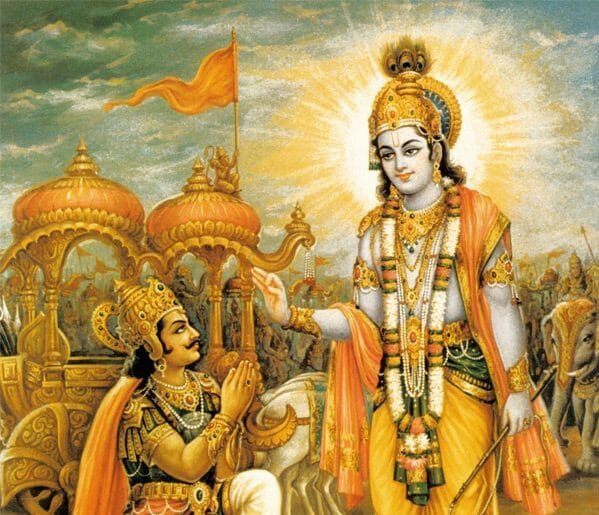
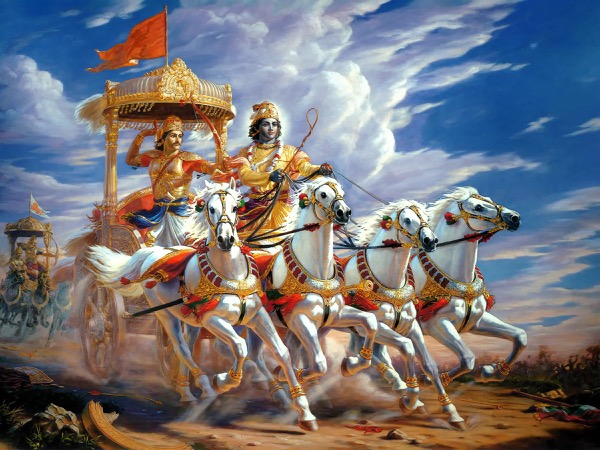
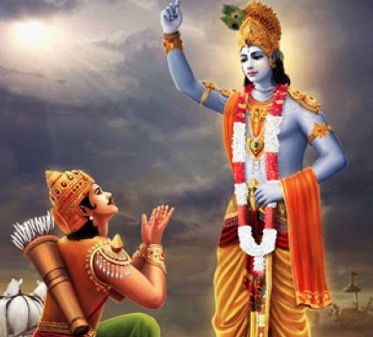
ಶ್ರೀಮದ್ಭಗವದ್ಗೀತಾ is a jewel embedded in the ಮಹಾಭಾರತ: a dialogue between ಶ್ರೀಕೃಷ್ಣ and ಅರ್ಜುನ on the battlefield of ಕುರುಕ್ಷೇತ್ರ. It speaks in the language of real life - duty and doubt, anger and empathy, ambition and fear - and then shows how to meet those forces with steadiness.
Chapter 1, ಅರ್ಜುನವಿಷಾದಯೋಗಃ, is therefore not "only introduction." It shows the battlefield outside and the battlefield within: Duryodhana's insecurity, the roar of conches, and finally Arjuna's trembling body and wavering mind. By naming these states openly - ವಿಷಾದ (despondency), ಕೃಪಾ (compassion), and the fear of wrongdoing - the text prepares you for Krishna's medicine in the chapters ahead.
Read this chapter as the doorway into a long inner apprenticeship. The "previous" story is the Mahabharata build-up itself: years of injustice, failed diplomacy, and the moment when avoidance is no longer possible. From this crisis, the Gita unfolds in three broad movements. Chapters 1-6 emphasize ಕರ್ಮ-ಯೋಗ and the foundations of right action, while repeatedly returning to the imperishable ಆತ್ಮಾ so that doing your duty does not become an ego-war.
ಓಂ ಶ್ರೀ ಪರಮಾತ್ಮನೇ ನಮಃ
ಅಥ ಪ್ರಥಮೋಽಧ್ಯಾಯಃ
ಅರ್ಜುನವಿಷಾದಯೋಗಃ
Translation (ಭಾವಾರ್ಥ):
Om. Salutations to the Supreme Self. Now begins the first chapter, called "Arjuna's Despondency Yoga".
ಧೃತರಾಷ್ಟ್ರ ಉವಾಚ
ಧರ್ಮಕ್ಷೇತ್ರೇ ಕುರುಕ್ಷೇತ್ರೇ ಸಮವೇತಾ ಯುಯುತ್ಸವಃ ।
ಮಾಮಕಾಃ ಪಾಣ್ಡವಾಶ್ಚೈವ ಕಿಮಕುರ್ವತ ಸಞ್ಜಯ ॥1॥
Translation (ಭಾವಾರ್ಥ):
Dhritarashtra said: O Sanjaya, when my side and the Pandavas assembled at Kurukshetra, the sacred field of dharma, eager to fight, what did they do?
ಸಞ್ಜಯ ಉವಾಚ
ದೃಷ್ಟ್ವಾ ತು ಪಾಣ್ಡವಾನೀಕಂ ವ್ಯೂಢಂ ದುರ್ಯೋಧನಸ್ತದಾ ।
ಆಚಾರ್ಯಮುಪಸಙ್ಗಮ್ಯ ರಾಜಾ ವಚನಮಬ್ರವೀತ್ ॥2॥
Translation (ಭಾವಾರ್ಥ):
Sanjaya said: Seeing the Pandava army arranged in formation, Duryodhana then approached his teacher and spoke.
ಪಶ್ಯೈತಾಂ ಪಾಣ್ಡುಪುತ್ರಾಣಾಮ್ ಆಚಾರ್ಯ ಮಹತೀಂ ಚಮೂಮ್ ।
ವ್ಯೂಢಾಂ ದ್ರುಪದಪುತ್ರೇಣ ತವ ಶಿಷ್ಯೇಣ ಧೀಮತಾ ॥3॥
Translation (ಭಾವಾರ್ಥ):
O teacher, look at this great army of the Pandavas, arranged skillfully by Drupada's son - your capable disciple.
ಅತ್ರ ಶೂರಾ ಮಹೇಷ್ವಾಸಾಃ ಭೀಮಾರ್ಜುನಸಮಾ ಯುಧಿ ।
ಯುಯುಧಾನೋ ವಿರಾಟಶ್ಚ ದ್ರುಪದಶ್ಚ ಮಹಾರಥಃ ॥4॥
Translation (ಭಾವಾರ್ಥ):
Here are heroic, mighty bowmen, equal to Bhima and Arjuna in battle - Yuyudhana, Virata, and the great chariot-warrior Drupada.
ಧೃಷ್ಟಕೇತುಶ್ಚೇಕಿತಾನಃ ಕಾಶಿರಾಜಶ್ಚ ವೀರ್ಯವಾನ್ ।
ಪುರುಜಿತ್ಕುನ್ತಿಭೋಜಶ್ಚ ಶೈಬ್ಯಶ್ಚ ನರಪುಙ್ಗವಃ ॥5॥
Translation (ಭಾವಾರ್ಥ):
Also here are valiant heroes: Dhrishtaketu, Cekitana, the king of Kashi, Purujit, Kuntibhoja, and Saibya - outstanding among men.
ಯುಧಾಮನ್ಯುಶ್ಚ ವಿಕ್ರಾನ್ತಃ ಉತ್ತಮೌಜಾಶ್ಚ ವೀರ್ಯವಾನ್ ।
ಸೌಭದ್ರೋ ದ್ರೌಪದೇಯಾಶ್ಚ ಸರ್ವ ಏವ ಮಹಾರಥಾಃ ॥6॥
Translation (ಭಾವಾರ್ಥ):
There are also mighty warriors - Yudhamanyu and the valiant Uttamauja, and also Saubhadra (Abhimanyu) and the sons of Draupadi; all of them are great chariot-fighters.
ಅಸ್ಮಾಕಂ ತು ವಿಶಿಷ್ಟಾ ಯೇ ತಾನ್ನಿಬೋಧ ದ್ವಿಜೋತ್ತಮ ।
ನಾಯಕಾ ಮಮ ಸೈನ್ಯಸ್ಯ ಸಞ್ಜ್ಞಾರ್ಥಂ ತಾನ್ ಬ್ರವೀಮಿ ತೇ ॥7॥
Translation (ಭಾವಾರ್ಥ):
And now, O best among the twice-born, note the distinguished leaders on our side. For your awareness I will tell you the commanders of my army.
ಭವಾನ್ ಭೀಷ್ಮಶ್ಚ ಕರ್ಣಶ್ಚ ಕೃಪಶ್ಚ ಸಮಿತಿಞ್ಜಯಃ ।
ಅಶ್ವತ್ಥಾಮಾ ವಿಕರ್ಣಶ್ಚ ಸೌಮದತ್ತಿಸ್ತಥೈವ ಚ ॥8॥
Translation (ಭಾವಾರ್ಥ):
You, Bhishma, Karna, Kripa the battle-conqueror, Ashvatthama, Vikarna, and also the son of Somadatta - these are the leading champions on our side.
ಅನ್ಯೇ ಚ ಬಹವಃ ಶೂರಾಃ ಮದರ್ಥೇ ತ್ಯಕ್ತಜೀವಿತಾಃ ।
ನಾನಾಶಸ್ತ್ರಪ್ರಹರಣಾಃ ಸರ್ವೇ ಯುದ್ಧವಿಶಾರದಾಃ ॥9॥
Translation (ಭಾವಾರ್ಥ):
And there are many other heroes too, ready to risk their lives for my sake, equipped with many weapons and skilled in war.
ಅಪರ್ಯಾಪ್ತಂ ತದಸ್ಮಾಕಂ ಬಲಂ ಭೀಷ್ಮಾಭಿರಕ್ಷಿತಮ್ ।
ಪರ್ಯಾಪ್ತಂ ತ್ವಿದಮೇತೇಷಾಂ ಬಲಂ ಭೀಮಾಭಿರಕ್ಷಿತಮ್ ॥10॥
Translation (ಭಾವಾರ್ಥ):
Our army, guarded by Bhishma, is vast; but their army, guarded by Bhima, is well-contained and sufficient.
ಅಯನೇಷು ಚ ಸರ್ವೇಷು ಯಥಾಭಾಗಮವಸ್ಥಿತಾಃ ।
ಭೀಷ್ಮಮೇವಾಭಿರಕ್ಷನ್ತು ಭವನ್ತಃ ಸರ್ವ ಏವ ಹಿ ॥11॥
Translation (ಭಾವಾರ್ಥ):
Therefore, stationed in all strategic positions according to your roles, all of you must support Bhishma.
ತಸ್ಯ ಸಞ್ಜನಯನ್ ಹರ್ಷಂ ಕುರುವೃದ್ಧಃ ಪಿತಾಮಹಃ ।
ಸಿಂಹನಾದಂ ವಿನದ್ಯೋಚ್ಚೈಃ ಶಙ್ಖಂ ದಧ್ಮೌ ಪ್ರತಾಪವಾನ್ ॥12॥
Translation (ಭಾವಾರ್ಥ):
To raise his spirits, the grandsire Bhishma - elder of the Kurus - roared like a lion and loudly blew his conch.
ತತಃ ಶಙ್ಖಾಶ್ಚ ಭೇರ್ಯಶ್ಚ ಪಣವಾನಕಗೋಮುಖಾಃ ।
ಸಹಸೈವಾಭ್ಯಹನ್ಯನ್ತ ಸ ಶಬ್ದಸ್ತುಮುಲೋಽಭವತ್ ॥13॥
Translation (ಭಾವಾರ್ಥ):
Then conches, kettledrums, drums, and horns were sounded all at once, and the sound became a tremendous uproar.
ತತಃ ಶ್ವೇತೈರ್ಹಯೈರ್ಯುಕ್ತೇ ಮಹತಿ ಸ್ಯನ್ದನೇ ಸ್ಥಿತೌ ।
ಮಾಧವಃ ಪಾಣ್ಡವಶ್ಚೈವ ದಿವ್ಯೌ ಶಙ್ಖೌ ಪ್ರದಧ್ಮತುಃ ॥14॥
Translation (ಭಾವಾರ್ಥ):
Then Madhava and the Pandava, stationed in their great chariot yoked to white horses, blew their divine conches.
ಪಾಞ್ಚಜನ್ಯಂ ಹೃಷೀಕೇಶಃ ದೇವದತ್ತಂ ಧನಞ್ಜಯಃ ।
ಪೌಣ್ಡ್ರಂ ದಧ್ಮೌ ಮಹಾಶಙ್ಖಂ ಭೀಮಕರ್ಮಾ ವೃಕೋದರಃ ॥15॥
Translation (ಭಾವಾರ್ಥ):
Hrishikesha blew Panchajanya; Dhananjaya blew Devadatta; and Bhima - Vrukodara of mighty deeds - blew the great conch Paundra.
ಅನನ್ತವಿಜಯಂ ರಾಜಾ ಕುನ್ತೀಪುತ್ರೋ ಯುಧಿಷ್ಠಿರಃ ।
ನಕುಲಃ ಸಹದೇವಶ್ಚ ಸುಘೋಷಮಣಿಪುಷ್ಪಕೌ ॥16॥
Translation (ಭಾವಾರ್ಥ):
King Yudhishthira, son of Kunti, blew Anantavijaya; and Nakula and Sahadeva blew Sughosha and Manipushpaka.
ಕಾಶ್ಯಶ್ಚ ಪರಮೇಷ್ವಾಸಃ ಶಿಖಣ್ಡೀ ಚ ಮಹಾರಥಃ ।
ಧೃಷ್ಟದ್ಯುಮ್ನೋ ವಿರಾಟಶ್ಚ ಸಾತ್ಯಕಿಶ್ಚಾಪರಾಜಿತಃ ॥17॥
Translation (ಭಾವಾರ್ಥ):
The king of Kashi, the great archer; Shikhandi, the great chariot-warrior; Dhrishtadyumna, Virata, and the undefeated Satyaki were among those who sounded their conches.
ದ್ರುಪದೋ ದ್ರೌಪದೇಯಾಶ್ಚ ಸರ್ವಶಃ ಪೃಥಿವೀಪತೇ ।
ಸೌಭದ್ರಶ್ಚ ಮಹಾಬಾಹುಃ ಶಙ್ಖಾನ್-ದಧ್ಮುಃ ಪೃಥಕ್ ಪೃಥಕ್ ॥18॥
Translation (ಭಾವಾರ್ಥ):
O king, Drupada, all the sons of Draupadi, and the mighty-armed Saubhadra blew their conches - each one separately.
ಸ ಘೋಷೋ ಧಾರ್ತರಾಷ್ಟ್ರಾಣಾಂ ಹೃದಯಾನಿ ವ್ಯದಾರಯತ್ ।
ನಭಶ್ಚ ಪೃಥಿವೀಂ ಚೈವ ತುಮುಲೋ ವ್ಯನುನಾದಯನ್ ॥19॥
Translation (ಭಾವಾರ್ಥ):
That tumultuous sound tore the hearts of Dhritarashtra's sons and echoed through the sky and the earth.
ಅಥ ವ್ಯವಸ್ಥಿತಾನ್-ದೃಷ್ಟ್ವಾ ಧಾರ್ತರಾಷ್ಟ್ರಾನ್ ಕಪಿಧ್ವಜಃ ।
ಪ್ರವೃತ್ತೇ ಶಸ್ತ್ರಸಮ್ಪಾತೇ ಧನುರುದ್ಯಮ್ಯ ಪಾಣ್ಡವಃ ॥20॥
Translation (ಭಾವಾರ್ಥ):
Then, seeing the sons of Dhritarashtra drawn up for battle, and as the clash of weapons was about to begin, Arjuna - the Pandava with the monkey-banner - raised his bow.
ಹೃಷೀಕೇಶಂ ತದಾ ವಾಕ್ಯಮ್ ಇದಮಾಹ ಮಹೀಪತೇ ।
ಅರ್ಜುನ ಉವಾಚ
ಸೇನಯೋರುಭಯೋರ್ಮಧ್ಯೇ ರಥಂ ಸ್ಥಾಪಯ ಮೇಽಚ್ಯುತ ॥21॥
Translation (ಭಾವಾರ್ಥ):
Arjuna said to Hrishikesha: O Achyuta, place my chariot between the two armies.
ಯಾವದೇತಾನ್ನಿರೀಕ್ಷೇಽಹಂ ಯೋದ್ಧುಕಾಮಾನವಸ್ಥಿತಾನ್ ।
ಕೈರ್ಮಯಾ ಸಹ ಯೋದ್ಧವ್ಯಂ ಅಸ್ಮಿನ್ ರಣಸಮುದ್ಯಮೇ ॥22॥
Translation (ಭಾವಾರ್ಥ):
Let me look at those who are standing here eager to fight, with whom I must engage in this battle.
ಯೋತ್ಸ್ಯಮಾನಾನವೇಕ್ಷೇಽಹಂ ಯ ಏತೇಽತ್ರ ಸಮಾಗತಾಃ ।
ಧಾರ್ತರಾಷ್ಟ್ರಸ್ಯ ದುರ್ಬುದ್ಧೇಃ ಯುದ್ಧೇ ಪ್ರಿಯಚಿಕೀರ್ಷವಃ ॥23॥
Translation (ಭಾವಾರ್ಥ):
I want to see those who have gathered here ready to fight, seeking to please the evil-minded son of Dhritarashtra in this war.
ಸಞ್ಜಯ ಉವಾಚ
ಏವಮುಕ್ತೋ ಹೃಷೀಕೇಶಃ ಗುಡಾಕೇಶೇನ ಭಾರತ ।
ಸೇನಯೋರುಭಯೋರ್ಮಧ್ಯೇ ಸ್ಥಾಪಯಿತ್ವಾ ರಥೋತ್ತಮಮ್ ॥24॥
Translation (ಭಾವಾರ್ಥ):
Sanjaya said: Thus addressed by Gudakesha, O Bharata, Hrishikesha placed the best of chariots between the two armies.
ಭೀಷ್ಮದ್ರೋಣಪ್ರಮುಖತಃ ಸರ್ವೇಷಾಂ ಚ ಮಹೀಕ್ಷಿತಾಮ್ ।
ಉವಾಚ ಪಾರ್ಥ ಪಶ್ಯೈತಾನ್ ಸಮವೇತಾನ್ಕುರೂನಿತಿ ॥25॥
Translation (ಭಾವಾರ್ಥ):
With Bhishma and Drona in the forefront, and in the presence of all the kings, Krishna said: O Partha, behold these Kurus assembled here.
ತತ್ರಾಪಶ್ಯತ್ಸ್ಥಿತಾನ್ ಪಾರ್ಥಃ ಪಿತೄನಥ ಪಿತಾಮಹಾನ್ ।
ಆಚಾರ್ಯಾನ್-ಮಾತುಲಾನ್-ಭ್ರಾತೄನ್ ಪುತ್ರಾನ್-ಪೌತ್ರಾನ್-ಸಖೀಂಸ್ತಥಾ ॥26॥
Translation (ಭಾವಾರ್ಥ):
There Partha saw standing fathers and grandfathers, teachers and uncles, brothers, sons, grandsons, and friends.
ಶ್ವಶುರಾನ್-ಸುಹೃದಶ್ಚೈವ ಸೇನಯೋರುಭಯೋರಪಿ ।
ತಾನ್ಸಮೀಕ್ಷ್ಯ ಸ ಕೌನ್ತೇಯಃ ಸರ್ವಾನ್ಬನ್ಧೂನವಸ್ಥಿತಾನ್ ॥27॥
Translation (ಭಾವಾರ್ಥ):
He also saw fathers-in-law and well-wishers in both armies; seeing all those relatives standing there, the son of Kunti (Arjuna)...
ಕೃಪಯಾ ಪರಯಾಽಽವಿಷ್ಟಃ ವಿಷೀದನ್ನಿದಮಬ್ರವೀತ್ ।
ಅರ್ಜುನ ಉವಾಚ
ದೃಷ್ಟ್ವೇಮಂ ಸ್ವಜನಂ ಕೃಷ್ಣ ಯುಯುತ್ಸುಂ ಸಮುಪಸ್ಥಿತಮ್ ॥28॥
Translation (ಭಾವಾರ್ಥ):
Overwhelmed by deep compassion and grief, Arjuna said: O Krishna, seeing my own people standing here eager to fight...
ಸೀದನ್ತಿ ಮಮ ಗಾತ್ರಾಣಿ ಮುಖಂ ಚ ಪರಿಶುಷ್ಯತಿ ।
ವೇಪಥುಶ್ಚ ಶರೀರೇ ಮೇ ರೋಮಹರ್ಷಶ್ಚ ಜಾಯತೇ ॥29॥
Translation (ಭಾವಾರ್ಥ):
My limbs grow weak, my mouth dries up, my body trembles, and my hair stands on end.
ಗಾಣ್ಡೀವಂ ಸ್ರಂಸತೇ ಹಸ್ತಾತ್ ತ್ವ ಕ್ಚೈವ ಪರಿದಹ್ಯತೇ ।
ನ ಚ ಶಕ್ನೋಮ್ಯವಸ್ಥಾತುಂ ಭ್ರಮತೀವ ಚ ಮೇ ಮನಃ ॥30॥
Translation (ಭಾವಾರ್ಥ):
My Gandiva slips from my hand, my skin burns, I cannot stand steady, and my mind seems to reel.
ನಿಮಿತ್ತಾನಿ ಚ ಪಶ್ಯಾಮಿ ವಿಪರೀತಾನಿ ಕೇಶವ ।
ನ ಚ ಶ್ರೇಯೋಽನುಪಶ್ಯಾಮಿ ಹತ್ವಾ ಸ್ವಜನಮಾಹವೇ ॥31॥
Translation (ಭಾವಾರ್ಥ):
I see adverse signs, O Keshava, and I do not foresee any good in killing my own people in battle.
ನ ಕಾಙ್ಕ್ಷೇ ವಿಜಯಂ ಕೃಷ್ಣ ನ ಚ ರಾಜ್ಯಂ ಸುಖಾನಿ ಚ ।
ಕಿಂ ನೋ ರಾಜ್ಯೇನ ಗೋವಿನ್ದ ಕಿಂ ಭೋಗೈರ್ಜೀವಿತೇನ ವಾ ॥32॥
Translation (ಭಾವಾರ್ಥ):
O Krishna, I do not want victory, kingdom, or pleasures. What use are kingdom, enjoyments, or even life to us, O Govinda?
ಯೇಷಾಮರ್ಥೇ ಕಾಙ್ಕ್ಷಿತಂ ನಃ ರಾಜ್ಯಂ ಭೋಗಾಃ ಸುಖಾನಿ ಚ ।
ತ ಇಮೇಽವಸ್ಥಿತಾ ಯುದ್ಧೇ ಪ್ರಾಣಾಂಸ್ತ್ಯಕ್ತ್ತ್ವಾ ಧನಾನಿ ಚ ॥33॥
Translation (ಭಾವಾರ್ಥ):
Those for whose sake we wanted kingdom, pleasures, and comforts are standing here in battle, ready to give up their lives and wealth.
ಆಚಾರ್ಯಾಃ ಪಿತರಃ ಪುತ್ರಾಃ ತಥೈವ ಚ ಪಿತಾಮಹಾಃ ।
ಮಾತುಲಾಃ ಶ್ವಶುರಾಃ ಪೌತ್ರಾಃ ಶ್ಯಾಲಾಃ ಸಮ್ಬನ್ಧಿನಸ್ತಥಾ ॥34॥
Translation (ಭಾವಾರ್ಥ):
Teachers, fathers, sons, grandfathers, uncles, fathers-in-law, grandsons, brothers-in-law, and other relatives are all here.
ಏತಾನ್ನ ಹನ್ತುಮಿಚ್ಛಾಮಿ ಘ್ನತೋಽಪಿ ಮಧುಸೂದನ ।
ಅಪಿ ತ್ರೈಲೋಕ್ಯರಾಜ್ಯಸ್ಯ ಹೇತೋಃ ಕಿಂ ನು ಮಹೀಕೃತೇ ॥35॥
Translation (ಭಾವಾರ್ಥ):
O Madhusudana, I do not wish to kill these people even if they kill me - not even for sovereignty over the three worlds, much less for the sake of this earth.
ನಿಹತ್ಯ ಧಾರ್ತರಾಷ್ಟ್ರಾನ್ನಃ ಕಾ ಪ್ರೀತಿಃ ಸ್ಯಾಜ್ಜನಾರ್ದನ ।
ಪಾಪಮೇವಾಶ್ರಯೇದಸ್ಮಾನ್ ಹತ್ವೈತಾನಾತತಾಯಿನಃ ॥36॥
Translation (ಭಾವಾರ್ಥ):
O Janardana, what joy would be ours if we kill the sons of Dhritarashtra? Sin would cling to us by killing these aggressors.
ತಸ್ಮಾನ್ನಾರ್ಹಾ ವಯಂ ಹನ್ತುಂ ಧಾರ್ತರಾಷ್ಟ್ರಾನ್ಸ್ವಬಾನ್ಧವಾನ್ ।
ಸ್ವಜನಂ ಹಿ ಕಥಂ ಹತ್ವಾ ಸುಖಿನಃ ಸ್ಯಾಮ ಮಾಧವ ॥37॥
Translation (ಭಾವಾರ್ಥ):
Therefore we are not fit to kill the sons of Dhritarashtra, our own kinsmen. O Madhava, how could we be happy after killing our own people?
ಯದ್ಯಪ್ಯೇತೇ ನ ಪಶ್ಯನ್ತಿ ಲೋಭೋಪಹತಚೇತಸಃ ।
ಕುಲಕ್ಷಯಕೃತಂ ದೋಷಂ ಮಿತ್ರದ್ರೋಹೇ ಚ ಪಾತಕಮ್ ॥38॥
Translation (ಭಾವಾರ್ಥ):
Even though these people, their minds ruined by greed, do not see the evil in destroying the family or the sin in betraying friends...
ಕಥಂ ನ ಜ್ಞೇಯಮಸ್ಮಾಭಿಃ ಪಾಪಾದಸ್ಮಾನ್ನಿವರ್ತಿತುಮ್ ।
ಕುಲಕ್ಷಯಕೃತಂ ದೋಷಂ ಪ್ರಪಶ್ಯದ್ಭಿರ್ಜನಾರ್ದನ ॥39॥
Translation (ಭಾವಾರ್ಥ):
O Janardana, how can we - who see clearly the fault in destroying the family - not know to turn away from this sin?
ಕುಲಕ್ಷಯೇ ಪ್ರಣಶ್ಯನ್ತಿ ಕುಲಧರ್ಮಾಃ ಸನಾತನಾಃ ।
ಧರ್ಮೇ ನಷ್ಟೇ ಕುಲಂ ಕೃತ್ಸ್ನಮ್ ಅಧರ್ಮೋಽಭಿಭವತ್ಯುತ ॥40॥
Translation (ಭಾವಾರ್ಥ):
When a family is destroyed, its ancient duties and traditions perish; when dharma is lost, adharma overwhelms the entire family.
ಅಧರ್ಮಾಭಿಭವಾತ್ಕೃಷ್ಣ ಪ್ರದುಷ್ಯನ್ತಿ ಕುಲಸ್ತ್ರಿಯಃ ।
ಸ್ತ್ರೀಷು ದುಷ್ಟಾಸು ವಾರ್ಷ್ಣೇಯ ಜಾಯತೇ ವರ್ಣಸಙ್ಕರಃ ॥41॥
Translation (ಭಾವಾರ್ಥ):
O Krishna, when adharma prevails, the women of the family are corrupted; and when women are corrupted, O Varshneya, social confusion (ವರ್ಣಸಙ್ಕರಃ) arises.
ಸಙ್ಕರೋ ನರಕಾಯೈವ ಕುಲಘ್ನಾನಾಂ ಕುಲಸ್ಯ ಚ ।
ಪತನ್ತಿ ಪಿತರೋ ಹ್ಯೇಷಾಂ ಲುಪ್ತಪಿಣ್ಡೋದಕಕ್ರಿಯಾಃ ॥42॥
Translation (ಭಾವಾರ್ಥ):
Such disorder leads to downfall for the family-destroyers and the family; their ancestors fall, deprived of the rites of offerings of ಪಿಣ್ಡ and ಉದಕ.
ದೋಷೈರೇತೈಃ ಕುಲಘ್ನಾನಾಂ ವರ್ಣಸಙ್ಕರಕಾರಕೈಃ ।
ಉತ್ಸಾದ್ಯನ್ತೇ ಜಾತಿಧರ್ಮಾಃ ಕುಲಧರ್ಮಾಶ್ಚ ಶಾಶ್ವತಾಃ ॥43॥
Translation (ಭಾವಾರ್ಥ):
By these faults of family-destroyers who create social confusion, the long-standing duties of community and family are uprooted.
ಉತ್ಸನ್ನಕುಲಧರ್ಮಾಣಾಂ ಮನುಷ್ಯಾಣಾಂ ಜನಾರ್ದನ ।
ನರಕೇಽನಿಯತಂ ವಾಸಃ ಭವತೀತ್ಯನುಶುಶ್ರುಮ ॥44॥
Translation (ಭಾವಾರ್ಥ):
O Janardana, we have heard that people whose family dharmas are destroyed dwell in downfall (naraka) inevitably.
ಅಹೋ ಬತ ಮಹತ್ಪಾಪಂ ಕರ್ತುಂ ವ್ಯವಸಿತಾ ವಯಮ್ ।
ಯದ್ರಾಜ್ಯಸುಖಲೋಭೇನ ಹನ್ತುಂ ಸ್ವಜನಮುದ್ಯತಾಃ ॥45॥
Translation (ಭಾವಾರ್ಥ):
Alas, we are resolved to commit a great wrong - driven by greed for kingdom and pleasures, we are ready to kill our own people.
ಯದಿ ಮಾಮಪ್ರತೀಕಾರಮ್ ಅಶಸ್ತ್ರಂ ಶಸ್ತ್ರಪಾಣಯಃ ।
ಧಾರ್ತರಾಷ್ಟ್ರಾ ರಣೇ ಹನ್ಯುಃ ತನ್ಮೇ ಕ್ಷೇಮತರಂ ಭವೇತ್ ॥46॥
Translation (ಭಾವಾರ್ಥ):
If the sons of Dhritarashtra, weapons in hand, were to kill me in battle while I stand unarmed and unresisting, that would be better for me.
ಸಞ್ಜಯ ಉವಾಚ
ಏವಮುಕ್ತ್ವಾಽರ್ಜುನಃ ಸಙ್ಖ್ಯೇ ರಥೋಪಸ್ಥ ಉಪಾವಿಶತ್ ।
ವಿಸೃಜ್ಯ ಸಶರಂ ಚಾಪಂ ಶೋಕಸಂವಿಗ್ನಮಾನಸಃ ॥47॥
Translation (ಭಾವಾರ್ಥ):
Sanjaya said: Having spoken thus on the battlefield, Arjuna sat down on the seat of the chariot, casting aside his bow and arrows, his mind overwhelmed with grief.
॥ ಓಂ ತತ್ಸದಿತಿ ಶ್ರೀಮದ್ಭಗವದ್ಗೀತಾಸು ಉಪನಿಷತ್ಸು ಬ್ರಹ್ಮವಿದ್ಯಾಯಾಂ
ಯೋಗಶಾಸ್ತ್ರೇ ಶ್ರೀಕೃಷ್ಣಾರ್ಜುನಸಂವಾದೇ ಅರ್ಜುನವಿಷಾದಯೋಗೋ ನಾಮ ಪ್ರಥಮೋಽಧ್ಯಾಯಃ ॥
Translation (ಭಾವಾರ್ಥ):
Om Tat Sat. Thus ends the first chapter, called "Arjuna Vishada Yoga", in the revered Bhagavad Gita - an Upanishad teaching Brahma-vidya and Yoga, in the dialogue between Sri Krishna and Arjuna.
Browse Related Categories: