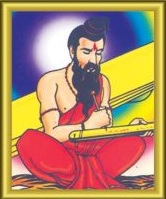
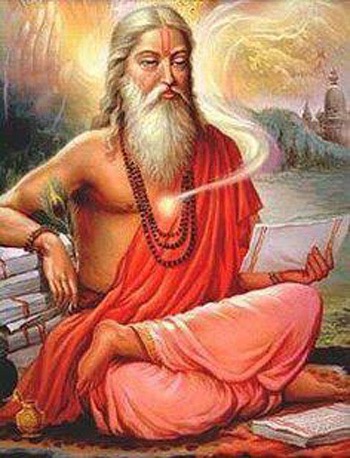
ಭರ್ತೃಹರಿ is celebrated for the ಶತಕ-ತ್ರಿಶತಿ - three collections of roughly a hundred verses each: ನೀತಿ ಶತಕಂ, ಶೃಂಗಾರ ಶತಕಂ, and ವೈರಾಗ್ಯ ಶತಕಂ. These are among the most quoted ಸುಭಾಷಿತಾನಿ in Sanskrit literature because each ಶ್ಲೋಕ is compact, memorable, and rooted in lived observation.
Among them, ನೀತಿ ಶತಕಂ is a handbook of ನೀತಿ: wise conduct, discernment, and ethical practicality. It does not speak in abstract ideals alone; it speaks to how people actually behave - how learning can swell into ego, how power attracts flattery, how money reshapes relationships, and how speech can either heal or burn.
ದಿಕ್ಕಾಲಾದ್ಯನವಚ್ಛಿನ್ನಾನಂತಚಿನ್ಮಾತ್ರಮೂರ್ತಯೇ ।
ಸ್ವಾನುಭೂತ್ಯೇಕಮಾನಾಯ ನಮಃ ಶಾಂತಾಯ ತೇಜಸೇ ॥ 1.1 ॥
Translation (ಭಾವಾರ್ಥ):
Salutations to the serene radiance - the embodiment of infinite pure consciousness, unbounded by space and time, and realized directly as the single standard through one's own experience.
ಬೋದ್ಧಾರೋ ಮತ್ಸರಗ್ರಸ್ತಾಃ ಪ್ರಭವಃ ಸ್ಮಯದೂಷಿತಾಃ ।
ಅಬೋಧೋಪಹತಾಃ ಚಾನ್ಯೇ ಜೀರ್ಣಮಂಗೇ ಸುಭಾಷಿತಮ್ ॥ 1.2 ॥
Translation (ಭಾವಾರ್ಥ):
The learned are often consumed by envy, the powerful are tainted by pride, and others are struck by ignorance; alas, wise counsel gets worn out and goes to waste.
ಅಜ್ಞಃ ಸುಖಂ ಆರಾಧ್ಯಃ
ಸುಖತರಂ ಆರಾಧ್ಯತೇ ವಿಶೇಷಜ್ಞಃ ।
ಜ್ಞಾನಲವದುರ್ವಿದಗ್ಧಂ
ಬ್ರಹ್ಮಾಪಿ ತಂ ನರಂ ನ ರಂಜಯತಿ ॥ 1.3 ॥
Translation (ಭಾವಾರ್ಥ):
The ignorant are easy to please, the truly discerning are even easier to please; but a person made arrogant by a mere drop of knowledge cannot be satisfied even by Brahma.
ಪ್ರಸಹ್ಯ ಮಣಿಂ ಉದ್ಧರೇನ್ಮಕರವಕ್ತ್ರದಂಷ್ಟ್ರಾಂತರಾತ್
ಸಮುದ್ರಂ ಅಪಿ ಸಂತರೇತ್ಪ್ರಚಲದೂರ್ಮಿಮಾಲಾಕುಲಮ್ ।
ಭುಜಂಗಂ ಅಪಿ ಕೋಪಿತಂ ಶಿರಸಿ ಪುಷ್ಪವದ್ಧಾರಯೇತ್
ನ ತು ಪ್ರತಿನಿವಿಷ್ಟಮೂರ್ಖಜನಚಿತ್ತಂ ಆರಾಧಯೇತ್ ॥ 1.4 ॥
Translation (ಭಾವಾರ್ಥ):
One may forcibly snatch a jewel from between the teeth of a crocodile, cross an ocean churned by waves, and even carry an enraged serpent on the head as if it were a flower; but one should not try to conciliate the mind of a stubborn fool.
ಲಭೇತ ಸಿಕತಾಸು ತೈಲಂ ಅಪಿ ಯತ್ನತಃ ಪೀಡಯನ್
ಪಿಬೇಚ್ಚ ಮೃಗತೃಷ್ಣಿಕಾಸು ಸಲಿಲಂ ಪಿಪಾಸಾರ್ದಿತಃ ।
ಕ್ವಚಿದಪಿ ಪರ್ಯಟನ್ಶಶವಿಷಾಣಂ ಆಸಾದಯೇತ್
ನ ತು ಪ್ರತಿನಿವಿಷ್ಟಮೂರ್ಖಚಿತ್ತಂ ಆರಾಧಯೇತ್ ॥ 1.5 ॥
Translation (ಭಾವಾರ್ಥ):
With great effort one might squeeze oil out of sand, drink water from a mirage when parched with thirst, or even find a hare's horn somewhere while wandering; but one should not try to conciliate the mind of a stubborn fool.
ವ್ಯಾಲಂ ಬಾಲಮೃಣಾಲತಂತುಭಿರಸೌ ರೋದ್ಧುಂ ಸಮುಜ್ಜೃಂಭತೇ
ಛೇತ್ತುಂ ವಜ್ರಮಣಿಂ ಶಿರೀಷಕುಸುಮಪ್ರಾಂತೇನ ಸನ್ನಹ್ಯತಿ ।
ಮಾಧುರ್ಯಂ ಮಧುಬಿಂದುನಾ ರಚಯಿತುಂ ಕ್ಷಾರಾಮುಧೇರೀಹತೇ
ನೇತುಂ ವಾಂಛಂತಿ ಯಃ ಖಲಾನ್ಪಥಿ ಸತಾಂ ಸೂಕ್ತೈಃ ಸುಧಾಸ್ಯಂದಿಭಿಃ ॥ 1.6 ॥
Translation (ಭಾವಾರ್ಥ):
He tries to restrain a serpent with tender lotus fibres, to cut a diamond with the tip of a Sirisha flower, and to make an ocean of salt sweet with a drop of honey; likewise, the one who wishes to lead the wicked onto the path of the good using nectar-sweet counsel is attempting the impossible.
ಸ್ವಾಯತ್ತಂ ಏಕಾಂತಗುಣಂ ವಿಧಾತ್ರಾ
ವಿನಿರ್ಮಿತಂ ಛಾದನಂ ಅಜ್ಞತಾಯಾಃ ।
ವಿಶೇಷತಃ ಸರ್ವವಿದಾಂ ಸಮಾಜೇ
ವಿಭೂಷಣಂ ಮೌನಂ ಅಪಂಡಿತಾನಾಮ್ ॥ 1.7 ॥
Translation (ಭಾವಾರ್ಥ):
Silence, fully under one's control and of a single quality, is fashioned by the Creator as a covering for ignorance; therefore, in the assembly of the truly learned, silence is the ornament of the unlearned.
ಯದಾ ಕಿಂಚಿಜ್ಜ್ಞೋಽಹಂ ದ್ವಿಪ ಇವ ಮದಾಂಧಃ ಸಮಭವಂ
ತದಾ ಸರ್ವಜ್ಞೋಽಸ್ಮೀತ್ಯಭವದವಲಿಪ್ತಂ ಮಮ ಮನಃ
ಯದಾ ಕಿಂಚಿತ್ಕಿಂಚಿದ್ಬುಧಜನಸಕಾಶಾದವಗತಂ
ತದಾ ಮೂರ್ಖೋಽಸ್ಮೀತಿ ಜ್ವರ ಇವ ಮದೋ ಮೇ ವ್ಯಪಗತಃ ॥ 1.8 ॥
Translation (ಭಾವಾರ್ಥ):
When I knew a little, I became like an elephant blinded by pride, thinking "I am a knower"; then my mind became arrogant, thinking "I am omniscient". But when I learned something, little by little, from the wise, my pride left like a fever, and I thought, "I am a fool".
ಕೃಮಿಕುಲಚಿತ್ತಂ ಲಾಲಾಕ್ಲಿನ್ನಂ ವಿಗಂಧಿಜುಗುಪ್ಸಿತಂ
ನಿರುಪಮರಸಂ ಪ್ರೀತ್ಯಾ ಖಾದನ್ನರಾಸ್ಥಿ ನಿರಾಮಿಷಮ್ ।
ಸುರಪತಿಂ ಅಪಿ ಶ್ವಾ ಪಾರ್ಶ್ವಸ್ಥಂ ವಿಲೋಕ್ಯ ನ ಶಂಕತೇ
ನ ಹಿ ಗಣಯತಿ ಕ್ಷುದ್ರೋ ಜಂತುಃ ಪರಿಗ್ರಹಫಲ್ಗುತಾಮ್ ॥ 1.9 ॥
Translation (ಭಾವಾರ್ಥ):
The mind of worms finds delicious what is saliva-soaked, foul-smelling, and repulsive, happily gnawing a fleshless human bone; and a dog, standing by it, is not afraid even on seeing Indra nearby - for a petty creature does not reckon the worthlessness of what it clings to as its possession.
ಶಿರಃ ಶಾರ್ವಂ ಸ್ವರ್ಗಾತ್ಪಶುಪತಿಶಿರಸ್ತಃ ಕ್ಷಿತಿಧರಂ
ಮಹೀಧ್ರಾದುತ್ತುಂಗಾದವನಿಂ ಅವನೇಶ್ಚಾಪಿ ಜಲಧಿಮ್ ।
ಅಧೋಽಧೋ ಗಂಗೇಯಂ ಪದಂ ಉಪಗತಾ ಸ್ತೋಕಂ
ಅಥವಾವಿವೇಕಭ್ರಷ್ಟಾನಾಂ ಭವತಿ ವಿನಿಪಾತಃ ಶತಮುಖಃ ॥ 1.10 ॥
Translation (ಭಾವಾರ್ಥ):
From heaven, the head of Siva came down to the mountain from the head of ಪಶುಪತಿ; from the lofty mountain it came down to the earth, and from the earth also to the ocean. Thus even this ಗಂಗಾ, descending step by step, has come lower and lower; likewise, for those who have lost discernment, downfall becomes manyfold.
ಶಕ್ಯೋ ವಾರಯಿತುಂ ಜಲೇನ ಹುತಭುಕ್ಚ್ಛತ್ರೇಣ ಸೂರ್ಯಾತಪೋ
ನಾಗೇಂದ್ರೋ ನಿಶಿತಾಂಕುಶೇನ ಸಮದೋ ದಂಡೇನ ಗೋಗರ್ದಭೌ ।
ವ್ಯಾಧಿರ್ಭೇಷಜಸಂಗ್ರಹೈಶ್ಚ ವಿವಿಧೈರ್ಮಂತ್ರಪ್ರಯೋಗೈರ್ವಿಷಂ
ಸರ್ವಸ್ಯೌಷಧಂ ಅಸ್ತಿ ಶಾಸ್ತ್ರವಿಹಿತಂ ಮೂರ್ಖಸ್ಯ ನಾಸ್ತ್ಯೌಷಧಿಮ್ ॥ 1.11 ॥
Translation (ಭಾವಾರ್ಥ):
Water can restrain fire, an umbrella can ward off the sun's heat, a sharp goad can control a rutting elephant, and a stick can manage a cow or a donkey; disease has remedies in medicines, and poison has remedies in mantra-practices. For everything there is a remedy prescribed by ಶಾಸ್ತ್ರ - but for a fool there is no medicine.
ಸಾಹಿತ್ಯಸಂಗೀತಕಲಾವಿಹೀನಃ
ಸಾಕ್ಷಾತ್ಪಶುಃ ಪುಚ್ಛವಿಷಾಣಹೀನಃ ।
ತೃಣಂ ನ ಖಾದನ್ನಪಿ ಜೀವಮಾನಸ್
ತದ್ಭಾಗಧೇಯಂ ಪರಮಂ ಪಶೂನಾಮ್ ॥ 1.12 ॥
Translation (ಭಾವಾರ್ಥ):
One who lacks literature, music, and the arts is plainly a beast - only without tail and horns. Though he does not even eat grass, he still lives; that is, indeed, a great "good fortune" for the animals.
ಯೇಷಾಂ ನ ವಿದ್ಯಾ ನ ತಪೋ ನ ದಾನಂ
ಜ್ಞಾನಂ ನ ಶೀಲಂ ನ ಗುಣೋ ನ ಧರ್ಮಃ ।
ತೇ ಮರ್ತ್ಯಲೋಕೇ ಭುವಿ ಭಾರಭೂತಾ
ಮನುಷ್ಯರೂಪೇಣ ಮೃಗಾಶ್ಚರಂತಿ ॥ 1.13 ॥
Translation (ಭಾವಾರ್ಥ):
Those who have neither learning, nor disciplined effort, nor charity; neither wisdom, nor good conduct, nor virtue, nor ಧರ್ಮ - they are a burden on earth, wandering like beasts in the outward form of human beings.
ವರಂ ಪರ್ವತದುರ್ಗೇಷು
ಭ್ರಾಂತಂ ವನಚರೈಃ ಸಹ
ನ ಮೂರ್ಖಜನಸಂಪರ್ಕಃ
ಸುರೇಂದ್ರಭವನೇಷ್ವಪಿ ॥ 1.14 ॥
Translation (ಭಾವಾರ್ಥ):
Better to wander with forest-dwellers in mountain strongholds than to have the company of foolish people - even in the palaces of Indra.
ಶಾಸ್ತ್ರೋಪಸ್ಕೃತಶಬ್ದಸುಂದರಗಿರಃ ಶಿಷ್ಯಪ್ರದೇಯಾಗಮಾ
ವಿಖ್ಯಾತಾಃ ಕವಯೋ ವಸಂತಿ ವಿಷಯೇ ಯಸ್ಯ ಪ್ರಭೋರ್ನಿರ್ಧನಾಃ ।
ತಜ್ಜಾಡ್ಯಂ ವಸುಧಾದಿಪಸ್ಯ ಕವಯಸ್ತ್ವರ್ಥಂ ವಿನಾಪೀಶ್ವರಾಃ
ಕುತ್ಸ್ಯಾಃ ಸ್ಯುಃ ಕುಪರೀಕ್ಷಕಾ ಹಿ ಮಣಯೋ ಯೈರರ್ಘತಃ ಪಾತಿತಾಃ ॥ 1.15 ॥
Translation (ಭಾವಾರ್ಥ):
Renowned poets, whose speech is beautiful and refined by ಶಾಸ್ತ್ರ and whose teachings are worthy to be passed to disciples, live in a certain ruler's domain - yet remain poor. That is the folly of that king: even a poet is great even without money, but gems become despised when bad appraisers devalue them.
ಹರ್ತುರ್ಯಾತಿ ನ ಗೋಚರಂ ಕಿಂ ಅಪಿ ಶಂ ಪುಷ್ಣಾತಿ ಯತ್ಸರ್ವದಾಽಪ್ಯ್
ಅರ್ಥಿಭ್ಯಃ ಪ್ರತಿಪಾದ್ಯಮಾನಂ ಅನಿಶಂ ಪ್ರಾಪ್ನೋತಿ ವೃದ್ಧಿಂ ಪರಾಮ್ ।
ಕಲ್ಪಾಂತೇಷ್ವಪಿ ನ ಪ್ರಯಾತಿ ನಿಧನಂ ವಿದ್ಯಾಖ್ಯಂ ಅಂತರ್ಧನಂ
ಯೇಷಾಂ ತಾನ್ಪ್ರತಿ ಮಾನಂ ಉಜ್ಝತ ನೃಪಾಃ ಕಸ್ತೈಃ ಸಹ ಸ್ಪರ್ಧತೇ ॥ 1.16 ॥
Translation (ಭಾವಾರ್ಥ):
That hidden treasure called knowledge does not come into a thief's reach at all; it always nourishes well-being, and when it is continually given to seekers it grows all the more. It does not perish even at the ends of world-cycles. O kings, show respect to those who possess it - who can compete with them?
ಅಧಿಗತಪರಮಾರ್ಥಾನ್ಪಂಡಿತಾನ್ಮಾವಮಂಸ್ಥಾಸ್
ತೃಣಂ ಇವ ಲಘು ಲಕ್ಷ್ಮೀರ್ನೈವ ತಾನ್ಸಂರುಣದ್ಧಿ ।
ಅಭಿನವಮದಲೇಖಾಶ್ಯಾಮಗಂಡಸ್ಥಲಾನಾಂ
ನ ಭವತಿ ಬಿಸತಂತುರ್ವಾರಣಂ ವಾರಣಾನಾಮ್ ॥ 1.17 ॥
Translation (ಭಾವಾರ್ಥ):
Do not look down upon the wise who have realized the highest truth; paltry wealth cannot bind them any more than a straw can. A lotus-fiber thread does not become a restraint for elephants whose temples are dark with fresh rut.
ಅಂಭೋಜಿನೀವನವಿಹಾರವಿಲಾಸಂ ಏವ
ಹಂಸಸ್ಯ ಹಂತಿ ನಿತರಾಂ ಕುಪಿತೋ ವಿಧಾತಾ ।
ನ ತ್ವಸ್ಯ ದುಗ್ಧಜಲಭೇದವಿಧೌ ಪ್ರಸಿದ್ಧಾಂ
ವೈದಗ್ಧೀಕೀರ್ತಿಂ ಅಪಹರ್ತುಂ ಅಸೌ ಸಮರ್ಥಃ ॥ 1.18 ॥
Translation (ಭಾವಾರ್ಥ):
An angry fate may entirely destroy the swan's joyous roaming in lotus-groves, but it cannot take away the swan's celebrated skill of separating milk from water.
ಕೇಯೂರಾಣಿ ನ ಭೂಷಯಂತಿ ಪುರುಷಂ ಹಾರಾ ನ ಚಂದ್ರೋಜ್ಜ್ವಲಾ
ನ ಸ್ನಾನಂ ನ ವಿಲೇಪನಂ ನ ಕುಸುಮಂ ನಾಲಂಕೃತಾ ಮೂರ್ಧಜಾಃ ।
ವಾಣ್ಯೇಕಾ ಸಮಲಂಕರೋತಿ ಪುರುಷಂ ಯಾ ಸಂಸ್ಕೃತಾ ಧಾರ್ಯತೇ
ಕ್ಷೀಯಂತೇ ಖಲು ಭೂಷಣಾನಿ ಸತತಂ ವಾಗ್ಭೂಷಣಂ ಭೂಷಣಮ್ ॥ 1.19 ॥
Translation (ಭಾವಾರ್ಥ):
Armlets do not truly adorn a person, nor bright necklaces, nor the moon's splendor; not bathing, not perfumes, not flowers, and not decorated hair. Speech alone, when refined and well-kept, truly adorns a person. Ornaments constantly wear out; the ornament of speech is the real ornament.
ವಿದ್ಯಾ ನಾಮ ನರಸ್ಯ ರೂಪಂ ಅಧಿಕಂ ಪ್ರಚ್ಛನ್ನಗುಪ್ತಂ ಧನಂ
ವಿದ್ಯಾ ಭೋಗಕರೀ ಯಶಃಸುಖಕರೀ ವಿದ್ಯಾ ಗುರೂಣಾಂ ಗುರುಃ ।
ವಿದ್ಯಾ ಬಂಧುಜನೋ ವಿದೇಶಗಮನೇ ವಿದ್ಯಾ ಪರಾ ದೇವತಾ
ವಿದ್ಯಾ ರಾಜಸು ಪೂಜ್ಯತೇ ನ ತು ಧನಂ ವಿದ್ಯಾವಿಹೀನಃ ಪಶುಃ ॥ 1.20 ॥
Translation (ಭಾವಾರ್ಥ):
Knowledge is truly a person's greater beauty and a hidden, well-protected wealth. Knowledge brings enjoyment, brings fame and happiness; knowledge is the teacher of teachers. Knowledge is a friend when travelling in foreign lands; knowledge is the highest divinity. In the courts of kings it is knowledge that is honored, not mere money; one without knowledge is a beast.
ಕ್ಷಾಂತಿಶ್ಚೇತ್ಕವಚೇನ ಕಿಂ ಕಿಂ ಅರಿಭಿಃ ಕ್ರೋಧೋಽಸ್ತಿ ಚೇದ್ದೇಹಿನಾಂ
ಜ್ಞಾತಿಶ್ಚೇದನಲೇನ ಕಿಂ ಯದಿ ಸುಹೃದ್ದಿವ್ಯೌಷಧಂ ಕಿಂ ಫಲಮ್ ।
ಕಿಂ ಸರ್ಪೈರ್ಯದಿ ದುರ್ಜನಾಃ ಕಿಂ ಉ ಧನೈರ್ವಿದ್ಯಾಽನವದ್ಯಾ ಯದಿ
ವ್ರೀಡಾ ಚೇತ್ಕಿಂ ಉ ಭೂಷಣೈಃ ಸುಕವಿತಾ ಯದ್ಯಸ್ತಿ ರಾಜ್ಯೇನ ಕಿಮ್ ॥ 1.21 ॥
Translation (ಭಾವಾರ್ಥ):
If one has patience, what need is there for armor? If people have anger, what need is there for enemies? If one has knowledge, what need is there for fire? If one has a true friend, what benefit is there in "divine medicines"? If there are wicked people, what need is there for snakes? If there is flawless learning, what need is there for wealth? If there is modesty, what need is there for ornaments? If there is poetic excellence, what need is there for a kingdom?
ದಾಕ್ಷಿಣ್ಯಂ ಸ್ವಜನೇ ದಯಾ ಪರಿಜನೇ ಶಾಠ್ಯಂ ಸದಾ ದುರ್ಜನೇ
ಪ್ರೀತಿಃ ಸಾಧುಜನೇ ನಯೋ ನೃಪಜನೇ ವಿದ್ವಜ್ಜನೇ ಚಾರ್ಜವಮ್ ।
ಶೌರ್ಯಂ ಶತ್ರುಜನೇ ಕ್ಷಮಾ ಗುರುಜನೇ ಕಾಂತಾಜನೇ ಧೃಷ್ಟತಾ
ಯೇ ಚೈವಂ ಪುರುಷಾಃ ಕಲಾಸು ಕುಶಲಾಸ್ತೇಷ್ವೇವ ಲೋಕಸ್ಥಿತಿಃ ॥ 1.22 ॥
Translation (ಭಾವಾರ್ಥ):
Kindness toward your own, compassion toward dependents, guarded strategy toward the wicked; affection toward the good, diplomacy toward rulers, straightforwardness toward the learned; valor toward enemies, forgiveness toward elders, and confident boldness toward one's beloved - those who are skilled in such arts are the ones in whom the world's order stands.
ಜಾಡ್ಯಂ ಧಿಯೋ ಹರತಿ ಸಿಂಚತಿ ವಾಚಿ ಸತ್ಯಂ
ಮಾನೋನ್ನತಿಂ ದಿಶತಿ ಪಾಪಂ ಅಪಾಕರೋತಿ ।
ಚೇತಃ ಪ್ರಸಾದಯತಿ ದಿಕ್ಷು ತನೋತಿ ಕೀರ್ತಿಂ
ಸತ್ಸಂಗತಿಃ ಕಥಯ ಕಿಂ ನ ಕರೋತಿ ಪುಂಸಾಮ್ ॥ 1.23 ॥
Translation (ಭಾವಾರ್ಥ):
Good company removes dullness from the intellect, infuses truth into speech, grants uplifted honor, removes wrongdoing, pleases and clears the mind, and spreads fame in every direction. Tell me - what does ಸತ್ಸಂಗತಿ not do for people?
ಜಯಂತಿ ತೇ ಸುಕೃತಿನೋ
ರಸಸಿದ್ಧಾಃ ಕವೀಶ್ವರಾಃ ।
ನಾಸ್ತಿ ಯೇಷಾಂ ಯಶಃಕಾಯೇ
ಜರಾಮರಣಜಂ ಭಯಮ್ ॥ 1.24 ॥
Translation (ಭಾವಾರ್ಥ):
Victorious are those meritorious poet-lords who have mastered ರಸ; in the "body" of their fame there is no fear born of old age and death.
ಸೂನುಃ ಸಚ್ಚರಿತಃ ಸತೀ ಪ್ರಿಯತಮಾ ಸ್ವಾಮೀ ಪ್ರಸಾದೋನ್ಮುಖಃ
ಸ್ನಿಗ್ಧಂ ಮಿತ್ರಂ ಅವಂಚಕಃ ಪರಿಜನೋ ನಿಃಕ್ಲೇಶಲೇಶಂ ಮನಃ ।
ಆಕಾರೋ ರುಚಿರಃ ಸ್ಥಿರಶ್ಚ ವಿಭವೋ ವಿದ್ಯಾವದಾತಂ ಮುಖಂ
ತುಷ್ಟೇ ವಿಷ್ಟಪಕಷ್ಟಹಾರಿಣಿ ಹರೌ ಸಂಪ್ರಾಪ್ಯತೇ ದೇಹಿನಾ ॥ 1.25 ॥
Translation (ಭಾವಾರ್ಥ):
When ಹರಿ - the remover of hardships - is pleased, an embodied person obtains: a virtuous son, a chaste beloved wife, a gracious master, an affectionate friend, an honest household, a mind without even a trace of distress, a pleasing form, steady prosperity, and a face brightened by learning.
ಪ್ರಾಣಾಘಾತಾನ್ನಿವೃತ್ತಿಃ ಪರಧನಹರಣೇ ಸಂಯಮಃ ಸತ್ಯವಾಕ್ಯಂ
ಕಾಲೇ ಶಕ್ತ್ಯಾ ಪ್ರದಾನಂ ಯುವತಿಜನಕಥಾಮೂಕಭಾವಃ ಪರೇಷಾಮ್ ।
ತೃಷ್ಣಾಸ್ರೋತೋ ವಿಭಂಗೋ ಗುರುಷು ಚ ವಿನಯಃ ಸರ್ವಭೂತಾನುಕಂಪಾ
ಸಾಮಾನ್ಯಃ ಸರ್ವಶಾಸ್ತ್ರೇಷ್ವನುಪಹತವಿಧಿಃ ಶ್ರೇಯಸಾಂ ಏಷ ಪಂಥಾಃ ॥ 1.26 ॥
Translation (ಭಾವಾರ್ಥ):
Refraining from harming life, self-restraint in taking another's wealth, truthful speech, giving at the right time according to one's capacity, being "mute" when it comes to speaking about others' women; cutting off the stream of craving, humility toward teachers, and compassion toward all beings - this is a universal, unbroken rule found across all ಶಾಸ್ತ್ರ. This is the path to true well-being.
ಪ್ರಾರಭ್ಯತೇ ನ ಖಲು ವಿಘ್ನಭಯೇನ ನೀಚೈಃ
ಪ್ರಾರಭ್ಯ ವಿಘ್ನವಿಹತಾ ವಿರಮಂತಿ ಮಧ್ಯಾಃ ।
ವಿಘ್ನೈಃ ಪುನಃ ಪುನರಪಿ ಪ್ರತಿಹನ್ಯಮಾನಾಃ
ಪ್ರಾರಬ್ಧಂ ಉತ್ತಮಜನಾ ನ ಪರಿತ್ಯಜಂತಿ ॥ 1.27 ॥
Translation (ಭಾವಾರ್ಥ):
Out of fear of obstacles, the low-minded do not even begin. Having begun, the average stop when obstacles strike. But the best people, though obstructed again and again, do not abandon what they have undertaken.
ಅಸಂತೋ ನಾಭ್ಯರ್ಥ್ಯಾಃ ಸುಹೃದಪಿ ನ ಯಾಚ್ಯಃ ಕೃಶಧನಃ
ಪ್ರಿಯಾ ನ್ಯಾಯ್ಯಾ ವೃತ್ತಿರ್ಮಲಿನಂ ಅಸುಭಂಗೇಽಪ್ಯಸುಕರಮ್ ।
ವಿಪದ್ಯುಚ್ಚೈಃ ಸ್ಥೇಯಂ ಪದಂ ಅನುವಿಧೇಯಂ ಚ ಮಹತಾಂ
ಸತಾಂ ಕೇನೋದ್ದಿಷ್ಟಂ ವಿಷಮಂ ಅಸಿಧಾರಾವ್ರತಂ ಇದಮ್ ॥ 1.28 ॥
Translation (ಭಾವಾರ್ಥ):
The good should not beg from the wicked; even a friend should not be asked when they are poor. A righteous livelihood is dear, yet keeping it unstained is difficult even in adverse times. In calamity one must remain elevated, and one should follow the path of the great. Who has prescribed for the good this difficult "razor's-edge vow"?
ಕ್ಷುತ್ಕ್ಷಾಮೋಽಪಿ ಜರಾಕೃಶೋಽಪಿ ಶಿಥಿಲಪ್ರಾಣೋಽಪಿ ಕಷ್ಟಾಂ ದಶಾಂ
ಆಪನ್ನೋಽಪಿ ವಿಪನ್ನದೀಧಿತಿರಿತಿ ಪ್ರಾಣೇಷು ನಶ್ಯತ್ಸ್ವಪಿ ।
ಮತ್ತೇಭೇಂದ್ರವಿಭಿನ್ನಕುಂಭಪಿಶಿತಗ್ರಾಸೈಕಬದ್ಧಸ್ಪೃಹಃ
ಕಿಂ ಜೀರ್ಣಂ ತೃಣಂ ಅತ್ತಿ ಮಾನಮಹತಾಂ ಅಗ್ರೇಸರಃ ಕೇಸರೀ ॥ 1.29 ॥
Translation (ಭಾವಾರ್ಥ):
Even when weakened by hunger, emaciated by age, with breath grown slack, fallen into a hard state, and with radiance diminished - even when life itself is fading - the lion, leader among the noble, longs only for a single mouthful of flesh from the temples of a rutting elephant. Why would he eat stale grass?
ಸ್ವಲ್ಪಸ್ನಾಯುವಸಾವಶೇಷಮಲಿನಂ ನಿರ್ಮಾಂಸಂ ಅಪ್ಯಸ್ಥಿ ಗೋಃ
ಶ್ವಾ ಲಬ್ಧ್ವಾ ಪರಿತೋಷಂ ಏತಿ ನ ತು ತತ್ತಸ್ಯ ಕ್ಷುಧಾಶಾಂತಯೇ ।
ಸಿಂಹೋ ಜಂಬುಕಂ ಅಂಕಂ ಆಗತಂ ಅಪಿ ತ್ಯಕ್ತ್ವಾ ನಿಹಂತಿ ದ್ವಿಪಂ
ಸರ್ವಃ ಕೃಚ್ಛ್ರಗತೋಽಪಿ ವಾಂಛಂತಿ ಜನಃ ಸತ್ತ್ವಾನುರೂಪಂ ಫಲಮ್ ॥ 1.30 ॥
Translation (ಭಾವಾರ್ಥ):
A dog, having obtained even a cow's bone that is fleshless and dirty with a little remnant of sinew and fat, feels satisfied - though it does not truly quell its hunger. A lion, even if a jackal has come into its lap, leaves it and strikes an elephant. Everyone, even when fallen into hardship, seeks results according to their nature.
ಲಾಂಗೂಲಚಾಲನಂ ಅಧಶ್ಚರಣಾವಪಾತಂ
ಭೂಮೌ ನಿಪತ್ಯ ವದನೋದರದರ್ಶನಂ ಚ ।
ಶ್ವಾ ಪಿಂಡದಸ್ಯ ಕುರುತೇ ಗಜಪುಂಗವಸ್ತು
ಧೀರಂ ವಿಲೋಕಯತಿ ಚಾಟುಶತೈಶ್ಚ ಭುಂಕ್ತೇ ॥ 1.31 ॥
Translation (ಭಾವಾರ್ಥ):
For a morsel-giver a dog performs tail-wagging, lowering of the legs, falling to the ground, and showing its face and belly; but an "elephant-bull" (a great person) stares steadily and then partakes through hundreds of flatteries.
ಪರಿವರ್ತಿನಿ ಸಂಸಾರೇ
ಮೃತಃ ಕೋ ವಾ ನ ಜಾಯತೇ ।
ಸ ಜಾತೋ ಯೇನ ಜಾತೇನ
ಯಾತಿ ವಂಶಃ ಸಮುನ್ನತಿಮ್ ॥ 1.32 ॥
Translation (ಭಾವಾರ್ಥ):
In this ever-turning ಸಂಸಾರ, who is there that is not born again after death? Truly born is that person by whose birth the lineage rises to greater upliftment.
ಕುಸುಮಸ್ತವಕಸ್ಯೇವ
ದ್ವಯೀ ವೃತ್ತಿರ್ಮನಸ್ವಿನಃ ।
ಮೂರ್ಧ್ನಿ ವಾ ಸರ್ವಲೋಕಸ್ಯ
ಶೀರ್ಯತೇ ವನ ಏವ ವಾ ॥ 1.33 ॥
Translation (ಭಾವಾರ್ಥ):
Like a bunch of flowers, the course of a high-minded person is twofold: either they are placed on the head of the world, or they wither away in the forest.
ಸಂತ್ಯನ್ಯೇಽಪಿ ಬೃಹಸ್ಪತಿಪ್ರಭೃತಯಃ ಸಂಭಾವಿತಾಃ ಪಂಚಷಾಸ್
ತಾನ್ಪ್ರತ್ಯೇಷ ವಿಶೇಷವಿಕ್ರಮರುಚೀ ರಾಹುರ್ನ ವೈರಾಯತೇ ।
ದ್ವಾವೇವ ಗ್ರಸತೇ ದಿವಾಕರನಿಶಾಪ್ರಾಣೇಶ್ವರೌ ಭಾಸ್ಕರೌ
ಭ್ರಾತಃ ಪರ್ವಣಿ ಪಶ್ಯ ದಾನವಪತಿಃ ಶೀರ್ಷಾವಶೇಷಾಕೃತಿಃ ॥ 1.34 ॥
Translation (ಭಾವಾರ್ಥ):
There are other honored ones too - five or six such as BRIhaspati - but this Rahu, with a special appetite for prowess, does not show hostility toward them. He swallows only the two luminaries, the sun and the moon, the lords of day and night. Brother, look on the eclipse day: the demon-chief is a form that is nothing but a head.
ವಹತಿ ಭುವನಶ್ರೇಣಿಂ ಶೇಷಃ ಫಣಾಫಲಕಸ್ಥಿತಾಂ
ಕಮಠಪತಿನಾ ಮಧ್ಯೇಪೃಷ್ಠಂ ಸದಾ ಸ ಚ ಧಾರ್ಯತೇ ।
ತಂ ಅಪಿ ಕುರುತೇ ಕ್ರೋಡಾಧೀನಂ ಪಯೋಧಿರನಾದರಾದ್
ಅಹಹ ಮಹತಾಂ ನಿಃಸೀಮಾನಶ್ಚರಿತ್ರವಿಭೂತಯಃ ॥ 1.35 ॥
Translation (ಭಾವಾರ್ಥ):
ಶೇಷ bears the series of worlds resting on the plates of his hoods; and he is always supported on his back by the lord of tortoises. Even that tortoise the ocean, as if casually, makes dependent on its lap. Alas - boundless are the wondrous powers of the great.
ವರಂ ಪಕ್ಷಚ್ಛೇದಃ ಸಮದಮಘವನ್ಮುಕ್ತಕುಲಿಶಪ್ರಹಾರೈರ್
ಉದ್ಗಚ್ಛದ್ಬಹುಲದಹನೋದ್ಗಾರಗುರುಭಿಃ ।
ತುಷಾರಾದ್ರೇಃ ಸೂನೋರಹಹ ಪಿತರಿ ಕ್ಲೇಶವಿವಶೇ
ನ ಚಾಸೌ ಸಂಪಾತಃ ಪಯಸಿ ಪಯಸಾಂ ಪತ್ಯುರುಚಿತಃ ॥ 1.36 ॥
Translation (ಭಾವಾರ್ಥ):
Better the cutting off of wings by the thunderbolt-strikes hurled by proud Indra, fierce with blazing fire - for the son of the snowy mountain, alas, when his father was overwhelmed by distress. That plunge into the ocean was not fitting for the lord of waters.
ಸಿಂಹಃ ಶಿಶುರಪಿ ನಿಪತತಿ
ಮದಮಲಿನಕಪೋಲಭಿತ್ತಿಷು ಗಜೇಷು ।
ಪ್ರಕೃತಿರಿಯಂ ಸತ್ತ್ವವತಾಂ
ನ ಖಲು ವಯಸ್ತೇಜಸೋ ಹೇತುಃ ॥ 1.37 ॥
Translation (ಭಾವಾರ್ಥ):
Even a lion, though still a cub, pounces on elephants whose cheek-sides are stained with rut. Such is the nature of the courageous; age is not the true cause of valor.
ಜಾತಿರ್ಯಾತು ರಸಾತಲಂ ಗುಣಗಣೈಸ್ತತ್ರಾಪ್ಯಧೋ ಗಮ್ಯತಾಂ
ಶೀಲಂ ಶೈಲತಟಾತ್ಪತತ್ವಭಿಜನಃ ಸಂದಹ್ಯತಾಂ ವಹ್ನಿನಾ ।
ಶೌರ್ಯೇ ವೈರಿಣಿ ವಜ್ರಂ ಆಶು ನಿಪತತ್ವರ್ಥೋಽಸ್ತು ನಃ ಕೇವಲಂ
ಯೇನೈಕೇನ ವಿನಾ ಗುಣಸ್ತೃಣಲವಪ್ರಾಯಾಃ ಸಮಸ್ತಾ ಇಮೇ ॥ 1.38 ॥
Translation (ಭಾವಾರ್ಥ):
Let birth and lineage go to the netherworld; let all virtues go even lower there; let character fall from a mountain cliff, shatter, and be burned by fire; let a thunderbolt quickly strike the enemy in the matter of valor - let our one and only aim be wealth, because without that one thing all these "qualities" are as good as a blade of grass.
ಧನಂ ಅರ್ಜಯ ಕಾಕುತ್ಸ್ಥ
ಧನಮೂಲಂ ಇದಂ ಜಗತ್ ।
ಅಂತರಂ ನಾಭಿಜಾನಾಮಿ
ನಿರ್ಧನಸ್ಯ ಮೃತಸ್ಯ ಚ ॥ 1.39 ॥
Translation (ಭಾವಾರ್ಥ):
Earn wealth, O ಕಾಕುತ್ಸ್ಥ; this world is rooted in wealth. I see no difference between one who is poor and one who is dead.
ತಾನೀಂದ್ರಿಯಾಣ್ಯವಿಕಲಾನಿ ತದೇವ ನಾಮ
ಸಾ ಬುದ್ಧಿರಪ್ರತಿಹತಾ ವಚನಂ ತದೇವ ।
ಅರ್ಥೋಷ್ಮಣಾ ವಿರಹಿತಃ ಪುರುಷಃ ಕ್ಷಣೇನ
ಸೋಽಪ್ಯನ್ಯ ಏವ ಭವತೀತಿ ವಿಚಿತ್ರಂ ಏತತ್ ॥ 1.40 ॥
Translation (ಭಾವಾರ್ಥ):
The senses are the same and unimpaired; the name is the same; the intelligence is the same and unobstructed; the speech is the same. Yet, in a moment, a person deprived of the "warmth" of wealth becomes as if another - how strange this is!
ಯಸ್ಯಾಸ್ತಿ ವಿತ್ತಂ ಸ ನರಃ ಕುಲೀನಃ
ಸ ಪಂಡಿತಃ ಸ ಶ್ರುತವಾನ್ಗುಣಜ್ಞಃ ।
ಸ ಏವ ವಕ್ತಾ ಸ ಚ ದರ್ಶನೀಯಃ
ಸರ್ವೇ ಗುಣಾಃ ಕಾಂಚನಂ ಆಶ್ರಯಂತಿ ॥ 1.41 ॥
Translation (ಭಾವಾರ್ಥ):
He who has wealth is considered noble; he is considered learned and wise; he is considered educated and a knower of virtues; he alone is considered an orator and even worthy of regard. All "qualities", it seems, take refuge in gold.
ದೌರ್ಮಂತ್ರ್ಯಾನ್ನೃಪತಿರ್ವಿನಶ್ಯತಿ ಯತಿಃ ಸಂಗಾತ್ಸುತೋ ಲಾಲನಾತ್
ವಿಪ್ರೋಽನಧ್ಯಯನಾತ್ಕುಲಂ ಕುತನಯಾಚ್ಛೀಲಂ ಖಲೋಪಾಸನಾತ್ ।
ಹ್ರೀರ್ಮದ್ಯಾದನವೇಕ್ಷಣಾದಪಿ ಕೃಷಿಃ ಸ್ನೇಹಃ ಪ್ರವಾಸಾಶ್ರಯಾನ್
ಮೈತ್ರೀ ಚಾಪ್ರಣಯಾತ್ಸಮೃದ್ಧಿರನಯಾತ್ತ್ಯಾಗಪ್ರಮಾದಾದ್ಧನಮ್ ॥ 1.42 ॥
Translation (ಭಾವಾರ್ಥ):
A king is ruined by bad counsel; an ascetic by wrong company; a son by pampering. A Brahmin by not studying; a family by a bad son; character by serving the wicked. Modesty by liquor; even agriculture by neglect; affection by living away. Friendship by lack of warmth; prosperity by bad governance; and wealth by careless giving.
ದಾನಂ ಭೋಗೋ ನಾಶಸ್ತಿಸ್ರೋ
ಗತಯೋ ಭವಂತಿ ವಿತ್ತಸ್ಯ ।
ಯೋ ನ ದದಾತಿ ನ ಭುಂಕ್ತೇ
ತಸ್ಯ ತೃತೀಯಾ ಗತಿರ್ಭವತಿ ॥ 1.43 ॥
Translation (ಭಾವಾರ್ಥ):
Wealth has three possible outcomes: giving, enjoyment, and destruction. For the one who neither gives nor enjoys, the third fate - loss - inevitably becomes his.
ಮಣಿಃ ಶಾಣೋಲ್ಲೀಢಃ ಸಮರವಿಜಯೀ ಹೇತಿದಲಿತೋ
ಮದಕ್ಷೀಣೋ ನಾಗಃ ಶರದಿ ಸರಿತಃ ಶ್ಯಾನಪುಲಿನಾಃ ।
ಕಲಾಶೇಷಶ್ಚಂದ್ರಃ ಸುರತಮೃದಿತಾ ಬಾಲವನಿತಾ
ತನ್ನಿಮ್ನಾ ಶೋಭಂತೇ ಗಲಿತವಿಭವಾಶ್ಚಾರ್ಥಿಷು ನರಾಃ ॥ 1.44 ॥
Translation (ಭಾವಾರ್ಥ):
A gem shines when polished on a whetstone; a warrior shines even when wounded after victory in battle; an elephant shines when the rut has dried up; rivers shine in autumn with exposed sandbanks; the moon shines when only a sliver of its phase remains; and a young woman shines when softened after intimacy. Likewise, people whose wealth has slipped away also shine when they become humble seekers.
ಪರಿಕ್ಷೀಣಃ ಕಶ್ಚಿತ್ಸ್ಪೃಹಯತಿ ಯವಾನಾಂ ಪ್ರಸೃತಯೇ
ಸ ಪಶ್ಚಾತ್ಸಂಪೂರ್ಣಃ ಕಲಯತಿ ಧರಿತ್ರೀಂ ತೃಣಸಮಾಮ್ ।
ಅತಶ್ಚಾನೈಕಾಂತ್ಯಾದ್ಗುರುಲಘುತಯಾಽರ್ಥೇಷು ಧನಿನಾಂ
ಅವಸ್ಥಾ ವಸ್ತೂನಿ ಪ್ರಥಯತಿ ಚ ಸಂಕೋಚಯತಿ ಚ ॥ 1.45 ॥
Translation (ಭಾವಾರ್ಥ):
Someone utterly impoverished longs for a mere handful of barley; later, once full and satisfied, he regards even the whole earth as no more than straw. Therefore, because there is no fixed measure in these matters, the condition of the wealthy makes things appear great or small - it expands them and it also shrinks them.
ರಾಜಂದುಧುಕ್ಷಸಿ ಯದಿ ಕ್ಷಿತಿಧೇನುಂ ಏತಾಂ
ತೇನಾದ್ಯ ವತ್ಸಂ ಇವ ಲೋಕಂ ಅಮುಂ ಪುಷಾಣ
ತಸ್ಮಿಂಶ್ಚ ಸಮ್ಯಗನಿಶಂ ಪರಿಪೋಷ್ಯಮಾಣೇ
ನಾನಾಫಲೈಃ ಫಲತಿ ಕಲ್ಪಲತೇವ ಭೂಮಿಃ ॥ 1.46 ॥
Translation (ಭಾವಾರ್ಥ):
O king, if you wish to milk this earth-cow, then nourish this people-world as you would a calf. When it is properly and continually cared for, the earth yields many fruits like a wish-fulfilling creeper.
ಸತ್ಯಾನೃತಾ ಚ ಪರುಷಾ ಪ್ರಿಯವಾದಿನೀ ಚ
ಹಿಂಸ್ರಾ ದಯಾಲುರಪಿ ಚಾರ್ಥಪರಾ ವದಾನ್ಯಾ ।
ನಿತ್ಯವ್ಯಯಾ ಪ್ರಚುರನಿತ್ಯಧನಾಗಮಾ ಚ
ವಾರಾಂಗನೇವ ನೃಪನೀತಿರನೇಕರೂಪಾ ॥ 1.47 ॥
Translation (ಭಾವಾರ್ಥ):
The policy of kings is many-formed like a courtesan: it can be truthful and false, harsh and sweet-speaking; violent and yet compassionate; greedy for gain and yet generous; always spending, and yet receiving uncertain income.
ಆಜ್ಞಾ ಕೀರ್ತಿಃ ಪಾಲನಂ ಬ್ರಾಹ್ಮಣಾನಾಂ
ದಾನಂ ಭೋಗೋ ಮಿತ್ರಸಂರಕ್ಷಣಂ ಚ
ಯೇಷಾಂ ಏತೇ ಷಡ್ಗುಣಾ ನ ಪ್ರವೃತ್ತಾಃ
ಕೋಽರ್ಥಸ್ತೇಷಾಂ ಪಾರ್ಥಿವೋಪಾಶ್ರಯೇಣ ॥ 1.48 ॥
Translation (ಭಾವಾರ್ಥ):
Authority, reputation, protection of the learned, generosity, rightful enjoyment, and safeguarding of friends - if these six qualities are not present, what use is kingship (or dependence on such kingship) at all?
ಯದ್ಧಾತ್ರಾ ನಿಜಭಾಲಪಟ್ಟಲಿಖಿತಂ ಸ್ತೋಕಂ ಮಹದ್ವಾ ಧನಂ
ತತ್ಪ್ರಾಪ್ನೋತಿ ಮರುಸ್ಥಲೇಽಪಿ ನಿತರಾಂ ಮೇರೌ ತತೋ ನಾಧಿಕಮ್ ।
ತದ್ಧೀರೋ ಭವ ವಿತ್ತವತ್ಸು ಕೃಪಣಾಂ ವೃತ್ತಿಂ ವೃಥಾ ಸಾ ಕೃಥಾಃ
ಕೂಪೇ ಪಶ್ಯ ಪಯೋನಿಧಾವಪಿ ಘಟೋ ಗೃಹ್ಣಾತಿ ತುಲ್ಯಂ ಜಲಮ್ ॥ 1.49 ॥
Translation (ಭಾವಾರ್ಥ):
Whatever little or much wealth the dispenser of fate has written on one's own forehead, one obtains it - even in a desert; and even on Meru one does not get more than that. Therefore, be steady about wealth and do not adopt a miserly way of life in vain. Look: whether in a well or even in the ocean, a pot draws only the same measure of water.
ತ್ವಂ ಏವ ಚಾತಕಾಧಾರೋಽ
ಸೀತಿ ಕೇಷಾಂ ನ ಗೋಚರಃ ।
ಕಿಂ ಅಂಭೋದವರಾಸ್ಮಾಕಂ
ಕಾರ್ಪಣ್ಯೋಕ್ತಂ ಪ್ರತೀಕ್ಷಸೇ ॥ 1.50 ॥
Translation (ಭಾವಾರ್ಥ):
You alone are the refuge of the ಚಾತಕ - who does not know this? Then, O best of clouds, why do you wait for our wretched pleading words?
ರೇ ರೇ ಚಾತಕ ಸಾವಧಾನಮನಸಾ ಮಿತ್ರ ಕ್ಷಣಂ ಶ್ರೂಯತಾಂ
ಅಂಭೋದಾ ಬಹವೋ ವಸಂತಿ ಗಗನೇ ಸರ್ವೇಽಪಿ ನೈತಾದೃಶಾಃ ।
ಕೇಚಿದ್ವೃಷ್ಟಿಭಿರಾರ್ದ್ರಯಂತಿ ವಸುಧಾಂ ಗರ್ಜಂತಿ ಕೇಚಿದ್ವೃಥಾ
ಯಂ ಯಂ ಪಶ್ಯಸಿ ತಸ್ಯ ತಸ್ಯ ಪುರತೋ ಮಾ ಬ್ರೂಹಿ ದೀನಂ ವಚಃ ॥ 1.51 ॥
Translation (ಭಾವಾರ್ಥ):
O ಚಾತಕ, listen for a moment with an attentive mind, my friend. There are many clouds in the sky, but not all are like this one. Some truly wet the earth with rain; some merely thunder in vain. So, whichever one you see, do not utter pitiable words before each and every one.
ಅಕರುಣತ್ವಂ ಅಕಾರಣವಿಗ್ರಹಃ
ಪರಧನೇ ಪರಯೋಷಿತಿ ಚ ಸ್ಪೃಹಾ ।
ಸುಜನಬಂಧುಜನೇಷ್ವಸಹಿಷ್ಣುತಾ
ಪ್ರಕೃತಿಸಿದ್ಧಂ ಇದಂ ಹಿ ದುರಾತ್ಮನಾಮ್ ॥ 1.52 ॥
Translation (ಭಾವಾರ್ಥ):
Cruelty, causeless quarrel, coveting others' wealth and others' women, and intolerance toward good people and even relatives - these are, indeed, innate traits of the wicked.
ದುರ್ಜನಃ ಪರಿಹರ್ತವ್ಯೋ
ವಿದ್ಯಯಾಽಲಕೃತೋಽಪಿ ಸನ್ ।
ಮಣಿನಾ ಭೂಷಿತಃ ಸರ್ಪಃ
ಕಿಂ ಅಸೌ ನ ಭಯಂಕರಃ ॥ 1.53 ॥
Translation (ಭಾವಾರ್ಥ):
A wicked person should be avoided even if adorned with learning; is not a snake, even when decorated with a jewel, still dangerous?
ಜಾಡ್ಯಂ ಹ್ರೀಮತಿ ಗಣ್ಯತೇ ವ್ರತರುಚೌ ದಂಭಃ ಶುಚೌ ಕೈತವಂ
ಶೂರೇ ನಿರ್ಘೃಣತಾ ಮುನೌ ವಿಮತಿತಾ ದೈನ್ಯಂ ಪ್ರಿಯಾಲಾಪಿನಿ ।
ತೇಜಸ್ವಿನ್ಯವಲಿಪ್ತತಾ ಮುಖರತಾ ವಕ್ತರ್ಯಶಕ್ತಿಃ ಸ್ಥಿರೇ
ತತ್ಕೋ ನಾಮ ಗುಣೋ ಭವೇತ್ಸ ಗುಣಿನಾಂ ಯೋ ದುರ್ಜನೈರ್ನಾಂಕಿತಃ ॥ 1.54 ॥
Translation (ಭಾವಾರ್ಥ):
In a modest person, dullness is counted; in one devoted to vows, hypocrisy; in a pure person, deceit; in a hero, ruthlessness; in a sage, perversity; in one who speaks pleasantly, meanness. In a radiant person, arrogance; in a speaker, talkativeness; in a steady person, inability to speak. Then what virtue of the virtuous is there that is not labeled by the wicked?
ಲೋಭಶ್ಚೇದಗುಣೇನ ಕಿಂ ಪಿಶುನತಾ ಯದ್ಯಸ್ತಿ ಕಿಂ ಪಾತಕೈಃ
ಸತ್ಯಂ ಚೇತ್ತಪಸಾ ಚ ಕಿಂ ಶುಚಿ ಮನೋ ಯದ್ಯಸ್ತಿ ತೀರ್ಥೇನ ಕಿಮ್ ।
ಸೌಜನ್ಯಂ ಯದಿ ಕಿಂ ಗುಣೈಃ ಸುಮಹಿಮಾ ಯದ್ಯಸ್ತಿ ಕಿಂ ಮಂಡನೈಃ
ಸದ್ವಿದ್ಯಾ ಯದಿ ಕಿಂ ಧನೈರಪಯಶೋ ಯದ್ಯಸ್ತಿ ಕಿಂ ಮೃತ್ಯುನಾ ॥ 1.55 ॥
Translation (ಭಾವಾರ್ಥ):
If greed is present, what use are virtues? If slander is present, what need of more sins? If there is truthfulness, what need of austerities? If the mind is pure, what need of pilgrimage? If there is nobility, what need of other qualities? If there is great inherent glory, what need of ornaments? If there is true knowledge, what need of wealth? And if there is dishonor, what need of death?
ಶಶೀ ದಿವಸಧೂಸರೋ ಗಲಿತಯೌವನಾ ಕಾಮಿನೀ
ಸರೋ ವಿಗತವಾರಿಜಂ ಮುಖಂ ಅನಕ್ಷರಂ ಸ್ವಾಕೃತೇಃ ।
ಪ್ರಭುರ್ಧನಪರಾಯಣಃ ಸತತದುರ್ಗತಃ ಸಜ್ಜನೋ
ನೃಪಾಂಗಣಗತಃ ಖಲೋ ಮನಸಿ ಸಪ್ತ ಶಲ್ಯಾನಿ ಮೇ ॥ 1.56 ॥
Translation (ಭಾವಾರ್ಥ):
A moon that looks pale in daytime, a beloved whose youth has faded, a lake with no lotuses, a face made illiterate by its own doing, a master devoted only to wealth, a good person always in misfortune, and a wicked person seated in the king's circle - these are seven thorns in my mind.
ನ ಕಶ್ಚಿಚ್ಚಂಡಕೋಪಾನಾಂ
ಆತ್ಮೀಯೋ ನಾಮ ಭೂಭುಜಾಮ್ ।
ಹೋತಾರಂ ಅಪಿ ಜುಹ್ವಾನಂ
ಸ್ಪೃಷ್ಟೋ ವಹತಿ ಪಾವಕಃ ॥ 1.57 ॥
Translation (ಭಾವಾರ್ಥ):
For kings given to fierce anger, no one is truly "their own." Even the priest who offers oblations - when touched, fire carries him away (burns him).
ಮೌನೋಮೂಕಃ ಪ್ರವಚನಪಟುರ್ಬಾಟುಲೋ ಜಲ್ಪಕೋ ವಾ
ಧೃಷ್ಟಃ ಪಾರ್ಶ್ವೇ ವಸತಿ ಚ ಸದಾ ದೂರತಶ್ಚಾಪ್ರಗಲ್ಭಃ ।
ಕ್ಷಾಂತ್ಯಾ ಭೀರುರ್ಯದಿ ನ ಸಹತೇ ಪ್ರಾಯಶೋ ನಾಭಿಜಾತಃ
ಸೇವಾಧರ್ಮಃ ಪರಮಗಹನೋ ಯೋಗಿನಾಂ ಅಪ್ಯಗಮ್ಯಃ ॥ 1.58 ॥
Translation (ಭಾವಾರ್ಥ):
In service one becomes silent and dumb, or skilled in speech, or a fool, or a chatterer; one stays near with boldness, or stays far with constant timidity. If one endures with patience, one is called fearful; if one does not endure, one is called not well-born. The "duty" of service is extremely hard to navigate - even for yogis it is difficult to master.
ಉದ್ಭಾಸಿತಾಖಿಲಖಲಸ್ಯ ವಿಶೃಂಖಲಸ್ಯ
ಪ್ರಾಗ್ಜಾತವಿಸ್ತೃತನಿಜಾಧಮಕರ್ಮವೃತ್ತೇಃ ।
ದೈವಾದವಾಪ್ತವಿಭವಸ್ಯ ಗುಣದ್ವಿಷೋಽಸ್ಯ
ನೀಚಸ್ಯ ಗೋಚರಗತೈಃ ಸುಖಂ ಆಪ್ಯತೇ ॥ 1.59 ॥
Translation (ಭಾವಾರ್ಥ):
For the low person - whose wickedness is openly displayed and unrestrained, whose earlier base deeds and habits have already spread far, who has obtained wealth by fate, and who hates virtue - happiness is attained only by moving within the spheres that suit him.
ಆರಂಭಗುರ್ವೀ ಕ್ಷಯಿಣೀ ಕ್ರಮೇಣ
ಲಘ್ವೀ ಪುರಾ ವೃದ್ಧಿಮತೀ ಚ ಪಶ್ಚಾತ್ ।
ದಿನಸ್ಯ ಪೂರ್ವಾರ್ಧಪರಾರ್ಧಭಿನ್ನಾ
ಛಾಯೇವ ಮೈತ್ರೀ ಖಲಸಜ್ಜನಾನಾಮ್ ॥ 1.60 ॥
Translation (ಭಾವಾರ್ಥ):
Friendship, like a day's shadow which differs between the first and second halves, is heavy at the beginning and gradually diminishes (with the wicked), but is light at first and grows later (with the good).
ಮೃಗಮೀನಸಜ್ಜನಾನಾಂ ತೃಣಜಲಸಂತೋಷವಿಹಿತವೃತ್ತೀನಾಮ್ ।
ಲುಬ್ಧಕಧೀವರಪಿಶುನಾ ನಿಷ್ಕಾರಣವೈರಿಣೋ ಜಗತಿ ॥ 1.61 ॥
Translation (ಭಾವಾರ್ಥ):
In this world, deer, fish, and good people - whose way of life is contentment with grass and water - have enemies without any cause: the hunter, the fisherman, and the slanderer.
ವಾಂಛಾ ಸಜ್ಜನಸಂಗಮೇ ಪರಗುಣೇ ಪ್ರೀತಿರ್ಗುರೌ ನಮ್ರತಾ
ವಿದ್ಯಾಯಾಂ ವ್ಯಸನಂ ಸ್ವಯೋಷಿತಿ ರತಿರ್ಲೋಕಾಪವಾದಾದ್ಭಯಮ್ ।
ಭಕ್ತಿಃ ಶೂಲಿನಿ ಶಕ್ತಿರಾತ್ಮದಮನೇ ಸಂಸರ್ಗಮುಕ್ತಿಃ ಖಲೇ
ಯೇಷ್ವೇತೇ ನಿವಸಂತಿ ನಿರ್ಮಲಗುಣಾಸ್ತೇಭ್ಯೋ ನರೇಭ್ಯೋ ನಮಃ ॥ 1.62 ॥
Translation (ಭಾವಾರ್ಥ):
Salutations to those people in whom these pure qualities dwell: longing for the company of the good, love for others' virtues, humility toward the teacher, passion for learning, love for one's own wife, fear of public blame, devotion to Siva, strength in self-restraint, and freedom from bad association in this age of ಕಲಿ.
ವಿಪದಿ ಧೈರ್ಯಂ ಅಥಾಭ್ಯುದಯೇ ಕ್ಷಮಾ
ಸದಸಿ ವಾಕ್ಪಟುತಾ ಯುಧಿ ವಿಕ್ರಮಃ ।
ಯಶಸಿ ಚಾಭಿರುಚಿರ್ವ್ಯಸನಂ ಶ್ರುತೌ
ಪ್ರಕೃತಿಸಿದ್ಧಂ ಇದಂ ಹಿ ಮಹಾತ್ಮನಾಮ್ ॥ 1.63 ॥
Translation (ಭಾವಾರ್ಥ):
This is indeed the natural disposition of the great: courage in adversity, forgiveness in prosperity, eloquence in public assembly, valor in conflict, a taste for good reputation, and a deep pursuit of learning.
ಪ್ರದಾನಂ ಪ್ರಚ್ಛನ್ನಂ ಗೃಹಂ ಉಪಗತೇ ಸಂಭ್ರಮವಿಧಿಃ
ಪ್ರಿಯಂ ಕೃತ್ವಾ ಮೌನಂ ಸದಸಿ ಕಥನಂ ಚಾಪ್ಯುಪಕೃತೇಃ ।
ಅನುತ್ಸೇಕೋ ಲಕ್ಷ್ಮ್ಯಾಂ ಅನಭಿಭವಗಂಧಾಃ ಪರಕಥಾಃ
ಸತಾಂ ಕೇನೋದ್ದಿಷ್ಟಂ ವಿಷಮಂ ಅಸಿಧಾರಾವ್ರತಂ ಇದಮ್ ॥ 1.64 ॥
Translation (ಭಾವಾರ್ಥ):
Who prescribed this hard "razor's-edge" discipline for the good: give in secret, welcome a guest into your home with eager courtesy, keep silent after doing a favor, speak in public about the help you have received, remain unarrogant in prosperity, and speak about others without the undertone of envy or rivalry?
ಕರೇ ಶ್ಲಾಘ್ಯಸ್ತ್ಯಾಗಃ ಶಿರಸಿ ಗುರುಪಾದಪ್ರಣಯಿತಾ
ಮುಖೇ ಸತ್ಯಾ ವಾಣೀ ವಿಜಯಿ ಭುಜಯೋರ್ವೀರ್ಯಂ ಅತುಲಮ್ ।
ಹೃದಿ ಸ್ವಚ್ಛಾ ವೃತ್ತಿಃ ಶ್ರುತಿಂ ಅಧಿಗತಂ ಚ ಶ್ರವಣಯೋರ್
ವಿನಾಪ್ಯೈಶ್ವರ್ಯೇಣ ಪ್ರಕೃತಿಮಹತಾಂ ಮಂಡನಂ ಇದಮ್ ॥ 1.65 ॥
Translation (ಭಾವಾರ್ಥ):
Even without wealth, this is the true ornament of the great by nature: praiseworthy generosity in the hand, reverence for the teacher at the highest place, truthful speech in the mouth, incomparable valor in the arms, a clear disposition in the heart, and sacred learning residing in the ears.
ಸಂಪತ್ಸು ಮಹತಾಂ ಚಿತ್ತಂ ಭವತ್ಯುತ್ಪಲಕೋಮಲಮ್ ।
ಆಪತ್ಸು ಚ ಮಹಾಶೈಲಶಿಲಾ ಸಂಘಾತಕರ್ಕಶಮ್ ॥ 1.66 ॥
Translation (ಭಾವಾರ್ಥ):
In prosperity, the mind of the great becomes as soft as a lotus; in adversity, it becomes as hard as a compact mass of mountain-rock.
ಸಂತಪ್ತಾಯಸಿ ಸಂಸ್ಥಿತಸ್ಯ ಪಯಸೋ ನಾಮಾಪಿ ನ ಜ್ಞಾಯತೇ
ಮುಕ್ತಾಕಾರತಯಾ ತದೇವ ನಲಿನೀಪತ್ರಸ್ಥಿತಂ ರಾಜತೇ ।
ಸ್ವಾತ್ಯಾಂ ಸಾಗರಶುಕ್ತಿಮಧ್ಯಪತಿತಂ ತನ್ಮೌಕ್ತಿಕಂ ಜಾಯತೇ
ಪ್ರಾಯೇಣಾಧಮಮಧ್ಯಮೋತ್ತಮಗುಣಃ ಸಂಸರ್ಗತೋ ಜಾಯತೇ ॥ 1.67 ॥
Translation (ಭಾವಾರ್ಥ):
Water placed on heated iron is not recognized even as "water"; the same water, resting on a lotus leaf, shines like a pearl; and fallen into an oyster in the time of ಸ್ವಾತಿ, it becomes a true pearl. In the same way, low, middling, and excellent qualities arise mostly from one's association.
ಪ್ರೀಣಾತಿ ಯಃ ಸುಚರಿತೈಃ ಪಿತರಂ ಸ ಪುತ್ರೋ
ಯದ್ಭರ್ತುರೇವ ಹಿತಂ ಇಚ್ಛತಿ ತತ್ಕಲತ್ರಮ್ ।
ತನ್ಮಿತ್ರಂ ಆಪದಿ ಸುಖೇ ಚ ಸಮಕ್ರಿಯಂ ಯದ್
ಏತತ್ತ್ರಯಂ ಜಗತಿ ಪುಣ್ಯಕೃತೋ ಲಭಂತೇ ॥ 1.68 ॥
Translation (ಭಾವಾರ್ಥ):
He who gladdens his father through good conduct is a true son; she who seeks only her husband's welfare is a true wife; and that is a true friend who stands with you equally in trouble and in ease. These three are obtained in this world by the meritorious.
ಏಕೋ ದೇವಃ ಕೇಶವೋ ವಾ ಶಿವೋ ವಾ
ಹ್ಯೇಕಂ ಮಿತ್ರಂ ಭೂಪತಿರ್ವಾ ಯತಿರ್ವಾ ।
ಏಕೋ ವಾಸಃ ಪತ್ತನೇ ವಾ ವನೇ ವಾ
ಹ್ಯೇಕಾ ಭಾರ್ಯಾ ಸುಂದರೀ ವಾ ದರೀ ವಾ ॥ 1.69 ॥
Translation (ಭಾವಾರ್ಥ):
Let there be one chosen God - whether Kesava or Siva; one close friend - whether a kingly patron or a renunciate; one dwelling - whether in a city or a forest; and one wife - whether she is a beauty or (life is lived in) a cave.
ನಮ್ರತ್ವೇನೋನ್ನಮಂತಃ ಪರಗುಣಕಥನೈಃ ಸ್ವಾನ್ಗುಣಾನ್ಖ್ಯಾಪಯಂತಃ
ಸ್ವಾರ್ಥಾನ್ಸಂಪಾದಯಂತೋ ವಿತತಪೃಥುತರಾರಂಭಯತ್ನಾಃ ಪರಾರ್ಥೇ ।
ಕ್ಷಾಂತ್ಯೈವಾಕ್ಷೇಪರುಕ್ಷಾಕ್ಷರಮುಖರಮುಖಾಂದುರ್ಜನಾಂದೂಷಯಂತಃ
ಸಂತಃ ಸಾಶ್ಚರ್ಯಚರ್ಯಾ ಜಗತಿ ಬಹುಮತಾಃ ಕಸ್ಯ ನಾಭ್ಯರ್ಚನೀಯಾಃ ॥ 1.70 ॥
Translation (ಭಾವಾರ್ಥ):
By humility they rise; by speaking of others' virtues they reveal their own; while accomplishing their own aims, their broadest efforts are for others' good. And by patience alone they put to shame the wicked whose mouths are noisy with harsh, abusive words. Such saints, with their wondrous conduct, are highly honored in the world - who would not revere them?
ಭವಂತಿ ನಮ್ರಾಸ್ತರವಃ ಫಲೋದ್ಗಮೈರ್
ನವಾಂಬುಭಿರ್ದೂರಾವಲಂಬಿನೋ ಘನಾಃ ।
ಅನುದ್ಧತಾಃ ಸತ್ಪುರುಷಾಃ ಸಮೃದ್ಧಿಭಿಃ
ಸ್ವಭಾವ ಏಷ ಪರೋಪಕಾರಿಣಾಮ್ ॥ 1.71 ॥
Translation (ಭಾವಾರ್ಥ):
Trees bend down with the abundance of fruits; clouds hang low with fresh water; and good people are not arrogant even in prosperity - this is the natural way of benefactors.
ಶ್ರೋತ್ರಂ ಶ್ರುತೇನೈವ ನ ಕುಂಡಲೇನ
ದಾನೇನ ಪಾಣಿರ್ನ ತು ಕಂಕಣೇನ ।
ವಿಭಾತಿ ಕಾಯಃ ಕರುಣಪರಾಣಾಂ
ಪರೋಪಕಾರೈರ್ನ ತು ಚಂದನೇನ ॥ 1.72 ॥
Translation (ಭಾವಾರ್ಥ):
It is learning that adorns the ear, not earrings; giving that adorns the hand, not bracelets; and it is helpful service that makes the compassionate person's very body shine, not sandalwood.
ಪಾಪಾನ್ನಿವಾರಯತಿ ಯೋಜಯತೇ ಹಿತಾಯ
ಗುಹ್ಯಂ ನಿಗೂಹತಿ ಗುಣಾನ್ಪ್ರಕಟೀಕರೋತಿ ।
ಆಪದ್ಗತಂ ಚ ನ ಜಹಾತಿ ದದಾತಿ ಕಾಲೇ
ಸನ್ಮಿತ್ರಲಕ್ಷಣಂ ಇದಂ ಪ್ರವದಂತಿ ಸಂತಃ ॥ 1.73 ॥
Translation (ಭಾವಾರ್ಥ):
The wise say this is the mark of a true friend: they restrain you from harmful paths, guide you toward what is good, conceal your confidences, bring your virtues to light, do not abandon you when trouble comes, and help at the right time.
ಪದ್ಮಾಕರಂ ದಿನಕರೋ ವಿಕಚೀಕರೋತಿ
ಚಂದ್ರಪ್ರಭೋಲ್ಲಾಸಯತಿ ಕೈರವಚಕ್ರವಾಲಮ್ ।
ನಾಭ್ಯರ್ಥಿತೋ ಜಲಧರೋಽಪಿ ಜಲಂ ದದಾತಿ
ಸಂತಃ ಸ್ವಯಂ ಪರಹಿತೇ ವಿಹಿತಾಭಿಯೋಗಾಃ ॥ 1.74 ॥
Translation (ಭಾವಾರ್ಥ):
The sun makes the lotus-pond bloom; the moon's radiance makes the water-lilies rejoice; even a raincloud gives water only when asked. But good people, of their own accord, are dedicated to the welfare of others.
ಏಕೇ ಸತ್ಪುರುಷಾಃ ಪರಾರ್ಥಘಟಕಾಃ ಸ್ವಾರ್ಥಂ ಪರಿತ್ಯಜಂತಿ ಯೇ
ಸಾಮಾನ್ಯಾಸ್ತು ಪರಾರ್ಥಂ ಉದ್ಯಮಭೃತಃ ಸ್ವಾರ್ಥಾವಿರೋಧೇನ ಯೇ ।
ತೇಽಮೀ ಮಾನುಷರಾಕ್ಷಸಾಃ ಪರಹಿತಂ ಸ್ವಾರ್ಥಾಯ ನಿಘ್ನಂತಿ ಯೇ
ಯೇ ತು ಘ್ನಂತಿ ನಿರರ್ಥಕಂ ಪರಹಿತಂ ತೇ ಕೇ ನ ಜಾನೀಮಹೇ ॥ 1.75 ॥
Translation (ಭಾವಾರ್ಥ):
Some noble people bring about others' welfare by giving up their own interest; ordinary people work for others' good without harming their own interests; those "human-demons" destroy others' welfare for their own benefit; but those who destroy others' welfare without any purpose - who are they? We do not know.
ಕ್ಷೀರೇಣಾತ್ಮಗತೋದಕಾಯ ಹಿ ಗುಣಾ ದತ್ತಾ ಪುರಾ ತೇಽಖಿಲಾ
ಕ್ಷೀರೋತ್ತಾಪಂ ಅವೇಕ್ಷ್ಯ ತೇನ ಪಯಸಾ ಸ್ವಾತ್ಮಾ ಕೃಶಾನೌ ಹುತಃ ।
ಗಂತುಂ ಪಾವಕಂ ಉನ್ಮನಸ್ತದಭವದ್ದೃಷ್ಟ್ವಾ ತು ಮಿತ್ರಾಪದಂ
ಯುಕ್ತಂ ತೇನ ಜಲೇನ ಶಾಮ್ಯತಿ ಸತಾಂ ಮೈತ್ರೀ ಪುನಸ್ತ್ವೀದೃಶೀ ॥ 1.76 ॥
Translation (ಭಾವಾರ್ಥ):
Milk had earlier given all its qualities to the water that entered into it. Seeing the milk being heated, that water offered its own self into the fire; and then the fire itself became eager to withdraw on seeing the friend's distress. Fittingly, that very water quenches the fire. Such indeed is the friendship of good people, again and again.
ಇತಃ ಸ್ವಪಿತಿ ಕೇಶವಃ ಕುಲಂ ಇತಸ್ತದೀಯದ್ವಿಷಾಂ
ಇತಶ್ಚ ಶರಣಾರ್ಥಿನಾಂ ಶಿಖರಿಣಾಂ ಗಣಾಃ ಶೇರತೇ ।
ಇತೋಽಪಿ ಬಡವಾನಲಃ ಸಹ ಸಮಸ್ತಸಂವರ್ತಕೈಃ
ಅಹೋ ವಿತತಂ ಊರ್ಜಿತಂ ಭರಸಹಂ ಸಿಂಧೋರ್ವಪುಃ ॥ 1.77 ॥
Translation (ಭಾವಾರ್ಥ):
Here sleeps Kesava; here also is the clan of his enemies; here lie the mountains seeking refuge; and here too is the submarine fire along with the fires of cosmic dissolution. Ah - vast, mighty, and burden-bearing is the ocean's very body!
ತೃಷ್ಣಾಂ ಛಿಂಧಿ ಭಜ ಕ್ಷಮಾಂ ಜಹಿ ಮದಂ ಪಾಪೇ ರತಿಂ ಮಾ ಕೃಥಾಃ
ಸತ್ಯಂ ಬ್ರೂಹ್ಯನುಯಾಹಿ ಸಾಧುಪದವೀಂ ಸೇವಸ್ವ ವಿದ್ವಜ್ಜನಮ್ ।
ಮಾನ್ಯಾನ್ಮಾನಯ ವಿದ್ವಿಷೋಽಪ್ಯನುನಯ ಪ್ರಖ್ಯಾಪಯ ಪ್ರಶ್ರಯಂ
ಕೀರ್ತಿಂ ಪಾಲಯ ದುಃಖಿತೇ ಕುರು ದಯಾಂ ಏತತ್ಸತಾಂ ಚೇಷ್ಟಿತಮ್ ॥ 1.78 ॥
Translation (ಭಾವಾರ್ಥ):
Cut off craving; practice forgiveness; abandon pride; do not delight in wrongdoing. Speak truth; follow the path of the noble; serve the learned. Honor the worthy; conciliate even enemies; proclaim humility. Protect your good name; show compassion to the distressed. This is the conduct of the good.
ಮನಸಿ ವಚಸಿ ಕಾಯೇ ಪುಣ್ಯಪೀಯೂಷಪೂರ್ಣಾಸ್
ತ್ರಿಭುವನಂ ಉಪಕಾರಶ್ರೇಣಿಭಿಃ ಪ್ರೀಣಯಂತಃ ।
ಪರಗುಣಪರಮಾಣೂನ್ಪರ್ವತೀಕೃತ್ಯ ನಿತ್ಯಂ
ನಿಜಹೃದಿ ವಿಕಸಂತಃ ಸಂತ ಸಂತಃ ಕಿಯಂತಃ ॥ 1.79 ॥
Translation (ಭಾವಾರ್ಥ):
Full of the nectar of merit in mind, speech, and action; delighting the three worlds through continuous acts of help; always making even the tiniest atoms of others' virtues into mountains; blooming in their own hearts - how many such saints are there, O how many?
ಕಿಂ ತೇನ ಹೇಮಗಿರಿಣಾ ರಜತಾದ್ರಿಣಾ ವಾ
ಯತ್ರಾಶ್ರಿತಾಶ್ಚ ತರವಸ್ತರವಸ್ತ ಏವ ।
ಮನ್ಯಾಮಹೇ ಮಲಯಂ ಏವ ಯದಾಶ್ರಯೇಣ
ಕಂಕೋಲನಿಂಬಕಟುಜಾ ಅಪಿ ಚಂದನಾಃ ಸ್ಯುಃ ॥ 1.80 ॥
Translation (ಭಾವಾರ್ಥ):
What use is a golden mountain or a silver mountain, where only ordinary trees reside? We regard Malaya alone as the true mountain, because by resorting to it even ka~gkOla, neem, and other bitter woods become sandalwood.
ರತ್ನೈರ್ಮಹಾರ್ಹೈಸ್ತುತುಷುರ್ನ ದೇವಾ
ನ ಭೇಜಿರೇ ಭೀಮವಿಷೇಣ ಭೀತಿಮ್ ।
ಸುಧಾಂ ವಿನಾ ನ ಪರಯುರ್ವಿರಾಮಂ
ನ ನಿಶ್ಚಿತಾರ್ಥಾದ್ವಿರಮಂತಿ ಧೀರಾಃ ॥ 1.81 ॥
Translation (ಭಾವಾರ್ಥ):
The gods were not satisfied even with priceless jewels, were not frightened even by terrible poison, and did not rest without nectar; likewise, steadfast people do not turn back from a resolved goal.
ಕ್ವಚಿತ್ಪೃಥ್ವೀಶಯ್ಯಃ ಕ್ವಚಿದಪಿ ಚ ಪರಂಕಶಯನಃ
ಕ್ವಚಿಚ್ಛಾಕಾಹಾರಃ ಕ್ವಚಿದಪಿ ಚ ಶಾಲ್ಯೋದನರುಚಿಃ ।
ಕ್ವಚಿತ್ಕಂಥಾಧಾರೀ ಕ್ವಚಿದಪಿ ಚ ದಿವ್ಯಾಂಬರಧರೋ
ಮನಸ್ವೀ ಕಾರ್ಯಾರ್ಥೀ ನ ಗಣಯತಿ ದುಃಖಂ ನ ಚ ಸುಖಮ್ ॥ 1.82 ॥
Translation (ಭಾವಾರ್ಥ):
Sometimes sleeping on the bare earth, sometimes on a bed; sometimes eating simple greens, sometimes enjoying rice; sometimes wearing rags, sometimes fine clothes - the resolute person intent on their purpose does not count sorrow and does not count comfort.
ಐಶ್ವರ್ಯಸ್ಯ ವಿಭೂಷಣಂ ಸುಜನತಾ ಶೌರ್ಯಸ್ಯ ವಾಕ್ಸಂಯಮೋ
ಜ್ಞಾನಸ್ಯೋಪಶಮಃ ಶ್ರುತಸ್ಯ ವಿನಯೋ ವಿತ್ತಸ್ಯ ಪಾತ್ರೇ ವ್ಯಯಃ ।
ಅಕ್ರೋಧಸ್ತಪಸಃ ಕ್ಷಮಾ ಪ್ರಭವಿತುರ್ಧರ್ಮಸ್ಯ ನಿರ್ವಾಜತಾ
ಸರ್ವೇಷಾಂ ಅಪಿ ಸರ್ವಕಾರಣಂ ಇದಂ ಶೀಲಂ ಪರಂ ಭೂಷಣಮ್ ॥ 1.83 ॥
Translation (ಭಾವಾರ್ಥ):
Goodness is the ornament of wealth; restraint of speech is the ornament of valor; tranquility is the ornament of knowledge; humility is the ornament of learning; spending wealth on worthy recipients is its ornament; freedom from anger is the ornament of austerity; forgiveness is the ornament of the powerful; and impartiality is the ornament of ಧರ್ಮ. Indeed, this noble character is the supreme ornament and the cause of everything.
ನಿಂದಂತು ನೀತಿನಿಪುಣಾ ಯದಿ ವಾ ಸ್ತುವಂತು
ಲಕ್ಷ್ಮೀಃ ಸಮಾವಿಶತು ಗಚ್ಛತು ವಾ ಯಥೇಷ್ಠಮ್ ।
ಅದ್ಯೈವ ವಾ ಮರಣಂ ಅಸ್ತು ಯುಗಾಂತರೇ ವಾ
ನ್ಯಾಯ್ಯಾತ್ಪಥಃ ಪ್ರವಿಚಲಂತಿ ಪದಂ ನ ಧೀರಾಃ ॥ 1.84 ॥
Translation (ಭಾವಾರ್ಥ):
Let experts in ethics blame, or let them praise; let fortune come or go as she pleases; let death come today, or after ages - the steadfast do not deviate even a step from the path of justice.
ಭಗ್ನಾಶಸ್ಯ ಕರಂಡಪಿಂಡಿತತನೋರ್ಮ್ಲಾನೇಂದ್ರಿಯಸ್ಯ ಕ್ಷುಧಾ
ಕೃತ್ವಾಖುರ್ವಿವರಂ ಸ್ವಯಂ ನಿಪತಿತೋ ನಕ್ತಂ ಮುಖೇ ಭೋಗಿನಃ ।
ತೃಪ್ತಸ್ತತ್ಪಿಶಿತೇನ ಸತ್ವರಂ ಅಸೌ ತೇನೈವ ಯಾತಃ ಯಥಾ
ಲೋಕಾಃ ಪಶ್ಯತ ದೈವಂ ಏವ ಹಿ ನೃಣಾಂ ವೃದ್ಧೌ ಕ್ಷಯೇ ಕಾರಣಮ್ ॥ 1.85 ॥
Translation (ಭಾವಾರ್ಥ):
A serpent, whose hopes were broken, whose body was coiled like a basket and whose senses were weakened by hunger, made itself like a rat-hole; and at night a rat fell right into its mouth. Satisfied with that flesh, it quickly went away just like that. People, see! Destiny alone is indeed the cause of rise and fall in human life.
ಆಲಸ್ಯಂ ಹಿ ಮನುಷ್ಯಾಣಾಂ
ಶರೀರಸ್ಥೋ ಮಹಾನ್ರಿಪುಃ ।
ನಾಸ್ತ್ಯುದ್ಯಮಸಮೋ ಬಂಧುಃ
ಕುರ್ವಾಣೋ ನಾವಸೀದತಿ ॥ 1.86 ॥
Translation (ಭಾವಾರ್ಥ):
Laziness is indeed a great enemy dwelling within the human body; there is no friend equal to effort. The one who keeps acting does not sink into failure.
ಛಿನ್ನೋಽಪಿ ರೋಹತಿ ತರ್ಕ್ಷೀಣೋಽಪ್ಯುಪಚೀಯತೇ ಪುನಶ್ಚಂದ್ರಃ ।
ಇತಿ ವಿಮೃಶಂತಃ ಸಂತಃ ಸಂತಪ್ಯಂತೇ ನ ದುಃಖೇಷು ॥ 1.87 ॥
Translation (ಭಾವಾರ್ಥ):
Even when cut down, a tree grows again; and even when it wanes, the moon increases again. Reflecting in this way, good people do not despair in times of sorrow.
ನೇತಾ ಯಸ್ಯ ಬೃಹಸ್ಪತಿಃ ಪ್ರಹರಣಂ ವಜ್ರಂ ಸುರಾಃ ಸೈನಿಕಾಃ
ಸ್ವರ್ಗೋ ದುರ್ಗಂ ಅನುಗ್ರಹಃ ಕಿಲ ಹರೇರೈರಾವತೋ ವಾರಣಃ ।
ಇತ್ಯೈಶ್ವರ್ಯಬಲಾನ್ವಿತೋಽಪಿ ಬಲಭಿದ್ಭಗ್ನಃ ಪರೈಃ ಸಂಗರೇ
ತದ್ವ್ಯಕ್ತಂ ನನು ದೈವಂ ಏವ ಶರಣಂ ಧಿಗ್ಧಿಗ್ವೃಥಾ ಪೌರುಷಮ್ ॥ 1.88 ॥
Translation (ಭಾವಾರ್ಥ):
Even though Indra had Brihaspati as his leader, the vajra as his weapon, the gods as his army, heaven as his fortress, Hari's favor, and Airavata as his elephant, he was still defeated by enemies in battle. Thus it is clear: fate alone is the refuge - shame on human effort done in vain.
ಕರ್ಮಾಯತ್ತಂ ಫಲಂ ಪುಂಸಾಂ
ಬುದ್ಧಿಃ ಕರ್ಮಾನುಸಾರಿಣೀ ।
ತಥಾಪಿ ಸುಧಿಯಾ ಭಾವ್ಯಂ
ಸುವಿಚಾರ್ಯೈವ ಕುರ್ವತಾ ॥ 1.89 ॥
Translation (ಭಾವಾರ್ಥ):
The results people obtain depend on their actions, and even the mind's understanding follows action; nevertheless, the wise should act only after careful deliberation.
ಖಲ್ವಾತೋ ದಿವಸೇಶ್ವರಸ್ಯ ಕಿರಣೈಃ ಸಂತಾಡಿತೋ ಮಸ್ತಕೇ
ವಾಂಛಂದೇಶಂ ಅನಾತಪಂ ವಿಧಿವಶಾತ್ತಾಲಸ್ಯ ಮೂಲಂ ಗತಃ ।
ತತ್ರಾಪ್ಯಸ್ಯ ಮಹಾಫಲೇನ ಪತತಾ ಭಗ್ನಂ ಸಶಬ್ದಂ ಶಿರಃ
ಪ್ರಾಯೋ ಗಚ್ಛತಿ ಯತ್ರ ಭಾಗ್ಯರಹಿತಸ್ತತ್ರೈವ ಯಾಂತ್ಯಾಪದಃ ॥ 1.90 ॥
Translation (ಭಾವಾರ್ಥ):
A bald man, whose head was tormented by the sun's rays, sought a shady place; by fate he went under the base of a palm tree. Even there, his head was cracked with a loud sound by a large falling fruit. Often, calamities go exactly where the unfortunate goes.
ರವಿನಿಶಾಕರಯೋರ್ಗ್ರಹಪೀಡನಂ
ಗಜಭುಜಂಗಮಯೋರಪಿ ಬಂಧನಮ್ ।
ಮತಿಮತಾಂ ಚ ವಿಲೋಕ್ಯ ದರಿದ್ರತಾಂ
ವಿಧಿರಹೋ ಬಲವಾನಿತಿ ಮೇ ಮತಿಃ ॥ 1.91 ॥
Translation (ಭಾವಾರ್ಥ):
Seeing the eclipse of the sun and moon, the captivity of even an elephant and a serpent, and the poverty of intelligent people, I conclude: alas, fate is powerful.
ಸೃಜತಿ ತಾವದಶೇಷಗುಣಕರಂ
ಪುರುಷರತ್ನಂ ಅಲಂಕರಣಂ ಭುವಃ ।
ತದಪಿ ತತ್ಕ್ಷಣಭಂಗಿ ಕರೋತಿ
ಚೇದಹಹ ಕಷ್ಟಂ ಅಪಂಡಿತತಾ ವಿಧೇಃ ॥ 1.92 ॥
Translation (ಭಾವಾರ್ಥ):
Fate first creates a "jewel of a person" who produces every virtue, an ornament of the earth; but if it then breaks that person instantly, alas - how painful is the creator's gift of ignorance and lack of learning.
ಪತ್ರಂ ನೈವ ಯದಾ ಕರೀರವಿಟಪೇ ದೋಷೋ ವಸಂತಸ್ಯ ಕಿಂ
ನೋಲೂಕೋಽಪ್ಯವಲೋಕತೇ ಯದಿ ದಿವಾ ಸೂರ್ಯಸ್ಯ ಕಿಂ ದೂಷಣಮ್ ।
ಧಾರಾ ನೈವ ಪತಂತಿ ಚಾತಕಮುಖೇ ಮೇಘಸ್ಯ ಕಿಂ ದೂಷಣಂ
ಯತ್ಪೂರ್ವಂ ವಿಧಿನಾ ಲಲಾಟಲಿಖಿತಂ ತನ್ಮಾರ್ಜಿತುಂ ಕಃ ಕ್ಷಮಃ ॥ 1.93 ॥
Translation (ಭಾವಾರ್ಥ):
If, in spring, leaves do not appear on the thorny karIra tree, what fault is that of spring? If an owl cannot see in the daytime, what defect is that of the sun? If rain-streams do not fall into the chataka bird's mouth, what is the cloud to blame? What was written earlier on the forehead by fate - who can erase it?
ನಮಸ್ಯಾಮೋ ದೇವಾನ್ನನು ಹತವಿಧೇಸ್ತೇಽಪಿ ವಶಗಾ
ವಿಧಿರ್ವಂದ್ಯಃ ಸೋಽಪಿ ಪ್ರತಿನಿಯತಕರ್ಮೈಕಫಲದಃ ।
ಫಲಂ ಕರ್ಮಾಯತ್ತಂ ಯದಿ ಕಿಂ ಅಮರೈಃ ಕಿಂ ಚ ವಿಧಿನಾ
ನಮಸ್ತತ್ಕರ್ಮಭ್ಯೋ ವಿಧಿರಪಿ ನ ಯೇಭ್ಯಃ ಪ್ರಭವತಿ ॥ 1.94 ॥
Translation (ಭಾವಾರ್ಥ):
We bow to the gods, yet even they are under the control of inexorable fate. Fate is to be revered, yet it gives fruits only according to fixed karma. If results depend on karma, what use are the gods, and what use is fate? Salutations to those actions, apart from which even fate does not operate.
ಬ್ರಹ್ಮಾ ಯೇನ ಕುಲಾಲವನ್ನಿಯಮಿತೋ ಬ್ರಹ್ಮಾಡಭಾಂಡೋದರೇ
ವಿಷ್ಣುರ್ಯೇನ ದಶಾವತಾರಗಹನೇ ಕ್ಷಿಪ್ತೋ ಮಹಾಸಂಕಟೇ ।
ರುದ್ರೋ ಯೇನ ಕಪಾಲಪಾಣಿಪುಟಕೇ ಭಿಕ್ಷಾಟನಂ ಕಾರಿತಃ
ಸೂರ್ಯೋ ಭ್ರಾಮ್ಯತಿ ನಿತ್ಯಂ ಏವ ಗಗನೇ ತಸ್ಮೈ ನಮಃ ಕರ್ಮಣೇ ॥ 1.95 ॥
Translation (ಭಾವಾರ್ಥ):
Salutations to that karma by which Brahma is constrained like a potter within the "pot" of the cosmic egg; by which Vishnu is cast into the difficult maze of ten incarnations; by which Rudra is made to wander begging with a skull-bowl; and by which the sun endlessly circles the sky.
ನೈವಾಕೃತಿಃ ಫಲತಿ ನೈವಾ ಕುಲಂ ನ ಶೀಲಂ
ವಿದ್ಯಾಪಿ ನೈವ ನ ಚ ಯತ್ನಕೃತಾಪಿ ಸೇವಾ ।
ಭಾಗ್ಯಾನಿ ಪೂರ್ವತಪಸಾ ಖಲು ಸಂಚಿತಾನಿ
ಕಾಲೇ ಫಲಂತಿ ಪುರುಷಸ್ಯ ಯಥೈವ ವೃಕ್ಷಾಃ ॥ 1.96 ॥
Translation (ಭಾವಾರ್ಥ):
Neither appearance, nor family, nor character, nor even learning or service done with effort necessarily bears fruit; fortunes accumulated through past discipline bear fruit in their own time for a person, just like trees.
ವನೇ ರಣೇ ಶತ್ರುಜಲಾಗ್ನಿಮಧ್ಯೇ
ಮಹಾರ್ಣವೇ ಪರ್ವತಮಸ್ತಕೇ ವಾ ।
ಸುಪ್ತಂ ಪ್ರಮತ್ತಂ ವಿಷಮಸ್ಥಿತಂ ವಾ
ರಕ್ಷಂತಿ ಪುಣ್ಯಾನಿ ಪುರಾಕೃತಾನಿ ॥ 1.97 ॥
Translation (ಭಾವಾರ್ಥ):
Whether in a forest or in battle, amid enemies, water, or fire; whether in the great ocean or on a mountain peak; whether asleep, careless, or in a dangerous position - merits earned earlier protect.
ಯಾ ಸಾಧೂಂಶ್ಚ ಖಲಾನ್ಕರೋತಿ ವಿದುಷೋ ಮೂರ್ಖಾನ್ಹಿತಾಂದ್ವೇಷಿಣಃ
ಪ್ರತ್ಯಕ್ಷಂ ಕುರುತೇ ಪರೀಕ್ಷಂ ಅಮೃತಂ ಹಾಲಾಹಲಂ ತತ್ಕ್ಷಣಾತ್ ।
ತಾಂ ಆರಾಧಯ ಸತ್ಕ್ರಿಯಾಂ ಭಗವತೀಂ ಭೋಕ್ತುಂ ಫಲಂ ವಾಂಛಿತಂ
ಹೇ ಸಾಧೋ ವ್ಯಸನೈರ್ಗುಣೇಷು ವಿಪುಲೇಷ್ವಾಸ್ಥಾಂ ವೃಥಾ ಮಾ ಕೃಥಾಃ ॥ 1.98 ॥
Translation (ಭಾವಾರ್ಥ):
That power which can turn good people into wicked, the learned into fools, and well-wishers into haters; which openly tests by turning nectar into deadly poison in an instant - worship her with due reverence if you wish to enjoy the result you desire. O noble one, do not place vain reliance on even abundant virtues when misfortune can overturn them.
ಗುಣವದಗುಣವದ್ವಾ ಕುರ್ವತಾ ಕಾರ್ಯಜಾತಂ
ಪರಿಣತಿರವಧಾರ್ಯಾ ಯತ್ನತಃ ಪಂಡಿತೇನ ।
ಅತಿರಭಸಕೃತಾನಾಂ ಕರ್ಮಣಾಂ ಆವಿಪತ್ತೇರ್
ಭವತಿ ಹೃದಯದಾಹೀ ಶಲ್ಯತುಲ್ಯೋ ವಿಪಾಕಃ ॥ 1.99 ॥
Translation (ಭಾವಾರ್ಥ):
Whether doing a task well or poorly, the wise person should carefully consider its consequence. For actions done in reckless haste, the ripened result becomes heart-burning, like a thorn or dart lodged within.
ಸ್ಥಾಲ್ಯಾಂ ವೈದೂರ್ಯಮಯ್ಯಾಂ ಪಚತಿ ತಿಲಕಣಾಂಶ್ಚಂದನೈರಿಂಧನೌಘೈಃ
ಸೌವರ್ಣೈರ್ಲಾಂಗಲಾಗ್ರೈರ್ವಿಲಿಖತಿ ವಸುಧಾಂ ಅರ್ಕಮೂಲಸ್ಯ ಹೇತೋಃ ।
ಕೃತ್ವಾ ಕರ್ಪೂರಖಂಡಾನ್ವೃತ್ತಿಂ ಇಹ ಕುರುತೇ ಕೋದ್ರವಾಣಾಂ ಸಮಂತಾತ್
ಪ್ರಾಪ್ಯೇಮಾಂ ಕರಂಭೂಮಿಂ ನ ಚರತಿ ಮನುಜೋ ಯಸ್ತೋಪ ಮಂದಭಾಗ್ಯಃ ॥ 1.100 ॥
Translation (ಭಾವಾರ್ಥ):
He cooks mere sesame seeds in a pot made of vaidUrya gem using heaps of sandalwood as fuel; he ploughs the earth with golden ploughshares just to grow the root of arka; he uses chunks of camphor as fuel to cook coarse grains everywhere. Having obtained this precious field of human action, such an unfortunate person still does not live rightly.
ಮಜ್ಜತ್ವಂಭಸಿ ಯಾತು ಮೇರುಶಿಖರಂ ಶತ್ರುಂ ಜಯತ್ವಾಹವೇ
ವಾಣಿಜ್ಯಂ ಕೃಷಿಸೇವನೇ ಚ ಸಕಲಾ ವಿದ್ಯಾಃ ಕಲಾಃ ಶಿಕ್ಷತಾಮ್ ।
ಆಕಾಶಂ ವಿಪುಲಂ ಪ್ರಯಾತು ಖಗವತ್ಕೃತ್ವಾ ಪ್ರಯತ್ನಂ ಪರಂ
ನಾಭಾವ್ಯಂ ಭವತೀಹ ಕರ್ಮವಶತೋ ಭಾವ್ಯಸ್ಯ ನಾಶಃ ಕುತಃ ॥ 1.101 ॥
Translation (ಭಾವಾರ್ಥ):
Let Meru's peak sink in water; let the enemy be conquered in battle; let all skills and arts be learned in trade and agriculture; let one reach the vast sky like a bird through supreme effort. Yet what is not destined will not happen here due to karma; and if something is destined, how can it be destroyed?
ಭೀಮಂ ವನಂ ಭವತಿ ತಸ್ಯ ಪುರಂ ಪ್ರಧಾನಂ
ಸರ್ವೋ ಜನಃ ಸ್ವಜನತಾಂ ಉಪಯಾತಿ ತಸ್ಯ ।
ಕೃತ್ಸ್ನಾ ಚ ಭೂರ್ಭವತಿ ಸನ್ನಿಧಿರತ್ನಪೂರ್ಣಾ
ಯಸ್ಯಾಸ್ತಿ ಪೂರ್ವಸುಕೃತಂ ವಿಪುಲಂ ನರಸ್ಯ ॥ 1.102 ॥
Translation (ಭಾವಾರ್ಥ):
For the person whose past merit is abundant, even a fearsome forest becomes his chief city, everyone becomes like his own kin, and the whole earth becomes like a nearby treasure-house full of jewels.
ಕೋ ಲಾಭೋ ಗುಣಿಸಂಗಮಃ ಕಿಂ ಅಸುಖಂ ಪ್ರಾಜ್ಞೇತರೈಃ ಸಂಗತಿಃ
ಕಾ ಹಾನಿಃ ಸಮಯಚ್ಯುತಿರ್ನಿಪುಣತಾ ಕಾ ಧರ್ಮತತ್ತ್ವೇ ರತಿಃ ।
ಕಃ ಶೂರೋ ವಿಜಿತೇಂದ್ರಿಯಃ ಪ್ರಿಯತಮಾ ಕಾಽನುವ್ರತಾ ಕಿಂ ಧನಂ
ವಿದ್ಯಾ ಕಿಂ ಸುಖಂ ಅಪ್ರವಾಸಗಮನಂ ರಾಜ್ಯಂ ಕಿಂ ಆಜ್ಞಾಫಲಮ್ ॥ 1.103 ॥
Translation (ಭಾವಾರ್ಥ):
What is true gain? The company of the virtuous. What is sorrow? Association with those who are not wise. What is loss? Missing the right time. What is real skill? Delight in the essence of dharma. Who is a hero? One who has conquered the senses. Who is most beloved? The loyal companion who follows the same path. What is wealth? Knowledge. What is happiness? Not having to live away from home. What is kingdom? The effectiveness of one's command.
ಅಪ್ರಿಯವಚನದರಿದ್ರೈಃ ಪ್ರಿಯವಚನಧನಾಢ್ಯೈಃ ಸ್ವದಾರಪರಿತುಷ್ಟೈಃ ।
ಪರಪರಿವಾದನಿವೃತ್ತೈಃ ಕ್ವಚಿತ್ಕ್ವಚಿನ್ಮಂಡಿತಾ ವಸುಧಾ ॥ 1.104 ॥
Translation (ಭಾವಾರ್ಥ):
The earth is beautified here and there by people who are "poor" in harsh words (i.e., who do not speak unkindly), "rich" in the wealth of pleasant speech, content with their own spouse, and refraining from slandering others.
ಕದರ್ಥಿತಸ್ಯಾಪಿ ಹಿ ಧೈರ್ಯವೃತ್ತೇರ್
ನ ಶಕ್ಯತೇ ಧೈರ್ಯಗುಣಃ ಪ್ರಮಾರ್ಷ್ಟುಮ್ ।
ಅಧೋಮುಖಸ್ಯಾಪಿ ಕೃತಸ್ಯ ವಹ್ನೇರ್
ನಾಧಃ ಶಿಖಾ ಯಾತಿ ಕದಾಚಿದೇವ ॥ 1.105 ॥
Translation (ಭಾವಾರ್ಥ):
Even if a person of courageous disposition is humiliated, the quality of courage cannot be wiped away. Even when fire is made to face downward, its flame never goes downward.
ಕಾಂತಾಕಟಾಕ್ಷವಿಶಿಖಾ ನ ಲುನಂತಿ ಯಸ್ಯ
ಚಿತ್ತಂ ನ ನಿರ್ದಹತಿ ಕೃಪಕೃಶಾನುತಾಪಃ ।
ಕರ್ಷಂತಿ ಭೂರಿವಿಷಯಾಶ್ಚ ನ ಲೋಭಪಾಶೈರ್
ಲೋಕತ್ರಯಂ ಜಯತಿ ಕೃತ್ಸ್ನಂ ಇದಂ ಸ ಧೀರಃ ॥ 1.106 ॥
Translation (ಭಾವಾರ್ಥ):
The steadfast one whose mind is not wounded by the arrows of the beloved's glances, not burned by the heat of poverty's fire, and not dragged by the ropes of greed tied to countless sense objects - that person conquers this entire threefold world.
ಏಕೇನಾಪಿ ಹಿ ಶೂರೇಣ
ಪಾದಾಕ್ರಾಂತಂ ಮಹೀತಲಮ್ ।
ಕ್ರಿಯತೇ ಭಾಸ್ಕರೇಣೈವ
ಸ್ಫಾರಸ್ಫುರಿತತೇಜಸಾ ॥ 1.107 ॥
Translation (ಭಾವಾರ್ಥ):
Even by a single hero the earth can be overrun; and by the sun alone, through its widespread radiance, the world is made bright.
ವಹ್ನಿಸ್ತಸ್ಯ ಜಲಾಯತೇ ಜಲನಿಧಿಃ ಕುಲ್ಯಾಯತೇ ತತ್ಕ್ಷಣಾನ್
ಮೇರುಃ ಸ್ವಲ್ಪಶಿಲಾಯತೇ ಮೃಗಪತಿಃ ಸದ್ಯಃ ಕುರಂಗಾಯತೇ ।
ವ್ಯಾಲೋ ಮಾಲ್ಯಗುಣಾಯತೇ ವಿಷರಸಃ ಪೀಯೂಷವರ್ಷಾಯತೇ
ಯಸ್ಯಾಂಗೇಽಖಿಲಲೋಕವಲ್ಲಭತಮಂ ಶೀಲಂ ಸಮುನ್ಮೀಲತಿ ॥ 1.108 ॥
Translation (ಭಾವಾರ್ಥ):
For the person in whom a most-beloved character blossoms, fire becomes like water, the ocean becomes like a small canal, Meru becomes like a pebble, the lion becomes like a deer, the serpent becomes like a garland-string, and poison becomes like a rain of nectar.
ಲಜ್ಜಾಗುಣೌಘಜನನೀಂ ಜನನೀಂ ಇವ ಸ್ವಾಂ
ಅತ್ಯಂತಶುದ್ಧಹೃದಯಾಂ ಅನುವರ್ತಮಾನಾಮ್ ।
ತೇಜಸ್ವಿನಃ ಸುಖಂ ಅಸೂನಪಿ ಸಂತ್ಯಜನತಿ
ಸತ್ಯವ್ರತವ್ಯಸನಿನೋ ನ ಪುನಃ ಪ್ರತಿಜ್ಞಾಮ್ ॥ 1.109 ॥
Translation (ಭಾವಾರ್ಥ):
Those who, with perfectly pure hearts, follow their own mother-like source of modesty and the flood of virtues - the radiant ones devoted to the vow of truth - will easily give up even life, but will never break a promise.
Browse Related Categories: