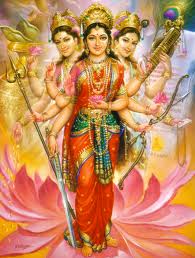
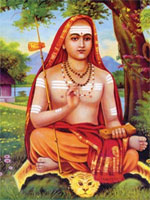
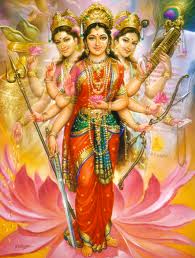
સૌંદર્ય લહરી was composed by Adi Shankaracharya and stands as one of the great Shakta stotrams. Its first portion is often called આનંદ લહરી, the wave of bliss, and the rest unfolds as a wave of divine beauty. The text praises Devi as the inseparable power of Shiva, the source of mantra, yantra, grace, beauty, knowledge, and liberation.
Traditional narratives say Shankaracharya received the opening portion through divine grace at Kailasa and composed or completed the remaining verses as praise of the Mother. Whether read historically or symbolically, the context matters: the hymn presents Shankara not only as a philosopher of non-duality but also as a devotee of the Divine Mother.
પ્રથમ ભાગઃ - આનંદ લહરિ
Translation (ભાવાર્થ):
This verse praises the Divine Mother through an image of beauty, power, mantra, grace, or inner realization, asking the seeker to see her presence as the support of devotion and knowledge.
ભુમૌસ્ખલિત પાદાનાં ભૂમિરેવા વલંબનમ્ ।
ત્વયી જાતા પરાધાનાં ત્વમેવ શરણં શિવે ॥
Translation (ભાવાર્થ):
This verse praises the Divine Mother through an image of beauty, power, mantra, grace, or inner realization, asking the seeker to see her presence as the support of devotion and knowledge.
શિવઃ શક્ત્યા યુક્તો યદિ ભવતિ શક્તઃ પ્રભવિતું
ન ચેદેવં દેવો ન ખલુ કુશલઃ સ્પંદિતુમપિ ।
અતસ્ત્વામારાધ્યાં હરિહરવિરિંચાદિભિરપિ
પ્રણંતું સ્તોતું વા કથમકૃતપુણ્યઃ પ્રભવતિ ॥ 1 ॥
Translation (ભાવાર્થ):
Shiva becomes able to manifest only when united with Shakti; without her, even the divine cannot stir. Therefore, only one blessed by merit can worship, bow to, or praise the Mother.
તનીયાંસં પાંસું તવ ચરણપંકેરુહભવં
વિરિંચિસ્સંચિન્વન્ વિરચયતિ લોકાનવિકલમ્ ।
વહત્યેનં શૌરિઃ કથમપિ સહસ્રેણ શિરસાં
હરસ્સંક્ષુદ્યૈનં ભજતિ ભસિતોદ્ધૂલનવિધિમ્ ॥ 2 ॥
Translation (ભાવાર્થ):
This verse praises the Divine Mother through an image of beauty, power, mantra, grace, or inner realization, asking the seeker to see her presence as the support of devotion and knowledge.
અવિદ્યાનામંત-સ્તિમિર-મિહિરદ્વીપનગરી
જડાનાં ચૈતન્ય-સ્તબક-મકરંદ-સ્રુતિઝરી ।
દરિદ્રાણાં ચિંતામણિગુણનિકા જન્મજલધૌ
નિમગ્નાનાં દંષ્ટ્રા મુરરિપુ-વરાહસ્ય ભવતિ ॥ 3 ॥
Translation (ભાવાર્થ):
This verse praises the Divine Mother through an image of beauty, power, mantra, grace, or inner realization, asking the seeker to see her presence as the support of devotion and knowledge.
ત્વદન્યઃ પાણિભ્યામભયવરદો દૈવતગણઃ
ત્વમેકા નૈવાસિ પ્રકટિતવરાભીત્યભિનયા ।
ભયાત્ ત્રાતું દાતું ફલમપિ ચ વાંછાસમધિકં
શરણ્યે લોકાનાં તવ હિ ચરણાવેવ નિપુણૌ ॥ 4 ॥
Translation (ભાવાર્થ):
This verse praises the Divine Mother through an image of beauty, power, mantra, grace, or inner realization, asking the seeker to see her presence as the support of devotion and knowledge.
હરિસ્ત્વામારાધ્ય પ્રણતજનસૌભાગ્યજનનીં
પુરા નારી ભૂત્વા પુરરિપુમપિ ક્ષોભમનયત્ ।
સ્મરોઽપિ ત્વાં નત્વા રતિનયનલેહ્યેન વપુષા
મુનીનામપ્યંતઃ પ્રભવતિ હિ મોહાય મહતામ્ ॥ 5 ॥
Translation (ભાવાર્થ):
This verse praises the Divine Mother through an image of beauty, power, mantra, grace, or inner realization, asking the seeker to see her presence as the support of devotion and knowledge.
ધનુઃ પૌષ્પં મૌર્વી મધુકરમયી પંચ વિશિખાઃ
વસંતઃ સામંતો મલયમરુદાયોધનરથઃ ।
તથાપ્યેકઃ સર્વં હિમગિરિસુતે કામપિ કૃપામ્
અપાંગાત્તે લબ્ધ્વા જગદિદ-મનંગો વિજયતે ॥ 6 ॥
Translation (ભાવાર્થ):
This verse praises the Divine Mother through an image of beauty, power, mantra, grace, or inner realization, asking the seeker to see her presence as the support of devotion and knowledge.
ક્વણત્કાંચીદામા કરિકલભકુંભસ્તનનતા
પરિક્ષીણા મધ્યે પરિણતશરચ્ચંદ્રવદના ।
ધનુર્બાણાન્ પાશં સૃણિમપિ દધાના કરતલૈઃ
પુરસ્તાદાસ્તાં નઃ પુરમથિતુરાહોપુરુષિકા ॥ 7 ॥
Translation (ભાવાર્થ):
This verse praises the Divine Mother through an image of beauty, power, mantra, grace, or inner realization, asking the seeker to see her presence as the support of devotion and knowledge.
સુધાસિંધોર્મધ્યે સુરવિટપિવાટીપરિવૃતે
મણિદ્વીપે નીપોપવનવતિ ચિંતામણિગૃહે ।
શિવાકારે મંચે પરમશિવપર્યંકનિલયાં
ભજંતિ ત્વાં ધન્યાઃ કતિચન ચિદાનંદલહરીમ્ ॥ 8 ॥
Translation (ભાવાર્થ):
This verse praises the Divine Mother through an image of beauty, power, mantra, grace, or inner realization, asking the seeker to see her presence as the support of devotion and knowledge.
મહીં મૂલાધારે કમપિ મણિપૂરે હુતવહં
સ્થિતં સ્વાધિષ્ઠાને હૃદિ મરુતમાકાશમુપરિ ।
મનોઽપિ ભ્રૂમધ્યે સકલમપિ ભિત્વા કુલપથં
સહસ્રારે પદ્મે સહ રહસિ પત્યા વિહરસે ॥ 9 ॥
Translation (ભાવાર્થ):
This verse praises the Divine Mother through an image of beauty, power, mantra, grace, or inner realization, asking the seeker to see her presence as the support of devotion and knowledge.
સુધાધારાસારૈશ્ચરણયુગલાંતર્વિગલિતૈઃ
પ્રપંચં સિંચંતી પુનરપિ રસામ્નાયમહસઃ ।
અવાપ્ય સ્વાં ભૂમિં ભુજગનિભમધ્યુષ્ટવલયં
સ્વમાત્માનં કૃત્વા સ્વપિષિ કુલકુંડે કુહરિણિ ॥ 10 ॥
Translation (ભાવાર્થ):
This verse praises the Divine Mother through an image of beauty, power, mantra, grace, or inner realization, asking the seeker to see her presence as the support of devotion and knowledge.
ચતુર્ભિઃ શ્રીકંઠૈઃ શિવયુવતિભિઃ પંચભિરપિ
પ્રભિન્નાભિઃ શંભોર્નવભિરપિ મૂલપ્રકૃતિભિઃ ।
ચતુશ્ચત્વારિંશદ્વસુદલકલાશ્રત્રિવલય- [ત્રયશ્ચત્વારિ]
ત્રિરેખાભિઃ સાર્ધં તવ શરણકોણાઃ પરિણતાઃ ॥ 11 ॥ [ચરણકોણાઃ, ભવનકિણાઃ]
Translation (ભાવાર્થ):
This verse praises the Divine Mother through an image of beauty, power, mantra, grace, or inner realization, asking the seeker to see her presence as the support of devotion and knowledge.
ત્વદીયં સૌંદર્યં તુહિનગિરિકન્યે તુલયિતું
કવીંદ્રાઃ કલ્પંતે કથમપિ વિરિંચિપ્રભૃતયઃ ।
યદાલોકૌત્સુક્યાદમરલલના યાંતિ મનસા
તપોભિર્દુષ્પ્રાપામપિ ગિરિશસાયુજ્યપદવીમ્ ॥ 12 ॥
Translation (ભાવાર્થ):
This verse praises the Divine Mother through an image of beauty, power, mantra, grace, or inner realization, asking the seeker to see her presence as the support of devotion and knowledge.
નરં વર્ષીયાંસં નયનવિરસં નર્મસુ જડં
તવાપાંગાલોકે પતિતમનુધાવંતિ શતશઃ ।
ગલદ્વેણીબંધાઃ કુચકલશવિસ્રસ્તસિચયા
હઠાત્ ત્રુટ્યત્કાંચ્યો વિગલિતદુકૂલા યુવતયઃ ॥ 13 ॥
Translation (ભાવાર્થ):
This verse praises the Divine Mother through an image of beauty, power, mantra, grace, or inner realization, asking the seeker to see her presence as the support of devotion and knowledge.
ક્ષિતૌ ષટ્પંચાશદ્ દ્વિસમધિકપંચાશદુદકે
હુતાશે દ્વાષષ્ટિશ્ચતુરધિકપંચાશદનિલે ।
દિવિ દ્વિષ્ષટ્ત્રિંશન્મનસિ ચ ચતુષ્ષષ્ટિરિતિ યે
મયૂખાસ્તેષામપ્યુપરિ તવ પાદાંબુજયુગમ્ ॥ 14 ॥
Translation (ભાવાર્થ):
This verse praises the Divine Mother through an image of beauty, power, mantra, grace, or inner realization, asking the seeker to see her presence as the support of devotion and knowledge.
શરજ્જ્યોત્સ્નાશુદ્ધાં શશિયુતજટાજૂટમકુટાં
વરત્રાસત્રાણસ્ફટિકઘટિકાપુસ્તકકરામ્ ।
સકૃન્ન ત્વા નત્વા કથમિવ સતાં સંન્નિદધતે
મધુક્ષીરદ્રાક્ષામધુરિમધુરીણાઃ ભણિતયઃ ॥ 15॥ [ફણિતયઃ]
Translation (ભાવાર્થ):
This verse praises the Divine Mother through an image of beauty, power, mantra, grace, or inner realization, asking the seeker to see her presence as the support of devotion and knowledge.
કવીંદ્રાણાં ચેતઃકમલવનબાલાતપરુચિં
ભજંતે યે સંતઃ કતિચિદરુણામેવ ભવતીમ્ ।
વિરિંચિપ્રેયસ્યાસ્તરુણતરશૃંગારલહરી-
ગભીરાભિર્વાગ્ભિર્વિદધતિ સતાં રંજનમમી ॥ 16 ॥
Translation (ભાવાર્થ):
This verse praises the Divine Mother through an image of beauty, power, mantra, grace, or inner realization, asking the seeker to see her presence as the support of devotion and knowledge.
સવિત્રીભિર્વાચાં શશિમણિશિલાભંગરુચિભિઃ
વશિન્યાદ્યાભિસ્ત્વાં સહ જનનિ સંચિંતયતિ યઃ ।
સ કર્તા કાવ્યાનાં ભવતિ મહતાં ભંગિરુચિભિઃ
વચોભિર્વાગ્દેવીવદનકમલામોદમધુરૈઃ ॥ 17 ॥
Translation (ભાવાર્થ):
This verse praises the Divine Mother through an image of beauty, power, mantra, grace, or inner realization, asking the seeker to see her presence as the support of devotion and knowledge.
તનુચ્છાયાભિસ્તે તરુણતરણિશ્રીસરણિભિઃ
દિવં સર્વામુર્વીમરુણિમનિ મગ્નાં સ્મરતિ યઃ ।
ભવંત્યસ્ય ત્રસ્યદ્વનહરિણશાલીનનયનાઃ
સહોર્વશ્યા વશ્યાઃ કતિ કતિ ન ગીર્વાણગણિકાઃ ॥ 18 ॥
Translation (ભાવાર્થ):
This verse praises the Divine Mother through an image of beauty, power, mantra, grace, or inner realization, asking the seeker to see her presence as the support of devotion and knowledge.
મુખં બિંદું કૃત્વા કુચયુગમધસ્તસ્ય તદધો
હરાર્ધં ધ્યાયેદ્યો હરમહિષિ તે મન્મથકલામ્ ।
સ સદ્યઃ સંક્ષોભં નયતિ વનિતા ઇત્યતિલઘુ
ત્રિલોકીમપ્યાશુ ભ્રમયતિ રવીંદુસ્તનયુગામ્ ॥ 19 ॥
Translation (ભાવાર્થ):
This verse praises the Divine Mother through an image of beauty, power, mantra, grace, or inner realization, asking the seeker to see her presence as the support of devotion and knowledge.
કિરંતીમંગેભ્યઃ કિરણનિકુરંબામૃતરસં
હૃદિ ત્વામાધત્તે હિમકરશિલામૂર્તિમિવ યઃ ।
સ સર્પાણાં દર્પં શમયતિ શકુંતાધિપ ઇવ
જ્વરપ્લુષ્ટાન્ દૃષ્ટ્યા સુખયતિ સુધાધારસિરયા ॥ 20 ॥
Translation (ભાવાર્થ):
This verse praises the Divine Mother through an image of beauty, power, mantra, grace, or inner realization, asking the seeker to see her presence as the support of devotion and knowledge.
તટિલ્લેખાતન્વીં તપનશશિવૈશ્વાનરમયીં
નિષણ્ણાં ષણ્ણામપ્યુપરિ કમલાનાં તવ કલામ્ ।
મહાપદ્માટવ્યાં મૃદિતમલમાયેન મનસા
મહાંતઃ પશ્યંતો દધતિ પરમાહ્લાદલહરીમ્ ॥ 21 ॥
Translation (ભાવાર્થ):
This verse praises the Divine Mother through an image of beauty, power, mantra, grace, or inner realization, asking the seeker to see her presence as the support of devotion and knowledge.
ભવાનિ ત્વં દાસે મયિ વિતર દૃષ્ટિં સકરુણા-
મિતિ સ્તોતું વાંછન્ કથયતિ ભવાનિ ત્વમિતિ યઃ ।
તદૈવ ત્વં તસ્મૈ દિશસિ નિજસાયુજ્યપદવીં
મુકુંદબ્રહ્મેંદ્રસ્ફુટમકુટનીરાજિતપદામ્ ॥ 22 ॥
Translation (ભાવાર્થ):
This verse praises the Divine Mother through an image of beauty, power, mantra, grace, or inner realization, asking the seeker to see her presence as the support of devotion and knowledge.
ત્વયા હૃત્વા વામં વપુરપરિ-તૃપ્તેન મનસા
શરીરાર્ધં શંભોરપરમપિ શંકે હૃતમભૂત્ ।
યદેતત્ત્વદ્રૂપં સકલમરુણાભં ત્રિનયનં
કુચાભ્યામાનમ્રં કુટિલશશિચૂડાલમકુટમ્ ॥ 23 ॥
Translation (ભાવાર્થ):
This verse praises the Divine Mother through an image of beauty, power, mantra, grace, or inner realization, asking the seeker to see her presence as the support of devotion and knowledge.
જગત્સૂતે ધાતા હરિરવતિ રુદ્રઃ ક્ષપયતે
તિરસ્કુર્વન્નેતત્સ્વમપિ વપુરીશસ્તિરયતિ ।
સદાપૂર્વઃ સર્વં તદિદમનુગૃહ્ણાતિ ચ શિવ-
સ્તવાજ્ઞામાલંબ્ય ક્ષણચલિતયોર્ભ્રૂલતિકયોઃ ॥ 24 ॥
Translation (ભાવાર્થ):
This verse praises the Divine Mother through an image of beauty, power, mantra, grace, or inner realization, asking the seeker to see her presence as the support of devotion and knowledge.
ત્રયાણાં દેવાનાં ત્રિગુણજનિતાનાં તવ શિવે
ભવેત્ પૂજા પૂજા તવ ચરણયોર્યા વિરચિતા ।
તથા હિ ત્વત્પાદોદ્વહનમણિપીઠસ્ય નિકટે
સ્થિતા હ્યેતે શશ્વન્મુકુલિતકરોત્તંસમકુટાઃ ॥ 25 ॥
Translation (ભાવાર્થ):
This verse praises the Divine Mother through an image of beauty, power, mantra, grace, or inner realization, asking the seeker to see her presence as the support of devotion and knowledge.
વિરિંચિઃ પંચત્વં વ્રજતિ હરિરાપ્નોતિ વિરતિં
વિનાશં કીનાશો ભજતિ ધનદો યાતિ નિધનમ્ ।
વિતંદ્રી માહેંદ્રી વિતતિરપિ સંમીલિતદૃશા
મહાસંહારેઽસ્મિન્ વિહરતિ સતિ ત્વત્પતિરસૌ ॥ 26 ॥
Translation (ભાવાર્થ):
This verse praises the Divine Mother through an image of beauty, power, mantra, grace, or inner realization, asking the seeker to see her presence as the support of devotion and knowledge.
જપો જલ્પઃ શિલ્પં સકલમપિ મુદ્રાવિરચના
ગતિઃ પ્રાદક્ષિણ્યક્રમણમશનાદ્યાહુતિવિધિઃ ।
પ્રણામસ્સંવેશસ્સુખમખિલમાત્માર્પણદૃશા
સપર્યાપર્યાયસ્તવ ભવતુ યન્મે વિલસિતમ્ ॥ 27 ॥
Translation (ભાવાર્થ):
This verse praises the Divine Mother through an image of beauty, power, mantra, grace, or inner realization, asking the seeker to see her presence as the support of devotion and knowledge.
સુધામપ્યાસ્વાદ્ય પ્રતિભયજરામૃત્યુહરિણીં
વિપદ્યંતે વિશ્વે વિધિશતમખાદ્યા દિવિષદઃ ।
કરાલં યત્ક્ષ્વેલં કબલિતવતઃ કાલકલના
ન શંભોસ્તન્મૂલં તવ જનનિ તાટંકમહિમા ॥ 28 ॥
Translation (ભાવાર્થ):
This verse praises the Divine Mother through an image of beauty, power, mantra, grace, or inner realization, asking the seeker to see her presence as the support of devotion and knowledge.
કિરીટં વૈરિંચં પરિહર પુરઃ કૈટભભિદઃ
કઠોરે કોટીરે સ્ખલસિ જહિ જંભારિમુકુટમ્ ।
પ્રણમ્રેષ્વેતેષુ પ્રસભમુપયાતસ્ય ભવનં
ભવસ્યાભ્યુત્થાને તવ પરિજનોક્તિર્વિજયતે ॥ 29 ॥
Translation (ભાવાર્થ):
This verse praises the Divine Mother through an image of beauty, power, mantra, grace, or inner realization, asking the seeker to see her presence as the support of devotion and knowledge.
સ્વદેહોદ્ભૂતાભિર્ઘૃણિભિરણિમાદ્યાભિરભિતો
નિષેવ્યે નિત્યે ત્વામહમિતિ સદા ભાવયતિ યઃ ।
કિમાશ્ચર્યં તસ્ય ત્રિનયનસમૃદ્ધિં તૃણયતો
મહાસંવર્તાગ્નિર્વિરચયતિ નિરાજનવિધિમ્ ॥ 30 ॥
Translation (ભાવાર્થ):
This verse praises the Divine Mother through an image of beauty, power, mantra, grace, or inner realization, asking the seeker to see her presence as the support of devotion and knowledge.
ચતુષ્ષષ્ટ્યા તંત્રૈઃ સકલમતિસંધાય ભુવનં
સ્થિતસ્તત્તત્સિદ્ધિપ્રસવપરતંત્રૈઃ પશુપતિઃ ।
પુનસ્ત્વન્નિર્બંધાદખિલપુરુષાર્થૈકઘટના-
સ્વતંત્રં તે તંત્રં ક્ષિતિતલમવાતીતરદિદમ્ ॥ 31 ॥
Translation (ભાવાર્થ):
This verse praises the Divine Mother through an image of beauty, power, mantra, grace, or inner realization, asking the seeker to see her presence as the support of devotion and knowledge.
શિવઃ શક્તિઃ કામઃ ક્ષિતિરથ રવિઃ શીતકિરણઃ
સ્મરો હંસઃ શક્રસ્તદનુ ચ પરામારહરયઃ ।
અમી હૃલ્લેખાભિસ્તિસૃભિરવસાનેષુ ઘટિતા
ભજંતે વર્ણાસ્તે તવ જનનિ નામાવયવતામ્ ॥ 32 ॥
Translation (ભાવાર્થ):
This verse praises the Divine Mother through an image of beauty, power, mantra, grace, or inner realization, asking the seeker to see her presence as the support of devotion and knowledge.
સ્મરં યોનિં લક્ષ્મીં ત્રિતયમિદમાદૌ તવ મનો-
ર્નિધાયૈકે નિત્યે નિરવધિમહાભોગરસિકાઃ ।
ભજંતિ ત્વાં ચિંતામણિગુનનિબદ્ધાક્ષવલયાઃ
શિવાગ્નૌ જુહ્વંતઃ સુરભિઘૃતધારાહુતિશતૈઃ ॥ 33 ॥
Translation (ભાવાર્થ):
This verse praises the Divine Mother through an image of beauty, power, mantra, grace, or inner realization, asking the seeker to see her presence as the support of devotion and knowledge.
શરીરં ત્વં શંભોઃ શશિમિહિરવક્ષોરુહયુગં
તવાત્માનં મન્યે ભગવતિ નવાત્માનમનઘમ્ ।
અતશ્શેષશ્શેષીત્યયમુભયસાધારણતયા
સ્થિતઃ સંબંધો વાં સમરસપરાનંદપરયોઃ ॥ 34 ॥
Translation (ભાવાર્થ):
This verse praises the Divine Mother through an image of beauty, power, mantra, grace, or inner realization, asking the seeker to see her presence as the support of devotion and knowledge.
મનસ્ત્વં વ્યોમ ત્વં મરુદસિ મરુત્સારથિરસિ
ત્વમાપસ્ત્વં ભૂમિસ્ત્વયિ પરિણતાયાં ન હિ પરમ્ ।
ત્વમેવ સ્વાત્માનં પરિણમયિતું વિશ્વવપુષા
ચિદાનંદાકારં શિવયુવતિ ભાવેન બિભૃષે ॥ 35 ॥
Translation (ભાવાર્થ):
This verse praises the Divine Mother through an image of beauty, power, mantra, grace, or inner realization, asking the seeker to see her presence as the support of devotion and knowledge.
તવાજ્ઞાચક્રસ્થં તપનશશિકોટિદ્યુતિધરં
પરં શંભું વંદે પરિમિલિતપાર્શ્વં પરચિતા ।
યમારાધ્યન્ ભક્ત્યા રવિશશિશુચીનામવિષયે
નિરાલોકેઽલોકે નિવસતિ હિ ભાલોકભુવને ॥ 36 ॥
Translation (ભાવાર્થ):
This verse praises the Divine Mother through an image of beauty, power, mantra, grace, or inner realization, asking the seeker to see her presence as the support of devotion and knowledge.
વિશુદ્ધૌ તે શુદ્ધસ્ફટિકવિશદં વ્યોમજનકં
શિવં સેવે દેવીમપિ શિવસમાનવ્યવસિતામ્ ।
યયોઃ કાંત્યા યાંત્યાઃ શશિકિરણસારૂપ્યસરણે-
વિધૂતાંતર્ધ્વાંતા વિલસતિ ચકોરીવ જગતી ॥ 37 ॥
Translation (ભાવાર્થ):
This verse praises the Divine Mother through an image of beauty, power, mantra, grace, or inner realization, asking the seeker to see her presence as the support of devotion and knowledge.
સમુન્મીલત્ સંવિત્ કમલમકરંદૈકરસિકં
ભજે હંસદ્વંદ્વં કિમપિ મહતાં માનસચરમ્ ।
યદાલાપાદષ્ટાદશગુણિતવિદ્યાપરિણતિ-
ર્યદાદત્તે દોષાદ્ ગુણમખિલમદ્ભ્યઃ પય ઇવ ॥ 38 ॥
Translation (ભાવાર્થ):
This verse praises the Divine Mother through an image of beauty, power, mantra, grace, or inner realization, asking the seeker to see her presence as the support of devotion and knowledge.
તવ સ્વાધિષ્ઠાને હુતવહમધિષ્ઠાય નિરતં
તમીડે સંવર્તં જનનિ મહતીં તાં ચ સમયામ્ ।
યદાલોકે લોકાન્ દહતિ મહતિ ક્રોધકલિતે
દયાર્દ્રા યા દૃષ્ટિઃ શિશિરમુપચારં રચયતિ ॥ 39 ॥
Translation (ભાવાર્થ):
This verse praises the Divine Mother through an image of beauty, power, mantra, grace, or inner realization, asking the seeker to see her presence as the support of devotion and knowledge.
તટિત્ત્વંતં શક્ત્યા તિમિરપરિપંથિસ્ફુરણયા
સ્ફુરન્નાનારત્નાભરણપરિણદ્ધેંદ્રધનુષમ્ ।
તવ શ્યામં મેઘં કમપિ મણિપૂરૈકશરણં
નિષેવે વર્ષંતં હરમિહિરતપ્તં ત્રિભુવનમ્ ॥ 40 ॥
Translation (ભાવાર્થ):
This verse praises the Divine Mother through an image of beauty, power, mantra, grace, or inner realization, asking the seeker to see her presence as the support of devotion and knowledge.
તવાધારે મૂલે સહ સમયયા લાસ્યપરયા
નવાત્માનં મન્યે નવરસમહાતાંડવનટમ્ ।
ઉભાભ્યામેતાભ્યામુદયવિધિમુદ્દિશ્ય દયયા
સનાથાભ્યાં જજ્ઞે જનકજનનીમજ્જગદિદમ્ ॥ 41 ॥
Translation (ભાવાર્થ):
This verse praises the Divine Mother through an image of beauty, power, mantra, grace, or inner realization, asking the seeker to see her presence as the support of devotion and knowledge.
દ્વિતીય ભાગઃ - સૌંદર્ય લહરી
Translation (ભાવાર્થ):
This verse praises the Divine Mother through an image of beauty, power, mantra, grace, or inner realization, asking the seeker to see her presence as the support of devotion and knowledge.
ગતૈર્માણિક્યત્વં ગગનમણિભિઃ સાંદ્રઘટિતં
કિરીટં તે હૈમં હિમગિરિસુતે કીર્તયતિ યઃ ।
સ નીડેયચ્છાયાચ્છુરણશબલં ચંદ્રશકલં
ધનુઃ શૌનાસીરં કિમિતિ ન નિબધ્નાતિ ધિષણામ્ ॥ 42 ॥
Translation (ભાવાર્થ):
This verse praises the Divine Mother through an image of beauty, power, mantra, grace, or inner realization, asking the seeker to see her presence as the support of devotion and knowledge.
ધુનોતુ ધ્વાંતં નસ્તુલિતદલિતેંદીવરવનં
ઘનસ્નિગ્ધશ્લક્ષ્ણં ચિકુરનિકુરુંબં તવ શિવે ।
યદીયં સૌરભ્યં સહજમુપલબ્ધું સુમનસો
વસંત્યસ્મિન્ મન્યે વલમથનવાટીવિટપિનામ્ ॥ 43 ॥
Translation (ભાવાર્થ):
This verse praises the Divine Mother through an image of beauty, power, mantra, grace, or inner realization, asking the seeker to see her presence as the support of devotion and knowledge.
તનોતુ ક્ષેમં નસ્તવ વદનસૌંદર્યલહરી-
પરીવાહસ્રોતઃસરણિરિવ સીમંતસરણિઃ ।
વહંતી સિંદૂરં પ્રબલકબરીભારતિમિર-
દ્વિષાં બૃંદૈર્બંદીકૃતમિવ નવીનાર્કકિરણમ્ ॥ 44 ॥
Translation (ભાવાર્થ):
This verse praises the Divine Mother through an image of beauty, power, mantra, grace, or inner realization, asking the seeker to see her presence as the support of devotion and knowledge.
અરાલૈઃ સ્વાભાવ્યાદલિકલભસશ્રીભિરલકૈઃ
પરીતં તે વક્ત્રં પરિહસતિ પંકેરુહરુચિમ્ ।
દરસ્મેરે યસ્મિન્ દશનરુચિકિંજલ્કરુચિરે
સુગંધૌ માદ્યંતિ સ્મરદહનચક્ષુર્મધુલિહઃ ॥ 45 ॥
Translation (ભાવાર્થ):
This verse praises the Divine Mother through an image of beauty, power, mantra, grace, or inner realization, asking the seeker to see her presence as the support of devotion and knowledge.
લલાટં લાવણ્યદ્યુતિવિમલમાભાતિ તવ ય-
દ્દ્વિતીયં તન્મન્યે મકુટઘટિતં ચંદ્રશકલમ્ ।
વિપર્યાસન્યાસાદુભયમપિ સંભૂય ચ મિથઃ
સુધાલેપસ્યૂતિઃ પરિણમતિ રાકાહિમકરઃ ॥ 46 ॥
Translation (ભાવાર્થ):
This verse praises the Divine Mother through an image of beauty, power, mantra, grace, or inner realization, asking the seeker to see her presence as the support of devotion and knowledge.
ભ્રુવૌ ભુગ્ને કિંચિદ્ભુવનભયભંગવ્યસનિનિ
ત્વદીયે નેત્રાભ્યાં મધુકરરુચિભ્યાં ધૃતગુણમ્ ।
ધનુર્મન્યે સવ્યેતરકરગૃહીતં રતિપતેઃ
પ્રકોષ્ઠે મુષ્ટૌ ચ સ્થગયતિ નિગૂઢાંતરમુમે ॥ 47 ॥
Translation (ભાવાર્થ):
This verse praises the Divine Mother through an image of beauty, power, mantra, grace, or inner realization, asking the seeker to see her presence as the support of devotion and knowledge.
અહઃ સૂતે સવ્યં તવ નયનમર્કાત્મકતયા
ત્રિયામાં વામં તે સૃજતિ રજનીનાયકતયા ।
તૃતીયા તે દૃષ્ટિર્દરદલિતહેમાંબુજરુચિઃ
સમાધત્તે સંધ્યાં દિવસનિશયોરંતરચરીમ્ ॥ 48 ॥
Translation (ભાવાર્થ):
This verse praises the Divine Mother through an image of beauty, power, mantra, grace, or inner realization, asking the seeker to see her presence as the support of devotion and knowledge.
વિશાલા કલ્યાણી સ્ફુટરુચિરયોધ્યા કુવલયૈઃ
કૃપાધારાધારા કિમપિ મધુરાભોગવતિકા ।
અવંતી દૃષ્ટિસ્તે બહુનગરવિસ્તારવિજયા
ધ્રુવં તત્તન્નામવ્યવહરણયોગ્યા વિજયતે ॥ 49 ॥
Translation (ભાવાર્થ):
This verse praises the Divine Mother through an image of beauty, power, mantra, grace, or inner realization, asking the seeker to see her presence as the support of devotion and knowledge.
કવીનાં સંદર્ભસ્તબકમકરંદૈકરસિકં
કટાક્ષવ્યાક્ષેપભ્રમરકલભૌ કર્ણયુગલમ્ ।
અમુંચંતૌ દૃષ્ટ્વા તવ નવરસાસ્વાદતરલા-
વસૂયાસંસર્ગાદલિકનયનં કિંચિદરુણમ્ ॥ 50 ॥
Translation (ભાવાર્થ):
This verse praises the Divine Mother through an image of beauty, power, mantra, grace, or inner realization, asking the seeker to see her presence as the support of devotion and knowledge.
શિવે શૃંગારાર્દ્રા તદિતરજને કુત્સનપરા
સરોષા ગંગાયાં ગિરિશચરિતે વિસ્મયવતી ।
હરાહિભ્યો ભીતા સરસિરુહસૌભાગ્યજનની (જયિની)
સખીષુ સ્મેરા તે મયિ જનની દૃષ્ટિઃ સકરુણા ॥ 51 ॥
Translation (ભાવાર્થ):
This verse praises the Divine Mother through an image of beauty, power, mantra, grace, or inner realization, asking the seeker to see her presence as the support of devotion and knowledge.
ગતે કર્ણાભ્યર્ણં ગરુત ઇવ પક્ષ્માણિ દધતી
પુરાં ભેત્તુશ્ચિત્તપ્રશમરસવિદ્રાવણફલે ।
ઇમે નેત્રે ગોત્રાધરપતિકુલોત્તંસકલિકે
તવાકર્ણાકૃષ્ટસ્મરશરવિલાસં કલયતઃ ॥ 52 ॥
Translation (ભાવાર્થ):
This verse praises the Divine Mother through an image of beauty, power, mantra, grace, or inner realization, asking the seeker to see her presence as the support of devotion and knowledge.
વિભક્તત્રૈવર્ણ્યં વ્યતિકરિતલીલાંજનતયા
વિભાતિ ત્વન્નેત્રત્રિતયમિદમીશાનદયિતે ।
પુનઃ સ્રષ્ટું દેવાન્ દ્રુહિણહરિરુદ્રાનુપરતાન્
રજઃ સત્ત્વં બિભ્રત્તમ ઇતિ ગુણાનાં ત્રયમિવ ॥ 53 ॥
Translation (ભાવાર્થ):
This verse praises the Divine Mother through an image of beauty, power, mantra, grace, or inner realization, asking the seeker to see her presence as the support of devotion and knowledge.
પવિત્રીકર્તું નઃ પશુપતિપરાધીનહૃદયે
દયામિત્રૈર્નેત્રૈરરુણધવલશ્યામરુચિભિઃ ।
નદઃ શોણો ગંગા તપનતનયેતિ ધ્રુવમમું
ત્રયાણાં તીર્થાનામુપનયસિ સંભેદમનઘમ્ ॥ 54 ॥
Translation (ભાવાર્થ):
This verse praises the Divine Mother through an image of beauty, power, mantra, grace, or inner realization, asking the seeker to see her presence as the support of devotion and knowledge.
નિમેષોન્મેષાભ્યાં પ્રલયમુદયં યાતિ જગતી
તવેત્યાહુઃ સંતો ધરણિધરરાજન્યતનયે ।
ત્વદુન્મેષાજ્જાતં જગદિદમશેષં પ્રલયતઃ
પરિત્રાતું શંકે પરિહૃતનિમેષાસ્તવ દૃશઃ ॥ 55 ॥
Translation (ભાવાર્થ):
This verse praises the Divine Mother through an image of beauty, power, mantra, grace, or inner realization, asking the seeker to see her presence as the support of devotion and knowledge.
તવાપર્ણે કર્ણેજપનયનપૈશુન્યચકિતા
નિલીયંતે તોયે નિયતમનિમેષાઃ શફરિકાઃ ।
ઇયં ચ શ્રીર્બદ્ધચ્છદપુટકવાટં કુવલયમ્
જહાતિ પ્રત્યૂષે નિશિ ચ વિઘટય્ય પ્રવિશતિ ॥ 56 ॥
Translation (ભાવાર્થ):
This verse praises the Divine Mother through an image of beauty, power, mantra, grace, or inner realization, asking the seeker to see her presence as the support of devotion and knowledge.
દૃશા દ્રાઘીયસ્યા દરદલિતનીલોત્પલરુચા
દવીયાંસં દીનં સ્નપય કૃપયા મામપિ શિવે ।
અનેનાયં ધન્યો ભવતિ ન ચ તે હાનિરિયતા
વને વા હર્મ્યે વા સમકરનિપાતો હિમકરઃ ॥ 57 ॥
Translation (ભાવાર્થ):
This verse praises the Divine Mother through an image of beauty, power, mantra, grace, or inner realization, asking the seeker to see her presence as the support of devotion and knowledge.
અરાલં તે પાલીયુગલમગરાજન્યતનયે
ન કેષામાધત્તે કુસુમશરકોદંડકુતુકમ્ ।
તિરશ્ચીનો યત્ર શ્રવણપથમુલ્લંઘ્ય વિલસ-
ન્નપાંગવ્યાસંગો દિશતિ શરસંધાનધિષણામ્ ॥ 58 ॥
Translation (ભાવાર્થ):
This verse praises the Divine Mother through an image of beauty, power, mantra, grace, or inner realization, asking the seeker to see her presence as the support of devotion and knowledge.
સ્ફુરદ્ગંડાભોગપ્રતિફલિતતાટંકયુગલં
ચતુશ્ચક્રં મન્યે તવ મુખમિદં મન્મથરથમ્ ।
યમારુહ્ય દ્રુહ્યત્યવનિરથમર્કેંદુચરણં
મહાવીરો મારઃ પ્રમથપતયે સજ્જિતવતે ॥ 59 ॥
Translation (ભાવાર્થ):
This verse praises the Divine Mother through an image of beauty, power, mantra, grace, or inner realization, asking the seeker to see her presence as the support of devotion and knowledge.
સરસ્વત્યાઃ સૂક્તીરમૃતલહરીકૌશલહરીઃ
પિબંત્યાઃ શર્વાણિ શ્રવણચુલુકાભ્યામવિરલમ્ ।
ચમત્કારશ્લાઘાચલિતશિરસઃ કુંડલગણો
ઝણત્કારૈસ્તારૈઃ પ્રતિવચનમાચષ્ટ ઇવ તે ॥ 60 ॥
Translation (ભાવાર્થ):
This verse praises the Divine Mother through an image of beauty, power, mantra, grace, or inner realization, asking the seeker to see her presence as the support of devotion and knowledge.
અસૌ નાસાવંશસ્તુહિનગિરિવંશધ્વજપટિ
ત્વદીયો નેદીયઃ ફલતુ ફલમસ્માકમુચિતમ્ ।
વહન્નંતર્મુક્તાઃ શિશિરતરનિશ્વાસગલિતં
સમૃદ્ધ્યા યત્તાસાં બહિરપિ ચ મુક્તામણિધરઃ ॥ 61 ॥
Translation (ભાવાર્થ):
This verse praises the Divine Mother through an image of beauty, power, mantra, grace, or inner realization, asking the seeker to see her presence as the support of devotion and knowledge.
પ્રકૃત્યા રક્તાયાસ્તવ સુદતિ દંતચ્છદરુચેઃ
પ્રવક્ષ્યે સાદૃશ્યં જનયતુ ફલં વિદ્રુમલતા ।
ન બિંબં તદ્બિંબપ્રતિફલનરાગાદરુણિતં
તુલામધ્યારોઢું કથમિવ વિલજ્જેત કલયા ॥ 62 ॥
Translation (ભાવાર્થ):
This verse praises the Divine Mother through an image of beauty, power, mantra, grace, or inner realization, asking the seeker to see her presence as the support of devotion and knowledge.
સ્મિતજ્યોત્સ્નાજાલં તવ વદનચંદ્રસ્ય પિબતાં
ચકોરાણામાસીદતિરસતયા ચંચુજડિમા ।
અતસ્તે શીતાંશોરમૃતલહરીમમ્લરુચયઃ
પિબંતિ સ્વચ્છંદં નિશિ નિશિ ભૃશં કાંજિકધિયા ॥ 63 ॥
Translation (ભાવાર્થ):
This verse praises the Divine Mother through an image of beauty, power, mantra, grace, or inner realization, asking the seeker to see her presence as the support of devotion and knowledge.
અવિશ્રાંતં પત્યુર્ગુણગણકથામ્રેડનજપા
જપાપુષ્પચ્છાયા તવ જનનિ જિહ્વા જયતિ સા ।
યદગ્રાસીનાયાઃ સ્ફટિકદૃષદચ્છચ્છવિમયી
સરસ્વત્યા મૂર્તિઃ પરિણમતિ માણિક્યવપુષા ॥ 64 ॥
Translation (ભાવાર્થ):
This verse praises the Divine Mother through an image of beauty, power, mantra, grace, or inner realization, asking the seeker to see her presence as the support of devotion and knowledge.
રણે જિત્વા દૈત્યાનપહૃતશિરસ્ત્રૈઃ કવચિભિર્-
નિવૃત્તૈશ્ચંડાંશત્રિપુરહરનિર્માલ્યવિમુખૈઃ ।
વિશાખેંદ્રોપેંદ્રૈઃ શશિવિશદકર્પૂરશકલા
વિલીયંતે માતસ્તવ વદનતાંબૂલકબલાઃ ॥ 65 ॥
Translation (ભાવાર્થ):
This verse praises the Divine Mother through an image of beauty, power, mantra, grace, or inner realization, asking the seeker to see her presence as the support of devotion and knowledge.
વિપંચ્યા ગાયંતી વિવિધમપદાનં પશુપતેઃ
ત્વયારબ્ધે વક્તું ચલિતશિરસા સાધુવચને ।
તદીયૈર્માધુર્યૈરપલપિતતંત્રીકલરવાં
નિજાં વીણાં વાણી નિચુલયતિ ચોલેન નિભૃતમ્ ॥ 66 ॥
Translation (ભાવાર્થ):
This verse praises the Divine Mother through an image of beauty, power, mantra, grace, or inner realization, asking the seeker to see her presence as the support of devotion and knowledge.
કરાગ્રેણ સ્પૃષ્ટં તુહિનગિરિણા વત્સલતયા
ગિરીશેનોદસ્તં મુહુરધરપાનાકુલતયા ।
કરગ્રાહ્યં શંભોર્મુખમુકુરવૃંતં ગિરિસુતે
કથંકારં બ્રૂમસ્તવ ચિબુકમૌપમ્યરહિતમ્ ॥ 67 ॥
Translation (ભાવાર્થ):
This verse praises the Divine Mother through an image of beauty, power, mantra, grace, or inner realization, asking the seeker to see her presence as the support of devotion and knowledge.
ભુજાશ્લેષાન્ નિત્યં પુરદમયિતુઃ કંટકવતી
તવ ગ્રીવા ધત્તે મુખકમલનાલશ્રિયમિયમ્ ।
સ્વતઃ શ્વેતા કાલાગુરુબહુલજંબાલમલિના
મૃણાલીલાલિત્યં વહતિ યદધો હારલતિકા ॥ 68 ॥
Translation (ભાવાર્થ):
This verse praises the Divine Mother through an image of beauty, power, mantra, grace, or inner realization, asking the seeker to see her presence as the support of devotion and knowledge.
ગલે રેખાસ્તિસ્રો ગતિગમકગીતૈકનિપુણે
વિવાહવ્યાનદ્ધપ્રગુણગુણસંખ્યાપ્રતિભુવઃ ।
વિરાજંતે નાનાવિધમધુરરાગાકરભુવાં
ત્રયાણાં ગ્રામાણાં સ્થિતિનિયમસીમાન ઇવ તે ॥ 69 ॥
Translation (ભાવાર્થ):
This verse praises the Divine Mother through an image of beauty, power, mantra, grace, or inner realization, asking the seeker to see her presence as the support of devotion and knowledge.
મૃણાલીમૃદ્વીનાં તવ ભુજલતાનાં ચતસૃણાં
ચતુર્ભિઃ સૌંદર્યં સરસિજભવઃ સ્તૌતિ વદનૈઃ ।
નખેભ્યઃ સંત્રસ્યન્ પ્રથમમથનાદંધકરિપો-
શ્ચતુર્ણાં શીર્ષાણાં સમમભયહસ્તાર્પણધિયા ॥ 70 ॥
Translation (ભાવાર્થ):
This verse praises the Divine Mother through an image of beauty, power, mantra, grace, or inner realization, asking the seeker to see her presence as the support of devotion and knowledge.
નખાનામુદ્દ્યોતૈર્નવનલિનરાગં વિહસતાં
કરાણાં તે કાંતિં કથય કથયામઃ કથમુમે ।
કયાચિદ્વા સામ્યં ભજતુ કલયા હંત કમલં
યદિ ક્રીડલ્લક્ષ્મીચરણતલલાક્ષારસછણમ્ ॥ 71 ॥
Translation (ભાવાર્થ):
This verse praises the Divine Mother through an image of beauty, power, mantra, grace, or inner realization, asking the seeker to see her presence as the support of devotion and knowledge.
સમં દેવિ સ્કંદદ્વિપવદનપીતં સ્તનયુગં
તવેદં નઃ ખેદં હરતુ સતતં પ્રસ્નુતમુખમ્ ।
યદાલોક્યાશંકાકુલિતહૃદયો હાસજનકઃ
સ્વકુંભૌ હેરંબઃ પરિમૃશતિ હસ્તેન ઝડિતિ ॥ 72 ॥
Translation (ભાવાર્થ):
This verse praises the Divine Mother through an image of beauty, power, mantra, grace, or inner realization, asking the seeker to see her presence as the support of devotion and knowledge.
અમૂ તે વક્ષોજાવમૃતરસમાણિક્યકુતુપૌ
ન સંદેહસ્પંદો નગપતિપતાકે મનસિ નઃ ।
પિબંતૌ તૌ યસ્માદવિદિતવધૂસંગરસિકૌ
કુમારાવદ્યાપિ દ્વિરદવદનક્રૌંચદલનૌ ॥ 73 ॥
Translation (ભાવાર્થ):
This verse praises the Divine Mother through an image of beauty, power, mantra, grace, or inner realization, asking the seeker to see her presence as the support of devotion and knowledge.
વહત્યંબ સ્તંબેરમદનુજકુંભપ્રકૃતિભિઃ
સમારબ્ધાં મુક્તામણિભિરમલાં હારલતિકામ્ ।
કુચાભોગો બિંબાધરરુચિભિરંતઃ શબલિતાં
પ્રતાપવ્યામિશ્રાં પુરદમયિતુઃ કીર્તિમિવ તે ॥ 74 ॥
Translation (ભાવાર્થ):
This verse praises the Divine Mother through an image of beauty, power, mantra, grace, or inner realization, asking the seeker to see her presence as the support of devotion and knowledge.
તવ સ્તન્યં મન્યે ધરણિધરકન્યે હૃદયતઃ
પયઃપારાવારઃ પરિવહતિ સારસ્વતમિવ ।
દયાવત્યા દત્તં દ્રવિડશિશુરાસ્વાદ્ય તવ યત્
કવીનાં પ્રૌઢાનામજનિ કમનીયઃ કવયિતા ॥ 75 ॥
Translation (ભાવાર્થ):
This verse praises the Divine Mother through an image of beauty, power, mantra, grace, or inner realization, asking the seeker to see her presence as the support of devotion and knowledge.
હરક્રોધજ્વાલાવલિભિરવલીઢેન વપુષા
ગભીરે તે નાભીસરસિ કૃતસંગો મનસિજઃ ।
સમુત્તસ્થૌ તસ્માદચલતનયે ધૂમલતિકા
જનસ્તાં જાનીતે તવ જનનિ રોમાવલિરિતિ ॥ 76 ॥
Translation (ભાવાર્થ):
This verse praises the Divine Mother through an image of beauty, power, mantra, grace, or inner realization, asking the seeker to see her presence as the support of devotion and knowledge.
યદેતત્ કાલિંદીતનુતરતરંગાકૃતિ શિવે
કૃશે મધ્યે કિંચિજ્જનનિ તવ યદ્ભાતિ સુધિયામ્ ।
વિમર્દાદન્યોઽન્યં કુચકલશયોરંતરગતં
તનૂભૂતં વ્યોમ પ્રવિશદિવ નાભિં કુહરિણીમ્ ॥ 77 ॥
Translation (ભાવાર્થ):
This verse praises the Divine Mother through an image of beauty, power, mantra, grace, or inner realization, asking the seeker to see her presence as the support of devotion and knowledge.
સ્થિરો ગંગાવર્તઃ સ્તનમુકુલરોમાવલિલતા-
કલાવાલં કુંડં કુસુમશરતેજોહુતભુજઃ ।
રતેર્લીલાગારં કિમપિ તવ નાભિર્ગિરિસુતે
બિલદ્વારં સિદ્ધેર્ગિરિશનયનાનાં વિજયતે ॥ 78 ॥
Translation (ભાવાર્થ):
This verse praises the Divine Mother through an image of beauty, power, mantra, grace, or inner realization, asking the seeker to see her presence as the support of devotion and knowledge.
નિસર્ગક્ષીણસ્ય સ્તનતટભરેણ ક્લમજુષો
નમન્મૂર્તેર્નારીતિલક શનકૈસ્ત્રુટ્યત ઇવ ।
ચિરં તે મધ્યસ્ય ત્રુટિતતટિનીતીરતરુણા
સમાવસ્થાસ્થેમ્નો ભવતુ કુશલં શૈલતનયે ॥ 79 ॥
Translation (ભાવાર્થ):
This verse praises the Divine Mother through an image of beauty, power, mantra, grace, or inner realization, asking the seeker to see her presence as the support of devotion and knowledge.
કુચૌ સદ્યઃસ્વિદ્યત્તટઘટિતકૂર્પાસભિદુરૌ
કષંતૌ દોર્મૂલે કનકકલશાભૌ કલયતા ।
તવ ત્રાતું ભંગાદલમિતિ વલગ્નં તનુભુવા
ત્રિધા નદ્ધં દેવિ ત્રિવલિ લવલીવલ્લિભિરિવ ॥ 80 ॥
Translation (ભાવાર્થ):
This verse praises the Divine Mother through an image of beauty, power, mantra, grace, or inner realization, asking the seeker to see her presence as the support of devotion and knowledge.
ગુરુત્વં વિસ્તારં ક્ષિતિધરપતિઃ પાર્વતિ નિજા-
ન્નિતંબાદાચ્છિદ્ય ત્વયિ હરણરૂપેણ નિદધે ।
અતસ્તે વિસ્તીર્ણો ગુરુરયમશેષાં વસુમતીં
નિતંબપ્રાગ્ભારઃ સ્થગયતિ લઘુત્વં નયતિ ચ ॥ 81 ॥
Translation (ભાવાર્થ):
This verse praises the Divine Mother through an image of beauty, power, mantra, grace, or inner realization, asking the seeker to see her presence as the support of devotion and knowledge.
કરીંદ્રાણાં શુંડાન્ કનકકદલીકાંડપટલી-
મુભાભ્યામૂરુભ્યામુભયમપિ નિર્જિત્ય ભવતી ।
સુવૃત્તાભ્યાં પત્યુઃ પ્રણતિકઠિનાભ્યાં ગિરિસુતે
વિધિજ્ઞે જાનુભ્યાં વિબુધકરિકુંભદ્વયમસિ ॥ 82 ॥
Translation (ભાવાર્થ):
This verse praises the Divine Mother through an image of beauty, power, mantra, grace, or inner realization, asking the seeker to see her presence as the support of devotion and knowledge.
પરાજેતું રુદ્રં દ્વિગુણશરગર્ભૌ ગિરિસુતે
નિષંગૌ જંઘે તે વિષમવિશિખો બાઢમકૃત ।
યદગ્રે દૃશ્યંતે દશશરફલાઃ પાદયુગલી-
નખાગ્રચ્છદ્માનઃ સુરમકુટશાણૈકનિશિતાઃ ॥ 83 ॥
Translation (ભાવાર્થ):
This verse praises the Divine Mother through an image of beauty, power, mantra, grace, or inner realization, asking the seeker to see her presence as the support of devotion and knowledge.
શ્રુતીનાં મૂર્ધાનો દધતિ તવ યૌ શેખરતયા
મમાપ્યેતૌ માતઃ શિરસિ દયયા ધેહિ ચરણૌ ।
યયોઃ પાદ્યં પાથઃ પશુપતિજટાજૂટતટિની
યયોર્લાક્ષાલક્ષ્મીરરુણહરિચૂડામણિરુચિઃ ॥ 84 ॥
Translation (ભાવાર્થ):
This verse praises the Divine Mother through an image of beauty, power, mantra, grace, or inner realization, asking the seeker to see her presence as the support of devotion and knowledge.
નમોવાકં બ્રૂમો નયનરમણીયાય પદયો-
સ્તવાસ્મૈ દ્વંદ્વાય સ્ફુટરુચિરસાલક્તકવતે ।
અસૂયત્યત્યંતં યદભિહનનાય સ્પૃહયતે
પશૂનામીશાનઃ પ્રમદવનકંકેલિતરવે ॥ 85 ॥
Translation (ભાવાર્થ):
This verse praises the Divine Mother through an image of beauty, power, mantra, grace, or inner realization, asking the seeker to see her presence as the support of devotion and knowledge.
મૃષા કૃત્વા ગોત્રસ્ખલનમથ વૈલક્ષ્યનમિતં
લલાટે ભર્તારં ચરણકમલે તાડયતિ તે ।
ચિરાદંતઃશલ્યં દહનકૃતમુન્મૂલિતવતા
તુલાકોટિક્વાણૈઃ કિલિકિલિતમીશાનરિપુણા ॥ 86 ॥
Translation (ભાવાર્થ):
This verse praises the Divine Mother through an image of beauty, power, mantra, grace, or inner realization, asking the seeker to see her presence as the support of devotion and knowledge.
હિમાનીહંતવ્યં હિમગિરિનિવાસૈકચતુરૌ
નિશાયાં નિદ્રાણં નિશિ ચરમભાગે ચ વિશદૌ ।
વરં લક્ષ્મીપાત્રં શ્રિયમતિસૃજંતૌ સમયિનાં
સરોજં ત્વત્પાદૌ જનનિ જયતશ્ચિત્રમિહ કિમ્ ॥ 87 ॥
Translation (ભાવાર્થ):
This verse praises the Divine Mother through an image of beauty, power, mantra, grace, or inner realization, asking the seeker to see her presence as the support of devotion and knowledge.
પદં તે કીર્તીનાં પ્રપદમપદં દેવિ વિપદાં
કથં નીતં સદ્ભિઃ કઠિનકમઠીકર્પરતુલામ્ ।
કથં વા બાહુભ્યામુપયમનકાલે પુરભિદા
યદાદાય ન્યસ્તં દૃષદિ દયમાનેન મનસા ॥ 88 ॥
Translation (ભાવાર્થ):
This verse praises the Divine Mother through an image of beauty, power, mantra, grace, or inner realization, asking the seeker to see her presence as the support of devotion and knowledge.
નખૈર્નાકસ્ત્રીણાં કરકમલસંકોચશશિભિ-
સ્તરૂણાં દિવ્યાનાં હસત ઇવ તે ચંડિ ચરણૌ ।
ફલાનિ સ્વઃસ્થેભ્યઃ કિસલયકરાગ્રેણ દદતાં
દરિદ્રેભ્યો ભદ્રાં શ્રિયમનિશમહ્નાય દદતૌ ॥ 89 ॥
Translation (ભાવાર્થ):
This verse praises the Divine Mother through an image of beauty, power, mantra, grace, or inner realization, asking the seeker to see her presence as the support of devotion and knowledge.
દદાને દીનેભ્યઃ શ્રિયમનિશમાશાનુસદૃશી-
મમંદં સૌંદર્યપ્રકરમકરંદં વિકિરતિ ।
તવાસ્મિન્ મંદારસ્તબકસુભગે યાતુ ચરણે
નિમજ્જન્મજ્જીવઃ કરણચરણઃ ષટ્ચરણતામ્ ॥ 90 ॥
Translation (ભાવાર્થ):
This verse praises the Divine Mother through an image of beauty, power, mantra, grace, or inner realization, asking the seeker to see her presence as the support of devotion and knowledge.
પદન્યાસક્રીડાપરિચયમિવારબ્ધુમનસઃ
સ્ખલંતસ્તે ખેલં ભવનકલહંસા ન જહતિ ।
અતસ્તેષાં શિક્ષાં સુભગમણિમંજીરરણિત-
ચ્છલાદાચક્ષાણં ચરણકમલં ચારુચરિતે ॥ 91 ॥
Translation (ભાવાર્થ):
This verse praises the Divine Mother through an image of beauty, power, mantra, grace, or inner realization, asking the seeker to see her presence as the support of devotion and knowledge.
ગતાસ્તે મંચત્વં દ્રુહિણહરિરુદ્રેશ્વરભૃતઃ
શિવઃ સ્વચ્છચ્છાયાઘટિતકપટપ્રચ્છદપટઃ ।
ત્વદીયાનાં ભાસાં પ્રતિફલનરાગારુણતયા
શરીરી શૃંગારો રસ ઇવ દૃશાં દોગ્ધિ કુતુકમ્ ॥ 92 ॥
Translation (ભાવાર્થ):
This verse praises the Divine Mother through an image of beauty, power, mantra, grace, or inner realization, asking the seeker to see her presence as the support of devotion and knowledge.
અરાલા કેશેષુ પ્રકૃતિસરલા મંદહસિતે
શિરીષાભા ચિત્તે દૃષદુપલશોભા કુચતટે ।
ભૃશં તન્વી મધ્યે પૃથુરુરસિજારોહવિષયે
જગત્ત્રાતું શંભોર્જયતિ કરુણા કાચિદરુણા ॥ 93 ॥
Translation (ભાવાર્થ):
This verse praises the Divine Mother through an image of beauty, power, mantra, grace, or inner realization, asking the seeker to see her presence as the support of devotion and knowledge.
કલંકઃ કસ્તૂરી રજનિકરબિંબં જલમયં
કલાભિઃ કર્પૂરૈર્મરકતકરંડં નિબિડિતમ્ ।
અતસ્ત્વદ્ભોગેન પ્રતિદિનમિદં રિક્તકુહરં
વિધિર્ભૂયો ભૂયો નિબિડયતિ નૂનં તવ કૃતે ॥ 94 ॥
Translation (ભાવાર્થ):
This verse praises the Divine Mother through an image of beauty, power, mantra, grace, or inner realization, asking the seeker to see her presence as the support of devotion and knowledge.
પુરારાતેરંતઃપુરમસિ તતસ્ત્વચ્ચરણયોઃ
સપર્યામર્યાદા તરલકરણાનામસુલભા ।
તથા હ્યેતે નીતાઃ શતમખમુખાઃ સિદ્ધિમતુલાં
તવ દ્વારોપાંતસ્થિતિભિરણિમાદ્યાભિરમરાઃ ॥ 95 ॥
Translation (ભાવાર્થ):
This verse praises the Divine Mother through an image of beauty, power, mantra, grace, or inner realization, asking the seeker to see her presence as the support of devotion and knowledge.
કલત્રં વૈધાત્રં કતિકતિ ભજંતે ન કવયઃ
શ્રિયો દેવ્યાઃ કો વા ન ભવતિ પતિઃ કૈરપિ ધનૈઃ ।
મહાદેવં હિત્વા તવ સતિ સતીનામચરમે
કુચાભ્યામાસંગઃ કુરવકતરોરપ્યસુલભઃ ॥ 96 ॥
Translation (ભાવાર્થ):
This verse praises the Divine Mother through an image of beauty, power, mantra, grace, or inner realization, asking the seeker to see her presence as the support of devotion and knowledge.
ગિરામાહુર્દેવીં દ્રુહિણગૃહિણીમાગમવિદો
હરેઃ પત્નીં પદ્માં હરસહચરીમદ્રિતનયામ્ ।
તુરીયા કાપિ ત્વં દુરધિગમનિઃસીમમહિમા
મહામાયા વિશ્વં ભ્રમયસિ પરબ્રહ્મમહિષિ ॥ 97 ॥
Translation (ભાવાર્થ):
This verse praises the Divine Mother through an image of beauty, power, mantra, grace, or inner realization, asking the seeker to see her presence as the support of devotion and knowledge.
કદા કાલે માતઃ કથય કલિતાલક્તકરસં
પિબેયં વિદ્યાર્થી તવ ચરણનિર્ણેજનજલમ્ ।
પ્રકૃત્યા મૂકાનામપિ ચ કવિતાકારણતયા
કદા ધત્તે વાણીમુખકમલતાંબૂલરસતામ્ ॥ 98 ॥
Translation (ભાવાર્થ):
This verse praises the Divine Mother through an image of beauty, power, mantra, grace, or inner realization, asking the seeker to see her presence as the support of devotion and knowledge.
સરસ્વત્યા લક્ષ્મ્યા વિધિહરિસપત્નો વિહરતે
રતેઃ પાતિવ્રત્યં શિથિલયતિ રમ્યેણ વપુષા ।
ચિરં જીવન્નેવ ક્ષપિતપશુપાશવ્યતિકરઃ
પરાનંદાભિખ્યં રસયતિ રસં ત્વદ્ભજનવાન્ ॥ 99 ॥
Translation (ભાવાર્થ):
This verse praises the Divine Mother through an image of beauty, power, mantra, grace, or inner realization, asking the seeker to see her presence as the support of devotion and knowledge.
પ્રદીપજ્વાલાભિર્દિવસકરનીરાજનવિધિઃ
સુધાસૂતેશ્ચંદ્રોપલજલલવૈરર્ઘ્યરચના ।
સ્વકીયૈરંભોભિઃ સલિલનિધિસૌહિત્યકરણં
ત્વદીયાભિર્વાગ્ભિસ્તવ જનનિ વાચાં સ્તુતિરિયમ્ ॥ 100 ॥
Translation (ભાવાર્થ):
This verse praises the Divine Mother through an image of beauty, power, mantra, grace, or inner realization, asking the seeker to see her presence as the support of devotion and knowledge.
સૌંદર્યલહરિ મુખ્યસ્તોત્રં સંવાર્તદાયકમ્ ।
ભગવદ્પાદ સન્ક્લુપ્તં પઠેન્ મુક્તૌ ભવેન્નરઃ ॥
Translation (ભાવાર્થ):
This verse praises the Divine Mother through an image of beauty, power, mantra, grace, or inner realization, asking the seeker to see her presence as the support of devotion and knowledge.
॥ ઇતિ શ્રીમત્પરમહંસપરિવ્રાજકાચાર્યસ્ય
શ્રીગોવિંદભગવત્પૂજ્યપાદશિષ્યસ્ય
શ્રીમચ્છંકરભગવતઃ કૃતૌ સૌંદર્યલહરી સંપૂર્ણા ॥
Translation (ભાવાર્થ):
This verse praises the Divine Mother through an image of beauty, power, mantra, grace, or inner realization, asking the seeker to see her presence as the support of devotion and knowledge.
॥ ઓં તત્સત્ ॥
Translation (ભાવાર્થ):
This verse praises the Divine Mother through an image of beauty, power, mantra, grace, or inner realization, asking the seeker to see her presence as the support of devotion and knowledge.
(અનુબંધઃ)
સમાનીતઃ પદ્ભ્યાં મણિમુકુરતામંબરમણિ-
ર્ભયાદાસ્યાદંતઃસ્તિમિતકિરણશ્રેણિમસૃણઃ ।
(પાઠભેદઃ - ભયાદાસ્ય સ્નિગ્ધસ્ત્મિત, ભયાદાસ્યસ્યાંતઃસ્ત્મિત)
દધાતિ ત્વદ્વક્ત્રંપ્રતિફલનમશ્રાંતવિકચં
નિરાતંકં ચંદ્રાન્નિજહૃદયપંકેરુહમિવ ॥ 101 ॥
Translation (ભાવાર્થ):
This verse praises the Divine Mother through an image of beauty, power, mantra, grace, or inner realization, asking the seeker to see her presence as the support of devotion and knowledge.
સમુદ્ભૂતસ્થૂલસ્તનભરમુરશ્ચારુ હસિતં
કટાક્ષે કંદર્પઃ કતિચન કદંબદ્યુતિ વપુઃ ।
હરસ્ય ત્વદ્ભ્રાંતિં મનસિ જનયંતિ સ્મ વિમલાઃ
પાઠભેદઃ - જનયામાસ મદનો, જનયંતઃ સમતુલાં, જનયંતા સુવદને
ભવત્યા યે ભક્તાઃ પરિણતિરમીષામિયમુમે ॥ 102 ॥
Translation (ભાવાર્થ):
This verse praises the Divine Mother through an image of beauty, power, mantra, grace, or inner realization, asking the seeker to see her presence as the support of devotion and knowledge.
નિધે નિત્યસ્મેરે નિરવધિગુણે નીતિનિપુણે
નિરાઘાતજ્ઞાને નિયમપરચિત્તૈકનિલયે ।
નિયત્યા નિર્મુક્તે નિખિલનિગમાંતસ્તુતિપદે
નિરાતંકે નિત્યે નિગમય મમાપિ સ્તુતિમિમામ્ ॥ 103 ॥
Translation (ભાવાર્થ):
This verse praises the Divine Mother through an image of beauty, power, mantra, grace, or inner realization, asking the seeker to see her presence as the support of devotion and knowledge.
Browse Related Categories: