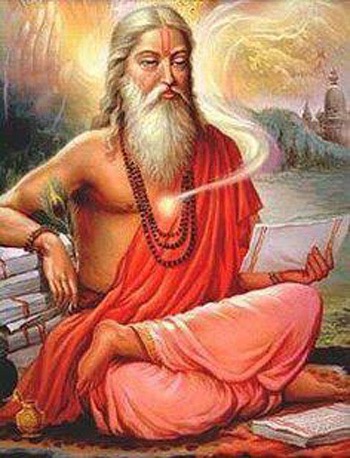
bhartṛhari is celebrated for the śataka-triśati - three collections of roughly a hundred verses each: nīti śatakam, śṛṅgāra śatakam, and vairāgya śatakam. These are among the most quoted subhāṣitāni in Sanskrit literature because each ślōka is compact, memorable, and psychologically sharp.
śṛṅgāra śatakam explores śṛṅgāra (love/beauty/romance) in many shades: the first spark of attraction, playful conversation, the language of glances, union (sambhōga), separation (viraha), and the way desire can both uplift and unsettle the mind. It is not only about physical beauty; it is also a study of longing, imagination, vulnerability, pride, and reconciliation - the inner choreography of relationship.
śambhusvayambhuharayō hariṇēkṣaṇānāṃ
yēnākriyanta satataṃ gṛhakumbhadāsāḥ ।
vāchāṃ agōcharacharitravichitritāya
tasmai namō bhagavatē makaradhvajāya ॥ 2.1 ॥
Translation (bhāvārtha):
Salutations to Cupid, whose wondrous play is beyond words - he by whom even Shiva, Brahma, and Vishnu are made ceaseless household errand-servants for doe-eyed women.
smitēna bhāvēna cha lajjayā bhiyā
parāṇmukhairardhakaṭākṣavīkṣaṇaiḥ ।
vachōbhirīrṣyākalahēna līlayā
samastabhāvaiḥ khalu bandhanaṃ striyaḥ ॥ 2.2 ॥
Translation (bhāvārtha):
By smiles and moods, by modesty and coy fear, by averted faces and half-sidelong glances, by words, jealousy, quarrels, and playful teasing - by all these moods indeed women become a binding snare for the mind.
bhrūchāturyātkuṣchitākṣāḥ kaṭākṣāḥ
snigdhā vāchō lajjitāntāścha hāsāḥ ।
līlāmandaṃ prasthitaṃ cha sthitaṃ cha
strīṇāṃ ētadbhūṣaṇaṃ chāyudhaṃ cha ॥ 2.3 ॥
Translation (bhāvārtha):
Sidelong glances shaped by clever eyebrow-play and slightly contracted eyes, affectionate speech, laughter that ends in modesty, and a gentle playful gait - whether walking or standing - these are for women both ornament and weapon.
kvachitsabhrūbhaṅgaiḥ kvachidapi cha lajjāparigataiḥ
kvachidbhūritrastaiḥ kvachidapi cha līlāvilalitaiḥ ।
kumārīṇāṃ ētairmadanasubhagairnētravalitaiḥ
sphurannīlābjānāṃ prakaraparikīrṇā iva diśaḥ ॥ 2.4 ॥
Translation (bhāvārtha):
With eyebrow-bends, with modesty, with startled innocence, and with playful grace - with these love-stirring movements of the maidens' rolling eyes - the very directions seem as though they are strewn with clusters of flashing blue lotuses.
vaktraṃ chandravikāsi paṅkajaparīhāsakṣamē lōchanē
varṇaḥ svarṇaṃ apākariṣṇuralinījiṣṇuḥ kachānāṃ chayaḥ ।
bakṣōjāvibhakumbhavibhramaharau gurvī nitambasthalī
vāchāṃ hāri cha mārdavaṃ yuvatīṣu svābhāvikaṃ maṇḍanam ॥ 2.5 ॥
Translation (bhāvārtha):
In young women, the natural adornment is this: a face blooming like the moon; eyes that outshine the lotus; a complexion that eclipses gold; hair that surpasses the swarm of bees; paired breasts like jars that bewilder the heart; a weighty curve of the hips; and speech whose softness captivates.
smitakiñchinmugdhaṃ saralataralō dṛṣṭivibhavaḥ
parispandō vāchāṃ abhinavavilāsōktisarasaḥ ।
gatānāṃ ārambhaḥ kisalayitalīlāparikaraḥ
spṛśantyāstāruṇyaṃ kiṃ iva na hi ramyaṃ mṛgadṛśaḥ ॥ 2.6 ॥
Translation (bhāvārtha):
An innocent smile, a simple yet restless richness of gaze, a tremor in speech that is sweet with fresh playful phrases, the first budding start of movements and gestures - when youth touches the doe-eyed maiden, what is there that is not lovely?
draṣṭavyēṣu kiṃ uttamaṃ mṛgadṛśaḥ prēmaprasannaṃ mukhaṃ
ghrātavēṣvapi kiṃ tadāsyapavanaḥ śravyēṣu kiṃ tadvachaḥ ।
kiṃ svādyēṣu tadōṣṭhapallavarasaḥ spṛśyēṣu kiṃ tadvapurdhyēyaṃ
kiṃ navayauvanē sahṛdayaiḥ sarvatra tadvibhramāḥ ॥ 2.7 ॥
Translation (bhāvārtha):
Of all things to be seen, what is best? - the doe-eyed beloved's face, bright with love. Of all scents, what? - her breath. Of all sounds? - her words. Of all tastes? - the sweetness of her lips. Of all touch? - her body. And what is to be contemplated? - her fresh youth; for the tender-hearted, her graces are "best" everywhere.
ētāśchaladvalayasaṃhatimēkhalōtthajhaṅkāra
nūpuraparājitarājahaṃsyaḥ ।
kurvanti kasya na manō vivaśaṃ taruṇyō
vitrastamugdhahariṇīsadṛśaiḥ kaṭākṣaiḥ ॥ 2.8 ॥
Translation (bhāvārtha):
With jingling from swaying bangles and girdle, with anklets whose music outshines the royal swan, and with sidelong glances like frightened innocent doe - which mind do these young women not overpower?
kuṅkumapaṅkakalaṅkitadēhā
gaurapayōdharakampitahārā ।
nūpurahaṃsaraṇatpadmā
kaṃ na vaśīkurutē bhuvi rāmā ॥ 2.9 ॥
Translation (bhāvārtha):
With her body streaked with saffron paste, her necklace trembling on her fair breasts, and her lotus-feet ringing with anklets like swans - whom on earth does such a lovely woman not enchant?
nūnaṃ hi tē kavivarā viparītavāchō
yē nityaṃ āhurabalā iti kāminīstāḥ ।
yābhirvilōlitaratārakadṛṣṭipātaiḥ
śakrādayō'pi vijitāstvabalāḥ kathaṃ tāḥ ॥ 2.10 ॥
Translation (bhāvārtha):
Surely those "great poets" speak upside-down who keep calling women weak; by the playful casting of their rolling, star-like glances even Indra and the gods are conquered - how then are they weak?
nūnaṃ ājñākarastasyāḥ subhruvō makaradhvajaḥ ।
yatastannētrasañchārasūchitēṣu pravartatē ॥ 2.11 ॥
Translation (bhāvārtha):
Surely Cupid is the obedient servant of that fair-browed woman, because he acts according to the signals given by the movements of her eyes.
kēśāḥ saṃyaminaḥ śrutērapi paraṃ pāraṃ gatē lōchanē
antarvaktraṃ api svabhāvaśuchibhīḥ kīrṇaṃ dvijānāṃ gaṇaiḥ ।
muktānāṃ satatādhivāsaruchirau vakṣōjakumbhāvimāvitthaṃ
tanvi vapuḥ praśāntaṃ api tērāgaṃ karōtyēva naḥ ॥ 2.12 ॥
Translation (bhāvārtha):
Your hair looks like that of the self-controlled; your eyes seem to extend even beyond the ear; your mouth, naturally bright, is filled with rows of teeth; your two breast-jars are ever beautified by pearls resting on them. O slender one, even though your form is composed, it still awakens passion in us.
mugdhē dhānuṣkatā kēyaṃ apūrvā tvayi dṛśyatē ।
yayā vidhyasi chētāṃsi guṇairēva na sāyakaiḥ ॥ 2.13 ॥
Translation (bhāvārtha):
O innocent one, what new kind of archery is seen in you - by which you pierce hearts with your qualities alone, and not with arrows?
sati pradīpē satyagnau satsu tārāravīnduṣu ।
vinā mē mṛgaśāvākṣyā tamōbhūtaṃ idaṃ jagat ॥ 2.14 ॥
Translation (bhāvārtha):
Though lamp-light, fire, stars, sun, and moon are present, without my fawn-eyed beloved this world becomes darkness to me.
udvṛttaḥ stanabhāra ēṣa taralē nētrē chalē bhrūlatē
rāgādhiṣṭhitaṃ ōṣṭhapallavaṃ idaṃ kurvantu nāma vyathām ।
saubhāgyākṣaramālikēva likhitā puṣpāyudhēna svayaṃ
madhyasthāpi karōti tāpaṃ adhikaṃ rōmāvaliḥ kēna sā ॥ 2.15 ॥
Translation (bhāvārtha):
Let the raised weight of the breasts, the tremulous eyes, the dancing eyebrows, and the lip-bud set with color indeed cause disturbance; but why does the delicate line of abdominal hair, though placed in the middle, produce even greater burning longing - as if Cupid himself wrote it like an auspicious garland of letters?
mukhēna chandrakāntēna mahānīlaiḥ śirōruhaiḥ ।
karābhyāṃ padmarāgābhyāṃ rējē ratnamayīva sā ॥ 2.16 ॥
Translation (bhāvārtha):
With a moonstone-like face, deep-blue hair, and ruby-like hands, she shone as though she were fashioned from jewels.
guruṇā stanabhārēṇa mukhachandrēṇa bhāsvatā ।
śanaiścharābhyāṃ pādābhyāṃ rējē grahamayīva sā ॥ 2.17 ॥
Translation (bhāvārtha):
With the heavy "guru" of her breast-weight, with a radiant moon-like face, and with two Saturn-like feet, she appeared as though she were made of planets.
tasyāḥ stanau yadi ghanau jaghanaṃ cha hāri
vaktraṃ cha chāru tava chitta kiṃ ākulatvam ।
puṇyaṃ kuruṣva yadi tēṣu tavāsti vāñChā
puṇyairvinā na hi bhavanti samīhitārthāḥ ॥ 2.18 ॥
Translation (bhāvārtha):
O mind, if her breasts are full, her hips charming, and her face lovely, why are you so agitated? If you truly desire such things, cultivate merit - without merit, desired outcomes do not come to pass.
imē tāruṇyaśrīnavaparimalāḥ prauḍhasuratapratāpa
prārambhāḥ smaravijayadānapratibhuvaḥ ।
chiraṃ chētaśchōrā abhinavavikāraikaguravō
vilāsavyāpārāḥ kiṃ api vijayantē mṛgadṛśām ॥ 2.19 ॥
Translation (bhāvārtha):
These activities of doe-eyed women - fragrant with the fresh splendor of youth, beginning the heat of mature love-play, granting victory to Cupid, long-time thieves of the mind, and unique teachers of ever-new emotions - triumph in some indescribable way.
praṇayamadhurāḥ prēmōdgārā rasāśrayatāṃ gatāḥ
phaṇitimadhurā mugdhaprāyāḥ prakāśitasammadāḥ ।
prakṛtisubhagā visrambhārdrāḥ smarōdayadāyinī
rahasi kiṃ api svairālāpā haranti mṛgīdṛśām ॥ 2.20 ॥
Translation (bhāvārtha):
Sweet with affection, rich in outpourings of love and the flavor of emotion; sweet in speech and mostly innocent; naturally charming and softened by trust - the free private conversations of doe-eyed women kindle love and steal the heart.
viśramya viśramya vanadrumāṇāṃ
Chāyāsu tanvī vichachāra kāchit ।
stanōttarīyēṇa karōddhṛtēna
nivārayantī śaśinō mayūkhān ॥ 2.21 ॥
Translation (bhāvārtha):
A slender woman wandered, resting again and again in the shade of forest trees, shielding herself from the moon's rays with an upper cloth raised by her hand.
adarśanē darśanamātrakāmā
dṛṣṭvā pariṣvaṅgasukhaikalōlā ।
āliṅgitāyāṃ punarāyatākṣyāmāśāsmahē
vigrahayōrabhēdam ॥ 2.22 ॥
Translation (bhāvārtha):
When we cannot see her, we long only for a sight; once we see her, we long only for the pleasure of an embrace; and when embraced, we again long for the complete non-separation of the two bodies.
mālatī śirasi jṛmbhaṇaṃ mukhē
chandanaṃ vapuṣi kuṅkumāvilam ।
vakṣasi priyatamā madālasā
svarga ēṣa pariśiṣṭa āgamaḥ ॥ 2.23 ॥
Translation (bhāvārtha):
Jasmine on the head, a blooming smile on the face, sandal paste on the body tinged with saffron, and the beloved lying languid on the chest - this is heaven; anything "to come" is only the remainder.
prāṅmāṃ ēti manāganāgatarasaṃ jātābhilāṣāṃ tataḥ
savrīḍaṃ tadanu ślathōdyamaṃ atha pradhvastadhairyaṃ punaḥ ।
prēmārdraṃ spṛhaṇīyanirbhararahaḥ krīḍāpragalbhaṃ tatō
niḥsaṅgāṅgavikarṣaṇādhikasukharamyaṃ kulastrīratam ॥ 2.24 ॥
Translation (bhāvārtha):
The love-play of a respectable woman is uniquely delightful: the mind first moves forward and just begins to taste emotion, desire arises; then bashfulness appears and effort slackens, courage collapses again; then it becomes tender with love, then an intensely desirable private moment, then bold play - and finally, playful withdrawals of the limbs that heighten delight.
urasi nipatitānāṃ srastadhammillakānāṃ
mukulitanayanānāṃ kiñchidunmīlitānām ।
upari suratakhēdasvinnagaṇḍasthalānāmadhara
madhu vadhūnāṃ bhāgyavantaḥ pibanti ॥ 2.25 ॥
Translation (bhāvārtha):
The fortunate drink the honey of the lips of women who lie upon their chest, hair disheveled, eyes closed yet slightly opening, cheeks moist with the fatigue of love-play.
āmīlitanayanānāṃ yaḥ
suratarasō'nu saṃvidaṃ bhāti ।
mithurairmithō'vadhāritamavitatham
idaṃ ēva kāmanirbarhaṇam ॥ 2.26 ॥
Translation (bhāvārtha):
That which shines as the shared, unspoken understanding within love-play - when eyes are half-closed - and which couples mutually recognize as true: this alone is the fulfilment of love.
idaṃ anuchitaṃ akramaścha puṃsāṃ
yadiha jarāsvapi manmathā vikārāḥ ।
tadapi cha na kṛtaṃ nitambinīnāṃ
stanapatanāvadhi jīvitaṃ rataṃ vā ॥ 2.27 ॥
Translation (bhāvārtha):
It is improper and out of order for men if the stirrings of desire persist even in old age; yet, for women of shapely hips it is not said to be so - as though their life remains love and delight until the signs of age appear.
rājastṛṣṇāmburāśērna hi jagati gataḥ kaśchidēvāvasānaṃ
kō vārthō'rthaiḥ prabhūtaiḥ svavapuṣi galitē yauvanē sānurāgē ।
gachChāmaḥ sadma yāvadvikasitanayanēndīvarālōkinīnāmākramyākramya
rūpaṃ jhaṭiti na jarayā lupyatē prēyasīnām ॥ 2.28 ॥
Translation (bhāvārtha):
There is no end, in this world, to the ocean of craving for power and splendor. What is the use of abundant wealth when youth and passion slip away from the body? Let us go, again and again, to the homes of lotus-eyed beloveds while their beauty is not yet quickly taken away by old age.
rāgasyāgāraṃ ēkaṃ narakaśatamahāduḥkhasamprāptihēturmōhasyōtpatti
bījaṃ jaladharapaṭalaṃ jñānatārādhipasya ।
kandarpasyaikamitraṃ prakaṭitavividhaspaṣṭadōṣaprabandhaṃ
lōkē'sminna hyarthavrajakulabhavanayauvanādanyadasti ॥ 2.29 ॥
Translation (bhāvārtha):
Youth is the sole abode of passion; the cause of countless hell-like sufferings; the seed from which delusion is born; a mass of clouds that hides the moon of wisdom; Cupid's closest friend; and a chain of clearly visible faults. Indeed, in this world people seem to know nothing beyond wealth, retinue, family, home, and youth.
śṛṅgāradrumanīradē prasṛmarakrīḍārasasrōtasi
pradyumnapriyabāndhavē chaturavāṅmuktāphalōdanvati ।
tanvīnētrachakōrapāvanavidhau saubhāgyalakṣmīnidhau
dhanyaḥ kō'pi na vikriyāṃ kalayati prāptē navē yauvanē ॥ 2.30 ॥
Translation (bhāvārtha):
When fresh youth arrives - like a raincloud nourishing the tree of romance, like a stream overflowing with playful delight, like an ocean rich with pearl-like clever speech, like a treasure-house of fortune and beauty - who, even among the blessed, does not undergo a transformation?
saṃsārē'sminnasārē kunṛpatibhavanadvārasēvākalaṅkavyāsaṅga
vyastadhairyaṃ kathaṃ amaladhiyō mānasaṃ saṃvidadhyuḥ ।
yadyētāḥ prōdyadindudyutinichayabhṛtō na syurambhōjanētrāḥ
prēṅkhatkāñchīkalāpāḥ stanabharavinamanmadhyabhājastaruṇyaḥ ॥ 2.31 ॥
Translation (bhāvārtha):
In this essence-less world, tainted by humiliating service at the gates of petty rulers, how could the minds of the pure-hearted ever stay composed - if these young women did not exist: lotus-eyed, shining like a newly risen moon, their girdles swaying, their waists gently bent beneath youthful fullness?
siddhādhyāsitakandarē haravṛṣaskandhāvarugṇadrumē
gaṅgādhautaśilātalē himavataḥ sthānē sthitē śrēyasi ।
kaḥ kurvīta śiraḥ praṇāmamalinaṃ mlānaṃ manasvī janō
yadvitrastakuraṅgaśāvanayanā na syuḥ smarāstraṃ striyaḥ ॥ 2.32 ॥
Translation (bhāvārtha):
Even in a most auspicious Himalayan retreat - caves inhabited by spiritual adepts, rocks washed by the river Ganga, and forest traces of Shiva's bull - what spirited person would let the head be soiled by repeated bowing and the mind droop, if women with frightened-fawn eyes were not Cupid's weapons?
saṃsāra tava paryantapadavī na davīyasī ।
antarā dustarā na syuryadi tē madirēkṣaṇām ॥ 2.33 ॥
Translation (bhāvārtha):
The road through this worldly life does not feel long, and the stretch in between does not feel hard to cross, if your intoxicating eyes are with me.
diśa vanahariṇībhyō vaṃśakāṇḍachChavīnāṃ
kavalaṃ upalakōṭichChinnamūlaṃ kuśānām ।
śakayuvatikapōlāpāṇḍutāmbūlavallīdalam
aruṇanakhāgraiḥ pāṭitaṃ vā vadhūbhyaḥ ॥ 2.34 ॥
Translation (bhāvārtha):
To deer, offer a morsel of sacred grass, pale as bamboo-stalks and with roots cut clean by stone; to brides, offer a betel-leaf, pale as a maiden's cheek and torn by the reddish tips of nails.
asārāḥ sarvē tē virativirasāḥ pāpaviṣayā
jugupsyantāṃ yadvā nanu sakaladōṣāspadaṃ iti ।
tathāpyētadbhūmau nahi parahitātpuṇyaṃ adhikaṃ
na chāsminsaṃsārē kuvalayadṛśō ramyaṃ aparam ॥ 2.35 ॥
Translation (bhāvārtha):
Let all sense-objects be declared worthless, tasteless to the dispassionate, and to be shunned as an abode of faults; yet on this earth there is no virtue greater than working for others' welfare, and in this world there is no delight greater than the eyes of a lotus-eyed beloved.
ētatkāmaphalō lōkē yaddvayōrēkachittatā ।
anyachittakṛtē kāmē śavayōriva saṅgamaḥ ॥ 2.35.1 ॥
Translation (bhāvārtha):
The real fruit of love in this world is two people becoming of one mind; when love is with someone whose mind is elsewhere, their union is like the meeting of two corpses.
mātsaryaṃ utsārya vichārya kāryamāryāḥ
samaryādaṃ idaṃ vadantu ।
sēvyā nitambāḥ kiṃ u bhūdharāṇāmata
smarasmēravilāsinīnām ॥ 2.36 ॥
Translation (bhāvārtha):
Let the noble, setting aside envy and thinking clearly about what is worth pursuing, say this with propriety: are the hips we should "serve" those of mountains - or rather those of love-smiling, playful women?
saṃsārē svapnasārē pariṇatitaralē dvē gatī paṇḍitānāṃ
tattvajñānāmṛtāmbhaḥplavalalitadhiyāṃ yātu kālaḥ kathañchit ।
nō chēnmugdhāṅganānāṃ stanajaghanaghanābhōgasambhōginīnāṃ
sthūlōpasthasthalīṣu sthagitakaratalasparśalīlōdyamānām ॥ 2.37 ॥
Translation (bhāvārtha):
In this dream-like and ever-shifting world, the learned have only two meaningful ways for time to pass: either through minds delighting in truth-knowledge - a raft of nectar - or else (if not that) amid the intimate play of innocent young women, rich in youthful abundance.
āvāsaḥ kriyatāṃ gaṅgē pāpahāriṇi vāriṇi ।
stanadvayē taruṇyā vā manōhāriṇi hāriṇi ॥ 2.38 ॥
Translation (bhāvārtha):
Let your dwelling be made either in the sin-removing waters of the river Ganga, or in the mind-stealing bosom of a young woman.
kiṃ iha bahubhiruktairyuktiśūnyaiḥ pralāpairdvayam
iha puruṣāṇāṃ sarvadā sēvanīyam ।
abhinavamadalīlālālasaṃ sundarīṇāṃ
stanabharaparikhinnaṃ yauvanaṃ vā vanaṃ vā ॥ 2.39 ॥
Translation (bhāvārtha):
Why so much senseless talk? In this world, there are only two pursuits that people truly cling to: either the fresh, passionate youth of beautiful women, or the solitude of the forest.
satyaṃ janā vachmi na pakṣapātāl
lōkēṣu saptasvapi tathyaṃ ētat ।
nānyanmanōhāri nitambinībhyō
duḥkhaikahēturna cha kaśchidanyaḥ ॥ 2.40 ॥
Translation (bhāvārtha):
People, I say this truly and without bias: across all the seven worlds, there is no other single cause of sorrow than captivating women.
kāntētyutpalalōchanēti vipulaśrōṇībharētyunnamatpīnōttuṅga
payōdharēti samukhāmbhōjēti subhrūriti ।
dṛṣṭvā mādyati mōdatē'bhiramatē prastauti vidvānapi
pratyakṣāśuchibhastrikāṃ striyaṃ ahō mōhasya duśchēṣṭitam ॥ 2.41 ॥
Translation (bhāvārtha):
Calling her "beloved", "lotus-eyed", "broad-hipped", "high and full-breasted", "lotus-faced", "beautiful-browed" - merely seeing her, even a scholar becomes intoxicated, rejoices, delights, and praises, though she is plainly a bag of impurities. Alas, what a mischief of delusion!
smṛtā bhavati tāpāya dṛṣṭā chōnmādakāriṇī ।
spṛṣṭā bhavati mōhāya sā nāma dayitā katham ॥ 2.42 ॥
Translation (bhāvārtha):
Remembered she burns; seen she drives one into frenzy; touched she bewilders. How then is she called a "beloved"?
tāvadēvāmṛtamayī yāvallōchanagōcharā ।
chakṣuṣpathādatītā tu viṣādapyatirichyatē ॥ 2.43 ॥
Translation (bhāvārtha):
She is nectar only as long as she remains within sight; once she goes beyond the eyes' reach, she becomes worse than poison (through the pain of longing).
nāmṛtaṃ na viṣaṃ kiñchidētāṃ muktvā nitambinīm ।
saivāmṛtalatā raktā viraktā viṣavallarī ॥ 2.44 ॥
Translation (bhāvārtha):
Except for this beloved, nothing is really nectar or poison: when she is affectionate she is a vine of nectar, and when she turns indifferent she becomes a vine of poison.
āvartaḥ saṃśayānāṃ avinayabhuvanaṃ paṭṭaṇaṃ sāhasānāṃ
dōṣāṇāṃ sannidhānaṃ kapaṭaśatamayaṃ kṣētraṃ apratyayānām ।
svargadvārasya vighnō narakapuramukha sarvamāyākaraṇḍaṃ
strīyantraṃ kēna sṛṣṭaṃ viṣaṃ amṛtamayaṃ prāṇilōkasya pāśaḥ ॥ 2.45 ॥
Translation (bhāvārtha):
Who created this "woman-device" - a whirlpool of doubts, a realm of indiscipline, a city of rashness, an abode of faults, a field made of a hundred deceits, an obstacle at heaven's gate and the doorway to hell, a basket of every illusion - a poison that appears as nectar, a snare for living beings?
nō satyēna mṛgāṅka ēṣa vadanībhūtō na chēndīvaradvandvaṃ
lōchanatāṃ gata na kanakairapyaṅgayaṣṭiḥ kṛtā ।
kintvēvaṃ kavibhiḥ pratāritamanāstattvaṃ vijānannapi
tvaṅmāṃsāsthimayaṃ vapurmṛgadṛśāṃ mandō janaḥ sēvatē ॥ 2.46 ॥
Translation (bhāvārtha):
Truly, the moon has not become her face; nor have blue lotuses become her eyes; nor is her body made of gold. Yet the dull person, though knowing reality, still clings to the deer-eyed woman's body made of skin, flesh, and bone - his mind deceived by poets.
līlāvatīnāṃ sahajā vilāsāsta
ēva mūḍhasya hṛdi sphuranti ।
rāgō nalinyā hi nisargasiddhastatra
bhramtyēva vṛthā ṣaḍaṅghriḥ ॥ 2.47 ॥
Translation (bhāvārtha):
In a fool's heart, the inborn graces of playful women alone keep flashing. The lotus's redness is natural; still the six-footed bee, deluded, buzzes about it in vain.
sammōhayanti madayanti viḍambayanti
nirbhartsyanti ramayanti viṣādayanti ।
ētāḥ praviśya sadayaṃ hṛdayaṃ narāṇāṃ
kiṃ nāma vāmanayanā na samācharanti ॥ 2.47.1 ॥
Translation (bhāvārtha):
They bewilder, intoxicate, deceive, scold, delight, and sadden - once these beautiful-eyed women enter a man's tender heart, what is it that they do not do?
yadētatpūrṇēndudyutiharaṃ udārākṛti paraṃ
mukhābjaṃ tanvaṅgyāḥ kila vasati yatrādharamadhu ।
idaṃ tatkiṃ pākadrumaphalaṃ idānīṃ atirasavyatītē'smin
kālē viṣaṃ iva bhaviṣytyasukhadam ॥ 2.48 ॥
Translation (bhāvārtha):
This splendid lotus-face of the slender beloved, stealing the shine of the full moon, where the honey of her lips resides - is it not a ripe fruit? Yet when its excessive sweetness has passed with time, it will turn, as it were, into poison and bring pain.
unmīlattrivalītaraṅganilayā prōttuṅgapīnastanadvandvēnōdgata
chakravākayugalā vaktrāmbujōdbhāsinī ।
kāntākāradharā nadīyaṃ abhitaḥ krūrātra nāpēkṣatē
saṃsārārṇavamajjanaṃ yadi tadā dūrēṇa santyajyatām ॥ 2.49 ॥
Translation (bhāvārtha):
This river shaped like a beloved - with waves like the soft lines of her waist, with a pair of love-birds rising from lofty, full breasts, shining with a lotus-like face - is cruel and shows no regard. If you wish to avoid drowning in the ocean of worldly life, abandon it from far away.
jalpanti sārdhaṃ anyēna paśyantyanyaṃ savibhramāḥ ।
hṛdgataṃ chintayantyanyaṃ priyaḥ kō nāma yōṣitām ॥ 2.50 ॥
Translation (bhāvārtha):
They chat with one, glance at another with playful charm, and think of yet another in the heart - who, indeed, is the beloved of women?
madhu tiṣṭhati vāchi yōṣitāṃ hṛdi hālāhalaṃ ēva kēvalam ।
ataēva nipīyatē'dharō hṛdayaṃ muṣṭibhirēva tāḍyatē ॥ 2.51 ॥
Translation (bhāvārtha):
Honey sits on women's tongues, but only poison in their hearts; therefore the lip is "drunk" (kissed), while the heart is, as it were, struck with fists.
apasara sakhē dūrādasmātkaṭākṣaviṣānalāt
prakṛtiviṣamādyōṣitsarpādvilāsaphaṇābhṛtaḥ ।
itaraphaṇinā daṣṭaḥ śakyaśchikitsituṃ auṣadhaiśchatur
vanitābhōgigrastaṃ hi mantriṇaḥ ॥ 2.52 ॥
Translation (bhāvārtha):
Move away, my friend, far from this poison-fire of a sidelong glance, from the naturally venomous woman-snake whose hood is coquettish charm. A bite from another snake can be treated with medicines, but one seized by the woman-snake cannot be cured even by the skilled.
vistāritaṃ makarakētanadhīvarēṇa
strīsañjñitaṃ baḍiśaṃ atra bhavāmburāśau ।
yēnāchirāttadadharāmiṣalōlamartya
matsyānvikṛṣya vipachatyanurāgavahnau ॥ 2.53 ॥
Translation (bhāvārtha):
Cupid, the fisherman, casts into the ocean of worldly life a hook called "woman"; with it he soon drags out the mortal fish, greedy for the bait of her lips, and cooks him in the fire of passion.
kāminīkāyakāntārē kuchaparvatadurgamē ।
mā sañchara manaḥ pāntha tatrāstē smarataskaraḥ ॥ 2.54 ॥
Translation (bhāvārtha):
O mind, traveler - do not wander in the wilderness of a woman's body, hard to cross with its "mountains" of breasts; for there the thief called desire lies in wait.
vyāḍīrghēṇa chalēna vaktragatinā tējasvinā bhōginā
nīlābjadyutināhinā paraṃ ahaṃ dṛṣṭō na tachchakṣuṣā ।
dṛṣṭē santi chikitsakā diśi diśi prāyēṇa dhanārthinō
mugdhākṣakṣaṇavīkṣitasya na hi mē vaidyō na chāpyauṣadham ॥ 2.55 ॥
Translation (bhāvārtha):
I have never been looked at by a radiant serpent - long, restless in its head-movement, gleaming like a blue lotus. And even if I were, physicians are found everywhere, generally seeking fees; but for the momentary glance of an innocent-eyed girl, I have neither doctor nor medicine.
iha hi madhuragītaṃ nṛtyaṃ ētadrasō'yaṃ
sphurati parimalō'sau sparśa ēṣa stanānām ।
iti hataparamārthairindriyairbhrāmyamāṇaḥ
svahitakaraṇadhūrtaiḥ pañchabhirvañchitō'smi ॥ 2.56 ॥
Translation (bhāvārtha):
Here are sweet song and dance, all this delight; here is that fragrance, this touch of breasts - and so, my senses, having ruined my higher purpose, make me wander; I have been cheated by the five rogues that pretend to act for my welfare.
na gamyō mantrāṇāṃ na cha bhavati bhaiṣajyaviṣayō
na chāpi pradhvaṃsaṃ vrajati vividhaiḥ śāntikaśataiḥ ।
bhramāvēśādaṅgē kaṃ api vidadhadbhaṅgaṃ asakṛt
smarāpasmārō'yaṃ bhramayati dṛśaṃ ghūrṇayati cha ॥ 2.57 ॥
Translation (bhāvārtha):
It cannot be cured by mantras, it is not a case for medicine, and it does not go away even with hundreds of pacifying rites. Entering the body like delusion and repeatedly causing disturbance, this "Cupid-epilepsy" makes the eyes reel and whirl.
jātyandhāya cha durmukhāya cha jarājīrṇā khilāṅgāya cha
grāmīṇāya cha duṣkulāya cha galatkuṣṭhābhibhūtāya cha ।
yachChantīṣu manōharaṃ nijavapulakṣmīlavaśraddhayā
paṇyastrīṣu vivēkakalpalatikāśastrīṣu rājyēta kaḥ ॥ 2.58 ॥
Translation (bhāvārtha):
When courtesans, trusting even a little in their bodily beauty, offer charms even to the born-blind, the ugly, the age-worn, the crippled, the rustic, the low-born, and the leprous - who could remain sovereign (in self-control) before such women, like weapons that cut down discernment?
vēśyāsau madanajvālā
rūpē'ndhanavivardhitā ।
kāmibhiryatra hūyantē
yauvanāni dhanāni cha ॥ 2.59 ॥
Translation (bhāvārtha):
This courtesan is a flame of desire, fanned by the fuel of beauty; into her fire, lovers pour their youth and wealth.
kaśchumbati kulapuruṣō vēśyādharapallavaṃ manōjñaṃ api ।
chārabhaṭachōrachēṭakanaṭaviṭaniṣṭhīvanaśarāvam ॥ 2.60 ॥
Translation (bhāvārtha):
What respectable person would kiss even the charming, bud-like lip of a courtesan - a "spittle-bowl" for spies, soldiers, thieves, servants, actors, and rakes?
dhanyāsta ēva dhavalāyatalōchanānāṃ
tāruṇyadarpaghanapīnapayōdharāṇām ।
kṣāmōdarōpari lasattrivalīlatānāṃ
dṛṣṭvākṛtiṃ vikṛtiṃ ēti manō na yēṣām ॥ 2.61 ॥
Translation (bhāvārtha):
Blessed indeed are those whose minds do not become distorted even after seeing the captivating forms of such women - bright-eyed, full with youthful pride, and slender-waisted with the triple folds on the belly shining like vines.
bālē līlāmukulitaṃ amī mantharā dṛṣṭipātāḥ
kiṃ kṣipyantē viramavirama vyartha ēṣa śramastē ।
sampratyanyē vayaṃ uparataṃ bālyaṃ āsthā vanāntē
kṣīṇō mōhastṛṇaṃ iva jagajjālaṃ ālōkayāmaḥ ॥ 2.62 ॥
Translation (bhāvārtha):
O girl, why do you keep casting these slow, playfully half-closed glances? Stop, stop - your effort is futile. We have now left childishness behind and taken up life in the forest; delusion has faded, and we behold the world's net as mere straw.
iyaṃ bālā māṃ pratyanavarataṃ indīvaradalaprabhā
chīraṃ chakṣuḥ kṣipati kiṃ abhiprētaṃ anayā ।
gatō mōhō'smākaṃ smaraśabarabāṇavyatikarajvara
jvālā śāntā tadapi na varākī viramati ॥ 2.63 ॥
Translation (bhāvārtha):
This young girl keeps casting, again and again, her blue-lotus-petal-like gaze toward me for a long time - what does she intend? Our delusion is gone; the fever-flame born of Cupid-the-hunter's shower of arrows is quenched, and yet the poor girl does not stop.
kiṃ kandarpa karaṃ kadarthayasi rē kōdaṇḍaṭaṅkāritaṃ
rē rē kōkila kōmalaṃ kalaravaṃ kiṃ vā vṛthā jalpasi ।
mugdhē snigdhavidagdhachārumadhurairlōlaiḥ kaṭākṣairalaṃ
chētaśchumbitachandrachūḍacharaṇadhyānāmṛtaṃ vartatē ॥ 2.64 ॥
Translation (bhāvārtha):
Why, Cupid, do you still trouble me with your bow's twang? O cuckoo, why sing your sweet notes in vain? O innocent girl, enough with your affectionate, clever, lovely, sweet, playful side-glances - my mind abides in the nectar of meditation on the feet of moon-crested Shiva.
virahē'pi saṅgamaḥ khalu
parasparaṃ saṅgataṃ manō yēṣām ।
hṛdayaṃ api vighaṭṭitaṃ chēt
saṅgī virahaṃ viśēṣayati ॥ 2.65 ॥
Translation (bhāvārtha):
Even in separation there is union for those whose minds are mutually united; and even if the heart is broken, that very union only heightens the poignancy of separation.
kiṃ gatēna yadi sā na jīvati
prāṇiti priyatamā tathāpi kim ।
ityudīkṣya navamēghamālikāṃ
na prayāti pathikaḥ svamandiram ॥ 2.66 ॥
Translation (bhāvārtha):
Thinking, "What is the point of going back if she is not alive? And even if the beloved is alive, what then?" - on seeing a garland of fresh clouds, the traveler does not go to his home.
viramata budhā yōṣitsaṅgātsukhātkṣaṇabhaṅgurāt
kuruta karuṇāmaitrīprajñāvadhūjanasaṅgamam ।
na khalu narakē hārākrāntaṃ ghanastanamaṇḍalaṃ
śaraṇaṃ athavā śrōṇībimbaṃ raṇanmaṇimēkhalam ॥ 2.67 ॥
Translation (bhāvārtha):
Wise ones, refrain from the fleeting pleasure found in women's company; cultivate instead the company of compassion, friendship, and wisdom. For in hell, neither necklace-clad heavy bosoms nor rounded hips with jingling jeweled girdles will be your refuge.
yadā yōgābhyāsavyasanakṛśayōrātmamanasōravichChinnā
maitrī sphurati kṛtinastasya kiṃ u taiḥ ।
priyāṇāṃ ālāpairadharamadhubhirvaktravidhubhiḥ
saniśvāsāmōdaiḥ sakuchakalaśāślēṣasurataiḥ ॥ 2.68 ॥
Translation (bhāvārtha):
When, through intense meditative discipline, an unbroken harmony between the self and the mind shines in an accomplished person, what need has he of lovers' talk, honey-lips, moonlike faces, fragrant breaths, and intimate embraces?
yadāsīdajñānaṃ smaratimirasañchārajanitaṃ
tadā dṛṣṭanārīmayaṃ idaṃ aśēṣaṃ jagaditi ।
idānīṃ asmākaṃ paṭutaravivēkāñjanajuṣāṃ
samībhūtā dṛṣṭistribhuvanaṃ api brahma manutē ॥ 2.69 ॥
Translation (bhāvārtha):
When ignorance, produced by the roaming darkness of desire, prevailed, this entire world seemed nothing but the beloved - as if it were "made of woman". But now, with sharp discernment, our vision has become steady: we see even the three worlds as the one Absolute Reality.
tāvadēva kṛtināṃ api sphuratyēṣa
nirmalavivēkadīpakaḥ ।
yāvadēva na kuraṅgachakṣuṣāṃ
tāḍyatē chaṭulalōchanāñchalaiḥ ॥ 2.70 ॥
Translation (bhāvārtha):
Even in the accomplished, the lamp of pure discernment shines only so long as it is not struck by the playful, darting glances of doe-eyed women.
vachasi bhavati saṅgatyāgaṃ uddiśya vārtā
śrutimukharamukhānāṃ kēvalaṃ paṇḍitānām ।
jaghanaṃ aruṇaratnagranthikāñchīkalāpaṃ
kuvalayanayanānāṃ kō vihātuṃ samarthaḥ ॥ 2.71 ॥
Translation (bhāvārtha):
Scholars whose mouths resound with the Vedas may speak of "renouncing attachments" - but who is actually capable of giving up the lotus-eyed woman's hips adorned with a waist-girdle knotted with red gems?
svaparapratārakō'sau
nindati yō'līkapaṇḍitō yuvatīḥ ।
yasmāttapasō'pi phalaṃ
svargaḥ svargē'pi chāpsarasaḥ ॥ 2.72 ॥
Translation (bhāvārtha):
That hypocritical "scholar" who condemns young women is a deceiver of both himself and others; for even austerity bears the fruit of heaven - and even in heaven there are celestial nymphs.
mattēbhakumbhadalanē bhuvi santi dhīrāḥ
kēchitprachaṇḍamṛgarājavadhē'pi dakṣāḥ ।
kintu bravīmi balināṃ purataḥ prasahya
kandarpadarpadalanē viralā manuṣyāḥ ॥ 2.73 ॥
Translation (bhāvārtha):
On earth there are heroes who can split the temples of a maddened elephant, and some who are skilled even at slaying a fierce lion; but I say boldly, even before the strong: rare indeed are those who can crush the pride of Cupid.
sanmārgē tāvadāstē prabhavati cha narastāvadēvēndriyāṇāṃ
lajjāṃ tāvadvidhattē vinayaṃ api samālambatē tāvadēva ।
bhrūchāpākṛṣṭamuktāḥ śravaṇapathagatā nīlapakṣmāṇa ētē
yāvallīlāvatīnāṃ hṛdi na dhṛtimuṣō dṛṣṭibāṇāḥ patanti ॥ 2.74 ॥
Translation (bhāvārtha):
A man stays on the right path, keeps mastery of the senses, and maintains modesty and humility - only so long as the dark-lashed glance-arrows of playful women, drawn from the eyebrow-bow and released, do not strike the heart and steal away steadiness.
unmattaprēmasaṃrambhād
ārabhantē yadaṅganāḥ ।
tatra pratyūhaṃ ādhātuṃ
brahmāpi khalu kātaraḥ ॥ 2.75 ॥
Translation (bhāvārtha):
When women, driven by an impetuous surge of mad love, begin something, then even Brahma is indeed helpless to place an obstacle in their way.
tāvanmahattvaṃ pāṇḍityaṃ
kulīnatvaṃ vivēkitā ।
yāvajjvalati nāṅgēṣu
hataḥ pañchēṣupāvakaḥ ॥ 2.76 ॥
Translation (bhāvārtha):
Greatness, scholarship, noble lineage, and discernment last only so long as the fire of the five-arrowed Cupid, once it strikes, does not blaze in one's limbs.
śāstrajñō'pi prathitavinayō'pyātmabōdhō'pi bāḍhaṃ
saṃsārē'sminbhavati viralō bhājanaṃ sadgatīnām ।
yēnaitasminnirayanagaradvāraṃ udghāṭayantī
vāmākṣīṇāṃ bhavati kuṭilā bhrūlatā kuñchikēva ॥ 2.77 ॥
Translation (bhāvārtha):
Even a knower of scripture, even one famed for humility, and even one established in self-knowledge is, in this world, rarely a vessel fit for the good path - because the crooked eyebrow-vine of lovely-eyed women becomes like a key that opens the gate to the city of hell.
kṛśaḥ kāṇaḥ khañjaḥ śravaṇarahitaḥ puchChavikalō
vraṇī pūyaklinnaḥ kṛmikulaśatairāvṛtatanuḥ ।
kṣudhā kṣāmō jīrṇaḥ piṭharakakapālārpitagalaḥ
śunīṃ anvēti śvā hataṃ api cha hantyēva madanaḥ ॥ 2.78 ॥
Translation (bhāvārtha):
Thin, one-eyed, lame, earless, tailless, wounded, oozing pus, his body covered with hundreds of worms, withered by hunger and worn with age, his neck trapped in broken pot-shards - even such a dog still follows a female dog. Thus does desire indeed destroy even one who is already destroyed.
strīmudrāṃ kusumāyudhasya jayinīṃ sarvārthasampatkarīṃ
yē mūḍhāḥ pravihāya yānti kudhiyō mithyāphalānvēṣiṇaḥ ।
tē tēnaiva nihatya nirdayataraṃ nagnīkṛtā muṇḍitāḥ
kēchitpañchaśikhīkṛtāścha jaṭilāḥ kāpālikāśchāparē ॥ 2.79 ॥
Translation (bhāvārtha):
Fools of dull understanding abandon the conquering "seal" of Cupid - womanhood, which seems to bring prosperity to all aims - and go seeking false fruits. That very force strikes them down mercilessly: some are made naked and shaved, some turned into five-tufted ascetics, others into matted-haired wanderers, and some into skull-bearing ascetics.
viśvāmitraparāśaraprabhṛtayō vātāmbuparṇāśanāstē'pi
strīmukhapaṅkajaṃ sulalitaṃ dṛṣṭvaiva mōhaṃ gatāḥ ।
śālyannaṃ saghṛtaṃ payōdadhiyutaṃ yē bhuñjatē mānavāstēṣām
indriyanigrahō yadi bhavēdvindhyaḥ plavētsāgarē ॥ 2.80 ॥
Translation (bhāvārtha):
Even sages like Vishvamitra and Parashara, who subsist on air, water, and leaves, fell into delusion merely by seeing a woman's graceful lotus-face. If humans who eat rice with ghee and milk/curd could truly restrain the senses, then the Vindhya mountain would float in the ocean.
parimalabhṛtō vātāḥ śākhā navāṅkurakōṭayō
madhuravirutōtkaṇṭhā vāchaḥ priyāḥ pikapakṣiṇām ।
viralasuratasvēdōdgārā vadhūvadanēndavaḥ
prasarati madhau rātryāṃ jātō na kasya guṇōdayaḥ ॥ 2.81 ॥
Translation (bhāvārtha):
Fragrance-bearing winds blow; branches show tips of fresh sprouts; the cuckoo's sweet calls kindle yearning; and women's moonlike faces show only faint beads of sweat from intimacy. When spring spreads into the nights, whose good qualities do not bloom?
madhurayaṃ madhurairapi kōkilā
kalaravairmalayasya cha vāyubhiḥ ।
virahiṇaḥ prahiṇasti śarīriṇō
vipadi hanta sudhāpi viṣāyatē ॥ 2.82 ॥
Translation (bhāvārtha):
With its melodious calls - and with the Malaya winds - the cuckoo makes even sweet things sweeter; but it torments the love-lorn. Alas, in adversity, even nectar turns into poison.
āvāsaḥ kilakiñchitasya dayitāpārśvē vilāsālasāḥ
karṇē kōkilakāminīkalaravaḥ smērō latāmaṇḍapaḥ ।
gōṣṭhī satkavibhiḥ samaṃ katipayairmugdhāḥ sudhāṃśōḥ karāḥ
kēṣāñchitsukhayanti chātra hṛdayaṃ chaitrē vichitrāḥ kṣapāḥ ॥ 2.83 ॥
Translation (bhāvārtha):
For some, these charming Chaitra nights gladden the heart: staying by the beloved's side amid playful murmurs, languid in love's play; the female cuckoo's call in the ear; a smiling vine-pavilion; a gathering with good poets and a few friends; and the soft rays of the nectar-moon.
pāntha strīvirahānalāhutikalāṃ ātanvatī mañjarīmākandēṣu
pikāṅganābhiradhunā sōtkaṇṭhaṃ ālōkyatē ।
apyētē navapāṭalāparimalaprāgbhārapāṭachcharā
vāntiklāntivitānatānavakṛtaḥ śrīkhaṇḍaśailānilāḥ ॥ 2.84 ॥
Translation (bhāvārtha):
O traveler, now the mango blossom-clusters are seen with longing by the female cuckoos, as if they were an offering into the fire of separation. And these sandalwood-mountain winds, roaming about laden with the heavy fragrance of fresh spring blossoms, blow and relieve the spread of weariness.
prathitaḥ praṇayavatīnāṃ
tāvatpadaṃ ātanōtu hṛdi mānaḥ ।
bhavati na yāvachchandanataru
surabhirmalayapavamānaḥ ॥ 2.85 ॥
Translation (bhāvārtha):
The pride/sulking of loving women holds its place in the heart only until the Malaya breeze becomes fragrant with sandalwood trees.
sahakārakusumakēsaranikara
bharāmōdamūrchChitadigantē ।
madhuramadhuravidhuramadhupē
madhau bhavētkasya nōtkaṇṭhā ॥ 2.86 ॥
Translation (bhāvārtha):
When the quarters are intoxicated by the heavy fragrance of clusters of mango blossoms and pollen, and when the bee hums sweetly and plaintively, who would not feel yearning in spring?
achChāchChachandanarasārdratarā mṛgākṣyō
dhārāgṛhāṇi kusumāni cha kaumudī cha ।
mandō marutsumanasaḥ śuchi harmyapṛṣṭhaṃ
grīṣmē madaṃ cha madanaṃ cha vivardhayanti ॥ 2.87 ॥
Translation (bhāvārtha):
In summer, doe-eyed women made even more moist with clear sandalwood paste, water-pavilions, flowers and moonlight, gentle winds, and clean mansion-terraces - all intensify intoxication and desire.
srajō hṛdyāmōdā vyajanapavanaśchandrakiraṇāḥ
parāgaḥ kāsārō malayajarajaḥ śīdhu viśadam ।
śuchiḥ saudhōtsaṅgaḥ pratanu vasanaṃ paṅkajadṛśō
nidāghaṛtāvētadvilasati labhantē sukṛtinaḥ ॥ 2.88 ॥
Translation (bhāvārtha):
In the summer season, the fortunate enjoy these delights: garlands with pleasing fragrance, fan-breezes, moon-rays, pollen, lotus-ponds, sandalwood dust from Malaya, clear wine, the clean ledge of a mansion, and the thin garment of a lotus-eyed beloved.
sudhāśubhraṃ dhāma sphuradamalaraśmiḥ śaśadharaḥ
priyāvaktrāmbhōjaṃ malayajarajaśchātisurabhiḥ ।
srajō hṛdyāmōdāstadidaṃ akhilaṃ rāgiṇi janē
karōtyantaḥ kṣōbhaṃ na tu viṣayasaṃsargavimukhē ॥ 2.89 ॥
Translation (bhāvārtha):
The moon's nectar-bright radiance, the beloved's lotus-face, the very fragrant sandalwood dust, and garlands with pleasing scent - all this creates intense inner agitation in a passionate person, but not in one who has turned away from sense-objects.
taruṇīvēṣōddīpitakāmā
vikasajjātīpuṣpasugandhiḥ ।
unnatapīnapayōdharabhārā
prāvṛṭtanutē kasya na harṣam ॥ 2.90 ॥
Translation (bhāvārtha):
The rainy season - with desire kindled by young women's attire, fragrant with blooming jasmine, and heavy with the fullness of their breasts - produces joy for whom does it not?
viyadupachitamēghaṃ bhūmayaḥ kandalinyō
navakuṭajakadambāmōdinō gandhavāhāḥ ।
śikhikulakalakēkārāvaramyā vanāntāḥ
sukhinaṃ asukhinaṃ vā sarvaṃ utkaṇṭhayanti ॥ 2.91 ॥
Translation (bhāvārtha):
Cloud-filled skies, earth thick with new shoots, winds perfumed by fresh blossoms, and forests made lovely by peacocks' calls - all these stir yearning in everyone, happy or unhappy.
upari ghanaṃ ghanapaṭalaṃ
tiryaggirayō'pi nartitamayūrāḥ ।
kṣitirapi kandaladhavalā
dṛṣṭiṃ pathikaḥ kva pātayati ॥ 2.92 ॥
Translation (bhāvārtha):
Above is a dense mass of clouds; sideways, even the mountains have dancing peacocks; the earth too is pale with fresh shoots - where does the traveler cast his gaze?
itō vidyudvallīvilasitaṃ itaḥ kētakitarōḥ
sphurangandhaḥ prōdyajjaladaninadasphūrjitaṃ itaḥ ।
itaḥ kēkikrīḍākalakalaravaḥ pakṣmaladṛśāṃ
kathaṃ yāsyantyētē virahadivasāḥ sambhṛtarasāḥ ॥ 2.93 ॥
Translation (bhāvārtha):
Here the lightning-vine flashes; here fragrant blossoms spread their scent; here the swelling thunder of clouds; here the noisy calls of peacocks at play - how will these days of separation pass for the long-lashed ones, full of longing?
asūchisañchārē tamasi nabhasi prauḍhajaladadhvaniprayē
tasmin patati dṛśadāṃ nīranichayē ।
idaṃ saudāminyāḥ kanakakamanīyaṃ vilasitaṃ
mudaṃ cha glāniṃ cha prathayati pathiṣvēva sudṛśām ॥ 2.94 ॥
Translation (bhāvārtha):
In the dark sky where needle-like streaks move, filled with the thunder of dense clouds, and where hail and water fall into pools, this golden-beautiful flash of lightning produces both joy and weariness in the beautiful-eyed women on the road.
āsārēṇa na harmyataḥ priyatamairyātuṃ bahiḥ śakyatē
śītōtkampanimittaṃ āyatadṛśā gāḍhaṃ samāliṅgyatē ।
jātāḥ śīkaraśītalāścha marutōratyantakhēdachChidō
dhanyānāṃ bata durdinaṃ sudinatāṃ yāti priyāsaṅgamē ॥ 2.95 ॥
Translation (bhāvārtha):
Because of rain, the beloveds cannot go outside from the mansion. Shivering from cold, the long-eyed beloved is held in a tight embrace; the winds, cooled by spray, cut away fatigue. For the fortunate, a gloomy rainy day becomes a good day in the union of lovers.
ardhaṃ suptvā niśāyāḥ sarabhasasuratāyāsasannaślathāṅgaprōdbhūtāsahya
tṛṣṇō madhumadaniratō harmyapṛṣṭhē viviktē ।
sambhōgaklāntakāntāśithilabhujalatāvarjitaṃ karkarītō
jyōtsnābhinnāchChadhāraṃ pibati na salilaṃ śāradaṃ mandapuṇyaḥ ॥ 2.96 ॥
Translation (bhāvārtha):
After sleeping half the night, limbs slack from the fatigue of hurried lovemaking, unbearable thirst arises. Given to wine and desire, alone on the mansion-terrace, the "unfortunate" man does not drink the autumn water - a clear stream split by moonlight, poured from a water-pitcher - because he is held in an embrace by the beloved's tired, slack arms.
hēmantē dadhidugdhasarpiraśanā māñjiṣṭhavāsōbhṛtaḥ
kāśmīradravasāndradigdhavapuṣaśChinnā vichitrai rataiḥ ।
vṛttōrustanakāminōjanakṛtāślēṣā gṛhābhyantarē
tāmbūlīdalapūgapūritamukhā dhanyāḥ sukhaṃ śēratē ॥ 2.97 ॥
Translation (bhāvārtha):
In winter, the fortunate - eating curd, milk, and ghee; wearing deep red garments; bodies smeared with thick saffron paste; their pleasures spent in varied lovemaking and embraces of women with round thighs and breasts; mouths filled with betel leaf and areca - sleep happily inside the house.
praduyatprauḍhapriyaṅgudyutibhṛti vikasatkundamādyaddvirēphē
kālē prālēyavātaprachalavilasitōdāramandāradhāmni ।
yēṣāṃ nō kaṇṭhalagnā kṣaṇaṃ api tuhinakṣōdadakṣā mṛgākṣī
tēsāṃ āyāmayāmā yamasadanasamā yāminī yāti yūnām ॥ 2.98 ॥
Translation (bhāvārtha):
In the season when blossoms glow, bees grow intoxicated, and splendid groves sway in the frosty wind - for those youths whose doe-eyed beloved, skilled at rubbing away the cold, does not cling to their neck even for a moment, the long night passes like death's abode.
chumbantō gaṇḍabhittīralakavati mukhē sītkṛtānyādadhānā
vakṣaḥsūtkañchukēṣu stanabharapulakōdbhēdaṃ āpādayantaḥ ।
ūrūnākampayantaḥ pṛthujaghanataṭātsraṃsayantō'ṃśukāni
vyaktaṃ kāntājanānāṃ viṭacharitabhṛtaḥ śaiśirā vānti vātāḥ ॥ 2.99 ॥
Translation (bhāvārtha):
Surely the winter winds, bearing the behavior of a libertine among beloved women, blow: kissing the cheek-walls of their curly-haired faces and making them hiss; causing goosebumps to rise on breasts within tight bodices; making thighs tremble; and loosening garments from broad hips.
kēśānākulayandṛśō mukulayanvāsō balādākṣipannātanvan
pulakōdgamaṃ prakaṭayannāvēgakampaṃ śanaiḥ ।
bāraṃ bāraṃ udārasītkṛtakṛtō dantachChadānpīḍayan
prāyaḥ śaiśira ēṣa samprati marutkāntāsu kāntāyatē ॥ 2.100 ॥
Translation (bhāvārtha):
Now this winter wind behaves like a lover among women: it dishevels hair, closes eyes, snatches clothes by force, brings out goosebumps and tremors; again and again it makes loud hissing sounds and makes them bite their lips.
yadyasya nāsti ruchiraṃ tasmiṃstasya spṛhā manōjñē'pi ।
ramaṇīyē'pi sudhāṃśau na manaḥkāmaḥ sarōjinyāḥ ॥ 2.101 ॥
Translation (bhāvārtha):
If a person has no liking for something, then there is no longing for it, even if it is beautiful. Even though the moon is lovely, the lotus has no desire for it.
vairāgyē sañcharatyēkō nītau bhramati chāparaḥ ।
śṛṅgārē ramatē kaśchidbhuvi bhēdāḥ parasparam ॥ 2.102 ॥
Translation (bhāvārtha):
One lives in renunciation, another wanders in practical ethics, and someone else delights in romance; on earth, people differ from one another.
Browse Related Categories: